

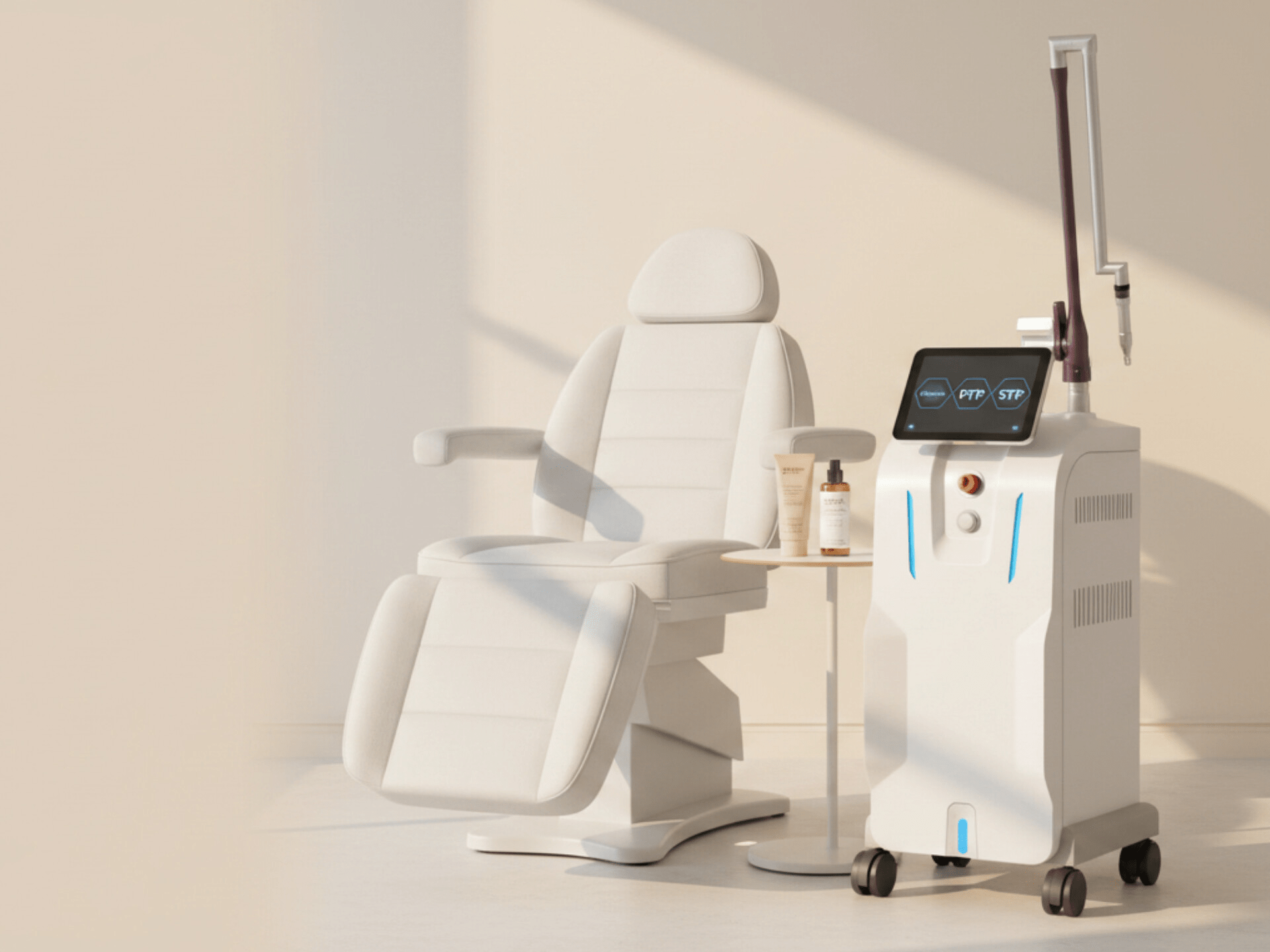
Laser Treatment for Melasma: Devices, Results, Risks & Clinic Selection Guide
We recently got in touch with a 38-year-old Mumbai patient who had walked into a Bandra clinic in 2022 with mild hormonal melasma — light tan patches across her cheeks and upper lip after her second pregnancy. Fitzpatrick V skin. The clinic offered IPL. Three sessions in, the melasma was dramatically worse — diffuse, darker, extending into areas previously untouched. It took eighteen months of strict topical care, tinted SPF, and oral tranexamic acid to return her skin to pre-treatment baseline. The clinic did everything wrong in one decision: heat-based device, broad-spectrum light, dark skin, hormonal trigger active. Mayo Clinic dermatologists advise against IPL for melasma — the heat it generates in surrounding skin is thought to make pigment worse.
This guide is for clinic owners, dermatology practices, and patients researching melasma laser treatment. We cover what melasma is, which devices are used (and which to avoid), realistic results, recurrence rates, risks, peel vs laser comparison, and clinic selection criteria. The honest position upfront: laser is third-line therapy for most melasma cases — after sunscreen plus topical pigment control, after peels and tranexamic acid. Browse pigment-focused clinic platforms at LEFIS as a professional aesthetic laser machine supplier.
Quick Answer: Is Laser Treatment Good for Melasma?

Laser treatment can help selected melasma cases — particularly resistant pigment that hasn't responded to topical therapy and trigger control. But lasers are not a first-line treatment. Heat and inflammation from many laser and light devices can worsen melasma, especially in Fitzpatrick IV–VI skin. Most dermatology guidance positions lasers as second-line or third-line therapy. Topical care, sunscreen, visible-light protection (tinted iron oxide SPF), and trigger control come first and continue throughout any laser course.
What Is Melasma?
Melasma is a persistent pigmentation disorder that results in brown, gray-brown or tan spots typically on the cheeks, forehead, upper lip, chin, nose bridge and jawline. Common triggers are sun exposure, exposure to visible light (including blue light from screens), heat, pregnancy, hormonal contraceptives, family history, inflammation and skin care products that are irritating.
Melasma is challenging to treat due to its chronic nature, potential of recurrence, combined epidermal and dermal pigmentation and significantly increased risk of PIH in darker skin types. The American Academy of Dermatology states that melasma is not a disease that can be treated, but is a long-term problem that will require time to manage.
Why Melasma Is Different From Sun Spots and Freckles
-
Melasma
Patchy, geographic, often symmetrical patterns. Trigger-prone and recurrent. Strongly linked to hormones and UV/visible light.
-
Sun Spots / Solar Lentigines
More defined brown spots from accumulated sun damage. Often respond well to pigment lasers — see LEFIS guide on laser treatments for age spots.
-
Freckles
Smaller, scattered spots that darken with sun exposure. You can check out our guide to laser treatments for freckles.
Post-Inflammatory Hyperpigmentation (PIH)
Pigment left after acne, irritation, injury, or procedures. Critical to distinguish from melasma — they look similar but respond differently to treatment. PIH typically improves with topical care alone; melasma rarely does.
How Melasma Laser Treatment Works
Laser and light devices target pigment or remodel skin through different mechanisms: pigment fragmentation (Q-switched, picosecond), low-fluence photoacoustic effect, fractional resurfacing, and dermal remodeling. Melasma protocols use conservative parameters specifically to reduce inflammation — aggressive heat is the primary risk for triggering pigment worsening. The clinical goal is incremental brightening across multiple sessions, not dramatic single-session clearance.
Main Laser and Light Devices Used for Melasma

-
1064 nm Q-Switched Nd:YAG Laser
The workhorse for melasma laser toning. Commonly selected for darker skin tones when used at very low fluence with large spot sizes. Targets deeper dermal pigment with conservative energy. Typically requires 6–10+ sessions plus maintenance. See Q-switched Nd:YAG laser machines.
-
Picosecond Laser
Ultra-short pulses fragment pigment with less heat than nanosecond systems, potentially reducing PIH risk. Often used in fractional/DLA mode at low fluence for melasma. Still requires careful case selection — see our clinic-first guide on picosecond laser for melasma and the comparison of 532 nm and 1064 nm pico laser systems.
-
Fractional Non-Ablative Laser
Creates controlled microthermal zones for resistant cases. Carries real PIH and rebound risk if too aggressive. Better suited for experienced clinicians using conservative parameters with rigorous photoprotection support.
-
Fractional CO2 Laser
Ablative resurfacing — not a first-choice melasma treatment. Increases inflammation and pigment risk if misused. More relevant for combined texture, scars, or aging changes alongside pigment concerns. See LEFIS CO2 fractional laser machines.
-
IPL
Useful for sun spots and vascular components, less predictable for melasma, and can worsen pigment in heat-sensitive or darker skin — Mayo Clinic explicitly recommends against IPL for melasma. See our IPL safety guide for full risk profile.
Melasma Laser Treatment Options at a Glance
|
DEVICE
|
MAIN USE
|
BEST FIT
|
MAIN RISK
|
|
Low-fluence 1064 nm Q-switched Nd:YAG
|
Laser toning, pigment control
|
Resistant epidermal or mixed melasma; safe across skin tones
|
PIH, rebound, mottled hypopigmentation if overused
|
|
Picosecond laser
|
Pigment fragmentation
|
Selected melasma and PIH cases
|
Darkening, rebound, PIH if settings wrong
|
|
Fractional non-ablative laser
|
Dermal remodeling
|
Selected resistant cases only
|
Heat-triggered worsening
|
|
Fractional CO2 laser
|
Resurfacing, texture, scars
|
Not first-line for melasma
|
Downtime, PIH, inflammation
|
|
IPL
|
Pigment and vascular components
|
Lighter skin, mixed pigmentation only
|
Can worsen melasma — avoid in darker skin
|
Which Laser Treatment Is Best for Melasma?
There is no outright best treatment for melasma. The ideal treatment and device will depend on different factors. These factors include Fitzpatrick skin type, depth of melasma (epidermal, dermal or mixed), history of post-inflammatory hyper pigmentation (PIH), active hormonal stimulation, sun exposure, treatment area, previous reactions to laser therapy, clinic experience and device parameter control. Our straightforward ranking system for clinics: Sunscreen+visible light protection (iron oxide tinted SPF)+topical therapy (hydroquinone or alternatives)+trigger management is in first line. Second-line is superficial chemical peels plus oral or topical tranexamic acid plus combination therapy. Third-line — for resistant cases that haven't responded to first and second-line care — is carefully selected laser treatment, typically low-fluence 1064 nm Q-switched Nd:YAG or fractional picosecond 1064 nm with DLA optics.
Realistic Results, Sessions, Duration, and Recurrence
Results are gradual — pigment lightens after multiple sessions, with improvement often partial rather than complete. Most protocols require 6–10 sessions spaced 4–6 weeks apart for melasma, longer than other pigment indications. "6 sessions" may be sufficient for some patients but not all — escalating energy to chase fast results raises PIH and rebound risk.
Results can last months when maintenance is strong, but recurrence is common — UV exposure, visible light, heat, pregnancy or hormone changes, stopping maintenance skincare, irritating procedures, and inflammation all trigger melasma return. Cleveland Clinic and AAD both note that melasma can return within 3 months after seemingly successful laser treatment if triggers are not controlled.
Is melasma 100% curable? No. Melasma is managed, not permanently cured. Patients can achieve visible improvement and "barely noticeable" pigment with consistent treatment and prevention, but clinics that promise permanent removal are misrepresenting the condition. The honest framing for patient consultations is long-term management — not cure.
Risks of Melasma Laser Treatment
The most common risks of meslasma laser treatment include:
-
Post-inflammatory hyperpigmentation (especially in darker skin)
-
Temporary hyperpigmentation before improvement
-
Redness
-
Swelling
-
Burning or stinging
-
Blistering
-
Crusting
-
Infection
-
Scarring
-
Hypopigmentation or mottled "voids”
-
Rebound hyperpigmentation (sometimes more prominent than baseline)
-
Uneven tone
-
Worsening pigmentation from heat or inflammation
-
Poor results when the diagnosis is incorrect (treatment of PIH as melasma or vice versa).
IPL is mentioned as a known precipitator of post-inflammatory hyperpigmentation in the Mayo Clinic guidelines.
Which Lasers Can Be Bad for Melasma?
"Bad" usually means wrong patient selection or aggressive parameters rather than bad technology per se. Higher-risk situations: IPL used on darker or heat-sensitive skin (Fitzpatrick IV–VI), aggressive fractional laser settings, ablative resurfacing without a pigment control plan, high-fluence pigment lasers used aggressively, and repeated laser toning without monitoring for mottled hypopigmentation. Test spots, conservative protocols, and explicit stop rules — "if pigment worsens, pause and reset with medical therapy only" — reduce risk dramatically.
Peel vs Laser for Melasma
Superficial chemical peels — especially with melasma-friendly ingredients like salicylic acid, mandelic acid, lactic acid, and tranexamic acid — are often safer than laser as a starting point. Peels are particularly useful for epidermal pigment and as maintenance. Laser may help resistant or dermal pigment but needs expert settings and strict aftercare.
|
FACTOR
|
CHEMICAL PEEL
|
LASER TREATMENT
|
|
Best for
|
Surface pigment, maintenance
|
Resistant or deeper pigment
|
|
Downtime
|
Mild to moderate
|
Mild to significant
|
|
Risk
|
Irritation, PIH
|
PIH, rebound, burns, worsening
|
|
Cost per session
|
Lower
|
Higher
|
|
Sessions
|
3–6 light peels
|
6–10+ sessions
|
|
Best position in plan
|
Often earlier
|
Often later or resistant cases
|
Combination Treatment Plan for Melasma
Melasma rarely responds to a single therapy. Combination treatment is the norm:
-
Broad-spectrum SPF 50+ plus tinted iron oxide protection every day
-
Topical brighteners (hydroquinone cycles, tretinoin, azelaic acid, niacinamide)
-
Tranexamic acid (topical or oral with medical screening for any clotting risk)
-
Superficial chemical peels
-
Laser toning at conservative parameters for selected cases
-
Aggressive trigger management (heat avoidance, hormone discussion with prescriber – aggressive).
Medical screening is required for the use of oral tranexamic acid (contraindications include smoking, estrogen-containing contraceptives, personal or family clotting disorders, and certain medications).
Pre-Treatment Preparation
Solid melasma laser treatment preparation starts 4–6 weeks before the first session. Work through this checklist:
-
Confirm diagnosis with a dermatologist or trained provider (Wood's lamp examination can be useful in differentiating epidermal vs dermal pigment).
-
Determine Fitzpatrick skin type and PIH history.
-
Identify and record the causes of melasma.
-
Do not tan or get direct sun for at least 4 weeks prior to treatment.
-
Avoid irritating exfoliants and retinoids 1-2 weeks prior to per provider instructions.
-
If laser is indicated, begin pigment control skin care 2-4 weeks prior to laser.
-
Talk about pregnancy, breastfeeding, contraceptives and hormonal therapy.
-
Discuss photosensitizing drugs and prior history of isotretinoin (usually must be 6 months off prior to laser).
-
Do standardized baseline photos for MASI/mMASI scoring.
What to Expect During Treatment
Skin cleansing and eye protection. Optional topical numbing depending on device and patient comfort. Test spot performed at least 24 hours before full treatment if not done previously. Laser passes using conservative low-fluence parameters with large spot sizes. Cooling or soothing treatment between passes. Mild stinging or rubber-band-snap sensation. Immediate erythema and warmth are normal — frosting or significant whitening is a stop signal indicating energy is too high.
Recovery Timeline After Melasma Laser Treatment

|
TIMEFRAME
|
WHAT TO EXPECT
|
AFTERCARE FOCUS
|
|
First 24 hours
|
Redness, warmth, mild swelling
|
Cooling, gentle moisturizer, no heat exposure
|
|
Days 1–3
|
Dryness, sensitivity, possible darkening
|
Gentle cleanser, barrier repair
|
|
Days 3–7
|
Flaking or micro-crusting
|
No picking, strict sun protection
|
|
Weeks 2–4
|
Pigment may start to look lighter
|
Maintenance skincare, photoprotection
|
|
Weeks 4–12
|
Gradual improvement after each session
|
Follow-up assessment and trigger control
|
Aftercare Rules for Melasma Laser Treatment
Direct sun should be avoided and use a broad spectrum SPF 50+ every day – preferably tinted with iron oxides to protect from visible light. Stay out of hot environments such as hot yoga, saunas or hot showers for at least 48-72 hours. Don't use too much scrubbing until cleared by your provider. Never remove crusts or flakes. Apply mild cleanser and barrier repairing moisturizer. Complete the pigment-control program. If a burn, blisters, infection symptoms or worsening pigment occur, report them to your provider immediately; early intervention is much more effective for pigment.
How to Choose a Melasma Laser Provider
Use these four filters when evaluating any melasma laser clinic:
-
Mindset: a good melasma laser provider treats melasma as a long-term condition to manage, not a problem to erase. Walk away from clinics that guarantee results or promise complete elimination.
-
Device transparency: ask which laser they use and why it suits your skin. Ask whether they recommend a test spot, how many sessions to expect, and what the plan is if pigment gets worse mid-course. Vague answers are a warning sign.
-
Experience with darker skin tones: if you're Fitzpatrick III–VI, ask for before-and-after cases with similar skin tone and a similar melasma pattern. A clinic that can't show them hasn't done the work.
-
Risk management: PIH prevention, cooling, conservative settings, emergency aftercare access, a follow-up schedule, and written consent that covers recurrence risk. A melasma laser clinic that centers sunscreen, topical care, and maintenance in the plan — not laser alone — is the one to trust.
Clinic Device Selection Checklist
For clinic owners and distributors evaluating melasma-capable laser platforms:
|
FEATURE
|
WHY IT MATTERS FOR MELASMA
|
|
1064 nm wavelength
|
Workhorse for deeper pigment and safer in darker skin types
|
|
Low-fluence control
|
Reduces heat and inflammation risk — critical for melasma
|
|
Picosecond pulse option
|
Pigment fragmentation with less thermal load than nanosecond
|
|
Fractional or DLA delivery
|
Spreads energy and reduces thermal accumulation
|
|
Stable energy output
|
Helps avoid uneven results across sessions
|
|
Cooling system
|
Reduces discomfort and PIH risk
|
|
Adjustable spot size
|
Larger spots = lower effective fluence; essential for toning
|
|
Training and protocol support
|
Reduces operator error — single biggest cause of bad outcomes
|
|
Warranty and service
|
Reduces downtime when platforms need calibration
|
Where LEFIS Fits Into Melasma Laser Equipment Planning
 Clinics researching melasma laser treatment devices can compare LEFIS pigment-focused platforms. The LEFIS picosecond laser machines collection includes the C16 (1064 nm center wavelength suitable for darker skin types), the C16 Picosecond Laser System, and the C19 Picosecond Laser System. The LEFIS Q-switched Nd:YAG laser machines collection supports the low-fluence 1064 nm toning protocols most commonly used for melasma. Browse the full lineup at LEFIS aesthetic machine collections or visit lefislaser.com for OEM/ODM partnerships and B2B quotes.
Conclusion
Melasma laser treatment can help selected patients, but only when approached carefully and after first-line and second-line therapies have been tried. Melasma is chronic and often recurrent — laser must be part of a broader plan including sun and visible-light protection, topical pigment control, trigger management, and ongoing maintenance. Clinics should choose devices based on safety, energy control, wavelength options, provider training, and patient skin type — not on marketing hype. Clinics comparing pigment laser devices can explore the LEFIS picosecond and Q-switched Nd:YAG collections.
FAQs
Is laser treatment good for melasma?
Laser can help selected resistant cases but is not first-line therapy. Most dermatology guidance treats laser as second-line or third-line after sunscreen, topical care, peels, and tranexamic acid. Many lasers can worsen melasma if used aggressively or on the wrong skin type.
Can melasma return after laser treatment?
Yes — recurrence is common. UV exposure, visible light, heat, pregnancy or hormone changes, and stopping maintenance skincare all trigger melasma return. Cleveland Clinic and AAD note that melasma can return within 3 months after seemingly successful treatment if triggers are not controlled.
What is the best laser treatment for melasma?
There is no universal best. Low-fluence 1064 nm Q-switched Nd:YAG and fractional picosecond 1064 nm with DLA optics are most commonly used for resistant cases. The right choice depends on skin type, pigment depth, PIH history, and provider experience.
How long does laser for melasma last?
Results can last months when maintenance is strong, but melasma is chronic and recurrence is common. Long-term results depend on daily SPF 50+, tinted iron oxide protection, heat avoidance, hormone management where possible, maintenance topical therapy, and periodic follow-up sessions.
What are the risks of melasma lasers?
Post-inflammatory hyperpigmentation, temporary darkening, rebound melasma (sometimes worse than baseline), burns, blistering, scarring, hypopigmentation or mottled "voids," and worsening pigmentation from heat or inflammation. Risk is highest in Fitzpatrick IV–VI skin and with aggressive parameters.
What is the most successful treatment for melasma?
Daily broad-spectrum SPF 50+ with iron oxide tinted protection, combined with topical pigment control (hydroquinone cycles, tretinoin, azelaic acid, niacinamide) and trigger management, is the most evidence-supported approach. Tranexamic acid (topical or oral) helps resistant cases. Laser is added for cases that don't respond to first and second-line care.
How many laser sessions to remove melasma?
Most protocols require 6–10 sessions spaced 4–6 weeks apart, with periodic maintenance every 3–6 months. "Removal" overstates what laser achieves — improvement and management are realistic, complete removal is not.
What are the risks of laser treatment?
Beyond pigment-specific risks, general laser risks include burns, blisters, infection, scarring, allergic reactions to topical anesthetic, and poor results if patient selection or device settings are wrong. Sun exposure before or after treatment dramatically increases all complication rates.
Is a peel or laser better for melasma?
Superficial chemical peels with melasma-friendly ingredients (salicylic, mandelic, lactic, tranexamic acid) are often safer as a starting point and may be sufficient for many patients. Laser is reserved for resistant or dermal pigment that hasn't responded to peels and topical care.
Which lasers are bad for melasma?
IPL on darker or heat-sensitive skin is the most common offender — Mayo Clinic explicitly recommends against it. Aggressive fractional laser settings, high-fluence pigment lasers, and ablative resurfacing without a pigment control plan also carry high worsening risk.
Is melasma 100% curable?
No. Melasma is managed, not permanently cured. Patients can achieve visible improvement and "barely noticeable" pigment with consistent treatment and prevention, but clinics promising permanent removal are misrepresenting the condition.
Is 6 sessions of laser enough?
Six sessions may be enough for mild epidermal melasma in lighter skin with good trigger control. For mixed or dermal melasma, darker skin, or active hormonal triggers, 8–10+ sessions plus ongoing maintenance is more realistic. Escalating energy to chase faster results raises PIH risk.
Sources
- Melasma: Diagnosis and Treatment · American Academy of Dermatology ·
- Melasma: Self-Care · American Academy of Dermatology ·
- Melasma · DermNet NZ ·
- Pigmentation Disorders · DermNet NZ ·
- Melasma · NCBI Bookshelf / StatPearls ·
- Melasma Treatment: An Evidence-Based Review · PubMed ·
- Management of Melasma: Laser and Other Therapies · NIH / PMC ·
- The Efficacy of Laser Therapy in Melasma Treatment · NIH / PMC ·
- Evidence-Based Treatment for Melasma: Expert Opinion and a Review · NIH / PMC ·
- The Role of Sunscreen in Melasma and Postinflammatory Hyperpigmentation · NIH / PMC ·
- Melasma · Merck Manual Consumer Version ·
- Hyperpigmentation · Merck Manual Professional Version ·
- Melasma · Cleveland Clinic ·
- Postinflammatory Hyperpigmentation · NCBI Bookshelf / StatPearls ·
- Postinflammatory Hyperpigmentation · DermNet NZ ·


Looking for something else?

Do Men Get Cellulite? Causes Differences & What to Know
LEARN MORE
Does Radio Frequency Skin Tightening Work? Results & How It Works
LEARN MORE
Do You Shave Before Laser Hair Removal? Prep Tips & Why It Matters
LEARN MORE
How to Get Rid of Age Spots: Treatments. Natural Remedies & Prevention
LEARN MORELooking for something else?
How to Heal Ingrown Hair: Causes. Treatments & Healing Time
LEARN MORE
How to Get Rid of Freckles: Effective Treatments & Natural Tips
LEARN MORE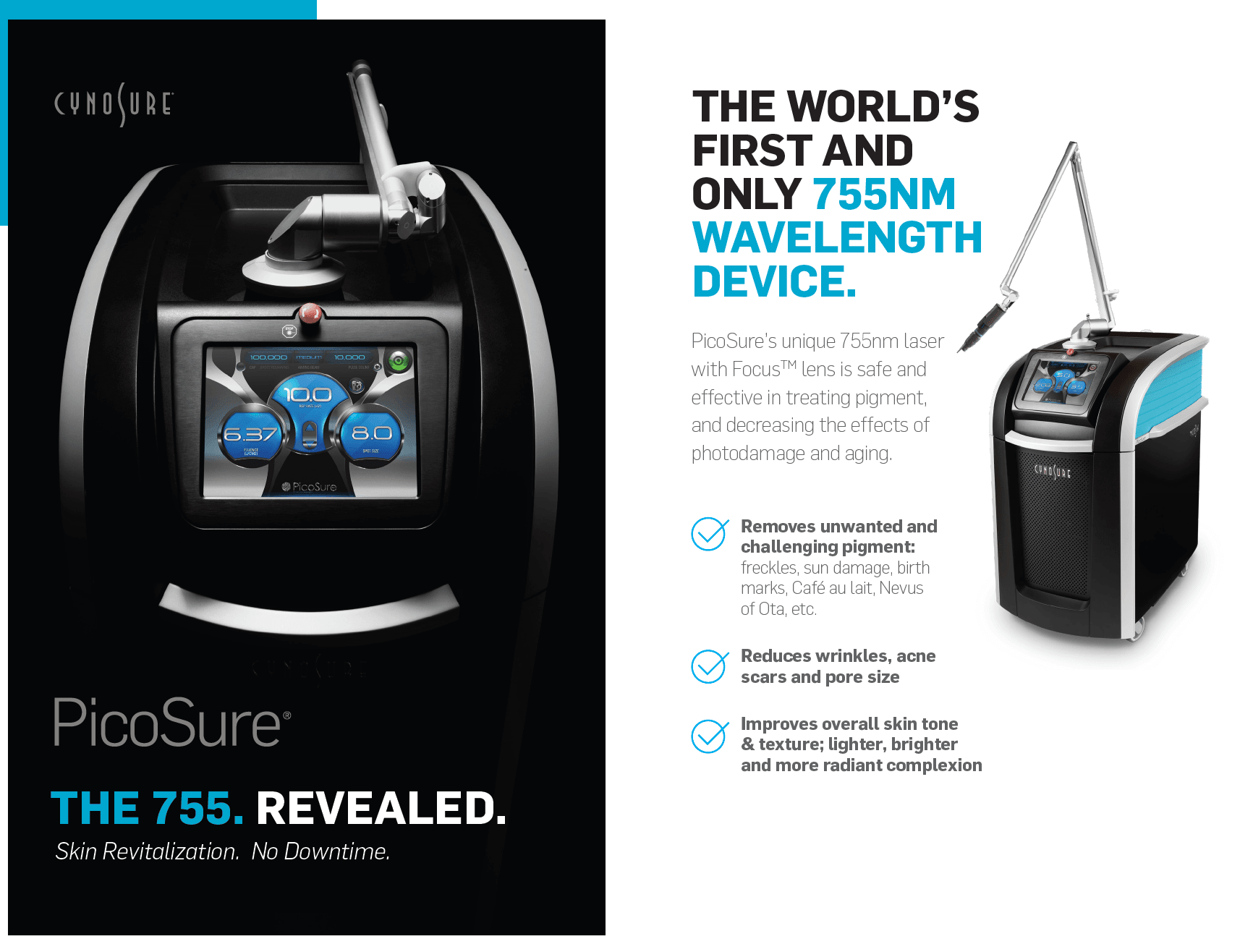
Top 10 Picosecond Laser Machine Manufacturers for Clinics in 2026
LEARN MORE


Further reading

Tattoo Removal Laser Machine Cost and Ownership Guide
The purchase price is only one part of a tattoo removal laser machine’s cost. A clinic also needs the correct wavelength configuration, cooling, eyewear, room controls, staff training, documentati...

CO2 Laser Treatment Room Setup Checklist
A CO2 laser purchase is not complete until the treatment room can support safe, repeatable operation. Room planning should happen before shipment so the clinic can address smoke evacuation, access...

Aesthetic Machine Factory Acceptance Test Before Shipment
LEFISA factory acceptance test, or FAT, gives the buyer a defined point to confirm that the machine matches the order and completes agreed checks before shipment. It does not replace regulatory re...

Aesthetic Machine Warranty and Spare Parts Guide
A warranty is useful only when it explains what happens after a fault is reported. The number of warranty months matters, but the coverage, exclusions, evidence requirements, parts location, labor...


