

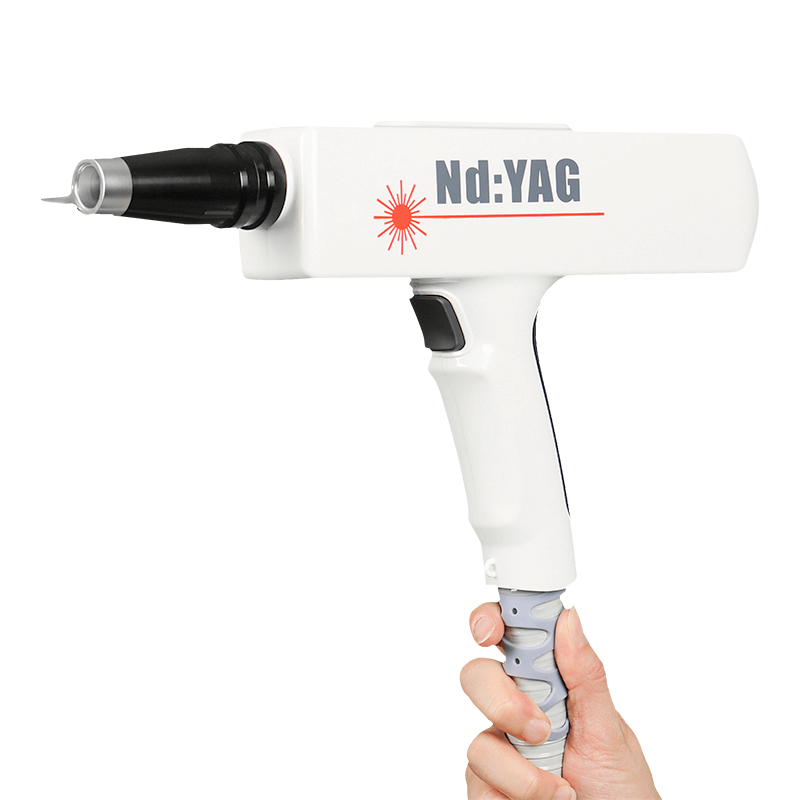
Is Tattoo Removal Safe? A Complete Medical & Technology Guide
Deciding to remove a tattoo is often a more significant decision than getting one in the first place. Whether it’s due to "tattoo regret." career changes. or simply outgrowing a piece of art. The primary concern for most people is safety. You want the ink gone. but you don't want to trade it for a permanent scar or health complications.
The short answer is yes. tattoo removal is exceptionally safe. provided it is performed with medical-grade technology by a trained professional. However, safety isn't just about the machine; it’s about the intersection of biology. physics. and post-treatment care. In this guide. We will pull back the curtain on the medical safety of tattoo removal and explain why certain technologies like the Lefis X9 Q-switched Nd:YAG system are the clinical gold standard for protecting your skin.
The Science of Safety: How Your Body Processes Ink

To understand why modern removal is safe. We first have to look at the anatomy of a tattoo. When you are tattooed. The ink is deposited into the dermis. Your immune system immediately recognizes these ink particles as "foreign invaders." It sends white blood cells (macrophages) to eat the ink and carry it away.
The problem? Tattoo ink particles are like giant boulders. and your white blood cells are like tiny pebbles. They simply can't move them. so the ink stays put.
Laser removal is safe because it doesn't use chemicals or blades. Instead. It uses light energy to create a "photo-acoustic" effect. It hits those "boulders" of ink with such speed and intensity that they shatter into microscopic "sand." Once the ink is sand-sized. your lymphatic system your body’s natural waste management system can safely carry the particles to the liver to be processed and excreted.
[Image: Diagram of a laser pulse shattering ink particles in the dermis while leaving the epidermis intact]
Why "Q-Switched" Technology is the Safety Standard
In the early days of tattoo removal. Doctors used CO2 lasers that essentially "burned" the skin off to get to the ink. This led to a high rate of scarring.
Modern safety was revolutionized by the Q-switched Nd:YAG laser. The "Q-switch" is a high-speed shutter that allows the laser to fire in nanoseconds (one-billionth of a second).
The Thermal Relaxation Principle
Safety in laser physics relies on a concept called "Thermal Relaxation Time." This is the amount of time it takes for an object (the ink) to lose 50% of its heat. If the laser pulse is shorter than the ink’s relaxation time. The heat stays inside the ink particle and shatters it. If the pulse is too long. The heat leaks out into the surrounding skin. causing a burn.
Systems like the Lefis X9 are engineered with ultra-short pulse widths. This means the energy hits the ink so fast that the surrounding skin doesn't even have time to get hot. This "cold" shattering of ink is what makes modern laser removal non-invasive and scar-free.
Comparing Methods: Which is Truly the Safest?
When researching removal. you will likely encounter three main methods. Here is how they stack up on the safety scale:
Laser Removal (The Safest)
- How it works: Light energy shatters ink; the skin remains "closed."
- Infection Risk: Near zero (unless you pick at the skin afterward).
- Scarring Risk: Less than 1% when performed by a professional.
Saline Removal (The "Middle Ground")
- How it works: A salt solution is tattooed into the skin to draw ink out through a scab.
- Infection Risk: Moderate. It creates an open wound that must be managed carefully.
- Safety Note: Often used for cosmetic tattoos (brows). but less predictable for deep body art.
At-Home Creams & "DIY" Salabrasion (Dangerous)
- How it works: Acid-based creams or scrubbing the skin with salt/sandpaper.
- Safety Risk: High. These methods frequently cause permanent chemical burns. severe scarring. and systemic infections. Medical professionals strictly advise against these.
Safety Across the "Skin Spectrum"
One of the most common myths is that tattoo removal isn't safe for darker skin tones (Fitzpatrick types IV–VI). In the past. This was true. as lasers couldn't distinguish between dark ink and dark skin pigment (melanin).
However, modern Nd:YAG lasers have solved this using the 1064nm wavelength.
- The 1064nm wavelength is "melanin-blind." It passes through the surface of the skin without being absorbed by the skin's natural color. reaching the black ink safely.
- The Lefis X9 system utilizes this specific wavelength to ensure that patients with deeper skin tones can undergo removal without the risk of "hypopigmentation" (permanent white spots).
Potential Side Effects: What is Normal?
Even when a procedure is "safe." your body will still react. Understanding the difference between a normal reaction and a complication is key to your peace of mind.
Normal Reactions (The "Healing Response"):
- Frosting: Immediately after the laser hits. the tattoo turns white. This is just carbon dioxide gas being released, it's a sign the laser worked and usually disappears in 20 minutes.
- Swelling and Redness: Your body is sending blood to the area to begin the clean-up. This lasts 24–48 hours.
- Itching: As the skin heals and the immune system becomes active. The area may itch.
Signs of Poor Safety/Technique:
- Pinpoint Bleeding: A tiny bit is okay. but excessive bleeding means the energy was too high.
- Large. Honey-Colored Scabs: This can indicate a surface infection.
- Raised Scars (Keloids): This usually happens if the sessions are spaced too closely together or the technician used incorrect settings.
Long-Term Safety: The Liver and Lymphatic System
A common question on forums like Reddit is: "Is it safe for my liver to process all that ink?" Medical studies have shown that the amount of ink released during a single laser session is very small compared to the body’s daily detoxification load. Because sessions are spaced 8 weeks apart. Your lymphatic system has plenty of time to flush the particles without "overloading" your organs. There is currently no clinical evidence linking laser tattoo removal to systemic health issues or cancer.
How to Ensure Your Treatment is Safe
Safety is a two-way street between technology and the patient. To maximize your safety:
- Check the Hardware: Ask if the clinic uses a Q-switched Nd:YAG or a Picosecond laser. Ensure the machine is a professional platform (like a Lefis system) and not cheap. uncertified import.
- Verify the Practitioner: Ensure your technician is certified in laser safety and understands skin anatomy.
- Be Honest About Meds: Certain medications (like Accutane or light-sensitizing antibiotics) can make laser treatment dangerous. Always provide a full medical history.
- The "8-Week Rule": Never let a clinic convince you to come back in 2 or 3 weeks. Your skin needs time to recover. Pushing too fast is the #1 cause of scarring.
Conclusion: The Verdict on Safety
Is tattoo removal safe? Unequivocally. yes. Compared to the risks of getting the tattoo (which involves needles and un-regulated inks). Removing it with a medical-grade laser is highly controlled. non-invasive. and low-risk procedure.
By choosing a clinic that invests in high-end technology like the Lefis X9. you are choosing a machine designed specifically to protect the epidermis while shattering the ink. With the right technology and a bit of patience during the healing process. You can safely erase the past and move forward with clear skin.
Frequently Asked Questions
Can tattoo removal cause cancer?
No. There is no scientific evidence or clinical data linking laser tattoo removal to cancer. The laser uses non-ionizing radiation. which does not damage the DNA of your cells. The ink particles are processed by your immune system and excreted naturally. similar to how your body handles other waste.
Is laser removal safer than "tattoo removal cream"?
Absolutely. Most removal creams use harsh acids to "peel" the skin. Because you cannot control the depth of the acid. It often causes deep chemical burns and permanent scarring. Lasers are far safer because they target the ink without breaking the surface of the skin.
Will I have a scar afterward?
If you follow the aftercare instructions and go to a professional using the right equipment (like a Q-switched laser). the risk of scarring is less than 1%. Most "scars" people see after removal were actually caused by the original tattoo needle and were simply hidden by the ink.
Is it safe to remove a tattoo while pregnant?
Medical professionals recommend waiting until after you have given birth and finished breastfeeding. While the laser stays on the surface of the skin. There haven't been enough clinical studies to determine if the shattered ink particles could affect a developing fetus. It is always better to err on the side of caution.
Can I remove a tattoo on my eyelid or near my eyes?
Yes. but it requires specialized safety equipment. The technician must insert "ocular shields" (essentially stainless steel contact lenses) under your eyelids to protect your retinas from the laser light. This should only be performed by a highly experienced medical professional.
Does it damage my hair follicles?
In some cases. The laser can cause temporary hair loss in the treated area (like an arm or leg). However, because the Nd:YAG laser targets pigment and not the hair bulb itself. The hair usually grows back within a few months.


Looking for something else?

Do Men Get Cellulite? Causes Differences & What to Know
LEARN MORE
Does Radio Frequency Skin Tightening Work? Results & How It Works
LEARN MORE
Do You Shave Before Laser Hair Removal? Prep Tips & Why It Matters
LEARN MORE
How to Get Rid of Age Spots: Treatments. Natural Remedies & Prevention
LEARN MORELooking for something else?
How to Heal Ingrown Hair: Causes. Treatments & Healing Time
LEARN MORE
How to Get Rid of Freckles: Effective Treatments & Natural Tips
LEARN MORE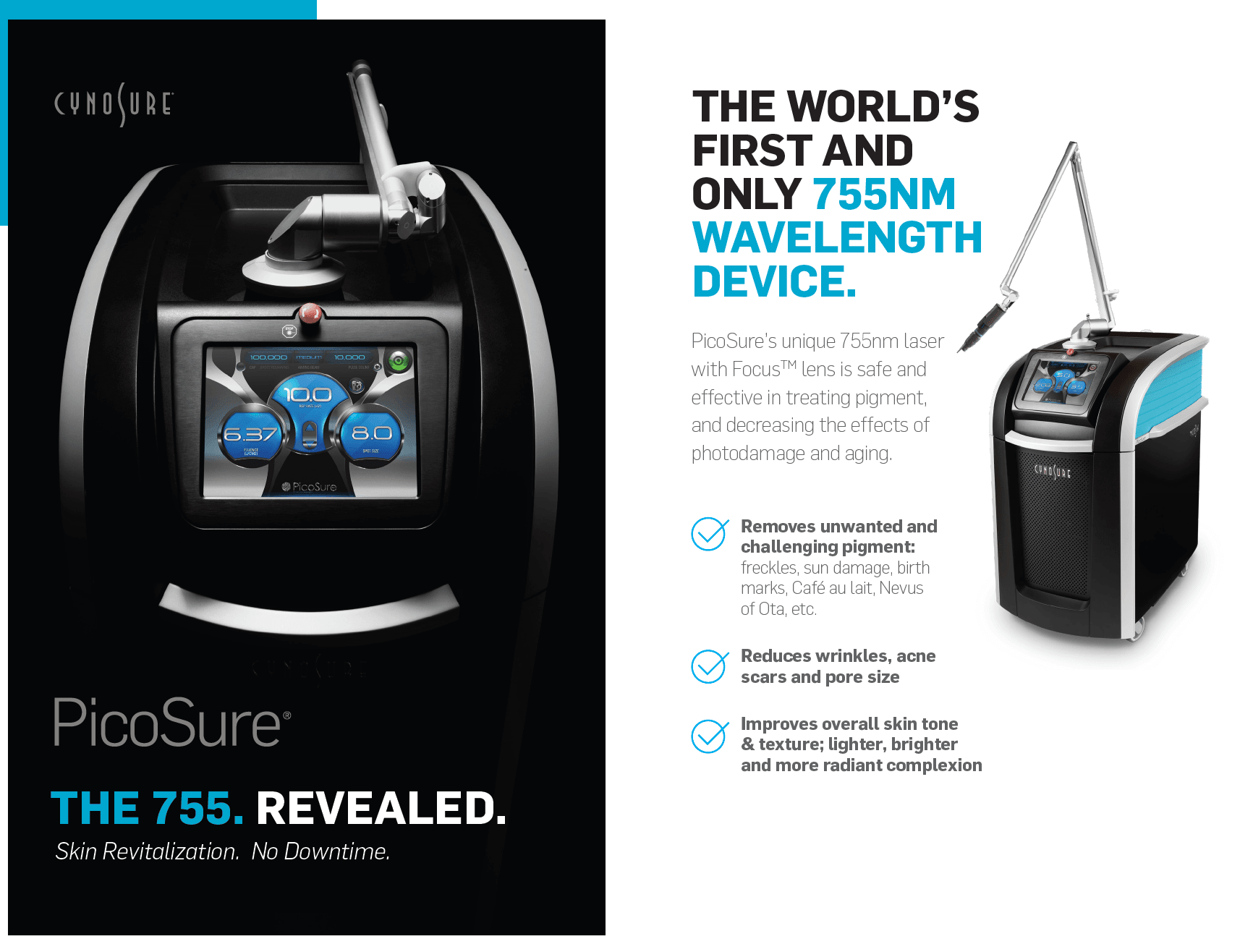
Top 10 Picosecond Laser Machine Manufacturers for Clinics in 2026
LEARN MOREYou may also like


Further reading

Tattoo Removal Laser Machine Cost and Ownership Guide

CO2 Laser Treatment Room Setup Checklist

Aesthetic Machine Factory Acceptance Test Before Shipment


