

How Many Sessions to Remove a Tattoo? The Ultimate Timeline Guide
The decision to get a tattoo is often permanent. but thanks to modern science. the tattoo itself doesn't have to be. Whether you're looking to erase a youthful mistake. clear space for a new piece of art. or simply fade a "cover-up" that didn't go as planned. the question remains: Exactly how many sessions will it take to get my skin back to a blank canvas?
While we’d all love a "one-and-done" solution. laser tattoo removal is a journey of patience and biological processing. This guide breaks down the variables that dictate your timeline. the science behind the ink. and how medical-grade technology like the Lefis X9 Q-Switched Nd:YAG Laser is shortening the path to clear skin.
The Biological Reality: Why One Session Isn't Enough

To understand the timeline. you first have to understand why the tattoo is there in the first place. Tattoo ink is injected into the dermis. the deeper layer of your skin. These ink particles are far too large for your body’s white blood cells to carry away.
Laser removal doesn't "burn" the ink off; it shatters it. Using a process called selective photothermolysis. the laser sends ultra-fast pulses of light energy into the skin. The ink absorbs this energy. heats up. and shatters into microscopic dust. Your lymphatic system then spends the next several weeks "cleaning up" this dust.
Because a tattoo is made of layers of ink stacked on top of each other. the laser can only reach the top layer in any given session. You have to wait for the body to clear the first layer before the second layer can be targeted.
Average Sessions: A Realistic Breakdown
While every body (and every tattoo) is unique. industry averages give us a solid starting point for expectations:
|
Tattoo Type |
Expected Sessions |
Total Estimated Time |
|
Amateur/Small Black Ink |
4 – 7 Sessions |
8 – 12 Months |
|
Professional Black Ink |
8 – 12 Sessions |
1.5 – 2 Years |
|
Multi-Colored/Large |
10 – 15+ Sessions |
2+ Years |
|
Fading for a Cover-Up |
3 – 5 Sessions |
6 – 8 Months |
The 6 Variables That Dictate Your Speed

Why does one person finish in 5 sessions while another takes 15? It usually boils down to the Kirby-Desai Scale. a clinical tool used to predict removal success.
Ink Color (The Easiest vs. The Hardest)
- Black Ink: The "Gold Standard" for removal. It absorbs all laser wavelengths. making it the easiest to shatter.
- Red/Warm Tones: Generally respond well to 532nm wavelengths.
- Blues & Greens: Historically difficult. these often require specialized lasers or more sessions to achieve full clearance.
- White/Yellow/Fluorescent: The most stubborn. White ink can sometimes "oxidize" and turn black before it fades.
Placement on the Body
Circulation is the "trucking system" for ink removal. Tattoos closer to the heart (chest. neck. upper back) fade much faster than tattoos on the extremities (ankles. feet. fingers) where blood flow is slower.
Tattoo Age and Quality
Older tattoos are actually easier to remove because the body has already spent years slowly breaking down the ink. Conversely. "Professional" tattoos use high-density ink injected deep into the dermis. requiring more passes than "Amateur" or "Stick-and-Poke" tattoos.
Skin Tone (Fitzpatrick Scale)
Lighter skin allows the laser to target the ink more aggressively. On darker skin tones. the technician must use lower energy settings to protect the skin’s natural melanin. which often means more sessions are needed to reach the same result safely.
Smoking and Immune Health
Since your immune system does the heavy lifting. a healthy body clears ink faster. Studies show that smokers have a significantly lower "clearance rate" (up to 70% less success over 10 sessions) compared to non-smokers.
The Technology Used
Not all lasers are created equal. Older "IPL" machines are ineffective and dangerous for tattoos. Standard Q-Switched Nd:YAG lasers are the workhorses of the industry. However. high-performance systems like the Lefis X9 offer superior pulse energy (up to 2000 mJ) and dual wavelengths. meaning they can break down more ink per pulse than lower-grade machines.
Why You MUST Wait: The Spacing Secret
It is tempting to try and book a session every two weeks to "hurry it up." Don't do it. The laser doesn't remove the ink; your body does. It takes about 6 to 8 weeks for the macrophages to finish hauling away the debris from a single session. If you treat the area again too soon. you are hitting skin that is still inflamed. which significantly increases the risk of scarring. permanent "ghosting. " or hyperpigmentation.
The Lefis X9 Advantage: Cutting Edge Removal
For clinic owners and patients alike. the equipment matters. The Lefis X9 Q-Switched Nd:YAG is engineered for precision.
- Dual Wavelengths (1064nm & 532nm): Allows for the treatment of dark blacks and vibrant reds in the same session.
- Adjustable Spot Size: Technicians can target small. intricate lines or large shaded areas with equal efficiency.
- Stability: Consistent energy delivery means fewer "hot spots. " reducing the risk of blisters and shortening the recovery time between sessions.
Post-Treatment: How to Speed Up Your Own Removal
You aren't a passive participant in this process. You can actually help your body clear the ink faster:
- Hydrate: Drink plenty of water to support your lymphatic system.
- Exercise: Increased circulation helps move those ink fragments along.
- No Sun: Tanned skin cannot be treated safely. Keep the area covered or use SPF 50+.
- Massage: Once the skin is fully healed (about 2 weeks post-session). gentle massage can help stimulate local lymphatic flow.
Summary
Removing a tattoo is a marathon. not a sprint. On average. you should prepare for 8 to 12 sessions and a timeline of about a year or more. However. with a healthy lifestyle and a provider using top-tier technology like Lefis. you can ensure the process is as efficient and safe as possible.
Frequently Asked Questions
Can a tattoo be 100% removed?
Yes. in most cases. a tattoo can be completely removed so that no trace of the ink remains. However. "ghosting" (a faint white outline) can occur if the skin was scarred during the original tattooing process or if the laser was used at too high an intensity.
How long do I have to wait between sessions?
Most professionals recommend waiting 6 to 8 weeks. For those with slower healing or darker skin tones. waiting 10 to 12 weeks can actually lead to better results. as it gives the body more time to clear the fragmented ink.
Does black ink really come off easier than colors?
Yes. Black ink absorbs all wavelengths of the laser's light. which makes it shatter more effectively. Fluorescent colors. greens. and light blues are much more "reflective" and require specific wavelengths and more sessions to break down.
Why does my tattoo look darker after the first session?
This is a common "honeymoon phase" reaction. As the laser shatters the ink. the particles may spread out or rise closer to the surface. making the tattoo look more vivid for a few days before the body starts the clearing process.
Is tattoo removal painful?
Most clients compare it to the feeling of a heavy rubber band snapping against the skin or the splatter of hot bacon grease. While uncomfortable. the sessions are very fast—usually under 5 minutes for a medium-sized tattoo.
Can I get a new tattoo in the same spot after removal?
Absolutely. Many people use laser removal to fade an old tattoo specifically so they can get a high-quality "cover-up." You should wait at least 3 months after your final laser session to ensure the skin is fully recovered before tattooing it again.


Looking for something else?

Do Men Get Cellulite? Causes Differences & What to Know
LEARN MORE
Does Radio Frequency Skin Tightening Work? Results & How It Works
LEARN MORE
Do You Shave Before Laser Hair Removal? Prep Tips & Why It Matters
LEARN MORE
How to Get Rid of Age Spots: Treatments. Natural Remedies & Prevention
LEARN MORELooking for something else?
How to Heal Ingrown Hair: Causes. Treatments & Healing Time
LEARN MORE
How to Get Rid of Freckles: Effective Treatments & Natural Tips
LEARN MORE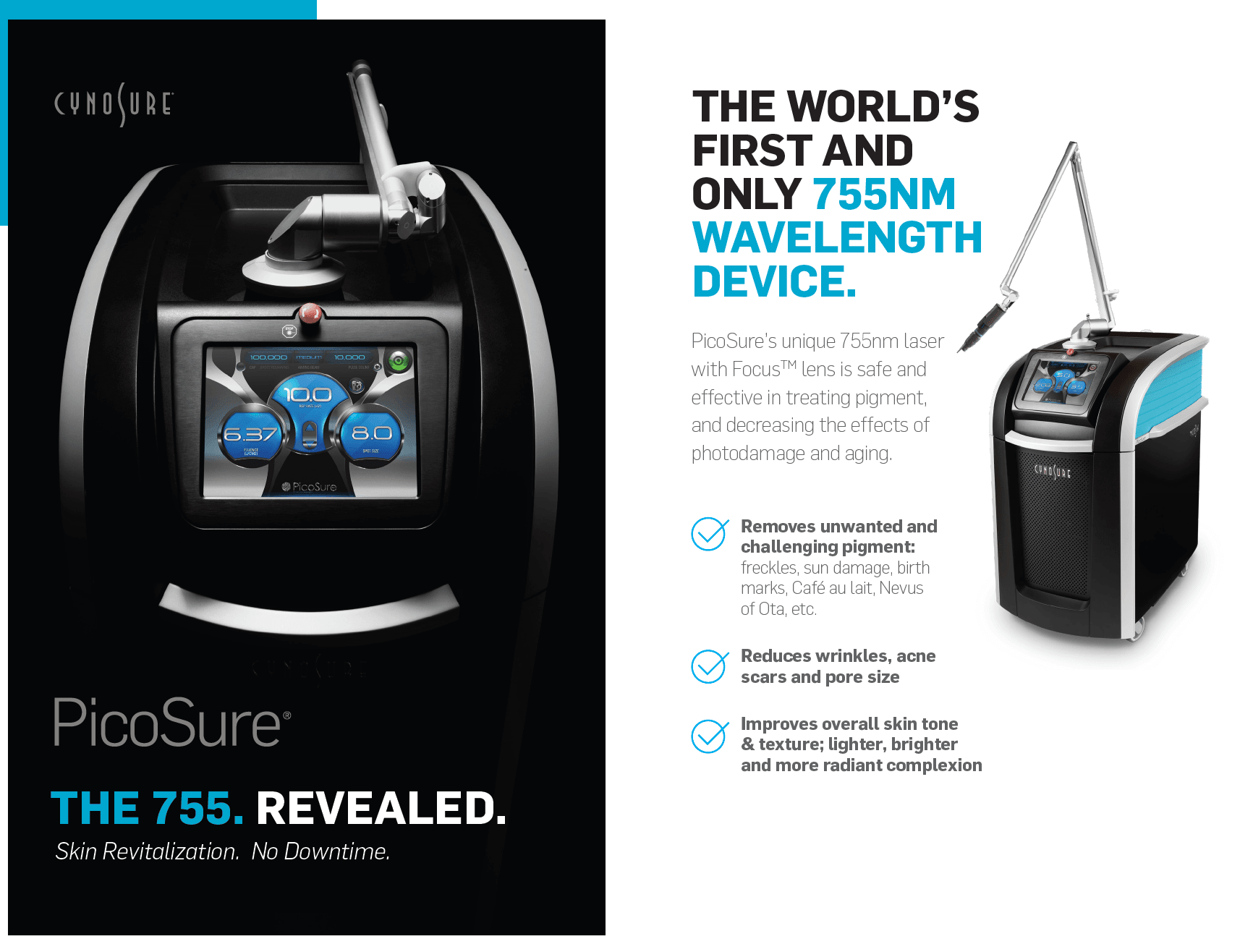
Top 10 Picosecond Laser Machine Manufacturers for Clinics in 2026
LEARN MORE


Further reading

Tattoo Removal Laser Machine Cost and Ownership Guide

CO2 Laser Treatment Room Setup Checklist

Aesthetic Machine Factory Acceptance Test Before Shipment


