

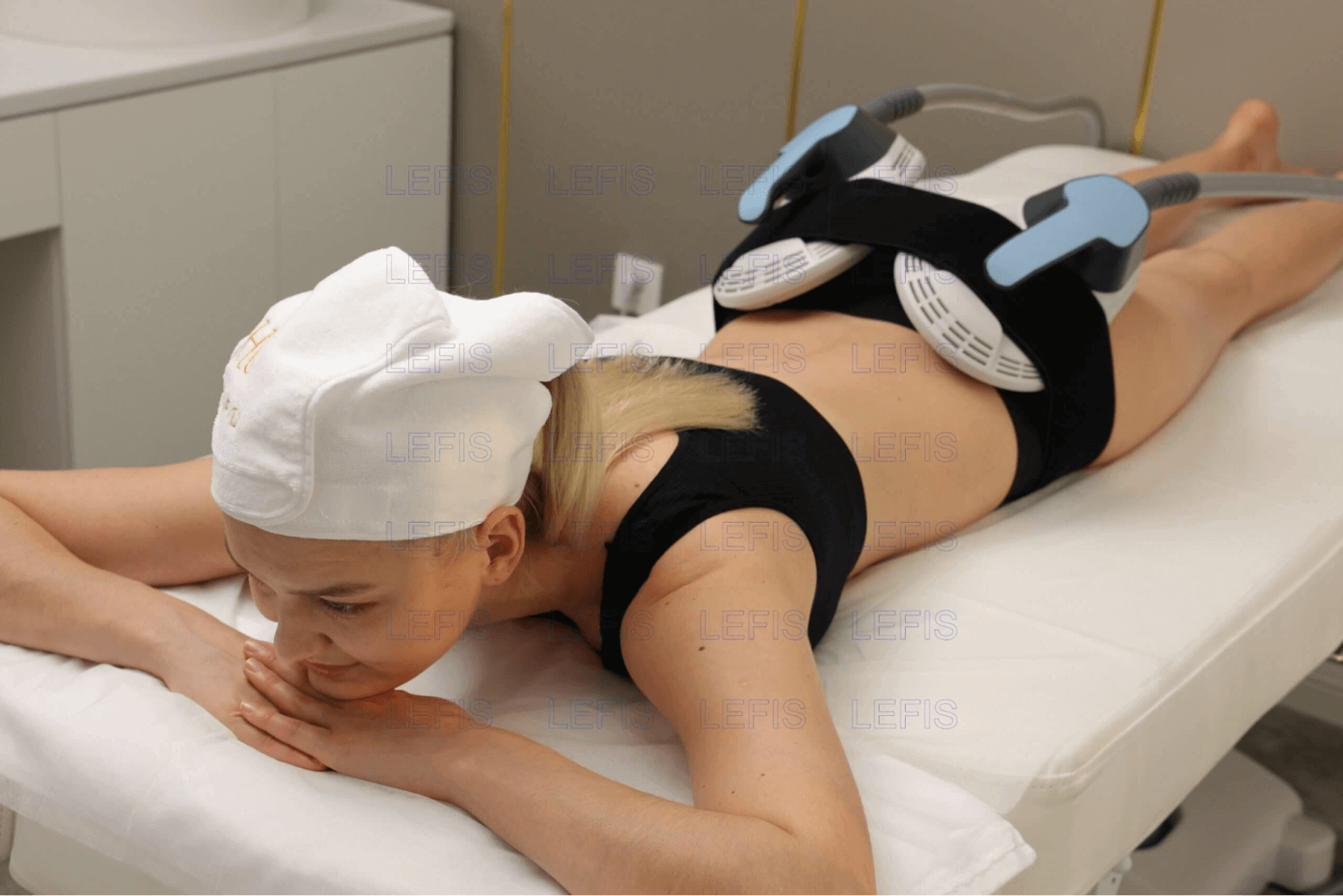
How to Use an EMS Muscle Stimulator for Effective Workouts: The Ultimate Guide
In the modern fitness world. We are constantly looking for the "edge" that extra 1% that helps us recover faster. tone deeper. and perform better. Enter Electrical Muscle Stimulation (EMS). Once a secret weapon hidden in the offices of elite physiotherapists and Olympic training centers. EMS technology is now accessible to everyone.
But with great power comes the need for a great plan. Strapping on an EMS device like a Lefis EMS system isn't just about "buzzing" your way to six-pack abs; it’s about understanding the science of neuromuscular activation.
In this comprehensive guide. We will break down exactly how to use EMS for maximum results. Whether your goal is muscle hypertrophy. fat loss support. or athletic recovery.
What exactly is EMS? (The Science of the Pulse)
The brain is the master controller of your muscles. When you want to lift a dumbbell. your brain sends an electrical signal through your central nervous system to the muscle fibers. telling them to contract.
EMS (Electrical Muscle Stimlation) acts as a "surrogate brain." It uses external electrodes to deliver low-frequency electrical impulses directly to the motor nerves.
Slow-Twitch vs. Fast-Twitch Recruitment
In a standard workout. your body usually recruits slow-twitch (endurance) fibers first. It only taps into fast-twitch (explosive) fibers when the load gets heavy. EMS is "non-selective." It can activate those depths. powerful fast-twitch fibers almost immediately. even at a resting state.
Using professional-grade equipment like Lefis EMS platforms. you can achieve up to 90% muscle fiber recruitment. compared to the 40–60% typically seen in a standard gym session.
Step-by-Step: How to Use Your EMS Device Effectively

Step 1: Preparation is Everything
Electrical current needs a clear path.
- Clean the Skin: Wipe the target area with a damp cloth or alcohol-free wipe. Body oils. lotions. and dead skin cells create "impedance." making the stimulation feel prickly rather than smooth.
- Check the Pads: Ensure your gel pads are tacky. If they are dry. the current won't distribute evenly. which can lead to "hot spots" or minor skin irritation.
Step 2: Strategic Pad Placement
Where you put the pads determines your success. You want to place the electrodes over the "Motor Point" , the part of the muscle where the nerve enters the tissue.
- Abdominals: Place pads on the upper and lower rectus abdominis. roughly two inches from the navel.
- Quadriceps: Place one pad at the top of the thigh and the other just above the knee on the "teardrop" muscle (VMO).
- Glutes: Position the pads on the fleshiest part of the muscle for maximum lift.
Step 3: Dialing in the Intensity
The most common mistake is "cranking it up" too fast.
- Start at Zero: Always turn the device on at the lowest setting.
- The "Firm Handshake" Rule: Increase the intensity until you feel strong. rhythmic contraction. It should feel like a firm squeeze. not sharp or painful. If your limb is jerking uncontrollably. turn it down.
Integrating EMS into Your Training Routine

EMS is a "supplement." not a total replacement for movement. Here is how to combine it with your lifestyle:
For Toning and Strength (Active EMS)
Don't just sit on the couch. Wear your EMS device while performing bodyweight exercises.
- The EMS Squat: Perform slow. controlled squats while the device is in "Training Mode." The external pulse plus your voluntary contraction creates a "double-hit" on the muscle fibers.
- The EMS Plank: Activate your core stimulator while holding a plank. This forces the deep transverse abdominis to fire. providing much better stability.
For Recovery (Post-Workout)
After a heavy leg day. your muscles are full of metabolic waste (lactic acid).
- Settings: Use a low frequency (10–25 Hz).
- Goal: This creates a "pumping" effect that flushes out waste and brings fresh. oxygenated blood to the area. significantly reducing Delayed Onset Muscle Soreness (DOMS).
Understanding the Settings: Hz. mA. and Pulse Width
If your device allows for manual adjustments. Keep these benchmarks in mind:
|
Goal |
Frequency (Hz) |
Duration |
Vibe |
|
Recovery |
5–20 Hz |
20 mins |
Gentle tapping/Massage |
|
Endurance |
20–50 Hz |
30 mins |
Rapid pulses |
|
Hypertrophy |
50–90 Hz |
15 mins |
Long. deep contractions |
|
Explosive Power |
100+ Hz |
10 mins |
Very intense. short bursts |
The Lefis Difference: Advanced EMS Technology
When using EMS for body contouring or professional athletic prep. The quality of the waveform matters. Cheap. battery-operated "belts" often use a jagged square wave that can feel uncomfortable.
Lefis EMS systems utilize a sophisticated system. stabilized wave pattern. This allows for deeper penetration into the muscle tissue without the "sting" on the skin surface. This professional-grade delivery is what allows for the 15-minute "shortcut" workouts that actually deliver visible muscle definition.
Safety First: Who Should Avoid EMS?
While EMS is incredibly safe for the general population. it is a powerful electrical tool.
- Contraindications: Do not use EMS if you have a pacemaker. are pregnant. or suffer from epilepsy.
- The "Heart Rule": Never place pads directly over the heart or the front of the neck (carotid sinus).
- Listen to Your Body: If a muscle feels strained or you feel a sharp "pulling" sensation. Stop the session immediately.
Results Timeline: What to Expect
- Week 1: Improved mind-muscle connection. You’ll feel "tighter" and more aware of your posture.
- Week 4: Visible increase in muscle tone and a reduction in the "softness" of the target area.
- Week 8+: Significant gains in functional strength and visible body contouring. especially when paired with a clean diet.
Conclusion
The most successful users of EMS are those who view it as a partner to their existing routine. By using an EMS Muscle Stimulator 3 times a week. you can "wake up" dormant muscles. accelerate your recovery. and break through plateaus that traditional lifting alone can't touch.
Frequently Asked Questions
Can EMS help me lose belly fat?
EMS is excellent for toning the muscle underneath the fat. While the contractions do burn some calories. EMS is most effective for "fat loss" when it is used to build muscle (which raises your resting metabolic rate) in combination with a healthy diet and cardio.
How many times a week should I use EMS?
For muscle building and toning. 3 to 4 times a week per muscle group is ideal. Just like traditional lifting. Your muscles need 48 hours of rest to repair and grow after an intense EMS session.
Does EMS hurt?
It shouldn't hurt. but it should feel "intense." You will feel a strong tingling sensation followed by a deep contraction. If you feel a biting or stinging sensation. It usually means your pads are dry or your skin needs cleaning.
Can I use EMS if I have metal implants?
If you have metal implants (like a hip replacement or pins) in the direct path of the electrical current. you should avoid using EMS in that specific area. Always consult your surgeon before using electrical stimulation near surgical sites.
What is the difference between TENS and EMS?
This is a common confusion! TENS (Transcutaneous Electrical Nerve Stimulation) is for pain relief because it confuses the pain signals going to your brain. EMS is for muscle work; it specifically targets the motor nerves to make the muscle move.
Do I need to apply gel to the pads?
Most modern EMS pads are "self-adhesive" and pre-gelled. However, if they lose their stickiness. You can apply a tiny drop of water or a specialized conductive gel to extend their life and improve the current flow.


Looking for something else?

Do Men Get Cellulite? Causes Differences & What to Know
LEARN MORE
Does Radio Frequency Skin Tightening Work? Results & How It Works
LEARN MORE
Do You Shave Before Laser Hair Removal? Prep Tips & Why It Matters
LEARN MORE
How to Get Rid of Age Spots: Treatments. Natural Remedies & Prevention
LEARN MORELooking for something else?
How to Heal Ingrown Hair: Causes. Treatments & Healing Time
LEARN MORE
How to Get Rid of Freckles: Effective Treatments & Natural Tips
LEARN MORE
Top 10 Picosecond Laser Machine Manufacturers for Clinics in 2026
LEARN MOREYou may also like


Further reading

Tattoo Removal Laser Machine Cost and Ownership Guide

CO2 Laser Treatment Room Setup Checklist

Aesthetic Machine Factory Acceptance Test Before Shipment


