

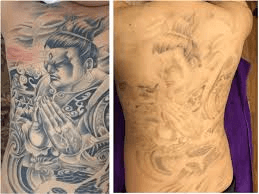
How Does Tattoo Removal Work? The Science of Shedding Your Past
Tattoos have evolved from rebellious symbols to mainstream self-expression. Yet. as our lives. careers. and tastes change. what once felt like a permanent part of our identity can become a source of "ink regret."
Fortunately. The days of aggressive skin-sanding (dermabrasion) and painful surgical excision are largely behind us. Modern laser technology. specifically Q-Switched Nd:YAG and Picosecond systems. has turned tattoo removal into a sophisticated one. predictable medical process.
In this guide. We'll dive into the bio-physics of how lasers "erase" ink and why high-end platforms like those from Lefis are making the process faster and safer than ever.
The Biological "Lock": Why Tattoos Are Permanent
To understand how to remove a tattoo. you must first understand why it stays. When an artist injects ink. They are depositing pigment into the dermis. second layer of your skin.
Your immune system actually tries to remove the ink the moment it’s injected. White blood cells (macrophages) rush to the area to "eat" the foreign pigment. However, tattoo ink particles are like giant boulders compared to the tiny white blood cells. The cells simply can't swallow the particles. so the ink stays trapped in the dermis. visible through the translucent epidermis.
The Solution: Photoacoustic Fragmentation

Laser tattoo removal doesn't "burn" the ink away. Instead. It uses a process called Selective Photothermolysis.
Shattering the Boulders
The laser emits incredibly fast. high-energy pulse of light. The ink particles absorb this light energy. which causes them to heat up and expand at an astronomical rate. This creates a photoacoustic shockwave that shatters the "boulders" of ink into "pebbles" or "sand."
The Natural Exit
Once the ink is shattered into microscopic fragments. your white blood cells can finally do their job. Over the 6 to 8 weeks following a session. Your lymphatic system carries these tiny particles to the liver. where they are processed and naturally eliminated from the body.
Different Lasers for Different Colors
Not all ink is created equal. Because color is determined by the wavelengths of light it reflects. the laser must use a specific wavelength to be absorbed by that color.
- 1064nm (Infrared): The "workhorse" wavelength. It is ideal for black and dark blue inks and is the safest for darker skin tones.
- 532nm (Green Light): Perfect for red. orange. and purple pigments.
- 755nm (Alexandrite): The gold standard for stubborn greens and light blues.
Advanced systems like the Lefis X808N or Picosecond platforms often combine these wavelengths. allowing clinicians to treat multi-colored. professional tattoos with a single machine.
Nanosecond vs. Picosecond: The Speed Revolution

-
In the past. Q-Switched (Nanosecond) lasers were the only option. They deliver pulses in billionths of a second. While effective. They rely heavily on heat to break up ink.
Picosecond technology (used in premium Lefis devices) delivers pulses in trillionths of a second. This speed is so high that it shatters ink through pure mechanical vibration rather than heat.
- The Benefit: Less heat means less risk of scarring. less pain. and most importantly fewer sessions. Tattoos that used to take 15 sessions can often be cleared in 6 to 8 with Picosecond tech.
What to Expect During the Process
The "Frosting" Effect
Seconds after the laser hits the skin. a white. A chalky substance called "frosting" appears. This is a great sign! It’s actually just carbon dioxide gas being released as the laser interacts with the pigment. It disappears within minutes but confirms the laser has successfully hit its target.
The Sensation
It’s often described as a "heavy rubber band snap" or the sensation of hot grease splashing on the skin. While intense. sessions are usually very short. A small tattoo can be treated in under 60 seconds.
Factors That Determine Your Timeline
No two removals are the same. Clinicians often use the Kirby-Desai Scale to estimate how many sessions you’ll need based on:
- Skin Type: Lighter skin usually requires fewer sessions.
- Location: Tattoos closer to the heart (where blood flow is high) fade faster than those on ankles or fingers.
- Ink Density: Professional tattoos have more ink and take longer than amateur "stick-and-pokes."
- Scarring: If the original tattoo was applied too deeply and caused scarring. The ink can be harder to reach.
Professional Aftercare: The Key to Success
The laser does 50% of the work; your body does the other 50%. To ensure the best results:
- Hydrate: Water helps the lymphatic system flush out the ink.
- Don't Smoke: Smoking constricts blood vessels and can slow down the removal process by as much as 70%.
- Sun Protection: Keep the area covered. A tan increases the melanin in your skin. which can cause the laser to target your skin pigment instead of the ink.
Why Choose Lefis Technology for Removal?
For clinic owners and patients alike. The equipment is the most critical variable. Lefis laser systems are engineered for:
- Precision: Targeted spot sizes (1-8mm) to avoid damaging un-inked skin.
- Comfort: Air-and-water hybrid cooling systems that manage the heat immediately.
- Versatility: Multiple wavelengths to handle everything from coal-black tribal pieces to bright red roses.
Frequently Asked Questions
Can a tattoo be 100% removed?
In many cases. yes. Most tattoos can achieve 95% to 100% clearance. However, some are modern. high-fluorescence "neon" inks can be incredibly stubborn. A "ghost image" (a very faint shadow) is occasionally left behind. But this is usually only visible under intense light.
Why do I have to wait 8 weeks between sessions?
It takes time for your immune system to haul away the shattered ink. If you treat the area again too soon. you’re just hitting ink that hasn't been cleared yet, which increases the risk of skin damage without speeding up the results.
Does tattoo removal cause scarring?
With modern Q-Switched and Picosecond lasers. the risk of scarring is less than 2%. Scarring usually happens if the patient picks at scabs or if the original tattoo artist caused scarring during the application process.
Is the ink toxic when it's broken down?
The body is highly efficient at processing the tiny amount of pigment released during a session. Most tattoo inks are made of minerals and carbon. which the liver and kidneys handle as standard waste.
Can I get a new tattoo over a removed one?
Absolutely! Many people use laser removal for "lightening" or a "cover-up" project. Usually. 3 to 4 sessions are enough to fade an old piece so a new artist has a clean canvas to work on.
Is laser removal safer than "removal creams"?
Significantly. Most "tattoo removal creams" use harsh acids that attempt to burn the skin. These rarely reach the dermis where the ink lives and often result in chemical burns and permanent scarring without actually removing the tattoo.


Looking for something else?

Do Men Get Cellulite? Causes Differences & What to Know
LEARN MORE
Does Radio Frequency Skin Tightening Work? Results & How It Works
LEARN MORE
Do You Shave Before Laser Hair Removal? Prep Tips & Why It Matters
LEARN MORE
How to Get Rid of Age Spots: Treatments. Natural Remedies & Prevention
LEARN MORELooking for something else?
How to Heal Ingrown Hair: Causes. Treatments & Healing Time
LEARN MORE
How to Get Rid of Freckles: Effective Treatments & Natural Tips
LEARN MORE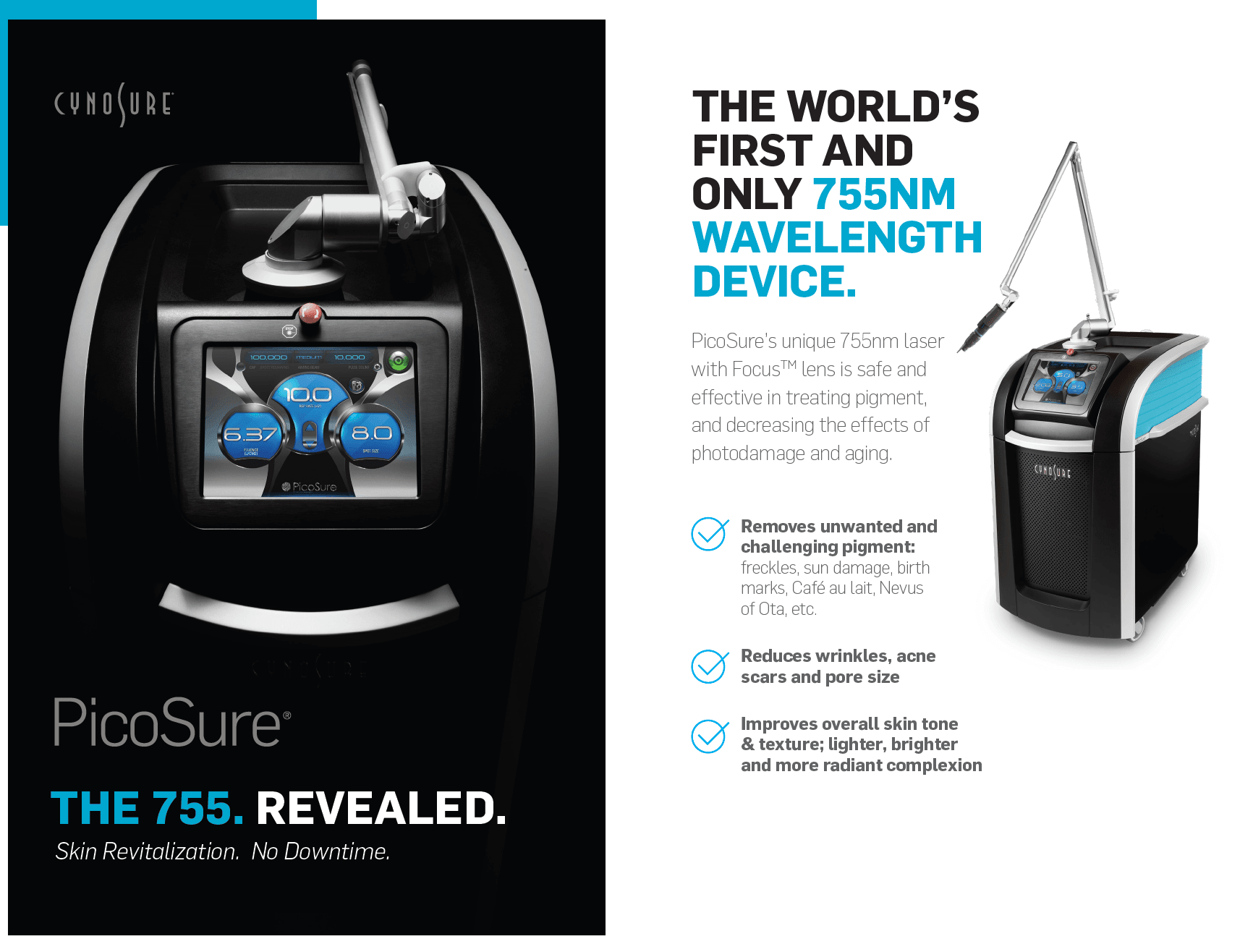
Top 10 Picosecond Laser Machine Manufacturers for Clinics in 2026
LEARN MOREYou may also like


Further reading

Tattoo Removal Laser Machine Cost and Ownership Guide

CO2 Laser Treatment Room Setup Checklist

Aesthetic Machine Factory Acceptance Test Before Shipment


