

Does Tattoo Removal Leave Scars? Truth, Risks & Recovery
If you’re considering removing a tattoo, it’s natural to wonder: does tattoo removal leave scars? After all, older removal methods like dermabrasion or surgical excision often caused visible skin damage.
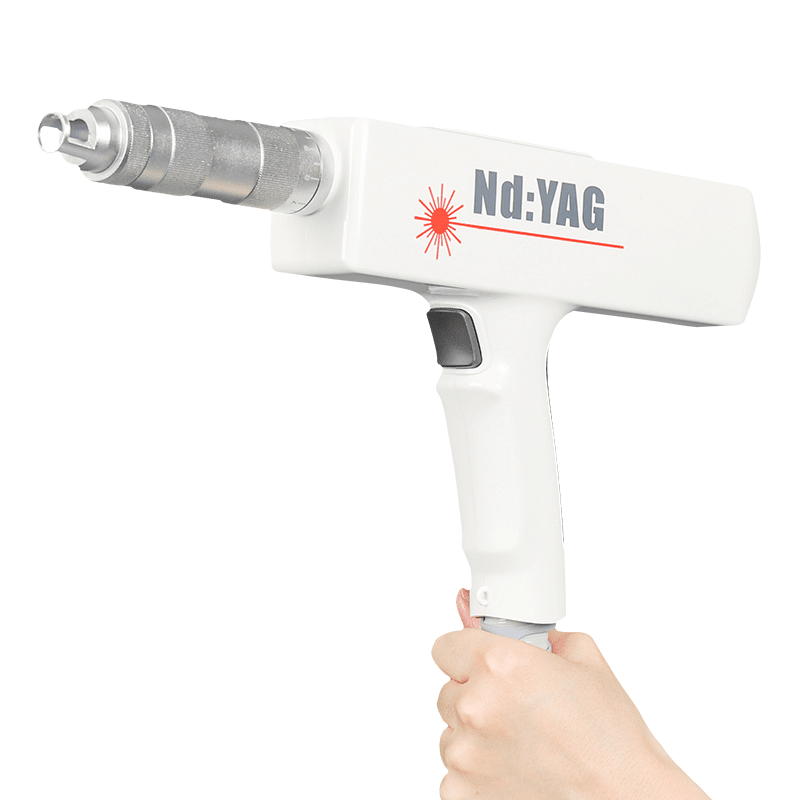
Today, thanks to Q-Switched Nd:YAG laser technology, tattoo removal is safer, gentler, and far less likely to scar. But good outcomes depend on proper technique, device choice, and aftercare.
This complete guide explains how modern laser tattoo removal works, what affects scarring risk, and how to care for your skin so it heals flawlessly.
Why Scarring Was Common in the Past
Before lasers became standard, tattoo removal relied on highly abrasive or chemical methods:
- Dermabrasion: sanded away layers of skin, leaving long healing times and uneven texture.
- Salabrasion: rubbed salt into abraded skin, causing burns and infection.
- Surgical Excision: physically cut out tattooed tissue, guaranteeing permanent scars.
These destructive approaches removed pigment by damaging the surrounding tissue. Lasers changed everything.
How Modern Laser Tattoo Removal Prevents Scars

The key innovation in safe tattoo removal came with the development of selective photothermolysis, which means using laser energy to target specific pigments while sparing healthy tissue.
Step-by-Step: How It Works
- Light pulses penetrate skin without cutting or burning.
- Pigment particles absorb energy, breaking into microscopic fragments.
- The body’s immune system clears the debris naturally over several weeks.
- Surrounding skin stays intact, leaving no structural damage.
When performed with certified Q-Switched Nd:YAG lasers, such as the Lefis X808N, the risk of permanent scarring is extremely low.
The Science of the Lefis Q-Switched Nd:YAG Laser
The X808N Q-Switched Nd:YAG is engineered for safe pigment removal using ultra-short pulse durations (~6 nanoseconds).
Key Technical Data
|
Parameter |
Specification |
|
Wavelengths |
532 nm & 1064 nm (+1320 nm carbon peel mode) |
|
Pulse Width |
6 ns |
|
Energy Output |
Up to 2000 mJ |
|
Spot Size |
1–8 mm adjustable |
|
Cooling System |
Air + Water hybrid |
|
Interface |
15” color LCD touchscreen |
Why It Matters
- Selective pigment targeting prevents overheating of epidermal tissue.
- Dual wavelengths treat multi-colored tattoos safely (dark & bright pigments).
- Integrated cooling maintains constant skin temperature, reducing burns and inflammation.
Possible Causes of Scarring After Tattoo Removal

Even with advanced lasers, scarring can occur under certain conditions, usually because of improper aftercare or excessive energy settings, not the laser itself.
Over-Treatment or High Energy Output
If the operator uses excessive fluence or repeats passes on the same area too quickly, heat may build up and injure tissue.
Infection After Treatment
Failing to keep the treated area clean or picking scabs introduces bacteria, which can delay healing and form raised scars.
Pre-Existing Skin Sensitivity
Conditions like eczema or keloid-prone skin can influence how tissue repairs itself.
Sun Exposure Too Soon
UV rays on healing skin cause post-inflammatory hyperpigmentation (dark marks that may mimic scars).
Old or Low-Quality Devices
Older lasers or cheap imitation units often lack proper wavelength control, leading to excessive thermal injury.
What Scarring Actually Looks Like
Most post-laser “scars” aren’t true scars, they're temporary pigmentation changes that fade within weeks.
|
Appearance |
Likely Cause |
Duration |
|
Light redness & dryness |
Normal healing response |
1–3 days |
|
Brown spots / darker patches |
Mild hyperpigmentation |
2–6 weeks |
|
Raised pink tissue |
Overheating or picking scabs |
May last 3 months |
|
White or shiny areas |
Hypopigmentation (melanin loss) |
Often reversible |
True hypertrophic or keloid scarring is extremely rare (<1 %) when using certified lasers operated by trained professionals.
Risk Comparison: Laser vs. Traditional Methods
|
Method |
Scarring Risk |
Recovery Time |
Effectiveness |
|
Dermabrasion / Excision |
Very High |
2–3 months |
Partial |
|
Chemical Peel / Acid |
High |
3–6 weeks |
Inconsistent |
|
IPL (Intense Pulsed Light) |
Moderate |
1–2 weeks |
Limited pigment targeting |
|
Q-Switched Nd:YAG (Lefis) |
Very Low |
5–7 days |
Excellent multi-color clearance |
Laser technology remains the safest, most efficient option for permanent tattoo removal with minimal scarring risk.
Recovery and Aftercare: Your Role in Scar Prevention
Proper aftercare is critical to ensure skin heals smoothly.
Immediately After Treatment
- Apply cold compress for 10–15 minutes.
- Use a thin layer of antibiotic ointment or medical-grade aloe gel.
- Cover the area lightly with sterile gauze if friction is possible.
During the First Week
- Keep the area clean and dry; cleanse gently with mild soap.
- Avoid scratching or picking scabs.
- Reapply soothing ointment twice daily.
- Skip makeup, perfume, or lotions on treated zones.
Long-Term (2–4 weeks)
- Avoid sun exposure and tanning beds; apply SPF 50+ when outdoors.
- Stay hydrated and eat foods rich in vitamin C to support collagen synthesis.
- Wait 6–8 weeks before the next session to allow full recovery.
How the X808N Laser Minimizes Healing Time
The Lefis X808N is engineered for shorter downtime and gentler recovery:
- Photo-acoustic fragmentation (not photothermal burn) shatters pigment mechanically.
- Air + Water cooling keeps epidermal temperature below 40 °C.
- Even energy distribution prevents micro-blistering.
- Precision spot control (1–8 mm) avoids overtreatment.
Patients typically resume normal routines within 24–48 hours and see complete surface recovery in under a week.
Additional Benefits of Nd:YAG Laser Systems
Beyond tattoo clearance, the same technology also treats:
- Pigmented lesions (age spots, freckles).
- Post-acne scars and enlarged pores using 1320 nm carbon peel mode.
- Skin rejuvenation, stimulating collagen production and smoother texture.
Clinics using the Lefis platform gain multi-purpose functionality with a single investment.
Safety Certifications and Clinical Assurance
The Lefis X808N meets strict global quality and safety standards:
- FDA, CE, and ISO 13485 certified.
- Built with imported laser lamps and rods for stable beam quality.
- Verified by China’s National Institute of Metrology for electrical safety and energy accuracy.
- Backed by a two-year warranty and lifelong maintenance support.
These certifications ensure the device operates within medically safe parameters, drastically lowering the risk of scarring or complications.
Typical Healing Timeline
|
Timeframe |
Skin Response |
Care Tips |
|
Day 1–2 |
Redness, warmth, mild swelling |
Cool compress, aloe gel |
|
Day 3–5 |
Light scabbing / flaking |
Don’t pick; gentle cleansing |
|
Day 6–10 |
Scabs fall; skin slightly pink |
SPF 50+, moisturizer |
|
2–6 weeks |
New collagen forms |
Continue sunscreen, hydration |
|
6–8 weeks |
Ready for next session |
Consult technician |
Following this schedule ensures smooth texture and uniform tone after every treatment.
How to Tell If You’re at Risk for Scarring
You may be more prone to pigmentation or scarring if you:
- Have a history of keloids or hypertrophic scars.
- Are taking photosensitizing medications.
- Have recently tanned or have active sunburn.
- Suffer from uncontrolled diabetes or poor wound healing.
A qualified clinician will perform a patch test and adjust energy levels before full treatment to ensure safety.
Can Scars from Old Tattoo Removal Be Treated?
Yes. Even if scarring occurred from older methods, new lasers can help resurface and remodel damaged skin.
The 1320 nm rejuvenation wavelength of the Lefis X808N stimulates collagen remodeling, gradually softening scar tissue and improving tone.
Combining laser therapy with microneedling or RF systems further enhances skin texture repair.
Expert Tips to Avoid Scarring
- Choose a certified clinic using FDA/CE-approved lasers.
- Follow all aftercare especially avoiding sun and scratching.
- Keep skin moisturized to support barrier repair.
- Do not overlap sessions too closely; allow 6–8 weeks of recovery.
- Report unusual symptoms early (blisters, prolonged redness).
Consistency between professional treatment and personal care ensures scar-free, even-toned results.
Comparison: Nd:YAG vs. Picosecond Lasers
|
Aspect |
Q-Switched Nd:YAG |
Picosecond Laser |
|
Pulse Speed |
6 ns |
300–600 ps |
|
Effect |
Photo-thermal + photo-acoustic |
Pure photo-acoustic |
|
Pain Level |
Mild warmth |
Slightly less |
|
Scarring Risk |
Very Low |
Minimal |
|
Best For |
Black, dark inks |
Green, blue, multi-color inks |
Both technologies are safe when properly calibrated, but the Q-Switched Nd:YAG remains the global standard for scar-free tattoo removal.
Cost and Efficiency Overview
Because multiple sessions are required, clients often worry about total expenses. However, fewer complications mean less corrective cost.
Lefis devices provide:
- Faster fading (reducing total sessions by 20 %).
- Lower pain, eliminating downtime from burns or blisters.
- Long service life (up to 20 million shots), improving clinic ROI.
Frequently Asked Questions
Does laser tattoo removal leave scars?
When performed with certified Q-Switched or Picosecond lasers, scarring is extremely rare. Temporary redness or slight texture changes fade within weeks.
What increases the risk of scarring?
Poor aftercare, sun exposure, or aggressive settings can cause irritation or pigment imbalance but not true scars if skin is cared for properly.
Is the Lefis X808N safe for dark skin?
Yes. The 1064 nm wavelength targets pigment safely in darker tones with minimal risk of hypopigmentation.
How long does healing take?
Most redness disappears within 24–48 hours; full epidermal recovery takes about one week.
Can scarring occur after multiple treatments?
Not if proper spacing (6–8 weeks) and cooling are maintained. Each session should respect the skin’s natural regeneration cycle.
How can I prevent scars after tattoo removal?
Follow all aftercare: avoid UV exposure, don’t pick scabs, keep the area clean, and moisturize daily.
Can existing scars from old tattoo removal be improved?
Yes. Newer lasers like Lefis X808N and fractional RF microneedling can remodel old scar tissue and even skin tone.
Are there any permanent side effects?
With advanced systems, long-term side effects are virtually nonexistent. Temporary pigment changes resolve over time.
Conclusion
So, does tattoo removal leave scars? With modern Q-Switched Nd:YAG laser technology, the answer is now when performed correctly.
Scarring today is rare and preventable, thanks to selective photothermolysis, advanced cooling, and controlled energy delivery. The Lefis X808N system represents this precision, perfectly removing tattoos efficiently while preserving skin integrity.
Ultimately, achieving clear, scar-free skin depends on three pillars:
- Choosing certified technology like Lefis.
- Working with trained professionals.
- Following meticulous aftercare.
With the right approach, tattoo removal doesn’t just erase inkit restores your confidence, leaving nothing behind but healthy, renewed skin.


Looking for something else?

Do Men Get Cellulite? Causes Differences & What to Know
LEARN MORE
Does Radio Frequency Skin Tightening Work? Results & How It Works
LEARN MORE
Do You Shave Before Laser Hair Removal? Prep Tips & Why It Matters
LEARN MORE
How to Get Rid of Age Spots: Treatments. Natural Remedies & Prevention
LEARN MORELooking for something else?
How to Heal Ingrown Hair: Causes. Treatments & Healing Time
LEARN MORE
How to Get Rid of Freckles: Effective Treatments & Natural Tips
LEARN MORE
Top 10 Picosecond Laser Machine Manufacturers for Clinics in 2026
LEARN MORE

Further reading

Tattoo Removal Laser Machine Cost and Ownership Guide

CO2 Laser Treatment Room Setup Checklist

Aesthetic Machine Factory Acceptance Test Before Shipment


