

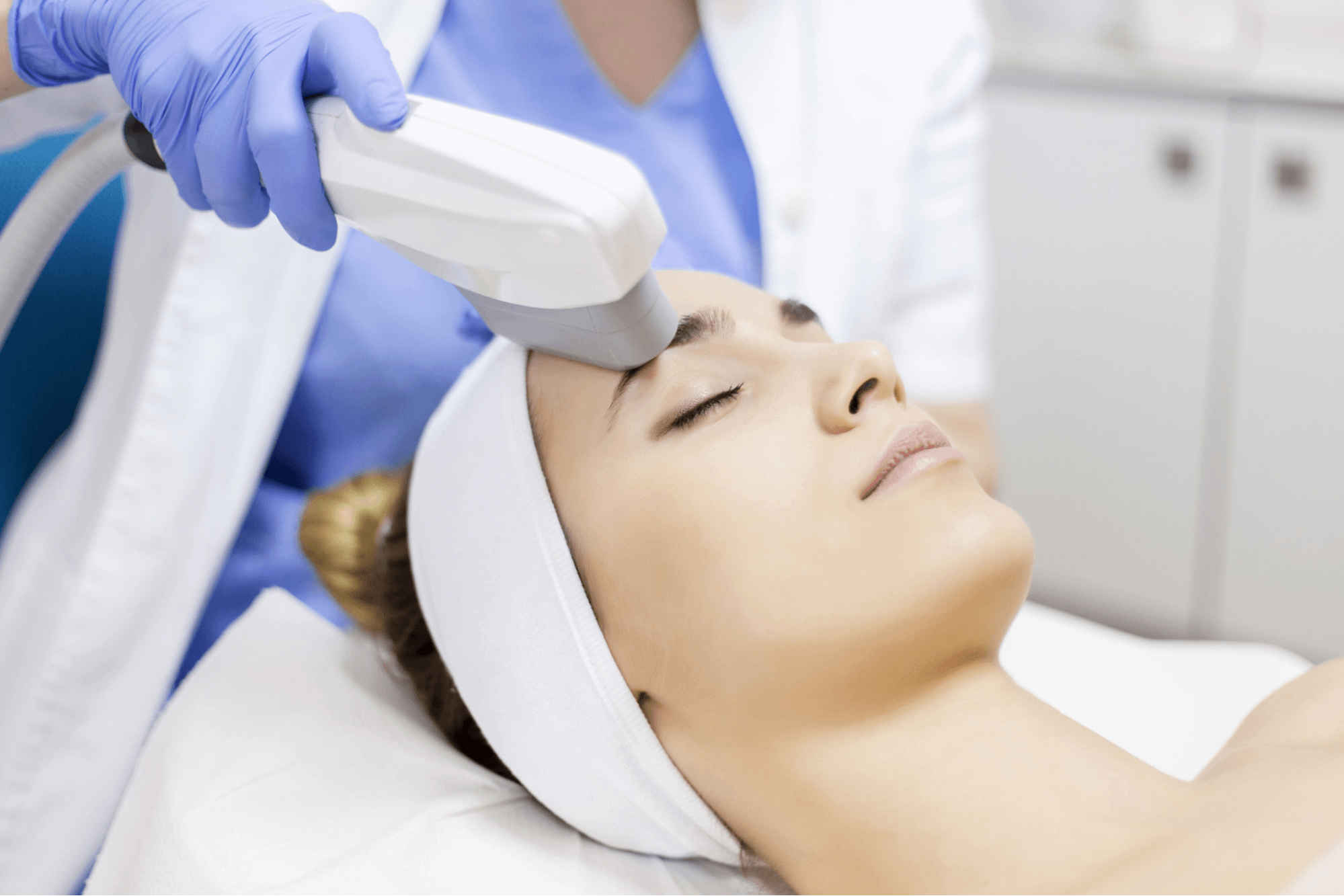
How to Get Rid of Freckles: Effective Treatments & Natural Tips
Freckles are small. flat clusters of pigmentation that appear on the skin. most commonly on the face. neck. and chest. While many embrace them as a "sun-kissed" beauty trend, others seek ways to diminish their appearance for a more uniform complexion. While you cannot permanently alter your genetics. modern aesthetic technology and natural care can significantly lighten these spots.
What Are Freckles?
Freckles. scientifically known as ephelides, are concentrated specks of melanin. Melanin is the pigment produced by skin cells called melanocytes to protect your skin from ultraviolet (UV) radiation. When exposed to the sun. These cells go into overdrive. causing freckles to become darker and more prominent.
Common Causes of Freckles
- Sun Exposure: UV rays are the primary trigger. This is why "sun freckles" often fade in winter and darken in summer.
- Genetics: If your parents have freckles. you likely carry the MC1R gene. which dictates how your skin reacts to UV light.
- Hormonal Changes: Fluctuations in hormones can sometimes lead to increased pigmentation. similar to melasma.
Types of Freckles
- Ephelides: The classic flat. tan. or red spots that fade during winter.
- Lentigines (Solar Lentigos): Often called age spots or liver spots. These are caused by years of sun exposure and do not fade with the seasons.
- Eye Freckles (Nevus): These are pigmented growths on the surface of the eye. Note: You should never attempt to treat eye freckles naturally; always consult an ophthalmologist.
Understanding Freckles: The Science Behind Pigmentation
Freckles, medically known as ephelides, are caused by the overproduction of melanin, the pigment responsible for the color of our skin, hair, and eyes. Melanin serves as a natural shield against ultraviolet (UV) radiation, absorbing harmful rays and preventing cellular damage.
However, in some individuals, melanocytes the cells responsible for producing melanin become overactive in response to sun exposure or hormonal changes, resulting in the formation of freckles.
Melanin Types and Freckle Formation
There are two main types of melanin in the skin:
- Eumelanin: Dark brown or black pigment that provides strong protection against UV damage.
- Pheomelanin: Yellow-red pigment, less effective at blocking UV, often seen in individuals with fair skin and red hair.
How to Get Rid of Freckles: Professional Treatments

For those looking for faster. more dramatic results than topical creams can provide clinical energy-based devices are the gold standard.
Laser Treatments (The Most Effective Method)
Laser technology uses focused light to shatter pigment particles.
- Q-Switched Nd:YAG Laser: Specifically designed for pigmented lesions, this laser "shatters" the melanin so the body can naturally process it.
- Diode Laser & IPL: While often used for hair removal. specialized Dide Laser platforms and Intense Pulsed Light (IPL) devices are highly effective at targeting sun freckles by heating the pigment until it flakes off.
- Picosecond Lasers: These deliver energy in ultra-short bursts. making them safer for a wider range of skin tones.
Professional treatments are the most reliable way to significantly reduce or remove freckles. Clinics often prefer laser or energy-based solutions due to their precision, safety, and speed of results.
Laser Treatments: Precision Targeting of Pigment
Laser technology targets melanin with concentrated light energy, breaking down pigmentation so the body can naturally eliminate it. Several laser types are used in freckle removal:
|
Laser Type |
How It Works |
Best For |
Session Notes |
|
Q-Switched Nd:YAG |
Delivers high-intensity pulses that break melanin particles. |
Ephelides, lentigines, darker skin |
3–5 sessions, minimal downtime |
|
Diode Laser & IPL |
Heat-based light targets surface pigmentation. |
Sun freckles, widespread lentigines |
Adjustable pulse settings for various skin types |
|
Picosecond Lasers |
Ultra-short pulses for precise targeting |
All freckle types, especially stubborn spots |
Reduced risk of post-inflammatory hyperpigmentation |
Why Lefis Laser Stands Out
Lefis Electronics provides medical-grade Diode Laser and Q-Switched Nd:YAG systems, designed for optimal pigment clearance:
- Selective Photothermolysis: Wavelengths focus energy exclusively on pigmented cells.
- Integrated Cooling Systems: Protect sensitive epidermis and improve patient comfort.
- Customizable Pulse Duration: Adaptable for Fitzpatrick skin types I–VI.
The Role of Advanced Technology: Why Lefis Systems Excel

When addressing stubborn pigmentation like "sun freckles" or deep-seated lentigines. The quality of the equipment is the deciding factor between a mediocre result and a clear complexion. Lefis Electronics specializes in high-precision medical aesthetics that target melanin without harming the surrounding tissue.
- Selective Photothermolysis: Our Diode Laser and Q-Switched Nd:YAG systems utilize specific wavelengths that are absorbed only by the pigmented cells. This ensures that the energy focuses entirely on breaking down the freckle. resulting in faster clearance and shorter recovery times.
- Integrated Cooling Systems: One of the biggest hurdles in pigmentation treatment is heat management. Lefis devices feature advanced contact cooling to protect the epidermis. making the process comfortable even for those with sensitive skin on the face or chest.
- Versatility: Whether you are treating light ephelides or darker. age-related sun spots, our systems offer adjustable pulse durations to customize the treatment for every skin type (Fitzpatrick I-VI).
Post-Treatment Care: Maintaining Your Results
Removing freckles is only half the battle; preventing their return is the other. Once you have undergone a professional laser or chemical treatment. your skin is in a "vulnerable" state where it can easily hyper-pigment if not cared for correctly.
- The 48-Hour Rule: Avoid all direct heat. including saunas. hot showers. and intense exercise. for at least 48 hours. Heat can trigger inflammation. which may lead to post-inflammatory hyperpigmentation (PIH).
- Double Down on Antioxidants: Pair your sunscreen with a Vitamin C or Ferulic Acid serum. These antioxidants neutralize free radicals generated by UV light that a sunscreen might miss. providing a double layer of defense against new freckle formation.
- Moisture Barrier Repair: Laser treatments temporarily "disrupt" the skin barrier. Use products containing ceramides or hyaluronic acid to lock in moisture and speed up the cellular turnover process that brings fresh. clear skin to the surface.
- Avoid Physical Scrubs: For at least one week post-treatment. skip the walnut scrubs or loofahs. Let the treated freckles flake off naturally to avoid scarring or uneven tone.
Personalized Freckle Treatment Plans: Why One Size Doesn’t Fit All
Freckles may look simple on the surface, but their depth, color, and distribution vary widely, meaning effective treatment requires a personalized approach. For aesthetic clinics, understanding these nuances is critical to achieving optimal patient outcomes.
Assessing Freckle Characteristics
- Depth of Pigmentation
- Superficial freckles respond well to chemical peels, IPL, or gentle lasers.
- Deep-seated lentigines often require Q-Switched Nd:YAG or Picosecond lasers for complete clearance.
- Color and Density
- Light brown freckles can sometimes be managed with topical agents and sun protection.
- Darker spots or clusters often need energy-based devices to target concentrated melanin safely.
- Skin Type Considerations
- Fitzpatrick I–III skin: More tolerant to chemical peels and IPL.
- Fitzpatrick IV–VI skin: Requires longer wavelengths (e.g., 1064nm Nd:YAG) to prevent hyperpigmentation.
Creating a Stepwise Treatment Plan
A professional clinic can structure freckle removal in three phases:
- Assessment & Mapping – Documenting freckle types, sun damage, and skin sensitivity.
- Treatment Selection – Matching laser type, chemical peel strength, or microdermabrasion intensity to individual needs.
- Maintenance & Prevention – Post-treatment care, sunscreen application, and follow-up sessions to prevent recurrence.
Role of Lefis Systems in Personalization
Lefis Laser platforms allow clinicians to adjust pulse durations, spot sizes, and wavelengths according to the patient’s unique skin profile. This ensures:
- Maximum pigment clearance with minimal downtime.
- Safe treatment across all skin types.
- Flexible options to combine treatments (e.g., laser + chemical peel) for stubborn freckles.
Prevention: The Best Strategy Against Freckles
Prevention is critical, even after treatment:
- Daily Broad-Spectrum Sunscreen (SPF 50+)
- UPF Clothing & Wide-Brimmed Hats
- Avoid Peak Sun Hours (10 AM–4 PM)
- Antioxidant-Rich Diet: Vitamins C, E, and polyphenols help fight free radical damage.
- Regular Skin Checks: Early detection of new pigmentation can prevent worsening.
Post-Treatment Care: Protecting Your Results
After laser or chemical treatments, the skin is highly sensitive:
- 48-Hour Rule: Avoid saunas, hot showers, or intense exercise.
- Moisture Barrier Repair: Use ceramide or hyaluronic acid serums.
- Antioxidants: Vitamin C or Ferulic Acid serums help neutralize residual free radicals.
- Avoid Physical Scrubs: Let treated freckles flake off naturally to prevent scarring.
Frequently Asked Questions
Can freckles be removed permanently?
Treatments can fade them to the point of invisibility. but new freckles can appear if the skin is exposed to the sun again without protection.
Is laser treatment safe for dark skin?
Yes. but it requires specific wavelengths like the Nd:YAG (1064nm) to avoid damaging the surrounding skin. Always consult a professional.
How long does it take to see results from laser?
Many see a difference after just one session, though 3-5 sessions are typically recommended for full clearance.
Are "eye freckles" dangerous?
Most are harmless. but any new spot in the eye should be checked by a doctor to rule out ocular melanoma.
Conclusion
Whether you choose advanced Lefis Laser technology or consistent natural remedies, the key to clear skin is sun protection. Lightening freckles is a journey of repair and protection.


Looking for something else?

Do Men Get Cellulite? Causes Differences & What to Know
LEARN MORE
Does Radio Frequency Skin Tightening Work? Results & How It Works
LEARN MORE
Do You Shave Before Laser Hair Removal? Prep Tips & Why It Matters
LEARN MORE
How to Get Rid of Age Spots: Treatments. Natural Remedies & Prevention
LEARN MORELooking for something else?
How to Heal Ingrown Hair: Causes. Treatments & Healing Time
LEARN MORE
How to Get Rid of Freckles: Effective Treatments & Natural Tips
LEARN MORE
Top 10 Picosecond Laser Machine Manufacturers for Clinics in 2026
LEARN MOREYou may also like


Further reading

Tattoo Removal Laser Machine Cost and Ownership Guide

CO2 Laser Treatment Room Setup Checklist

Aesthetic Machine Factory Acceptance Test Before Shipment


