

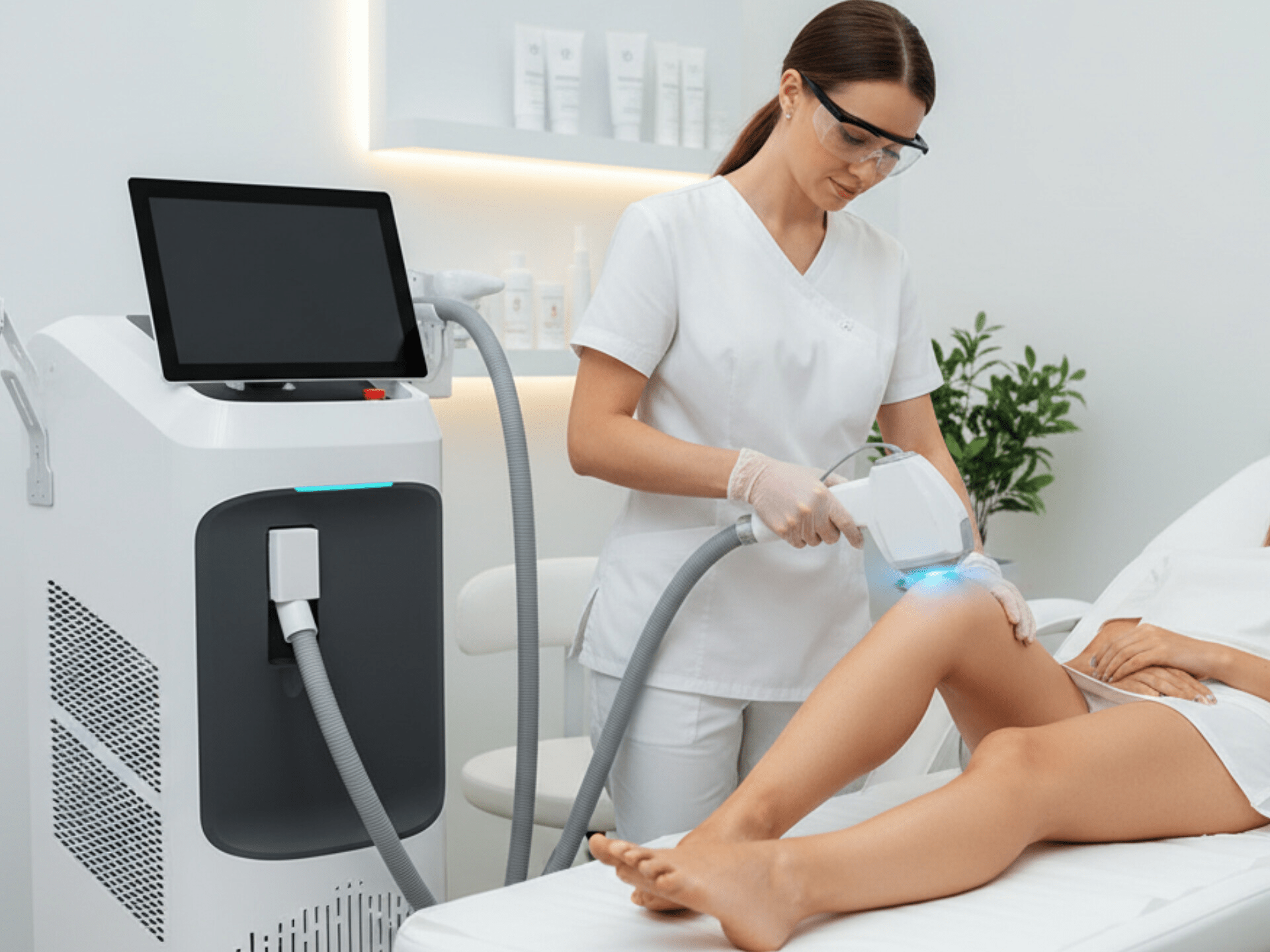
Top 11 Diode Laser Manufacturers for Professional Hair Removal Equipment
Rach Meyer (not real name) wrote to us earlier this year that she had bought a diode laser hair removal machine from a B2B marketplace, for her clinic. She got it for $7,800, although the spec sheet looked similar to the $40,000 platform she had quoted from a Western brand. Same 808nm wavelength. Same advertised peak power. Same “30 million shot” tube life. After seven months of treatments, the diode bars degraded and the platform dropped to half-power. The supplier had no replacement parts in the region. The platform sat unused for four months before being scrapped.
The problem was not visible on the spec sheet. The cheaper platform used generic Chinese diode bars instead of DILAS or Coherent-grade bars. The cooling unit used a single-loop water chiller instead of dual-loop sapphire contact. The build quality looked the same in photos. The performance did not survive a year of clinical use.
This is the most common failure mode in diode laser purchasing in 2026. Diode laser machines look similar in marketing photos and spec brochures. They differ massively in diode bar grade, cooling architecture, power stability, certifications, service network, and total cost of ownership. The wrong choice doesn’t just cost the capital purchase price — it costs months of clinic revenue, patient trust, and the reputation that took years to build.
This guide is for clinic buyers, distributors, and OEM/ODM partners evaluating diode laser hair removal equipment. We score eleven manufacturers on weighted criteria, publish per-criterion scores, and tell you where LEFIS fits and where it does not.
What Is a Diode Laser Hair Removal Machine Manufacturer for Clinics?
The phrase “diode laser manufacturer” covers four different business types — and clinic buyers regularly confuse them, which leads to wrong-product purchasing. Knowing which category of manufacturer you are dealing with determines what they will sell you, what they will support, and what they will not.
|
TYPE
|
WHAT THEY MAKE
|
BUYER TYPE
|
RELEVANCE TO CLINICS
|
|
Laser diode component maker
|
Laser bars, stacks, modules (DILAS, Coherent, HERAEUS)
|
Device brands, system integrators
|
Important upstream supplier but not a direct clinic vendor
|
|
Industrial diode laser maker
|
High-power industrial systems (Laserline, Leonardo)
|
Factories, material processing firms
|
Not for hair removal — these are 15–30 kW systems for welding and cutting
|
|
Aesthetic diode laser manufacturer
|
Complete hair removal machines (Alma, Lumenis, LEFIS)
|
Clinics, medspas, distributors
|
Most relevant — this is what clinic buyers actually need
|
|
OEM/ODM beauty device maker
|
Private-label diode systems (LEFIS, several others)
|
Brands, distributors, clinic chains
|
Useful for business expansion and private-label growth
|
This article ranks the third category — aesthetic diode laser manufacturers that build complete hair removal platforms for clinical use. The list functions as a buyer's reference to the top diode laser hair removal machine manufacturers for professional clinics in 2026. Several of the ranked brands also offer the fourth category (OEM/ODM private-label support), which matters significantly for distributors and clinic groups building their own brand.
How Diode Laser Hair Removal Works
Diode laser hair removal works through selective photothermolysis — the principle that specific light wavelengths can target chromophores (melanin, in this case) without significantly damaging surrounding tissue. The laser energy is absorbed by melanin in the hair follicle, converts to heat, and damages the follicle’s growth structures so future hair production drops. Multiple sessions catch follicles in different phases of the hair growth cycle.
Diode lasers dominate professional hair removal because they balance three things competing technologies struggle to balance simultaneously: wavelength penetration depth that reaches the follicle, melanin absorption that targets pigment, and large-area treatment economics that make high-volume clinic work profitable. Alexandrite is faster on lighter skin but riskier on dark skin. Nd:YAG is safer on dark skin but slower per pulse. Diode sits in the middle and handles broader patient demographics through one platform.
Common Diode Laser Wavelengths
|
WAVELENGTH
|
MAIN ROLE
|
BEST USE CASE
|
CLINIC NOTE
|
|
755nm
|
Shallow melanin targeting
|
Fine hair on lighter skin types
|
Needs careful settings on Fitzpatrick IV–VI
|
|
808/810nm
|
Core diode hair removal wavelength
|
General professional hair removal
|
Most common diode wavelength — workhorse
|
|
940nm
|
Added depth and absorption support
|
Mixed hair depths
|
Often paired in dual or 4-wavelength platforms
|
|
1064nm
|
Deep penetration, bypasses surface melanin
|
Darker skin types, coarse deep follicles
|
Required for safe treatment on Fitzpatrick V–VI
|
Cooling matters as much as wavelength. The skin’s epidermis contains its own melanin — and the same diode wavelength that targets follicle melanin will burn epidermal melanin if not protected by effective cooling. Contact sapphire cooling, ICE-style chilled handpieces, and ChillTip with vacuum-assist all work; air cooling alone does not. Cooling architecture is the single largest predictor of complication rates on darker skin tones.
Our Ranking Methodology
We rank by hair removal technology fit first, cooling and comfort second, and clinical safety third. Together these account for 67 percent of the weighted score. Service depth, ROI value, and OEM/ODM support carry the remaining 33 percent.
|
CRITERION
|
WEIGHT
|
WHAT IT MEASURES
|
|
Hair removal technology fit
|
20%
|
Wavelengths, diode design, clinical usability
|
|
Cooling and comfort
|
17%
|
Contact cooling, sapphire architecture, temperature control
|
|
Treatment speed
|
15%
|
Spot size, repetition rate, large-area workflow
|
|
Safety and certifications
|
15%
|
FDA, CE, ISO 13485, regional documentation, evidence base
|
|
Service and training
|
13%
|
Warranty terms, local support, training, spare parts availability
|
|
ROI value
|
12%
|
Price vs delivered clinical capability
|
|
OEM/ODM support
|
8%
|
Private-label, branding, regional partner support
|
Total score is reported out of 100 in each entry. Per-criterion scores are published in every entry so clinics with different priorities (a US dermatology practice versus a Latin American medspa versus a private-label distributor) can re-rank for their specific needs.
Quick Ranking: Top 11 Diode Laser Manufacturers
Eleven manufacturers, ranked honestly by weighted score. Alma Lasers leads on the combined strength of simultaneous true triple-wavelength single-handpiece architecture and the strongest Fitzpatrick V–VI safety record in diode hair removal. LEFIS sits at number five — a fair position for a value-tier diode platform with Western component partners that competes against the four premium and specialty brands above it and decisively leads the Chinese diode segment below it.
|
RANK
|
MANUFACTURER
|
REGION
|
MAIN STRENGTH
|
SCORE
|
|
01
|
Alma Lasers
|
Israel
|
Premium triple-wavelength comfort leader
|
88/100
|
|
02
|
Lumenis
|
Israel
|
Pioneer LightSheer brand, largest spot size
|
86/100
|
|
03
|
Asclepion
|
Germany
|
High-throughput German engineering
|
84/100
|
|
04
|
Primelase / Cocoon Medical
|
Spain
|
High-power true 4-wavelength platforms
|
82/100
|
|
05
|
LEFIS Laser
|
China
|
Value-tier multi-wavelength diode with OEM/ODM
|
80/100
|
|
06
|
InMode
|
Israel
|
Premium multi-platform medspa ecosystem
|
79/100
|
|
07
|
Venus Concept
|
Canada / Global
|
Scalable medspa subscription model
|
77/100
|
|
08
|
ADSS Laser
|
China
|
Broad aesthetic manufacturing scale
|
75/100
|
|
09
|
MNLT / Moonlight Laser
|
China
|
Multi-wavelength diode for distributors
|
73/100
|
|
10
|
Newangie
|
China
|
OEM/ODM diode hair removal
|
71/100
|
|
11
|
HUIMAIN
|
China
|
Budget OEM/ODM salon and clinic systems
|
69/100
|
Top 11 Detailed Diode Laser Hair Removal Machine Manufacturer Reviews
Each entry covers category positioning, the honest reason it ranks where it does, key specifications, per-criterion score breakdown, and the use cases it is and is not right for.
01. Alma Lasers — Score 88/100

CATEGORY: PREMIUM DIODE · ISRAEL · EST. 1999
Alma’s Soprano Titanium leads diode hair removal on the combined strength of simultaneous true triple-wavelength single-handpiece delivery (755nm + 810nm + 1064nm) and the SHR in-motion technique that scores highest on patient comfort across the category. ICE Plus contact cooling protects the epidermis at temperatures around 5°C. The platform holds the strongest peer-reviewed safety record on Fitzpatrick V–VI patients in diode hair removal. Alma ranks first because no other diode platform combines all three wavelengths simultaneously in one handpiece while maintaining the comfort and safety record Soprano has built over multiple Titanium generations.
Key Specs
|
Known platform
|
Soprano Titanium, Soprano ICE Platinum
|
|
Technology
|
Simultaneous true triple-wavelength diode (755 + 810 + 1064nm)
|
|
Cooling
|
ICE Plus contact cooling
|
|
Treatment style
|
SHR (Super Hair Removal) in-motion technique
|
|
Strength
|
Comfort, Fitzpatrick V–VI safety, speed on large areas
|
|
Certifications
|
FDA 510(k), CE Mark
|
|
Best for
|
Premium clinics and medspas
|
Score Breakdown
|
TECH FIT
|
COOLING
|
SPEED
|
SAFETY
|
SERVICE
|
ROI
|
OEM/ODM
|
TOTAL
|
|
19/20
|
17/17
|
12/15
|
14/15
|
13/13
|
8/12
|
5/8
|
88
|
|
PROS
|
True simultaneous triple-wavelength single handpiece. Industry-leading patient comfort scores. Strongest peer-reviewed Fitzpatrick V–VI safety record in diode hair removal.
|
|
CONS
|
Premium capital cost. SHR in-motion technique reduces per-zone speed versus stamping. Limited OEM/ODM flexibility — Alma protects its brand tightly
|
BEST FOR Premium clinics, dermatology medspas, and high-volume practices serving diverse skin demographics where comfort drives retention.
02. Lumenis — Score 86/100

CATEGORY: ESTABLISHED DIODE · ISRAEL · EST. 1991
Lumenis pioneered 805/810nm diode hair removal with the original LightSheer platform in the late 1990s. The current LightSheer Desire and QUATTRO platforms run ChillTip contact cooling combined with HIT (High Speed Integrated Technology) vacuum-assist on premium configurations and the largest spot size in the category at 22mm. The 25-year clinical track record is genuinely deep. Lumenis sits at number two because platform architecture has aged relative to true multi-wavelength competitors and service consistency has varied during corporate ownership transitions — but for established clinics with existing Lumenis infrastructure, the platform remains an excellent choice.
Key Specs
|
Known platform
|
LightSheer Desire, LightSheer QUATTRO
|
|
Technology
|
805nm and 1060nm diode (configuration dependent)
|
|
Cooling
|
ChillTip contact + HIT vacuum-assist (premium)
|
|
Spot size
|
Up to 22mm (industry-leading)
|
|
Strength
|
Pioneer brand, deep clinical heritage, large-area speed
|
|
Certifications
|
FDA 510(k), CE Mark
|
|
Best for
|
Established medspas and high-volume clinics
|
Score Breakdown
|
TECH FIT
|
COOLING
|
SPEED
|
SAFETY
|
SERVICE
|
ROI
|
OEM/ODM
|
TOTAL
|
|
16/20
|
16/17
|
14/15
|
14/15
|
12/13
|
8/12
|
6/8
|
86
|
|
PROS
|
Pioneer diode brand with 25+ years clinical heritage. Largest spot size in the category for fast large-area treatment. Strong global service network through Boston Scientific.
|
|
CONS
|
Platform architecture trails newest multi-wavelength competitors. Single-wavelength on most configurations limits Fitzpatrick V–VI work. Premium capital cost on aged designs.
|
BEST FOR Established medical aesthetic clinics, hospital-affiliated medspas, and practices treating high volumes of large body areas.
03. Asclepion Laser Technologies — Score 84/100

CATEGORY: GERMAN ENGINEERING DIODE · GERMANY · EST. 1977
Asclepion’s MeDioStar platforms combine 810nm and 940nm diode wavelengths in a twin-pulse architecture with integrated contact cooling. Premium configurations add 1064nm Nd:YAG. The brand has strong European clinic adoption built on German engineering reliability — platform downtime over multi-year use is genuinely low. Asclepion ranks third because US market visibility trails Israeli competitors, the twin-wavelength 810/940 architecture is less commonly understood than the standard 755/808/1064nm combinations, and brand recognition outside continental Europe remains limited.
Key Specs
|
Known platform
|
MeDioStar NeXT Pro, MeDioStar Monolith
|
|
Technology
|
810nm + 940nm dual diode (premium adds 1064nm)
|
|
Cooling
|
Integrated contact cooling
|
|
Strength
|
German engineering reliability, throughput, low downtime
|
|
Certifications
|
CE Mark, FDA 510(k), regional approvals
|
|
Best for
|
High-throughput European clinics
|
Score Breakdown
|
TECH FIT
|
COOLING
|
SPEED
|
SAFETY
|
SERVICE
|
ROI
|
OEM/ODM
|
TOTAL
|
|
15/20
|
14/17
|
13/15
|
13/15
|
11/13
|
11/12
|
7/8
|
84
|
|
PROS
|
German engineering reliability with very low platform downtime. Twin-pulse 810/940nm balances absorption and depth effectively. Strong European clinic adoption and service infrastructure.
|
|
CONS
|
US market presence trails Israeli competitors. Twin-wavelength architecture is less commonly understood by buyers. Mid-range capital cost without clear value or prestige differentiation.
|
BEST FOR High-throughput European clinics. Practices prioritizing German engineering and platform reliability over brand-name marketing.
04. Primelase / Cocoon Medical — Score 82/100

CATEGORY: HIGH-POWER 4-WAVELENGTH DIODE · SPAIN · EST. 2005
Primelase platforms (from Cocoon Medical) deliver class-leading four-wavelength capability (755nm + 808nm + 940nm + 1064nm) with very high power output in the 3000–4500W range and crystal contact cooling. The platforms target high-end clinics that want maximum capability without capital constraints. Primelase ranks fourth on the strength of true four-wavelength coverage — the broadest wavelength range in the category — and clinical adoption in European specialist practices. The significant capital cost and the fact that four-wavelength capability is over-specified for many general clinics keeps it below Asclepion in this ranking, but ahead of value-tier platforms that lack 940nm intermediate-depth absorption.
Key Specs
|
Known platform
|
Primelase HR, Primelase Excellence
|
|
Technology
|
True 4-wavelength diode (755 + 808 + 940 + 1064nm)
|
|
Power output
|
Up to 4500W class
|
|
Cooling
|
Crystal contact cooling
|
|
Strength
|
Maximum wavelength coverage, very high power
|
|
Certifications
|
CE Mark, FDA on most platforms
|
|
Best for
|
High-power clinic buyers with maximum capability needs
|
Score Breakdown
|
TECH FIT
|
COOLING
|
SPEED
|
SAFETY
|
SERVICE
|
ROI
|
OEM/ODM
|
TOTAL
|
|
19/20
|
14/17
|
13/15
|
12/15
|
9/13
|
7/12
|
8/8
|
82
|
|
PROS
|
Class-leading true four-wavelength capability (755 + 808 + 940 + 1064nm). Very high power output enables fast large-area treatment. Strong European clinical adoption and OEM flexibility.
|
|
CONS
|
Significant capital cost limits clinic segment. Four-wavelength capability is over-specified for most clinic patient demographics. Service network strongest in Europe, weaker elsewhere.
|
BEST FOR High-end European and Middle Eastern clinics. Group medspas with very high treatment volumes. Specialist hair removal practices needing 4-wavelength flexibility for niche patient cases.
05. LEFIS Laser — Score 80/100

CATEGORY: VALUE-TIER MULTI-WAVELENGTH DIODE · CHINA · EST. 2005
This is us. Beijing-based diode laser manufacturer shipping to clinics in more than 60 countries since 2005. The K12 flagship is a sequentially-selectable triple-wavelength diode platform delivering 755nm, 808nm, and 1064nm through one handpiece (operator selects the active wavelength per zone or per pass, rather than simultaneous emission in the manner of Alma Soprano Titanium). It runs double sapphire contact cooling, 10x10 / 10x20mm spot sizes, up to 1600W power output, and a 30 million shot tube life with a two-year laser warranty. Manufacturing partnerships with HERAEUS (UK) for lamps, DILAS (Germany) for diode bars, and BISON / DSE / LASEROPTEK (Korea) for optical components mean the underlying hardware grade matches the platforms ranked above it on component sourcing — what differs is wavelength delivery architecture, brand prestige, US service density, and peer-reviewed citation depth.
LEFIS at number five is a fair position. The platform sits behind Alma, Lumenis, Asclepion, and Primelase because those four brands carry combinations of decades of dermatology citation, premium Western service networks, simultaneous-emission triple-wavelength architecture, or class-leading four-wavelength coverage that LEFIS does not match. LEFIS sits decisively ahead of the Chinese diode segment below it because the component sourcing, certifications, and 20-year manufacturing track record put it in a different reliability tier than the budget-focused Chinese builders.
Key Specs
|
Main focus
|
Professional diode laser hair removal machines
|
|
Flagship platform
|
K12 sequential triple-wavelength diode (755 / 808 / 1064nm, operator-selectable per zone)
|
|
Cooling
|
Double sapphire contact cooling
|
|
Power / spot / life
|
Up to 1600W / 10x10mm or 10x20mm / 30 million shots (DILAS diode bar specification under proper cooling)
|
|
Warranty
|
2 years on laser (extensions available through distributors)
|
|
Certifications
|
CE Mark (MDR), ISO 13485, RoHS, NMPA (formerly CFDA), German VDE; FDA establishment registration for select models. Full 510(k) clearance status varies by configuration — confirm per device before US deployment.
|
|
Component partners
|
HERAEUS (UK), DILAS (Germany), BISON / DSE / LASEROPTEK (Korea)
|
|
OEM/ODM
|
Free design for qualifying volumes; full private-label support
|
|
Best for
|
Clinics, distributors, private-label buyers in emerging markets
|
Score Breakdown
|
TECH FIT
|
COOLING
|
SPEED
|
SAFETY
|
SERVICE
|
ROI
|
OEM/ODM
|
TOTAL
|
|
15/20
|
13/17
|
12/15
|
11/15
|
10/13
|
11/12
|
8/8
|
80
|
|
PROS
|
Sequentially-selectable triple-wavelength coverage handles Fitzpatrick I–VI patient demographics on one handpiece. Western-grade diode bars (DILAS) and lamps (HERAEUS) at value-tier pricing. Strongest OEM/ODM program in the category — free design for qualifying volumes.
|
|
CONS
|
Triple-wavelength delivery is sequential (operator-selectable per zone) rather than simultaneous emission through one handpiece. Effective double sapphire contact cooling but does not match Alma’s ICE Plus chiller architecture at ~5°C or Lumenis ChillTip with vacuum-assist on premium configurations.
|
BEST FOR Independent clinics and distributors in Latin America, Southeast Asia, MENA, Eastern Europe, and other emerging markets that need clinical-grade multi-wavelength capability at roughly 30 to 40 percent of Alma or Lumenis capital cost. Strong fit for private-label brand builders.
06. InMode — Score 79/100

CATEGORY: PREMIUM MEDSPA PLATFORM · ISRAEL · EST. 2008
InMode’s Diolaze XL provides 810nm diode hair removal as one application within a broader InMode aesthetic technology platform that also covers RF body contouring (BodyTite), RF microneedling (Morpheus8), and skin tightening (Forma). Strong premium medspa positioning and integrated marketing programs. InMode ranks sixth because dedicated diode hair removal capability is less specialised than top-tier competitors — Diolaze is a competent single-wavelength 810nm platform, but competes against Lumenis LightSheer and multi-wavelength options without a clear technical differentiator at the diode-only level.
Key Specs
|
Known platform
|
Diolaze XL
|
|
Technology
|
810nm diode (single wavelength)
|
|
Cooling
|
Integrated contact cooling
|
|
Strength
|
Cross-indication ecosystem, premium medspa marketing
|
|
Broader ecosystem
|
BodyTite, Morpheus8, Forma, AccuTite
|
|
Certifications
|
FDA 510(k), CE Mark
|
|
Best for
|
Premium body and hair removal clinics within InMode ecosystem
|
Score Breakdown
|
TECH FIT
|
COOLING
|
SPEED
|
SAFETY
|
SERVICE
|
ROI
|
OEM/ODM
|
TOTAL
|
|
13/20
|
13/17
|
12/15
|
13/15
|
12/13
|
9/12
|
7/8
|
79
|
|
PROS
|
Integration with broader InMode aesthetic ecosystem creates cross-indication clinic value. Strong premium medspa marketing position. Solid 810nm diode performance.
|
|
CONS
|
Single 810nm wavelength lacks 755/1064nm coverage of multi-wavelength competitors. Less specialised for high-volume hair removal versus dedicated diode platforms. Platform pricing includes capabilities not all clinics need..
|
BEST FOR Premium medspas already invested in the InMode ecosystem (BodyTite, Morpheus8). Clinics building broad aesthetic menus where diode hair removal complements RF and body contouring.
07. Venus Concept — Score 77/100
 CATEGORY: SCALABLE MEDSPA DIODE · CANADA / GLOBAL · EST. 2010
Venus Concept’s Venus Velocity is an 810nm diode hair removal platform sold under a distinctive subscription-style business model with integrated financing, marketing, and protocol support. The brand has scaled across multi-location medspa groups. Venus ranks seventh because corporate restructuring over the past several years has affected service consistency in multiple markets, the single 810nm wavelength architecture lacks Fitzpatrick V–VI coverage of true multi-wavelength competitors, and the subscription pricing model creates ongoing operating cost that distorts capital-vs-operating comparisons.
Key Specs
|
Known platform
|
Venus Velocity
|
|
Technology
|
810nm diode (single wavelength)
|
|
Cooling
|
Contact cooling
|
|
Strength
|
Scalable business model for multi-location medspa groups
|
|
Certifications
|
FDA 510(k), Health Canada, CE Mark
|
|
Best for
|
Multi-location medspa chains and scalable clinic groups
|
Score Breakdown
|
TECH FIT
|
COOLING
|
SPEED
|
SAFETY
|
SERVICE
|
ROI
|
OEM/ODM
|
TOTAL
|
|
12/20
|
13/17
|
11/15
|
12/15
|
10/13
|
12/12
|
7/8
|
77
|
|
PROS
|
Scalable business model suits multi-location medspa groups. Integrated financing and marketing programs reduce capital burden. Solid 810nm performance.
|
|
CONS
|
Corporate restructuring has affected service consistency in multiple markets. Single 810nm wavelength lacks Fitzpatrick V–VI coverage. Subscription model creates ongoing operating costs.
|
BEST FOR Multi-location medspa groups that benefit from Venus’s integrated financing and operating model. Practices preferring predictable monthly cost over upfront capital.
08. ADSS Laser — Score 75/100

CATEGORY: BROAD CHINESE AESTHETIC MANUFACTURER · CHINA · EST. 1999
Beijing-based ADSS Laser produces a broad range of aesthetic equipment including diode hair removal, IPL, picosecond, and HIFU platforms. The diode hair removal lineup covers single-wavelength 808nm units and multi-wavelength configurations. ADSS ranks eighth because manufacturing scale and pricing are genuinely competitive, but component sourcing and quality control vary across product tiers — top-tier configurations are reliable, mid and lower-tier configurations show more variability than the brands ranked above. Best suited to buyers who can specify top-tier configurations and inspect units pre-shipment.
Key Specs
|
Known platform
|
Multiple 808nm and multi-wavelength diode units
|
|
Technology
|
Single 808nm and multi-wavelength configurations
|
|
Cooling
|
Contact cooling (configuration dependent)
|
|
Strength
|
Broad aesthetic manufacturing scale, competitive pricing
|
|
Certifications
|
CE Mark, regional approvals
|
|
Best for
|
Budget-conscious distributors who can specify QC requirements
|
Score Breakdown
|
TECH FIT
|
COOLING
|
SPEED
|
SAFETY
|
SERVICE
|
ROI
|
OEM/ODM
|
TOTAL
|
|
14/20
|
12/17
|
12/15
|
10/15
|
9/13
|
11/12
|
7/8
|
75
|
|
PROS
|
Broad aesthetic equipment manufacturing scale. Competitive pricing across configurations. Established Chinese export channels.
|
|
CONS
|
Quality control varies across product tiers. Component sourcing is mixed. Best suited to buyers who specify top-tier configurations and inspect units before shipment.
|
BEST FOR Budget-conscious distributors with strong QC processes. Markets where price is the dominant purchasing factor.
09. MNLT / Moonlight Laser — Score 73/100

CATEGORY: CHINESE DIODE SUPPLIER · CHINA
MNLT (Moonlight Laser) supplies multi-wavelength diode hair removal equipment primarily through distributor channels. The lineup covers 808nm single-wavelength and triple-wavelength configurations at competitive Chinese-market pricing. MNLT ranks ninth because market proof outside Asia is more limited than the brands ranked above, and clinical citation specifically referencing MNLT-branded equipment is sparse — buyers depend more heavily on distributor-side validation than direct manufacturer evidence.
Key Specs
|
Known platform
|
Multi-wavelength diode hair removal units
|
|
Technology
|
Single 808nm and multi-wavelength configurations
|
|
Cooling
|
Contact cooling
|
|
Strength
|
Flexible configurations, distributor-friendly pricing
|
|
Certifications
|
CE Mark
|
|
Best for
|
Distributors seeking flexible diode configurations
|
Score Breakdown
|
TECH FIT
|
COOLING
|
SPEED
|
SAFETY
|
SERVICE
|
ROI
|
OEM/ODM
|
TOTAL
|
|
14/20
|
11/17
|
11/15
|
9/15
|
8/13
|
12/12
|
8/8
|
73
|
|
PROS
|
Flexible diode configurations available. Competitive distributor-channel pricing. Strong OEM support for private-label builders.
|
|
CONS
|
Market proof outside Asia is limited. Clinical citation is sparse. Service network depend heavily on distributors rather than direct manufacturer support.
|
BEST FOR Distributors building local clinic relationships with strong QC and service processes. Markets where capital cost dominates the decision.
10. Newangie — Score 71/100

CATEGORY: OEM/ODM DIODE MANUFACTURER · CHINA
Newangie focuses on OEM/ODM diode laser hair removal equipment for distributors and private-label builders rather than direct clinic sales. The lineup covers 808nm single-wavelength and multi-wavelength platforms with customisation across appearance, branding, and interface design. Newangie ranks tenth because OEM/ODM specialisation is genuinely competitive, but limited direct clinic positioning and Western service infrastructure restrict the addressable market to distributors and brand-builders rather than end clinics.
Key Specs
|
Known platform
|
OEM/ODM diode hair removal units
|
|
Technology
|
808nm single and multi-wavelength
|
|
Cooling
|
Contact cooling
|
|
Strength
|
OEM/ODM customisation for private-label buyers
|
|
Certifications
|
CE Mark
|
|
Best for
|
Distributors and brand-builders launching private-label diode lines
|
Score Breakdown
|
TECH FIT
|
COOLING
|
SPEED
|
SAFETY
|
SERVICE
|
ROI
|
OEM/ODM
|
TOTAL
|
|
13/20
|
11/17
|
11/15
|
9/15
|
7/13
|
12/12
|
8/8
|
71
|
|
PROS
|
Specialised OEM/ODM focus suits private-label builders. Competitive pricing for distributor volumes. Customisation across appearance and interface.
|
|
CONS
|
Limited direct clinic positioning. Less established globally than top-tier diode brands. Service infrastructure depends on distributors.
|
BEST FOR Distributors and clinic groups building private-label diode brands. Buyers who prioritise customisation flexibility over established brand recognition.
11. HUIMAIN — Score 69/100

CATEGORY: BUDGET OEM/ODM MANUFACTURER · CHINA
HUIMAIN produces budget-tier diode laser and SHR IPL platforms primarily for entry-level salon and clinic buyers. The portfolio includes both genuine diode hair removal units and IPL-based platforms marketed in the hair removal category. HUIMAIN ranks last on this list because the platforms are functional at the budget level but cannot match the component sourcing, clinical positioning, or service infrastructure of the manufacturers ranked above. Best suited to entry-level buyers and small salon operators who need affordable equipment and accept the corresponding capability and support tradeoffs.
Key Specs
|
Known platform
|
Budget diode and SHR IPL hair removal units
|
|
Technology
|
Diode (single wavelength) and IPL-based platforms
|
|
Cooling
|
Contact cooling (configuration dependent)
|
|
Strength
|
Affordability for entry-level buyers
|
|
Certifications
|
CE Mark
|
|
Best for
|
Entry-level salons and budget-conscious clinic buyers
|
Score Breakdown
|
TECH FIT
|
COOLING
|
SPEED
|
SAFETY
|
SERVICE
|
ROI
|
OEM/ODM
|
TOTAL
|
|
12/20
|
11/17
|
11/15
|
8/15
|
7/13
|
12/12
|
8/8
|
69
|
|
PROS
|
Affordable options for entry-level buyers. Flexible product mix across diode and IPL. OEM customisation available.
|
|
CONS
|
Lower premium-market authority. Component sourcing and quality control require careful verification. Limited Western service infrastructure.
|
BEST FOR Entry-level salons and small clinic operators where capital constraints dominate the purchasing decision. Buyers who understand the capability and support tradeoffs they are accepting.
Summary Comparison Table
All eleven manufacturers in one view, organised for fast comparison across main technology, typical buyer, primary advantage, and primary limitation.
|
RANK
|
BRAND
|
MAIN TECHNOLOGY
|
TYPICAL BUYER
|
MAIN ADVANTAGE
|
MAIN LIMITATION
|
|
01
|
Alma Lasers
|
Simultaneous true triple-wavelength diode
|
Premium clinics
|
Comfort and brand strength
|
Higher cost
|
|
02
|
Lumenis
|
Diode laser (single-wavelength most configs)
|
Medical aesthetic clinics
|
Clinical history, 22mm spot
|
Premium ownership cost
|
|
03
|
Asclepion
|
Twin-pulse 810/940nm diode (+ 1064nm premium)
|
High-volume European clinics
|
German engineering reliability
|
Regional service varies
|
|
04
|
Primelase
|
True 4-wavelength diode (755/808/940/1064nm)
|
High-power specialist buyers
|
Maximum wavelength coverage
|
Higher capital investment
|
|
05
|
LEFIS Laser
|
Sequential triple-wavelength diode (755/808/1064nm)
|
Value-tier clinics and distributors
|
Western component sourcing at value pricing
|
Sequential (not simultaneous) wavelength delivery; lower Western brand recognition
|
|
06
|
InMode
|
810nm single-wavelength diode platform
|
Premium medspas
|
Cross-indication ecosystem
|
Single wavelength + premium pricing
|
|
07
|
Venus Concept
|
810nm single-wavelength diode
|
Medspa chains
|
Scalable subscription model
|
Restructuring affecting service
|
|
08
|
ADSS Laser
|
Diode laser (single and multi-wavelength)
|
Budget distributors
|
Manufacturing scale
|
Requires careful QC verification
|
|
09
|
MNLT
|
Multi-wavelength diode
|
Distributors
|
Flexible configurations
|
Limited market proof outside Asia
|
|
10
|
Newangie
|
Diode laser (single and multi-wavelength)
|
OEM/ODM buyers
|
Customisation flexibility
|
Less established globally
|
|
11
|
HUIMAIN
|
Diode and IPL/SHR
|
Entry-level buyers
|
Affordable pricing
|
Lower premium-market authority
|
Diode Laser Buyer Checklist
Print this checklist and walk through it with each manufacturer before signing a purchase order. Vague answers are signals — those areas will likely create friction post-purchase. Use this on us. Use this on everyone else in this guide.
|
QUESTION
|
WHY IT MATTERS
|
|
Does the machine support the skin types my clinic treats most?
|
Reduces safety and outcome risks across patient demographics
|
|
Which exact wavelengths are included — 755, 808/810, 940, 1064?
|
Determines treatment flexibility and addressable patient base
|
|
Are the wavelengths emitted simultaneously or selectable per zone?
|
Simultaneous emission supports mixed-Fitzpatrick zones in one pass; sequential delivery requires per-zone wavelength selection
|
|
What cooling system is used — sapphire, ChillTip, ICE, or air-only?
|
Directly impacts patient comfort and epidermal safety
|
|
Are FDA 510(k), CE Mark (MDR), and ISO 13485 documented by exact model? (Note: FDA listing and FDA 510(k) clearance are different — ask for the K-number.)
|
Supports clinic insurance, liability, and marketing claims
|
|
What is the warranty period and what does it cover?
|
Protects the capital investment over device lifecycle
|
|
Are spare parts stocked locally? What’s the typical delivery time?
|
Prevents 4–8 week downtime during component failure
|
|
Is operator training included? Advanced training for senior operators?
|
Reduces misuse and operator-caused complications
|
|
Can the manufacturer support OEM/ODM if needed?
|
Important for distributors and private-label clinic groups
|
|
What is the typical service response time in writing?
|
Direct impact on clinic operations during issues
|
|
What is the realistic 5-year total cost of ownership?
|
True ROI calculation — capital + consumables + service + marketing
|
How to Choose the Right Diode Laser Manufacturer
Match the Machine to Your Patient Mix
Map your patient demographics before evaluating any platform. A clinic with predominantly Fitzpatrick I–III patients can run on single-wavelength 808nm diode. A clinic with significant Fitzpatrick V–VI demographics needs 1064nm capability — without it, you turn those patients away or treat them unsafely. Diverse demographics benefit most from triple- or four-wavelength platforms, ideally with simultaneous emission for fastest workflow on mixed-Fitzpatrick treatment zones.
Compare Wavelength Coverage Honestly
Read the spec sheet carefully. “Multi-wavelength” on a marketing page can mean three different things: (a) genuine simultaneous emission of multiple wavelengths through one handpiece, (b) sequential/operator-selectable wavelengths through one handpiece, or (c) a single wavelength with software profiles that change pulse characteristics. The first is real simultaneous multi-wavelength capability (Alma Soprano Titanium, Primelase). The second is real but slower workflow (LEFIS K12). The third is single-wavelength marketing. Ask for measured spectral output and confirm emission architecture, not just labelled wavelength numbers.
Prioritise Cooling and Comfort
Cooling separates comfortable repeatable treatments from PIH complications. ICE Plus chiller architecture (Alma), ChillTip with vacuum-assist (Lumenis premium), and double sapphire contact cooling (LEFIS, Cynosure, Cutera) all work — but each requires specific operator technique and represents different cost structures. Premium chiller-plus-contact systems run colder and forgive operator variation more readily than sapphire-only architectures. Avoid platforms that rely on air cooling alone for clinical-grade hair removal work.
Check Certifications and Regulatory Documents
FDA 510(k) clearance is granted by exact model and configuration, not by manufacturer name. Always distinguish between FDA listing (basic establishment registration) and FDA 510(k) clearance (full premarket review and authorisation) — they are different regulatory pathways. Verify the specific model on the FDA 510(k) database and ask for the K-number. CE Mark documentation must be current under MDR (the older MDD is no longer sufficient for new clinic insurance in most European markets). Request the ISO 13485 certificate directly from the manufacturer with current audit dates.
Calculate ROI Before Buying
Run the math before signing. Average treatment price ($150–$600 per session typical), monthly bookings, sessions per patient (6–8 typical), consumables, financing terms, and service contract cost all factor into break-even. Our breakdown on diode laser machine cost and pricing factors walks through realistic payback scenarios — including the cases where a value-tier diode pays back faster than a premium platform purely on volume.
Ask About Training, Warranty, and Spare Parts
Operator training is the single biggest predictor of clinical outcomes and complication rates. Confirm initial training is included, advanced training is available for senior operators, certification is documented for liability purposes, and support response times are specified in writing. Confirm spare parts (diode bars, cooling components, handpiece consumables) are stocked locally or have guaranteed delivery times during failures.
Verify OEM/ODM Support If You Are a Distributor
Distributors and clinic groups building private-label diode brands benefit significantly from manufacturers offering full OEM/ODM customisation — branded exteriors, custom UI, regional regulatory documentation support, and exclusive territorial agreements. Major Israeli and European brands generally do not offer this. LEFIS, several Chinese manufacturers, and Primelase do. Test responsiveness with a sample customisation request before committing volume.
Avoid Choosing by Price Alone
The most common purchasing failure in diode laser hair removal — repeated across every market we serve — is buyers choosing on sticker price without examining diode bar grade, cooling architecture, service infrastructure, and total cost of ownership. The Dubai clinic at the start of this article paid $7,800 in capital and lost more than $40,000 in revenue and reputation when the platform failed. Total cost of ownership is the metric that matters.
Conclusion
The best diode laser manufacturer depends on clinic budget, patient skin type distribution, treatment volume, service network needs, and long-term ROI math. Alma Lasers and Lumenis lead this ranking because both brands deliver premium clinical capability paired with deep peer-reviewed evidence and global service networks. Asclepion ranks third on German engineering and European service depth. Primelase ranks fourth on the strength of class-leading true four-wavelength coverage for specialist high-power buyers.
LEFIS sits at number five because the platform is what it is: a value-tier sequential triple-wavelength diode system built on Western-grade component sourcing (HERAEUS lamps, DILAS diode bars, Korean optical components) at roughly 30 to 40 percent of premium-brand capital cost. Browse the full lineup and compare configurations at the LEFIS diode laser hair removal collection, or learn more about us at lefislaser.com.
FAQS
Who makes diode lasers?
Diode lasers are made by two different types of manufacturer. Component makers — DILAS (Germany, now Coherent), Coherent, II-VI / Coherent Corporation, HERAEUS, and Jenoptik — produce the diode bars and stacks that go inside complete laser systems. Aesthetic equipment manufacturers — Alma, Lumenis, Asclepion, LEFIS, Primelase, InMode, Venus Concept, and others — build complete hair removal platforms around those components for clinical use.
How much does a diode laser cost?
Professional diode laser hair removal machines range from roughly $25,000 at the value-tier end (LEFIS, Asclepion entry configurations, mid-tier Chinese platforms) to $120,000+ at the premium end (Alma Soprano Titanium, Lumenis LightSheer QUATTRO premium configurations). The biggest cost drivers are diode bar grade, wavelength count and emission architecture (single vs sequential vs simultaneous multi-wavelength), cooling architecture, spot size, and brand prestige.
What is the difference between simultaneous and sequential multi-wavelength diode?
Simultaneous multi-wavelength platforms (Alma Soprano Titanium, Primelase) emit two or more wavelengths from the same handpiece in the same pulse. Sequential multi-wavelength platforms (LEFIS K12 and similar) deliver multiple wavelengths through one handpiece but only one wavelength fires at a time — the operator selects which wavelength is active per treatment zone. Both are real multi-wavelength capability. Simultaneous emission supports faster workflow on mixed-Fitzpatrick zones; sequential delivery requires per-zone wavelength selection but achieves the same clinical coverage at lower capital cost.
What is the difference between FDA listing and FDA 510(k) clearance?
FDA listing (also called establishment registration) is a basic administrative step — the manufacturer registers the device with the FDA. Almost any importer can complete it. FDA 510(k) clearance is a full premarket review that authorises the device for marketing for specific indications. Listing and clearance are not the same. Ask for the 510(k) summary K-number when evaluating any device for US deployment, and verify it against the FDA 510(k) database directly.
Who is the manufacturer of diodes?
The leading laser diode component manufacturers globally are Coherent Corporation (US, formed from the merger of II-VI Incorporated and Coherent in 2022), IPG Photonics (US/Russia), OSRAM Licht AG (Germany), TRUMPF (Germany), Jenoptik (Germany), HERAEUS (UK/Germany), and DILAS (Germany, now part of Coherent). These companies supply diode bars and stacks to aesthetic equipment manufacturers including LEFIS, Alma, Lumenis, and others.
Who are the top laser manufacturers?
In aesthetic and medical lasers, the top global manufacturers include Candela Medical, Alma Lasers, Lumenis, Cynosure, Cutera, Sciton, Quanta System, Asclepion, and LEFIS. In industrial and component lasers, the top names are Coherent Corporation, IPG Photonics, TRUMPF, Jenoptik, and Laserline. The “top” depends entirely on the application — aesthetic clinic buyers and industrial manufacturing buyers operate in completely different markets with different leading brands.
Which country produces the most lasers?
China leads global laser unit production by volume, with major manufacturing in Beijing, Shenzhen, and surrounding industrial regions. The United States leads in high-value laser systems (medical, defense, scientific) by revenue. Germany leads in industrial laser engineering and component manufacturing (TRUMPF, Jenoptik, Laserline, HERAEUS). Japan and South Korea are major suppliers of laser diode components and aesthetic systems.
Which diode laser is best?
There is no universally best diode laser. The best diode laser for a Fitzpatrick V–VI heavy clinic in Lagos is different from the best diode laser for a luxury medspa in Manhattan. Alma Soprano Titanium leads on comfort and dark-skin safety. Lumenis LightSheer leads on platform maturity and 22mm spot. Primelase leads on four-wavelength specialist capability. LEFIS K12 leads on cost-per-capability for emerging-market clinics. Pick based on patient demographics, capital budget, and service network needs in your region.
How long will a diode laser last?
Quality diode laser bars from manufacturers like DILAS and Coherent typically deliver 30 million shots or more under proper cooling and operating conditions — this is the component-level specification. At average clinic usage (10,000–20,000 shots per month), that translates to a 10–15 year practical platform lifespan assuming proper maintenance and a service contract. Generic Chinese diode bars without Western-grade manufacturing typically degrade at 8–15 million shots — half the lifespan or less. This is the spec sheet difference that the Dubai clinic in the opening of this article paid for in unplanned downtime.
What is the most powerful diode laser you can legally buy?
For commercial aesthetic and medical use, professional clinic platforms range from 600W (mid-tier diode) to 4500W class (Primelase). Industrial laser systems for material processing run from 1kW to 30kW (Laserline LDF series). Scientific and defense lasers reach into petawatt range but are not commercially available. Legal purchase depends on country and end-use category — most commercial-grade lasers above 5W require Class IV certification and trained operator credentials.
What destroys a diode?
Diode lasers fail from three main causes: thermal damage from inadequate cooling (the most common cause in clinic environments), electrical overstress from power supply issues or surges, and electrostatic discharge during installation or service. Cumulative damage from operating at near-maximum power without proper duty cycle management also degrades diode bars over time. Quality cooling architecture and proper operator training prevent the majority of preventable diode failures in clinic use.
Sources
Authoritative third-party regulatory, dermatology society, and clinical sources informing this comparison of diode laser manufacturers.
- Medical Lasers · U.S. Food and Drug Administration ·
- FDA 510(k) Summary K180353 — Diode Laser Hair Removal Device · FDA Center for Devices and Radiological Health ·
- Laser Hair Removal Overview · American Academy of Dermatology ·
- Laser Hair Removal FAQs · American Academy of Dermatology ·
- Laser Hair Removal · Mayo Clinic ·
- Laser Hair Removal · Cleveland Clinic ·
- Laser Hair Removal · NCBI Bookshelf / StatPearls ·
- One-year Follow-up Results of 810nm Diode Laser Hair Removal · PubMed ·
- Evaluation of a Super Long Pulsed 810nm Diode Hair Removal Laser · PubMed ·
- Aspects of Diode Laser 805nm Hair Removal Safety · NIH / PMC ·
- Static and Dynamic Modes of 810nm Diode Laser Hair Removal · NIH / PMC ·
- Electrolysis vs. Laser Hair Removal · Allure ·
- Is At-Home Laser Hair Removal Safe? · Reddit r/LaserHairRemoval ·
- What’s Up With IPL Hair Removal Devices? · SELF ·


Looking for something else?

Do Men Get Cellulite? Causes Differences & What to Know
LEARN MORE
Does Radio Frequency Skin Tightening Work? Results & How It Works
LEARN MORE
Do You Shave Before Laser Hair Removal? Prep Tips & Why It Matters
LEARN MORE
How to Get Rid of Age Spots: Treatments. Natural Remedies & Prevention
LEARN MORELooking for something else?
How to Heal Ingrown Hair: Causes. Treatments & Healing Time
LEARN MORE
How to Get Rid of Freckles: Effective Treatments & Natural Tips
LEARN MORE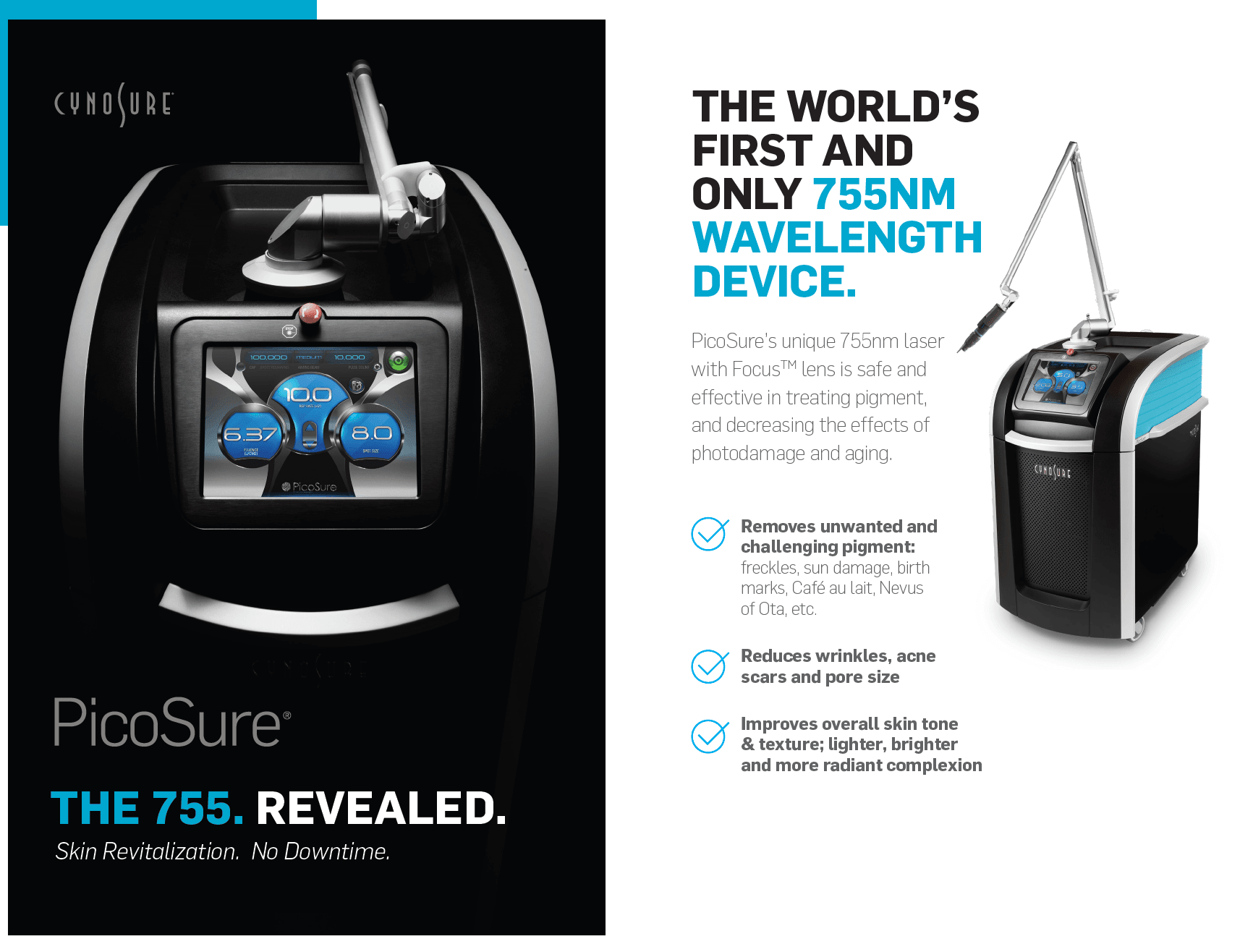
Top 10 Picosecond Laser Machine Manufacturers for Clinics in 2026
LEARN MOREYou may also like


Further reading

Tattoo Removal Laser Machine Cost and Ownership Guide
The purchase price is only one part of a tattoo removal laser machine’s cost. A clinic also needs the correct wavelength configuration, cooling, eyewear, room controls, staff training, documentati...

CO2 Laser Treatment Room Setup Checklist
A CO2 laser purchase is not complete until the treatment room can support safe, repeatable operation. Room planning should happen before shipment so the clinic can address smoke evacuation, access...

Aesthetic Machine Factory Acceptance Test Before Shipment
LEFISA factory acceptance test, or FAT, gives the buyer a defined point to confirm that the machine matches the order and completes agreed checks before shipment. It does not replace regulatory re...

Aesthetic Machine Warranty and Spare Parts Guide
A warranty is useful only when it explains what happens after a fault is reported. The number of warranty months matters, but the coverage, exclusions, evidence requirements, parts location, labor...


