

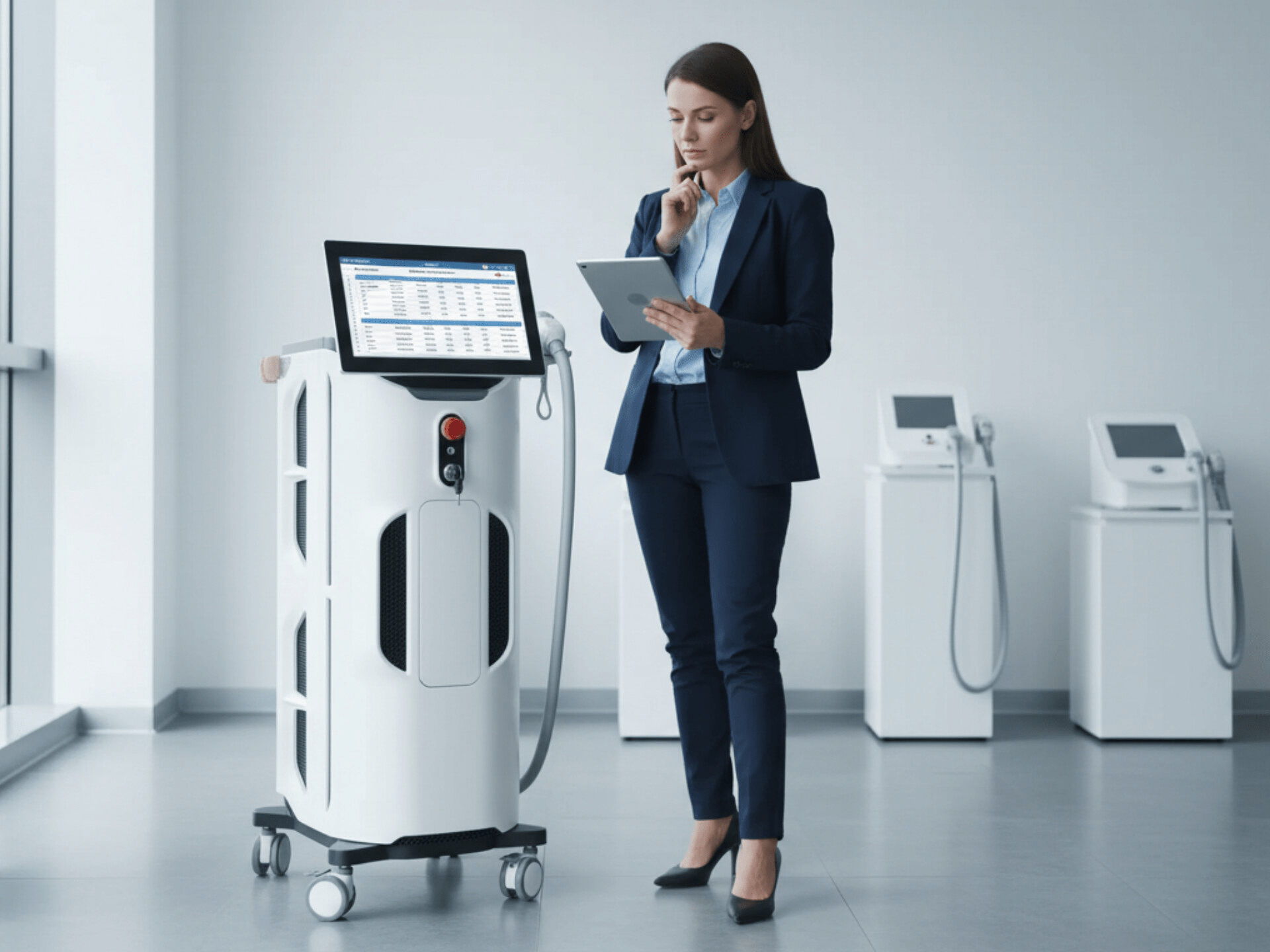
Top 11 Aesthetic Laser Machine Manufacturers for Clinics & Distributors in 2026
Match the manufacturer to your treatment menu, regulatory market, and budget — not the other way around.
Choosing the right laser machine manufacturer is one of the most critical decisions a clinic or distributor will make. A modern aesthetic laser platform can range in price from $25,000 for entry-level diode laser systems to $200,000+ for premium multi-platform devices. Consumables, service contracts, and replacement parts then add another 15 to 30 percent of capital cost across the working life of the laser. Choosing the wrong manufacturer ties your clinic into a service offering that is not required by local, regional, or global demand; an uptime offering that is not fulfilled, or a regulatory paperwork package that fails local regulatory compliance checks. The right choice provides 7–10 years of stable revenue, predictable service costs, and the clinical flexibility to expand the treatment menu as patient demand evolves.
In this guide, we rank the top 11 aesthetic laser machine manufacturers serving clinics and distributors in 2026. Ranking is based on objective capability assessment: technology range, market presence, clinical adoption, regulatory compliance support, and distributor value. This article discusses the 11 manufacturers to compare, the basic laser technologies that clinics should consider, and a buyer checklist to help you make good versus bad purchase decision.
|
THE QUICK ANSWER
There's no one best aesthetic laser machine manufacturer, it's all about the size of the clinic, the treatment menu, the regulatory market, and the budget. The global brands (Lumenis, Candela, Alma, Sciton) have been proven to be the most clinically adopted and researched products for dermatology clinics and hospitals with high end budgets. The aesthetic treatment menus are covered by most multi-service medspas, including Cynosure, Cutera, BTL and InMode. For body contouring focus specifically, BTL Aesthetics is the category leader. For clinics and distributors needing OEM/ODM flexibility, competitive pricing, and direct manufacturer engagement, China-based manufacturers like LEFIS Laser provide the strongest value-per-dollar in diode hair removal, picosecond, and CO₂ fractional categories. The 11 manufacturers below cover virtually every legitimate clinic-grade option in the current global market.
|
Quick Comparison: Top 11 Aesthetic Laser Machine Manufacturers in 2026
The 11 manufacturers below cover virtually every legitimate clinic-grade aesthetic laser option in the current global market. Rankings reflect objective capability assessment across technology range, market presence, clinical adoption, and buyer value — not promotional positioning.
|
Rank
|
Manufacturer
|
Country / Region
|
Core Strength
|
Best For
|
|
1
|
Lumenis
|
Israel / Global
|
60+ year history, laser/IPL/RF portfolio
|
Large clinics, hospitals, dermatology
|
|
2
|
Candela Medical
|
USA / Global
|
Vascular, pigment, picosecond, RF microneedling
|
Dermatology clinics, premium aesthetic practices
|
|
3
|
Alma Lasers
|
Israel / Global
|
Multi-platform aesthetic systems, 90 countries
|
Multi-service medspas, growing practices
|
|
4
|
Cynosure Lutronic
|
USA / S. Korea / Global
|
Laser, RF, body contouring breadth
|
Premium aesthetic practices, established medspas
|
|
5
|
Sciton
|
USA
|
High-end laser/light platforms, lifetime upgrades
|
Advanced skin clinics, dermatology
|
|
6
|
Cutera
|
USA
|
Vascular, body sculpting, RF microneedling
|
Dermatology clinics, medspas
|
|
7
|
BTL Aesthetics
|
Czech Republic / Global
|
Body contouring, HIFEM, EMSCULPT category leader
|
Body-focused clinics, contouring specialists
|
|
8
|
InMode
|
USA / Israel / Global
|
RF-assisted aesthetic platforms, Morpheus8
|
Minimally invasive practices, RF specialists
|
|
9
|
Reveal Lasers
|
USA / Global
|
Energy-based aesthetic platforms, growth focus
|
Growing medspa businesses
|
|
10
|
LEFIS Laser
|
China / Global
|
OEM/ODM, diode + Pico + CO₂ + HIFU range
|
Clinics and distributors needing flexible sourcing
|
|
11
|
Venus Concept
|
Canada / Global
|
RF + diode platforms, subscription business model
|
Multi-location medspas, business-model partnerships
|
No single manufacturer wins on every dimension. Lumenis, Candela, and Alma dominate established clinical adoption but command premium pricing ($80,000–$200,000+ per system) and limited customization. Sciton and Cynosure offer lifetime-upgradeable platforms appealing to long-term-oriented practices. BTL leads body-contouring specifically. LEFIS and similar China-based manufacturers offer OEM/ODM flexibility and competitive pricing in the diode-hair-removal and picosecond segments where established brands offer less buyer flexibility. The right choice depends on which capability dimension matters most for your specific clinic or distribution model.
How We Ranked These Laser Machine Manufacturers

Four capability dimensions inform the ranking. No single dimension dominates; manufacturers earn position by performing well across all four.
Technology range. Diode hair removal, Nd:YAG, Alexandrite, CO₂ fractional, picosecond, Q-switched, IPL, RF and combination platforms covered. A manufacturer with a broader technology range supports a wider clinic treatment menu from a single supplier relationship. That translates directly into fewer devices to purchase, fewer operator training tracks to run, and fewer service contracts to manage.
Market presence and clinical adoption. Global distribution network, training infrastructure, installed base size, peer-reviewed publications and recognition from professional medical societies. The larger your installed base, the more resources you have to train, the more spare parts you can access and the more clinical evidence you have for treatment outcomes.
Compliance and safety. FDA clearance (U.S. Market), CE marking (EU), ISO quality system certification and region specific regulatory documentation support. Compliance is a key concern for manufacturers, especially for those with new market entry plans into clinics, and for distributors with sales across various jurisdictions, and this can be mitigated by having a robust compliance infrastructure.
Distributor and clinic buyer value. OEM/ODM availability for private label brand distributors, spare parts continuity and pricing, training material quality, warranty coverage and response time, and total cost of ownership (purchase price + service + consumables + downtime). This dimension is where smaller, newer manufacturers can often be more cost effective than the premium guys when it comes to price-performance on capability, but less effective on installed-base benefits.
The Top 11 Aesthetic Laser Machine Manufacturers — Detailed Profiles

Each profile below covers the manufacturer through a brief background paragraph followed by a structured four-section reference table: main technologies, key strengths, best buyer fit, and limitations to weigh. Card colors alternate between light gray and light blue for visual rhythm; the alternation has no ranking significance.
#1 Lumenis · Israel / Global
Lumenis is one of the world's most experienced and well-known manufacturers of aesthetic lasers, boasting more than 60 years of experience and a presence in nearly 88 countries. The company has over 40,000 systems in place globally and over 400 clinical publications that refer to its devices, among the industry's best evidence bases.
|
TECHNOLOGIES
|
Diode laser hair removal (SplenDor X, LightSheer), IPL (M22), CO₂ fractional (UltraPulse, AcuPulse), TriLift facial muscle stimulation, SmoothGlo combined treatment platforms and body contouring systems.
|
|
STRENGTHS
|
Industry-leading clinical adoption and publication base. Comprehensive 360-degree aesthetic treatment portfolio (hair removal, body, skin, women’s health, facial muscle). Extensive partner ecosystem including practice locator marketing for clinic clients.
|
|
BEST FIT
|
Well established dermatology clinics and aesthetic practices that focus on the clinical use and research support rather than cost of capital.
|
|
LIMITATIONS
|
Premium pricing in the high end of the market, at $100,000 and up for flagships systems. Lack of OEM/ODM flexibility — Devices are shipped as ‘branded’ devices with limited flexibility for customization.
|
#2 Candela Medical · USA / Global
Candela Medical, headquartered in Marlborough, Massachusetts and with offices in Europe, Asia Pacific and a worldwide distribution network, is a U.S.-based aesthetic laser manufacturer. Aesthetics Journal is a third-party publication that named Candela as Manufacturer of the Year at the Aesthetics Awards.
|
TECHNOLOGIES
|
Pulsed dye laser (Vbeam Pro – only vascular laser FDA-cleared for pediatric treatments), ND:YAG (GentleMax Pro Plus), Alexandrite (Gentle Pro Series), picosecond laser (PicoWay), and RF microneedling (Matrix). Excellent dual-wavelength performance for vascular treatments, hair removal and pigment treatment.
|
|
STRENGTHS
|
Strong dermatology adoption with deep clinical evidence in vascular and pigment treatment. PicoWay is widely recognized in the picosecond laser segment. Matrix RF microneedling won Cosmopolitan’s 2025 Acne Awards — a meaningful consumer-facing recognition.
|
|
BEST FIT
|
Dermatology clinics, premium aesthetic practices, and clinics with substantial vascular or pigment treatment volume where Candela’s clinical evidence base provides confidence.
|
|
LIMITATIONS
|
Premium pricing comparable to Lumenis. Some products (notably Vbeam Pro) available only in North America — buyers in other regions need to verify availability for specific systems before commitment.
|
#3 Alma Lasers · Israel / Global
Alma Lasers is a wholly-owned aesthetic company of Sisram Medical Ltd. The company boasts a distribution network in 90 countries, with revenue of about $359 million in 2023, positioning it as one of the bigger manufacturers of pure aesthetic products worldwide.
|
TECHNOLOGIES
|
Diode laser hair removal (Soprano Titanium, introduced March 2024 with multi-wavelength approach), Harmony XL Pro multi-platform system, Accent Prime for body contouring, FemiLift for women’s health applications. Coverage spans wrinkle reduction, skin resurfacing, tattoo removal, acne scar treatment, vitiligo, and psoriasis.
|
|
STRENGTHS
|
Multi-platform aesthetic systems consolidate several treatment categories on one device, reducing capital cost vs buying separate single-purpose machines. Soprano Titanium offers triple-wavelength diode hair removal at painless treatment temperatures across all Fitzpatrick skin types.
|
|
BEST FIT
|
Multi-service medspas and growing aesthetic practices that need broad treatment menu coverage from a single capital purchase. Practices in markets where Alma’s distribution presence is strong.
|
|
LIMITATIONS
|
Multi-platform consolidation has tradeoffs — single-purpose devices from category specialists often outperform multi-platform devices on the specific technology dimension. Buyers prioritizing best-in-class performance on one specific treatment should evaluate category specialists.
|
#4 Cynosure (Lutronic) · USA / South Korea / Global
Cynosure (now operating under the Lutronic corporate umbrella following the 2023 merger) is a major U.S.-based aesthetic laser manufacturer with strong presence across hair removal, body contouring, picosecond, and RF microneedling categories. The Lutronic merger added South Korean engineering capability and broadened the combined company’s technology range.
|
TECHNOLOGIES
|
PicoSure (picosecond tattoo and pigment removal), Elite iQ (Nd:YAG + Alexandrite hair removal), SculpSure (body contouring), Potenza RF microneedling, MonaLisa Touch for women’s health applications. Wide treatment category coverage.
|
|
STRENGTHS
|
Broad technology portfolio across multiple aesthetic categories. PicoSure is well-recognized in picosecond tattoo/pigment treatment. Strong North American clinical adoption.
|
|
BEST FIT
|
Premium aesthetic practices and established medspas with capital budget for category-leading systems. Practices benefiting from the broader Lutronic technology integration following the merger.
|
|
LIMITATIONS
|
The Cynosure/Lutronic merger is still being integrated as of 2026 — some service and product roadmap details are evolving. Buyers should verify current service-contract structure and product availability for their specific region.
|
#5 Sciton · USA
Sciton is a U.S.-based aesthetic laser manufacturer with over 25 years of operating history. The company’s differentiating positioning is hand-built craftsmanship and lifetime platform upgradeability — 96% of Sciton systems sold in the past 10 years are still in service per the company’s own reporting.
|
TECHNOLOGIES
|
JOULE multi-module platform, mJOULE versatile platform, HALO and the recently-launched HALO Tribrid (three-wavelength skin resurfacing), BBL (broadband light) HERO. Premium platforms designed for upgrade rather than replacement over the device’s working life.
|
|
STRENGTHS
|
Industry-leading lifetime upgrade philosophy reduces total cost of ownership over 10–15 year platform lifespan. Strong clinical adoption among advanced dermatology and aesthetic practices. HALO Tribrid introduces three-wavelength fractional resurfacing in a single device.
|
|
BEST FIT
|
Advanced skin clinics, established dermatology practices, and long-term-oriented buyers willing to invest in upgradeable premium platforms rather than chase the lowest acquisition price.
|
|
LIMITATIONS
|
High capital acquisition cost — Sciton’s premium positioning is reflected in pricing. The "platform you upgrade rather than replace" model assumes the practice will maintain the relationship for years, which constrains buyer flexibility if practice priorities shift.
|
#6 Cutera · USA
Cutera is a U.S.-based aesthetic laser manufacturer with strong presence in vascular treatment, body contouring, and RF microneedling. The company serves both dermatology clinics and medspas across North America with growing international distribution.
|
TECHNOLOGIES
|
Excel V+ (vascular and pigment), truSculpt iD (body sculpting), Secret RF (RF microneedling), AviClear (acne-focused 1726nm laser, a category-defining FDA-cleared device for active acne treatment). Distinct focus on energy-based vascular and acne applications.
|
|
STRENGTHS
|
AviClear is one of the only FDA-cleared lasers for treating active acne (not just acne scarring) and has differentiated Cutera in dermatology. Strong vascular treatment positioning with Excel V+.
|
|
BEST FIT
|
Dermatology Clinics with large volume of vascular and acne treatments, and medspas for body contouring and microneedling.
|
|
LIMITATIONS
|
Smaller international footprint than the global category leaders. Cutera's distribution and service infrastructure is strongest in North America, so buyers outside that region should verify local representation, parts availability, and service response times before committing to a purchase.
|
#7 BTL Aesthetics · Czech Republic / Global
BTL Aesthetics is a Czech Republic-based manufacturer that has become the category leader in non-invasive body contouring and HIFEM (High-Intensity Focused Electromagnetic) muscle stimulation. BTL’s EMSCULPT product line essentially created the HIFEM body-contouring category and remains dominant globally.
|
TECHNOLOGIES
|
EMSCULPT NEO (HIFEM + RF body contouring), EMFACE (HIFES facial muscle stimulation), EMSELLA (pelvic floor HIFEM), Exilis (RF skin tightening), Vanquish (RF body contouring). Strong specialization in non-invasive muscle stimulation and RF body treatments.
|
|
STRENGTHS
|
Category leadership in HIFEM body contouring — essentially the inventor of the modern non-invasive muscle-building treatment category. Strong consumer brand recognition for EMSCULPT among aesthetic treatment seekers.
|
|
BEST FIT
|
Body contouring-focused clinics, aesthetic practices building muscle-stimulation and body-shaping treatment menus, and practices serving demand specifically for EMSCULPT-branded treatments.
|
|
LIMITATIONS
|
BTL’s technology focus is narrower than full-portfolio manufacturers — clinics needing laser hair removal, skin resurfacing, or vascular treatment will need a separate manufacturer for those categories. EMSCULPT capital cost is significant.
|
#8 InMode · USA / Israel / Global
InMode is a U.S./Israel-based aesthetic device manufacturer specializing in RF-assisted (radiofrequency-assisted) minimally invasive aesthetic platforms. The company has built strong clinical adoption around RF technologies for skin tightening, fractional treatment, and minimally invasive body contouring.
|
TECHNOLOGIES
|
Morpheus8 (RF microneedling, category-defining product), Forma (non-invasive skin tightening), BodyTite (minimally invasive body contouring), FaceTite, AccuTite. Strong RF technology specialization.
|
|
STRENGTHS
|
Morpheus8 is one of the most-recognized RF microneedling devices in the aesthetic market with strong consumer awareness. Comprehensive RF technology range from non-invasive to minimally invasive procedures.
|
|
BEST FIT
|
Aesthetic practices offering minimally invasive RF procedures, dermatology and plastic surgery clinics building RF-focused treatment menus, and practices serving Morpheus8 brand recognition demand.
|
|
LIMITATIONS
|
Heavy concentration in RF technology means InMode is not the answer for clinics needing laser hair removal, picosecond pigment treatment, or other non-RF categories. The Morpheus8 brand has attracted aggressive competitor positioning that affects pricing.
|
#9 Reveal Lasers · USA / Global
Reveal Lasers is a U.S.-based manufacturer focused on energy-based aesthetic platforms for growing medspa businesses. The company positions itself between established premium manufacturers and lower-tier alternatives, targeting clinics expanding their treatment menus.
|
TECHNOLOGIES
|
Diode laser hair removal platforms, IPL systems, picosecond laser, RF microneedling, and combination aesthetic systems. Coverage across the core medspa treatment menu.
|
|
STRENGTHS
|
Buyer support and training focus aimed specifically at growing medspa businesses rather than established dermatology clinics. Practical treatment-menu platform packages.
|
|
BEST FIT
|
Growing medspa businesses, clinics expanding aesthetic service offerings, and practices needing manufacturer guidance on treatment menu development.
|
|
LIMITATIONS
|
Smaller installed base than top-tier manufacturers — buyers benefit less from the network effects (training resources, peer practice exchange, etc.) of larger manufacturer ecosystems. Verify spare-parts continuity and service infrastructure before commitment.
|
#10 LEFIS Laser · China / Global
LEFIS Laser is a China-based aesthetic laser manufacturer focused on clinic-grade laser devices and OEM/ODM partnerships. LEFIS’ positioning differs from the premium incumbents above: rather than competing on clinical-adoption history or capital pricing premium, LEFIS competes on direct-manufacturer engagement, OEM/ODM flexibility, competitive pricing, and distributor-friendly sourcing for clinics and resellers building cost-effective treatment menus.
|
TECHNOLOGIES
|
Diode laser hair removal (the K12 and related platforms in the diode laser hair removal collection), picosecond laser, Q-switched Nd:YAG, CO₂ fractional laser, HIFU (high-intensity focused ultrasound), RF microneedling, and body contouring systems. Coverage spans the core aesthetic treatment menu.
|
|
STRENGTHS
|
OEM/ODM customization for distributors building private-label brands. Competitive pricing positioning at 30–60% below premium-incumbent capital cost on comparable technology. Direct manufacturer engagement with clinic and distributor buyers, including training material support, spare-parts continuity, and regulatory documentation assistance for international buyers.
|
|
BEST FIT
|
Clinics and distributors needing supplier flexibility, OEM/ODM private-label development, and competitive capital pricing on diode hair removal, picosecond, CO₂ fractional, or RF microneedling platforms. Distributors building regional treatment-menu portfolios with branding control.
|
|
LIMITATIONS
|
Smaller installed base than the top-tier global brands means clinical adoption and peer-reviewed clinical evidence specifically referencing LEFIS devices is less extensive than for Lumenis or Candela. Buyers prioritizing premium-brand consumer marketing positioning may find the established Western brands a stronger fit.
|
For deeper coverage of LEFIS diode laser specifications, lifespan considerations, and ROI calculations, the LEFIS diode laser machine buying guide for clinics walks through the technical and financial decision factors in detail.
#11 Venus Concept · Canada / Global
Venus Concept is a Canada-based aesthetic device manufacturer differentiated by its business-model approach to medspa partnerships. The company offers subscription-based and shared-revenue financing arrangements that lower capital barriers for multi-location medspa operators.
|
TECHNOLOGIES
|
Venus Versa (multi-application platform), Venus Bliss MAX (body shaping and skin tightening), Venus Glide (diode hair removal), Venus Viva MD (RF fractional), NeoGraft (hair restoration). RF and diode platforms across body, skin, and hair categories.
|
|
STRENGTHS
|
Subscription and shared-revenue business models reduce upfront capital barriers — particularly relevant for multi-location medspa operators or new practices with limited capital. Multi-application platforms consolidate treatment categories.
|
|
BEST FIT
|
Multi-location medspas, new aesthetic practices with constrained capital budgets, and operators preferring subscription/shared-revenue financing over outright purchase.
|
|
LIMITATIONS
|
Subscription and shared-revenue models often have total-cost-of-ownership implications that buyers should model carefully — the lower upfront cost can be offset by higher total payments over the device lifetime. Multi-application platforms have the same single-purpose-vs-multi-purpose tradeoff noted for Alma.
|
Main Laser Technologies Clinics Should Compare
Beyond manufacturer choice, the underlying laser technology category determines which treatments the platform can deliver effectively. Nine technology categories cover virtually all clinic-grade aesthetic applications. Each of the manufacturers ranked above leads in a different category of this list, understanding the them is the first step in matching the right laser machine manufacturer to your clinic.
|
Technology
|
Primary Use
|
Best Skin Types
|
Key Buyer Notes
|
|
Diode laser (755/808/1064nm)
|
Hair removal — the workhorse
|
I–VI (triple-wave)
|
Check wavelength selection, cooling, shot life
|
|
Nd:YAG (1064nm)
|
Hair removal, vascular
|
IV–VI primarily
|
Required for safe darker-skin hair removal
|
|
Alexandrite (755nm)
|
Hair removal, pigment
|
I–III
|
Highest efficacy on lighter skin and fine hair
|
|
CO₂ fractional (10,600nm)
|
Resurfacing, scars, wrinkles
|
I–III commonly
|
Highest operator training requirement
|
|
Picosecond laser
|
Tattoo + stubborn pigment
|
I–VI
|
Verify true sub-1000-ps pulse width specs
|
|
Q-switched Nd:YAG
|
Tattoo + pigment, prior gen
|
I–VI
|
Lower capital cost than picosecond
|
|
IPL (broadband light)
|
Hair, pigment, redness
|
I–III primarily
|
Multi-purpose but lower precision per category
|
|
RF microneedling
|
Skin tightening, texture
|
I–VI
|
Often combined with laser in multi-platforms
|
|
HIFEM (BTL specialty)
|
Non-invasive muscle, body
|
All skin types
|
Different technology category from lasers
|
How to Choose the Right Laser Machine Manufacturer for Your Clinic Type

Different clinic types have different priority weightings on the capability dimensions covered above. Five buyer-segment guidance frameworks:
For New Clinics
Prioritize broad treatment menu coverage from a single capital purchase (multi-platform systems from Alma, Cutera, or LEFIS reduce capital requirements vs buying multiple single-purpose devices). Verify manufacturer training support — new clinics benefit significantly from manufacturer clinical protocol guidance. Avoid over-committing to single-technology specialty platforms (BTL EMSCULPT-only, InMode RF-only) until patient demand validates the specialty focus.
For Established Dermatology Clinics
Prioritize clinical adoption and peer-reviewed evidence bases (Lumenis, Candela, Alma, Sciton) for treatments where clinical confidence matters most to patient acquisition (vascular, pigment, scar revision, advanced resurfacing). Premium pricing is more justifiable when the dermatology practice can charge accordingly and when treatment outcomes are the marketing differentiator.
For Medspas
Prioritize broad treatment menu from devices that support strong patient throughput (Alma Soprano Titanium for hair removal, Candela PicoWay for picosecond, BTL EMSCULPT for body, InMode Morpheus8 for RF microneedling). Consumer brand recognition often matters for marketing — patients arrive asking for specific named treatments. Verify the device performs strongly on the actual treatments local patient demand calls for.
For Distributors
Prioritize OEM/ODM support, competitive pricing, manufacturer-protected territories, end-customer service handling, and the manufacturer’s willingness to support distributor branding. China-based manufacturers including LEFIS typically provide stronger distributor support on these dimensions than the premium Western incumbents, which generally maintain direct-sales models in most markets.
For OEM/ODM Buyers
Prioritize manufacturer R&D capability, regulatory documentation infrastructure in target markets, custom branding and UI capability, packaging and unboxing experience customization, and minimum-order quantity flexibility. Verify the manufacturer holds device patents and clearances under its own corporate identity (genuine manufacturer) rather than rebranding from another OEM (rebrander). Direct factory visits and quality system review are standard practice for serious OEM/ODM commitments.
Buyer Checklist for Clinics and Distributors Before Requesting a Quote
Before contacting any aesthetic laser manufacturer for a formal quote, finalize your answers to the items below. Manufacturers can quote with greater accuracy and competitive flexibility when buyers arrive with clear specifications.
|
Factor
|
Importance
|
What to Check
|
|
Certifications
|
High
|
FDA, CE, ISO 13485, region-specific regulatory documents
|
|
Technology range
|
High
|
Coverage of hair removal, pigment, resurfacing, RF — vs your treatment menu
|
|
Cooling system
|
High
|
Contact, TEC, water, or air cooling; performance during sustained use
|
|
Service support
|
High
|
Parts availability, repair response time, remote diagnostic support
|
|
Training
|
High
|
Operator certification, ongoing protocol updates, clinical resources
|
|
Warranty
|
High
|
Coverage period, exclusions, response time, loaner availability
|
|
OEM/ODM
|
Medium (distributors)
|
Logo, UI, packaging, private label, regulatory documentation support
|
|
Diode bar life
|
High (hair removal)
|
Rated shots, replacement cost, replacement labor
|
|
Price
|
Medium
|
Compare with lifespan and total 5-year cost of ownership
|
|
Reputation
|
Medium
|
Clinical adoption, peer-reviewed publications, customer references
|
Conclusion

The best aesthetic laser machine manufacturer depends entirely on the buyer’s specific needs — clinic size, target service menu, regulatory compliance market, capital budget, and after-sales expectations. Premium-brand incumbents like Lumenis, Candela, Alma, Sciton, Cynosure, and Cutera offer strong clinical adoption, peer-reviewed evidence bases, and established service infrastructure that justify their premium pricing for established dermatology clinics and well-capitalized aesthetic practices.
Specialty-focused manufacturers like BTL Aesthetics (body contouring), InMode (RF), and Venus Concept (subscription business model) offer category leadership or business-model innovation that fits specific buyer profiles particularly well.
For clinics and distributors prioritizing OEM/ODM flexibility, direct-manufacturer engagement, and competitive pricing on diode hair removal, picosecond, CO₂ fractional, RF microneedling, and HIFU technology categories, LEFIS Laser represents a strong practical option in the China-based manufacturing tier. The diode laser hair removal collection covers the platforms most clinics ask about first, and our diode laser buying guide walks you through the technical and financial decisions you'll need when equipping your facility.
Whichever manufacturer ultimately fits your specific buyer profile best, the decision deserves the same disciplined evaluation: define your treatment menu first, define your regulatory and budget constraints next, then evaluate manufacturers against your specific requirements rather than against general industry positioning. The aesthetic laser market is large enough that the right manufacturer for your specific needs is almost certainly available — the discipline is matching your specific needs to a specific manufacturer’s actual capabilities.
FAQs
Who makes diode lasers?
Many manufacturers produce diode laser systems for aesthetic applications. Established premium manufacturers include Lumenis (LightSheer, SplenDor X), Alma Lasers (Soprano Titanium), and Candela (Gentle Pro Series diode-based platforms). Mid-tier manufacturers include Cynosure, Cutera, and Venus Concept. China-based OEM/ODM manufacturers including LEFIS Laser produce diode laser hair removal systems at competitive capital prices for clinics and distributors. The right diode laser manufacturer depends on the buyer’s priorities across clinical adoption, capital budget, customization needs, and regulatory market.
How much does a diode laser cost?
Aesthetic-clinic diode laser hair removal systems range from approximately $15,000–$25,000 for entry-level OEM/ODM platforms, $40,000–$80,000 for mid-tier branded systems, and $80,000–$200,000+ for premium-tier systems from Lumenis, Alma, Candela, and similar. Pricing variables include manufacturer brand-positioning tier, regional distribution markups, included service contracts, and financing structure. Calculate 5-year total cost of ownership (capital + consumables + service + downtime) rather than capital price alone when comparing systems.
Who are the top laser manufacturers?
For aesthetic clinic applications specifically, the top manufacturers in 2026 include Lumenis, Candela Medical, Alma Lasers, Cynosure (now under Lutronic), Sciton, Cutera, BTL Aesthetics, InMode, Reveal Lasers, LEFIS Laser, and Venus Concept. Rankings vary by criteria — Lumenis leads on installed base and clinical publications; BTL leads on HIFEM body contouring specifically; LEFIS leads on OEM/ODM flexibility and competitive pricing in the China-based manufacturing tier. Match the manufacturer ranking to the capability dimensions that matter for your specific buyer profile.
Which country produces the most lasers?
By production volume across all laser categories (medical, industrial, communications, research), China produces the largest number of laser systems globally as of 2026. By aesthetic-clinic-grade systems specifically, the major manufacturing centers are the USA, Israel, Germany, South Korea, China, Canada, and several European countries. No single country dominates the aesthetic clinical adoption market — different manufacturers from different countries lead different technology and treatment categories.
Which diode laser is best?
There is no single best diode laser — the right choice depends on the target skin types in your clinic’s patient demographics, treatment volume, capital budget, and treatment menu integration with other devices. Triple-wavelength systems (Alma Soprano Titanium, LightSheer ET, and OEM/ODM equivalents) treat the broadest range of skin types from one device. Single-wavelength systems often offer best-in-class performance at the specific wavelength they target. Evaluate against your specific patient mix and treatment volume rather than against general "best" claims.
How long will a diode laser last?
Aesthetic-clinic diode laser platforms typically last 7–10 years in routine clinic operation, with premium upgradeable platforms (Sciton’s positioning) potentially extending to 10–15 years. Diode bars within the platform are consumable components that require replacement every 1–3 years depending on shot volume. Total platform lifespan depends heavily on operator handling, cooling system maintenance, electrical power quality, and avoiding drops or impacts that damage optical components. Cooling system service is the highest-impact maintenance for long-term platform life.
What is the most powerful laser you can legally buy?
For aesthetic clinic applications specifically, output power is measured by fluence (energy delivered per unit area, in J/cm²) and average power rather than absolute peak power. Premium clinic-grade diode hair removal systems typically deliver 30–150 J/cm² fluence at clinically-relevant spot sizes. The most powerful aesthetic lasers legally available are clinic-restricted Class IV systems requiring trained operator certification and physician supervision in most jurisdictions. Higher-power industrial and research lasers exist but are outside the aesthetic clinic application scope. Always verify legal operator requirements in your jurisdiction.
Which country has the best laser?
No single country produces categorically the best lasers — different regional manufacturing traditions produce different capability strengths. The USA leads in premium clinical adoption and FDA-cleared treatment claims. Israel leads in energy-based aesthetic technology innovation. Germany leads in optical engineering precision. China leads in OEM/ODM flexibility and competitive pricing. South Korea leads in RF and combination system innovation. The right country-of-origin depends on which capability dimensions matter most for the specific buyer profile.
Which laser is most powerful?
By absolute peak power, industrial and research lasers (used in metal cutting, fusion research, particle acceleration) significantly exceed any aesthetic clinic laser. Within aesthetic clinic applications specifically, the most powerful systems are premium multi-platform devices from Lumenis, Alma, and Candela that deliver high fluence at clinically-relevant spot sizes across multiple wavelengths. CO₂ fractional lasers deliver the deepest tissue penetration in aesthetic dermatology. Power specifications alone are less important than clinical efficacy at the specific treatment indication — evaluate systems by treatment outcomes rather than peak power numbers alone.
What destroys a diode?
Diode laser bars are damaged by several conditions to monitor in clinic operation. Electrical surges or power supply instability can damage the diode driver circuits. Inadequate cooling allows the bar to operate at temperatures that accelerate optical degradation — cooling system maintenance is critical. Mechanical impacts to the handpiece or optical path damage alignment. Operating beyond rated specifications (higher fluence than rated, longer pulse durations than rated) accelerates wear. Contamination on the optical output surface causes localized overheating. Normal operation within manufacturer specifications produces gradual wear measured in millions of shots; the conditions above cause accelerated failure.
Sources
- .S. Food and Drug Administration (FDA), federal regulatory authority on medical and aesthetic laser device classification, clearance pathways, and safety standards. “Medical Lasers,” FDA Radiation-Emitting Products guide for surgical and therapeutic laser systems.
- NCBI Bookshelf (National Library of Medicine), peer-reviewed medical reference — laser hair removal physics, wavelength selection, and clinical evidence. “Laser Hair Removal,” StatPearls clinical reference chapter.
- DermNet (New Zealand Dermatology Society), peer-reviewed dermatology reference — indications, contraindications, and clinical applications of laser systems in dermatology. “Lasers in Dermatology,” comprehensive dermatology overview of laser technology categories.
- DermNet (New Zealand Dermatology Society), peer-reviewed dermatology reference — laser selection and safety considerations for skin of colour (Fitzpatrick IV–VI). “Laser Therapy in Skin of Colour,” clinical guidance on wavelength and parameter selection across skin types.
- American Society for Laser Medicine and Surgery (ASLMS), professional medical society — authoritative reference on laser and energy-based device categories and clinical applications. “About Lasers and Energy-Based Devices,” ASLMS public-facing educational resource.
- National Library of Medicine (PMC), peer-reviewed medical literature — review of energy-based device categories in plastic and aesthetic surgery. “Energy-Based Medical Devices in Plastic Surgery,” peer-reviewed review article.


Looking for something else?

Do Men Get Cellulite? Causes Differences & What to Know
LEARN MORE
Does Radio Frequency Skin Tightening Work? Results & How It Works
LEARN MORE
Do You Shave Before Laser Hair Removal? Prep Tips & Why It Matters
LEARN MORE
How to Get Rid of Age Spots: Treatments. Natural Remedies & Prevention
LEARN MORELooking for something else?
How to Heal Ingrown Hair: Causes. Treatments & Healing Time
LEARN MORE
How to Get Rid of Freckles: Effective Treatments & Natural Tips
LEARN MORE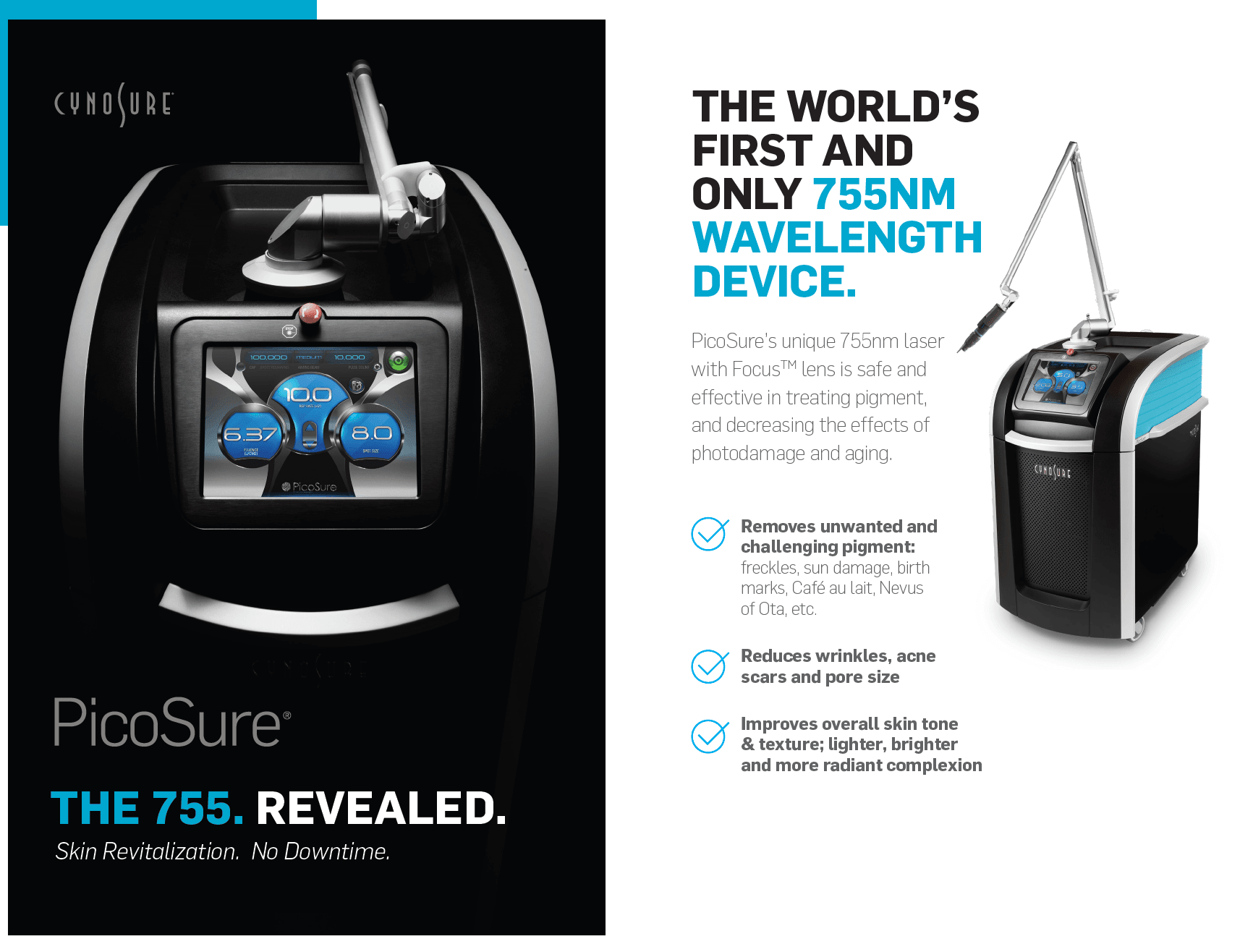
Top 10 Picosecond Laser Machine Manufacturers for Clinics in 2026
LEARN MOREYou may also like


Further reading

Tattoo Removal Laser Machine Cost and Ownership Guide
The purchase price is only one part of a tattoo removal laser machine’s cost. A clinic also needs the correct wavelength configuration, cooling, eyewear, room controls, staff training, documentati...

CO2 Laser Treatment Room Setup Checklist
A CO2 laser purchase is not complete until the treatment room can support safe, repeatable operation. Room planning should happen before shipment so the clinic can address smoke evacuation, access...

Aesthetic Machine Factory Acceptance Test Before Shipment
LEFISA factory acceptance test, or FAT, gives the buyer a defined point to confirm that the machine matches the order and completes agreed checks before shipment. It does not replace regulatory re...

Aesthetic Machine Warranty and Spare Parts Guide
A warranty is useful only when it explains what happens after a fault is reported. The number of warranty months matters, but the coverage, exclusions, evidence requirements, parts location, labor...


