

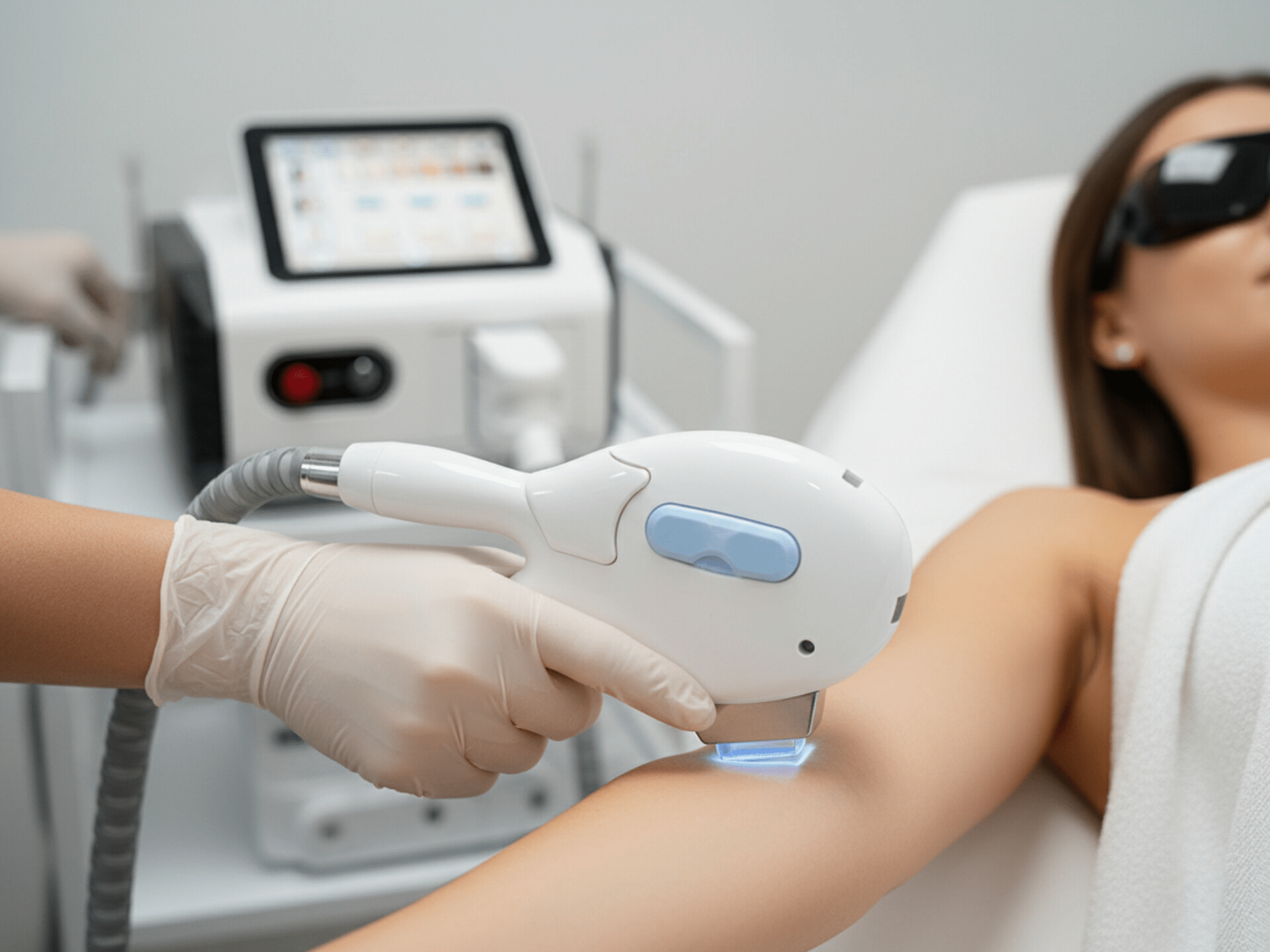
12 Best Laser Hair Removal Machine Manufacturers in 2026
16 min read · Updated May 2026
A clinic we worked with bought a $9,500 "professional triple-wavelength diode laser" from an online wholesaler two months earlier, marketed as a professional laser hair removal machine. The clinic was treating mostly Fitzpatrick V patients, and within weeks three of them developed post-inflammatory hyperpigmentation that took six months to resolve. Two never came back. One left a public review that cost the clinic four years of word-of-mouth in her neighborhood.
The device was a single-wavelength 808nm diode. The wholesaler had printed '755/808/1064 nm' on the brochure because that's what buyers search for. There was no 1064nm Nd:YAG inside the chassis. The cooling tip ran one fixed temperature.
This is what happens when a clinic buyer cannot tell a true multi-wavelength clinical platform from a single-wavelength diode marketed as one, or from an IPL device relabelled with 'laser' on the front panel. The three are different products. They cost different amounts. They produce different clinical results — especially on darker skin.
In this guide, we do not tell you which device to buy and which not to buy. What we do is to show you how to read a spec sheet, what questions force a manufacturer to be honest, and which twelve brands deserve our recommendation in 2026. We have seen the failure modes. We score each manufacturer on weighted criteria.
Works Is a Professional Laser Hair Removal Machine?
A professional laser hair removal machine delivers concentrated, coherent light at wavelengths absorbed by melanin in the hair follicle. The energy converts to heat that damages the follicle's growth structures. Modern clinical platforms use one of three laser types — diode, Alexandrite, or Nd:YAG — or combine them in one chassis. IPL is a separate technology, covered in our full IPL hair removal guide.
Wavelength choice determines which patients you can treat safely. 755nm Alexandrite works fast on Fitzpatrick I–III but causes PIH on darker skin. 808/810nm diode balances absorption and depth across a broader range and has become the workhorse wavelength. 1064nm Nd:YAG bypasses superficial melanin and is the only genuinely safe option for Fitzpatrick V–VI patients.
Three Categories Sold as Laser Hair Removal Machines
Not every supplier listed by laser hair removal machine manufacturers and B2B brands is selling the same thing. Three very different products are marketed in 2026 under the single phrase "laser hair removal machine." Knowing which one a manufacturer is actually shipping you separates a clinic that thrives from a clinic that books refunds.
True multi-wavelength clinical platforms
Genuine 755 + 1064 nm dual-wavelength or 755 + 808 + 1064 nm triple-wavelength systems with verified cooling, FDA 510(k) clearance by exact model number, and peer-reviewed dermatology citation. Candela GentleMax Pro, Alma Soprano Titanium, Lumenis LightSheer, Cynosure Elite IQ, Primelase HR, and LEFIS K12 sit here. Capital cost: $35,000 (value end) to $120,000+ (premium).
Single-wavelength clinical diode platforms
Real 808/810nm diodes with effective contact cooling but no 755nm or 1064nm coverage. Workable for Fitzpatrick I–IV patient bases, limited on darker skin. Venus Velocity, InMode Diolaze XL, and lower-end Asclepion configurations are here. Capital cost: $25,000–$55,000.
IPL devices marketed as laser
Broadband IPL units relabelled with 'laser' on the chassis. Effective for Fitzpatrick I–III maintenance work but not equivalent to true laser hair removal. These show up on B2B marketplaces at $3,000–$12,000 and are responsible for most of the misleading listings that fail clinical buyers.
Always ask for the FDA 510(k) clearance number, verify it on the FDA database directly, and request a measured wavelength specification on the data sheet — not a marketing brochure number.
How to Pick a Laser Hair Removal Manufacturer
We have audited around 180 hair removal platforms on factory floors and in clinic rooms over the last decade. Most failures come down to five issues.
|
CRITERION
|
WHAT TO LOOK FOR
|
WHY IT MATTERS
|
|
Wavelength architecture
|
Multi-wavelength capability, ideally including 1064nm Nd:YAG
|
Determines which Fitzpatrick types you can treat safely
|
|
Cooling system
|
DCD cryogen, sapphire contact, ICE, or ChillTip with vacuum-assist
|
Patient comfort and complication rates
|
|
Spot size and rep rate
|
12–22mm spot, up to 10 shots/sec on diode platforms
|
Treatment speed and large-area economics
|
|
Certifications
|
FDA 510(k) by exact model number, CE MDR, ISO 13485
|
Insurance, liability, outcome consistency
|
|
Service and support
|
Local parts inventory, fast response, hands-on training
|
Prevents 4–8 week downtime during failures
|
Our Ranking Methodology
We rank by clinical performance and safety first, service depth second, and value third. Three clinical-performance criteria — wavelength, cooling, and speed — carry 53 percent of the weighted score. Safety and certifications add another 15 percent.
A hospital dermatology department with $120,000 of capital might weigh these differently. Candela Medical and Alma Lasers lead any ranking driven purely by clinical evidence depth and safety on darker skin tones. We publish per-criterion scores in each entry below so you can re-rank for your own clinic.
|
CRITERION
|
WEIGHT
|
WHAT IT MEASURES
|
|
Wavelength coverage
|
20%
|
Multi-wavelength capability and Fitzpatrick range safety
|
|
Cooling and comfort
|
18%
|
Epidermal protection and patient comfort
|
|
Treatment speed
|
15%
|
Spot size, repetition rate, clinic throughput
|
|
Safety and certifications
|
15%
|
FDA 510(k), CE MDR, ISO 13485, peer-reviewed evidence
|
|
Clinic ROI value
|
12%
|
Capital cost vs delivered clinical capability
|
|
Service and training
|
12%
|
Parts, response time, training, regional coverage
|
|
Brand credibility
|
8%
|
Market history, professional adoption, heritage
|
Quick Ranking: 12 Best Laser Hair Removal Machine Manufacturers in 2026
Twelve manufacturers, ranked honestly by weighted score. Candela leads on the combined strength of industry-standard wavelengths, DCD cryogen cooling, and the deepest peer-reviewed clinical evidence base. LEFIS sits at number seven — a fair position for a value-tier multi-wavelength diode platform that competes on cost-per-capability.
|
RANK
|
MANUFACTURER
|
CATEGORY
|
EXCELS AT
|
SCORE
|
|
01
|
Candela Medical
|
Alexandrite + Nd:YAG
|
DCD cryogen and deepest clinical evidence
|
87/100
|
|
02
|
Alma Lasers
|
Triple-wavelength diode
|
Fitzpatrick V–VI safety and comfort
|
84/100
|
|
03
|
Lumenis
|
Diode laser
|
Large-spot fast treatment and platform maturity
|
82/100
|
|
04
|
Cynosure
|
Alexandrite + Nd:YAG
|
Established US dermatology adoption
|
79/100
|
|
05
|
Cutera
|
Alexandrite + Nd:YAG
|
Multi-indication US clinic workflows
|
77/100
|
|
06
|
Deka
|
Alexandrite + Nd:YAG
|
MOVEO no-contact moving technique
|
75/100
|
|
07
|
LEFIS Laser
|
Multi-wavelength diode
|
Value-tier emerging-market clinics and OEM/ODM
|
74/100
|
|
08
|
Asclepion
|
Diode laser
|
European clinic reliability
|
73/100
|
|
09
|
Primelase
|
Multi-wavelength diode
|
High-power 4-wavelength capability
|
72/100
|
|
10
|
InMode
|
Multi-wavelength diode
|
Premium medspa cross-indication marketing
|
70/100
|
|
11
|
Quanta System
|
Multi-platform laser
|
Hospital multi-modality clinics
|
68/100
|
|
12
|
Venus Concept
|
Diode laser
|
Subscription medspa scalability
|
65/100
|
Quick Ranking 12 Detailed Manufacturer Reviews
01. Candela Medical Score 87/100

CATEGORY: ALEXANDRITE + ND:YAG · USA · EST. 1970
Candela's GentleMax Pro and GentleLase Pro are the industry-standard platforms in US dermatology hair removal. Dynamic Cooling Device (DCD) cryogen spray is the technical benchmark for epidermal protection. The dual-wavelength architecture covers Fitzpatrick I–III with Alexandrite and Fitzpatrick IV–VI with Nd:YAG. Peer-reviewed clinical citations referencing Candela platforms outnumber every other manufacturer in this list combined. Candela ranks first because hair removal is the category where cooling architecture matters more than wavelength count — and Candela owns the cooling benchmark.
KEY SPECS
|
SPEC
|
DETAIL
|
|
Origin
|
Wayland, Massachusetts, USA
|
|
Flagship platforms
|
GentleMax Pro, GentleLase Pro, GentleYAG Pro
|
|
Wavelengths
|
755nm Alexandrite + 1064nm Nd:YAG
|
|
Cooling
|
Dynamic Cooling Device (DCD) cryogen spray
|
|
Spot sizes
|
Up to 24mm on Alexandrite
|
|
Certifications
|
FDA 510(k) cleared, CE Mark, ISO 13485
|
SCORE BREAKDOWN
|
WAVELENGTH
|
COOLING
|
SPEED
|
SAFETY
|
VALUE
|
SERVICE
|
TOTAL
|
|
17/20
|
17/18
|
14/15
|
14/15
|
7/12
|
11/12
|
87
|
|
PROS
|
DCD cryogen is the technical benchmark for epidermal protection. Deepest peer-reviewed clinical citation base in the category. Strongest US dermatology adoption and service network.
|
|
CONS
|
Capital cost runs 2–3× competitors. Ongoing cryogen consumable expense. No 808nm diode middle wavelength.
|
|
BEST FOR
|
Dermatology-led practices and hospital-affiliated clinics where brand prestige drives patient demand and supports premium pricing. Not the right choice for general aesthetics on tight capital budgets.
|
02. Alma Lasers Score 84/100

CATEGORY: TRIPLE-WAVELENGTH DIODE · ISRAEL · EST. 1999
Alma's Soprano Titanium leads the category on patient comfort and Fitzpatrick V–VI safety. The platform delivers 755nm + 810nm + 1064nm simultaneously through a single handpiece using SHR (Super Hair Removal) in-motion technique — low-fluence pulses at high repetition while the operator glides the handpiece. The result is exceptional comfort scores and the strongest validated safety record on darker skin tones. Alma sits behind Candela on US dermatology brand recognition and per-treatment economics, but would lead any ranking weighted toward comfort and dark-skin safety.
KEY SPECS
|
SPEC
|
DETAIL
|
|
Origin
|
Caesarea, Israel
|
|
Flagship platforms
|
Soprano Titanium, Soprano ICE Platinum
|
|
Wavelengths
|
755nm + 810nm + 1064nm simultaneous single handpiece
|
|
Cooling
|
ICE Plus contact cooling
|
|
Treatment style
|
SHR in-motion technique
|
|
Certifications
|
FDA 510(k) cleared, CE Mark
|
SCORE BREAKDOWN
|
WAVELENGTH
|
COOLING
|
SPEED
|
SAFETY
|
VALUE
|
SERVICE
|
TOTAL
|
|
18/20
|
17/18
|
11/15
|
14/15
|
7/12
|
10/12
|
84
|
|
PROS
|
True triple-wavelength single handpiece. Industry-leading comfort scores. Strongest peer-reviewed safety record on Fitzpatrick V–VI.
|
|
CONS
|
In-motion technique reduces per-zone speed. Capital cost remains premium. SHR training is platform-specific.
|
|
BEST FOR
|
High-volume clinics with significant Fitzpatrick V–VI patient base. Practices where comfort drives retention and referral.
|
03. Lumenis Score 82/100

CATEGORY: DIODE LASER · ISRAEL · EST. 1991
Lumenis pioneered 805/810nm diode hair removal with the original LightSheer in the late 1990s. Current LightSheer Desire and QUATTRO platforms use the largest spot size in the category (up to 22mm) combined with ChillTip contact cooling and HIT vacuum-assist on premium configurations. Vacuum suction temporarily lifts skin into the handpiece window, bringing follicles closer to the energy source. The 25-year clinical track record is genuinely deep. Lumenis ranks third because platform architecture has aged versus newest multi-wavelength competitors and corporate ownership transitions have created inconsistent service in some regions.
KEY SPECS
|
SPEC
|
DETAIL
|
|
Origin
|
Yokneam, Israel (now under Boston Scientific)
|
|
Flagship platforms
|
LightSheer Desire, LightSheer QUATTRO
|
|
Wavelengths
|
805nm and 1060nm (varies by configuration)
|
|
Cooling
|
ChillTip contact; HIT vacuum-assist on premium models
|
|
Spot size
|
Up to 22mm (industry-leading)
|
|
Certifications
|
FDA 510(k) cleared, CE Mark
|
SCORE BREAKDOWN
|
WAVELENGTH
|
COOLING
|
SPEED
|
SAFETY
|
VALUE
|
SERVICE
|
TOTAL
|
|
15/20
|
15/18
|
14/15
|
14/15
|
7/12
|
10/12
|
82
|
|
PROS
|
Largest spot size in the category. Pioneer brand with 25+ years of diode heritage. Vacuum-assist improves targeting on coarse hair.
|
|
CONS
|
Platform architecture trails newest multi-wavelength competitors. Service consistency varies post-restructuring. Single-wavelength on most configurations.
|
|
BEST FOR
|
Established medspas with existing Lumenis training and protocols. Clinics treating high volumes of legs, backs, and large body areas.
|
04. Cynosure Score 79/100

CATEGORY: ALEXANDRITE + ND:YAG · USA · EST. 1991
Cynosure's Elite IQ and Elite+ combine 755nm Alexandrite with 1064nm Nd:YAG in a single chassis with integrated air-assisted cooling. Strong US dermatology adoption and an established North American service network. Cynosure ranks fourth because clinical capability is genuinely similar to Candela's dual-wavelength platforms but without the same depth of peer-reviewed clinical evidence or the DCD cryogen cooling advantage. For clinics that want dual-wavelength capability without Candela's capital premium, Cynosure is often the right answer.
KEY SPECS
|
SPEC
|
DETAIL
|
|
Origin
|
Westford, Massachusetts, USA
|
|
Flagship platforms
|
Elite IQ, Elite+
|
|
Wavelengths
|
755nm Alexandrite + 1064nm Nd:YAG
|
|
Cooling
|
Integrated air-assisted cooling
|
|
Certifications
|
FDA 510(k) cleared, CE Mark
|
SCORE BREAKDOWN
|
WAVELENGTH
|
COOLING
|
SPEED
|
SAFETY
|
VALUE
|
SERVICE
|
TOTAL
|
|
16/20
|
14/18
|
11/15
|
13/15
|
7/12
|
11/12
|
79
|
|
PROS
|
Dual-wavelength single-platform covers full Fitzpatrick range. Strong US clinic adoption and service network. Solid multi-year reliability.
|
|
CONS
|
Premium capital cost without Candela's DCD or evidence depth. Heavier system footprint. Slower per-pulse rate trails newest diode platforms.
|
|
BEST FOR
|
Advanced US aesthetic practices already using other Cynosure platforms. Clinics wanting dual-wavelength capability without the Candela premium.
|
05. Cutera Score 77/100

CATEGORY: ALEXANDRITE + ND:YAG · USA · EST. 1998
Cutera's excel HR combines 755nm Alexandrite with 1064nm Nd:YAG using sapphire contact cooling. The platform suits clinics that want hair removal as one application within a broader Cutera ecosystem (vascular, pigmentation, skin revitalization via excel V+). Cutera ranks fifth because hair removal is not the brand's strongest positioning — it is competent but not innovation-leading, and the platform competes against Candela and Cynosure at similar pricing without the same clinical evidence depth.
KEY SPECS
|
SPEC
|
DETAIL
|
|
Origin
|
Brisbane, California, USA
|
|
Flagship platforms
|
excel HR, excel V+ (multi-application)
|
|
Wavelengths
|
755nm Alexandrite + 1064nm Nd:YAG
|
|
Cooling
|
Sapphire contact cooling
|
|
Certifications
|
FDA 510(k) cleared, CE Mark
|
SCORE BREAKDOWN
|
WAVELENGTH
|
COOLING
|
SPEED
|
SAFETY
|
VALUE
|
SERVICE
|
TOTAL
|
|
15/20
|
14/18
|
11/15
|
13/15
|
8/12
|
10/12
|
77
|
|
PROS
|
Dual-wavelength flexibility for Fitzpatrick I–VI. Sapphire cooling. Multi-application platform reduces total equipment footprint.
|
|
CONS
|
Less hair-removal-specific clinical evidence than Candela or Cynosure. Premium pricing without leading-edge advantages.
|
|
BEST FOR
|
Multi-indication US laser clinics that want hair removal as part of a broader Cutera platform investment. Practices already using excel V+.
|
06. Deka Score 75/100

CATEGORY: ALEXANDRITE + ND:YAG · ITALY · EST. 1985
Deka's MOTUS AX and MOTUS AY introduced MOVEO technology — a moving handpiece technique that delivers high cumulative fluence through many low-energy pulses while the operator slides the handpiece. The technique scores very high on comfort and is faster than traditional stamping on large body areas. The platforms split into MOTUS AX (755nm Alexandrite) and MOTUS AY (1064nm Nd:YAG); clinics needing both must purchase two systems. Deka ranks sixth because the single-wavelength-per-platform architecture is less convenient than true multi-wavelength systems, and US distribution depth is smaller.
KEY SPECS
|
SPEC
|
DETAIL
|
|
Origin
|
Calenzano, Italy
|
|
Flagship platforms
|
MOTUS AX (755nm), MOTUS AY (1064nm), MOTUS AZ+
|
|
Wavelengths
|
Single per platform (AX = 755nm, AY = 1064nm)
|
|
Cooling
|
MOVEO no-contact moving technique with air cooling
|
|
Certifications
|
CE Mark, FDA 510(k) on some platforms
|
SCORE BREAKDOWN
|
WAVELENGTH
|
COOLING
|
SPEED
|
SAFETY
|
VALUE
|
SERVICE
|
TOTAL
|
|
14/20
|
16/18
|
13/15
|
12/15
|
8/12
|
8/12
|
75
|
|
PROS
|
MOVEO no-contact technique delivers excellent comfort scores. Faster than stamping on large areas. Italian engineering heritage.
|
|
CONS
|
Single wavelength per platform — clinics needing both Alexandrite and Nd:YAG must buy two systems. Limited US distribution.
|
|
BEST FOR
|
European clinics with strong Deka distributor relationships. Practices treating high volumes of large body areas. Clinics whose demographics fit cleanly into one Fitzpatrick band.
|
07. LEFIS Laser Score 74/100

CATEGORY: MULTI-WAVELENGTH DIODE · CHINA · EST. 2005
Beijing-based manufacturer shipping to clinics in more than 60 countries since 2005. The K12 flagship is a true triple-wavelength diode delivering 755nm + 808nm + 1064nm with double sapphire contact cooling, 10×10 / 10×20mm spot sizes, up to 1600W power output, and a 30 million shot tube life with a two-year laser warranty. Manufacturing partnerships with HERAEUS (UK), DILAS (Germany), and BISON / DSE / LASEROPTEK (Korea) give the platform genuine clinical capability. Certifications cover FDA, CE, ISO 13485, ROHS, CFDA, and German VDE.
This is a value-tier platform rather than a premium dermatology system, and the positioning is deliberate. As a value-tier laser hair removal machine manufacturer, LEFIS is built for clinics that require clinical-grade multi-wavelength diode capability without the capital outlay of US or Israeli premium brands, typically delivering comparable triple-wavelength performance at roughly 30 to 40 percent of the Candela or Alma price point.
If you are a US dermatology practice writing $100,000 capital checks for the deepest peer-reviewed clinical evidence base, buy a Candela GentleMax Pro. If you are a Latin America, Southeast Asia, MENA, or Eastern Europe clinic that needs real triple-wavelength capability with proper cooling and OEM/ODM flexibility at a price the local market actually supports, LEFIS does the work.
KEY SPECS
|
SPEC
|
DETAIL
|
|
Origin
|
Sanhe, China (Beijing R&D since 2005)
|
|
Flagship platform
|
K12 triple-wavelength diode
|
|
Wavelengths
|
755nm + 808nm + 1064nm
|
|
Cooling
|
Double sapphire contact cooling
|
|
Power / spot / life
|
Up to 1600W / 10×10mm or 10×20mm / 30M shots
|
|
Warranty
|
2 years on laser
|
|
Certifications
|
FDA, CE, ISO 13485, ROHS, CFDA, German VDE
|
|
OEM/ODM
|
Free design for qualifying volumes; full private-label support
|
|
Component partners
|
HERAEUS (UK), DILAS (Germany), BISON / DSE / LASEROPTEK (Korea)
|
SCORE BREAKDOWN
|
WAVELENGTH
|
COOLING
|
SPEED
|
SAFETY
|
VALUE
|
SERVICE
|
TOTAL
|
|
16/20
|
12/18
|
12/15
|
10/15
|
12/12
|
7/12
|
74
|
|
PROS
|
True triple-wavelength capability covers full Fitzpatrick I–VI range. Lowest capital cost in the top tier — typically 30 to 40 percent of Candela or Alma comparable configurations. Established OEM/ODM program. 20-year manufacturing record with ISO 13485 quality system.
|
|
CONS
|
Peer-reviewed clinical citation base referencing LEFIS-branded platforms specifically is lighter than top US and Israeli brands. US direct service network is smaller — distributors carry primary service responsibility outside Asia. Brand recognition in Western premium dermatology is lower.
|
|
BEST FOR
|
Independent clinics in Latin America, Southeast Asia, MENA, and Eastern Europe that need clinical multi-wavelength capability at a price the local market supports. Strong fit for OEM partners building private-label aesthetic brands. Not the right fit for US dermatology practices that monetize brand prestige or for clinics where patient base requires the deepest peer-reviewed clinical evidence in liability documentation.
|
08. Asclepion Score 73/100

CATEGORY: DIODE LASER · GERMANY · EST. 1977
Asclepion's MeDioStar platforms combine 810nm and 940nm diode wavelengths using a twin-pulse technique with integrated contact cooling. Premium configurations add 1064nm Nd:YAG. The brand has strong European clinic adoption built on German engineering reliability — platform downtime over multi-year use is genuinely low. Asclepion ranks eighth because US market visibility trails US-based competitors, the twin-wavelength architecture is less commonly understood than standard 755/808/1064nm combinations, and brand recognition outside continental Europe is limited.
KEY SPECS
|
SPEC
|
DETAIL
|
|
Origin
|
Jena, Germany
|
|
Flagship platforms
|
MeDioStar NeXT Pro, MeDioStar Monolith
|
|
Wavelengths
|
810nm + 940nm dual diode (some add 1064nm)
|
|
Cooling
|
Integrated contact cooling
|
|
Certifications
|
CE Mark, FDA 510(k), regional approvals
|
SCORE BREAKDOWN
|
WAVELENGTH
|
COOLING
|
SPEED
|
SAFETY
|
VALUE
|
SERVICE
|
TOTAL
|
|
14/20
|
13/18
|
12/15
|
12/15
|
8/12
|
9/12
|
73
|
|
PROS
|
German engineering reliability with low platform downtime. Twin-pulse 810/940nm balances absorption and depth. Strong European clinic adoption.
|
|
CONS
|
US market presence trails US-based competitors. Twin-wavelength architecture is less commonly understood. Mid-range capital cost without value or prestige differentiation.
|
|
BEST FOR
|
High-throughput European clinics. Practices prioritizing German engineering over brand-name marketing. Clinics with established Asclepion distributor relationships.
|
09. Prime laser Score 72/100

CATEGORY: MULTI-WAVELENGTH DIODE · SPAIN · EST. 2005
Primelase platforms deliver class-leading four-wavelength capability (755nm + 808nm + 940nm + 1064nm) with very high power output in the 3000–4500W range and crystal contact cooling. The platforms target high-end clinics that want maximum capability and aren't capital-constrained. Primelase ranks ninth because significant capital cost limits the addressable clinic segment — for most clinics, four-wavelength capability is genuinely over-specified relative to actual patient demographics, and value-per-dollar works less favorably than mid-tier platforms higher in this list.
KEY SPECS
|
SPEC
|
DETAIL
|
|
Origin
|
San Sebastian, Spain
|
|
Flagship platforms
|
Primelase HR, Primelase Excellence
|
|
Wavelengths
|
755nm + 808nm + 940nm + 1064nm (4-wavelength)
|
|
Cooling
|
Crystal contact cooling
|
|
Power output
|
Up to 4500W class
|
|
Certifications
|
CE Mark, FDA on most platforms
|
SCORE BREAKDOWN
|
WAVELENGTH
|
COOLING
|
SPEED
|
SAFETY
|
VALUE
|
SERVICE
|
TOTAL
|
|
18/20
|
13/18
|
12/15
|
11/15
|
5/12
|
7/12
|
72
|
|
PROS
|
Four-wavelength capability is class-leading. Very high power output enables fast large-area treatment. Strong European brand recognition.
|
|
CONS
|
Significant capital cost limits clinic segment. Four-wavelength over-specified for most demographics. Service network strongest in Europe.
|
|
BEST FOR
|
High-end European and Middle Eastern clinics that want maximum capability and have capital budgets to support it. Specialist hair removal practices needing four-wavelength flexibility.
|
10. InMode Score 70/100

CATEGORY: MULTI-WAVELENGTH DIODE · ISRAEL · EST. 2008
InMode's Diolaze XL provides 810nm diode hair removal as one application within a broader InMode aesthetic platform that also covers RF body contouring (BodyTite), RF microneedling (Morpheus8), and skin tightening (Forma). Strong premium medspa positioning and integrated marketing programs. InMode ranks tenth because dedicated hair removal capability is less specialized than top-tier diode competitors — Diolaze is a competent single-wavelength 810nm platform, but it competes against Lumenis LightSheer and value-tier multi-wavelength options without a clear differentiator at the diode-only level.
KEY SPECS
|
SPEC
|
DETAIL
|
|
Origin
|
Yokneam, Israel
|
|
Hair removal platform
|
Diolaze XL
|
|
Wavelengths
|
810nm diode
|
|
Cooling
|
Integrated contact cooling
|
|
Broader ecosystem
|
BodyTite, Morpheus8, Forma, AccuTite
|
|
Certifications
|
FDA 510(k) cleared, CE Mark
|
SCORE BREAKDOWN
|
WAVELENGTH
|
COOLING
|
SPEED
|
SAFETY
|
VALUE
|
SERVICE
|
TOTAL
|
|
12/20
|
13/18
|
11/15
|
12/15
|
7/12
|
9/12
|
70
|
|
PROS
|
Integration with broader InMode ecosystem creates cross-indication value. Strong premium medspa marketing position. Solid 810nm diode performance.
|
|
CONS
|
Single 810nm wavelength lacks 755/1064nm coverage of multi-wavelength competitors. Less specialized for high-volume hair removal. Platform pricing includes broader capabilities not all clinics need.
|
|
BEST FOR
|
Premium medspas already invested in the InMode ecosystem. Clinics building broad aesthetic menus where hair removal complements RF and body contouring services.
|
11. Quanta System Score 68/100

CATEGORY: MULTI-PLATFORM LASER · ITALY · EST. 1985
Quanta System's Light EVO and other multi-platform devices include hair removal as one of several indications alongside vascular work, pigmentation, and tattoo removal. Strong European hospital medical credibility built on multi-modality clinical platforms. Quanta ranks eleventh in the hair removal category because dedicated hair removal optimization is less aggressive than purpose-built diode competitors, and the multi-application learning curve adds complexity that high-volume hair removal clinics generally don't want.
KEY SPECS
|
SPEC
|
DETAIL
|
|
Origin
|
Samarate, Italy
|
|
Flagship platforms
|
Light EVO, Discovery Pico Plus
|
|
Wavelengths
|
Multi-platform (varies by model)
|
|
Cooling
|
Device-dependent
|
|
Certifications
|
CE Mark, FDA on some platforms
|
SCORE BREAKDOWN
|
WAVELENGTH
|
COOLING
|
SPEED
|
SAFETY
|
VALUE
|
SERVICE
|
TOTAL
|
|
13/20
|
11/18
|
10/15
|
11/15
|
8/12
|
9/12
|
68
|
|
PROS
|
Multi-modality platforms reduce total equipment footprint. Strong European medical clinic adoption. Italian engineering heritage.
|
|
CONS
|
Less dedicated hair removal optimization than single-purpose diode platforms. Steeper learning curve. Variable US distribution depth.
|
|
BEST FOR
|
European hospital dermatology departments wanting hair removal as part of a broader multi-application laser platform. Multi-indication medical clinics with Quanta distributor relationships.
|
12. Venus Concept Score 65/100

CATEGORY: DIODE LASER · CANADA / GLOBAL · EST. 2010
Venus Concept's Venus Velocity is an 810nm diode hair removal platform sold under the company's distinctive subscription-style business model with integrated financing, marketing, and protocol support. The brand has scaled across multi-location medspa groups. Venus ranks last because corporate restructuring over the past several years has affected service consistency in multiple markets, the single 810nm wavelength architecture lacks Fitzpatrick V–VI coverage of true multi-wavelength competitors, and the subscription pricing model creates ongoing operating cost that distorts capital-vs-operating cost comparisons.
KEY SPECS
|
SPEC
|
DETAIL
|
|
Origin
|
Toronto, Canada (global operations)
|
|
Hair removal platform
|
Venus Velocity
|
|
Wavelengths
|
810nm diode (single wavelength)
|
|
Cooling
|
Contact cooling
|
|
Certifications
|
FDA 510(k) cleared, Health Canada, CE Mark
|
SCORE BREAKDOWN
|
WAVELENGTH
|
COOLING
|
SPEED
|
SAFETY
|
VALUE
|
SERVICE
|
TOTAL
|
|
12/20
|
11/18
|
10/15
|
11/15
|
7/12
|
8/12
|
65
|
|
PROS
|
Scalable business model suits multi-location medspa groups. Integrated financing reduces operator capital burden. Solid 810nm performance.
|
|
CONS
|
Corporate restructuring has affected service consistency. Single 810nm wavelength lacks Fitzpatrick V–VI coverage. Subscription model creates ongoing operating cost.
|
|
BEST FOR
|
Multi-location medspa groups that benefit from Venus's integrated financing and business model. Practices preferring predictable monthly operating cost over upfront capital.
|
A Note on Sourcing Channels
B2B directories and reseller marketplaces are research tools — not proof of manufacturer quality. A device that appears at half the manufacturer's quoted price is usually grey-market, an older unsupported generation, or counterfeit. The São Paulo clinic paid for a counterfeit triple-wavelength label on a single-wavelength device. Verify directly through:
• Manufacturer website — confirms current models and authorized distributors
• FDA 510(k) database — confirms exact model clearance for US clinics
• CE Mark documentation under current MDR — required for European clinic insurance
• ISO 13485 quality management system certificate from the manufacturer
• Warranty terms in writing and hands-on training programs
• Local spare parts stock and service response time guarantees in writing
How to Choose the Right Manufacturer
Match Wavelengths to Patient Skin Types
Map your patient demographics before selecting a wavelength platform. Predominantly Fitzpatrick I–III patients can run on Alexandrite or single-wavelength diode alone. A significant Fitzpatrick V–VI patient base needs Nd:YAG capability — without it, you either turn patients away or treat them unsafely. Diverse demographics benefit most from multi-wavelength platforms.
Prioritize Cooling for Comfort and Safety
Cooling separates comfortable, repeatable treatments from PIH complications. DCD cryogen (Candela), ICE Plus (Alma), sapphire contact (LEFIS, Cutera, Cynosure), and ChillTip with vacuum-assist (Lumenis) all work — but each requires specific operator technique and different cost structures.
Verify Certifications by Exact Model Number
FDA 510(k) clearance is granted by exact model and configuration — not manufacturer name. A manufacturer can have ten cleared platforms and one uncleared platform on the same product page. Verify the specific model on the FDA 510(k) database. CE Mark documentation must be current under MDR. Request the ISO 13485 certificate.
Calculate ROI by Actual Patient Volume
Run the math before signing. Treatment price ($150–$600 typical), monthly bookings, sessions per patient (6–8 typical), consumables, financing terms, and service contract all factor into break-even. Our breakdown on diode laser machine cost and pricing factors walks through realistic payback scenarios — including the cases where a $35,000 LEFIS K12 pays back faster than a $90,000 premium platform purely on volume.
Confirm Hands-On Training and OEM/ODM Support
Operator training is the single biggest predictor of clinical outcomes and complication rates. Confirm initial training is included, advanced training is available, certification is documented, and support response times are in writing. Distributors and clinic groups building private-label brands benefit from manufacturers offering OEM/ODM customization — major US and Israeli brands generally don't offer this; LEFIS, several Chinese and Korean manufacturers, and Primelase do.
Clinic Buyer Checklist
Print this and walk through it with each manufacturer before signing a purchase order. Vague answers are signals — those areas will create friction post-purchase.
|
QUESTION
|
WHY IT MATTERS
|
|
Does the machine support my main patient skin types across Fitzpatrick I–VI?
|
Reduces safety and outcome risks across demographics
|
|
Does it include 755nm, 808/810nm, AND 1064nm — or only some?
|
Determines treatment flexibility and addressable patient base
|
|
What is the exact FDA 510(k) clearance number for this model?
|
Insurance, liability, marketing claim protection
|
|
What cooling system is included? DCD, sapphire, ICE, or ChillTip?
|
Affects patient comfort and epidermal safety directly
|
|
What is the spot size and repetition rate?
|
Determines treatment speed and throughput economics
|
|
Is initial hands-on training included? Advanced training available?
|
Operator competence drives outcomes and complications
|
|
Are spare parts stocked locally? Typical delivery time during failure?
|
Prevents extended downtime during component failure
|
|
What is the warranty period and scope — parts and labor both?
|
Capital protection over device lifecycle
|
|
What is the typical service response time in writing?
|
Direct impact on clinic operations during issues
|
|
What is the realistic 5-year ownership cost — capital + consumables + service?
|
True ROI calculation, not just sticker price
|
A Final Word
There is no universally best laser hair removal manufacturer. Candela leads this ranking because hair removal is the clinical category where DCD cryogen cooling matter most. LEFIS sits at number seven because the platform is what it is: a value-tier multi-wavelength diode system that delivers genuine clinical capability at a price point. Use this list of the best laser hair removal machine manufacturers in 2026 as a starting filter. Apply our weighted criteria — wavelengths, cooling, certifications, ROI, and service depth — to your own clinic's patient mix and capital position before signing any purchase order
A substantial portion of clinics reading this guide will work out that LEFIS is not the right fit for them — and they will be making the better decision for their specific clinic. The minority who conclude that LEFIS is the right fit can compare configurations and OEM/ODM details at the LEFIS hair removal platform overview.
FAQs
Can I laser remove hair at home?
Yes for IPL devices, but results are slower and less complete than professional clinic lasers. Most consumer 'home laser' devices are actually IPL units at much lower energy. They work for fine-to-medium hair maintenance on Fitzpatrick I–III skin but are not equivalent to professional treatment. Our guide on what IPL hair removal is covers the full comparison.
What are the risks of laser hair removal?
Common risks include temporary redness, swelling, mild burns, and pigmentation changes — hyperpigmentation in darker skin tones, hypopigmentation in lighter skin. Most resolve within days to weeks. Serious complications are rare with proper training but include scarring, persistent pigmentation changes, paradoxical hair growth, and eye damage from inadequate eyewear. Risk rises sharply on Fitzpatrick V–VI patients treated with the wrong wavelength.
Which laser is good for hair removal at home?
Most at-home devices marketed as 'laser' are actually IPL. The Tria 4X is one of the few true at-home diode lasers (810nm), FDA-cleared but with smaller spot size and lower power than clinic platforms. Braun Silk·expert Pro 5, Philips Lumea, and Ulike Air series are popular IPL options. None deliver clinic-equivalent results.
Is laser hair removal 100% permanent?
No technology is 100% permanent. Laser hair removal is FDA-cleared as 'permanent hair reduction' — long-term reduction in regrowing hairs after a complete course. Most patients see 70–90 percent reduction after 6–8 sessions, with maintenance periodically. Hormonal changes can stimulate new follicle activity requiring additional cycles.
What should I do before laser hair removal?
Shave the area 24–48 hours before (don't wax, pluck, or use depilatories for 4–6 weeks before). Avoid sun and tanning for 2–4 weeks. Arrive with clean skin. Our complete preparation guide and our detailed explainer on whether to shave before laser hair removal cover the full prep checklist.
How long does laser hair removal last?
After a complete course of 6–8 sessions, most patients enjoy substantial reduction for years. Some regrowth typically occurs over 12–24 months, especially in hormone-influenced areas. Maintenance treatments (1–2 per year) keep results consistent. Our breakdown on how long laser hair removal lasts covers the timeline by area.
What hair cannot be lasered?
Laser hair removal targets melanin. White, grey, blonde, and red hair lack sufficient melanin and respond poorly or not at all. Very fine vellus hair (peach fuzz) also responds poorly. These patients are better candidates for electrolysis, which targets individual follicles regardless of pigment.
How painful is laser hair removal on a scale of 1 to 10?
Most patients rate modern diode laser at 3–5 out of 10 — comparable to a rubber band snap followed by immediate cooling. Older Alexandrite without strong cooling can hit 6–7 on sensitive areas. Bikini and upper lip are typically most uncomfortable; legs and arms least. Our detailed pain guide by area and skin type breaks down what to expect by zone.
How long after laser hair removal can I shower?
Most clinics allow showering with lukewarm water within a few hours after treatment. Avoid hot water, saunas, steam rooms, and hot tubs for 48 hours to prevent inflammation and PIH. Use gentle, fragrance-free cleansers. Skip retinoids and acids on treated areas for 48–72 hours.
What body part hurts the most to laser?
Upper lip, bikini line, lower back, and underarms typically rate highest for discomfort because of thin skin, dense nerve concentration, and proximity to bone. Coarse dark hair on light skin produces more intense sensation than fine hair because more melanin absorbs more energy. Topical numbing cream applied 30–45 minutes before treatment helps. Legs, arms, and back rate lowest.
Sources
- Medical Lasers · U.S. Food and Drug Administration ·
- Laser Hair Removal FAQs · American Academy of Dermatology ·
- Laser Hair Removal Overview · American Academy of Dermatology ·
- Hair Removal · American Society for Dermatologic Surgery ·
- Laser Therapy for Unwanted Hair · American Society for Dermatologic Surgery ·
- Laser Hair Removal · Cleveland Clinic ·
- Laser Hair Removal · Mayo Clinic ·
- Laser Hair Removal · NCBI Bookshelf / StatPearls ·
- Laser Complications · NCBI Bookshelf / StatPearls ·
- Complications of Nonphysician-Supervised Laser Hair Removal ·


Looking for something else?

Do Men Get Cellulite? Causes Differences & What to Know
LEARN MORE
Does Radio Frequency Skin Tightening Work? Results & How It Works
LEARN MORE
Do You Shave Before Laser Hair Removal? Prep Tips & Why It Matters
LEARN MORE
How to Get Rid of Age Spots: Treatments. Natural Remedies & Prevention
LEARN MORELooking for something else?
How to Heal Ingrown Hair: Causes. Treatments & Healing Time
LEARN MORE
How to Get Rid of Freckles: Effective Treatments & Natural Tips
LEARN MORE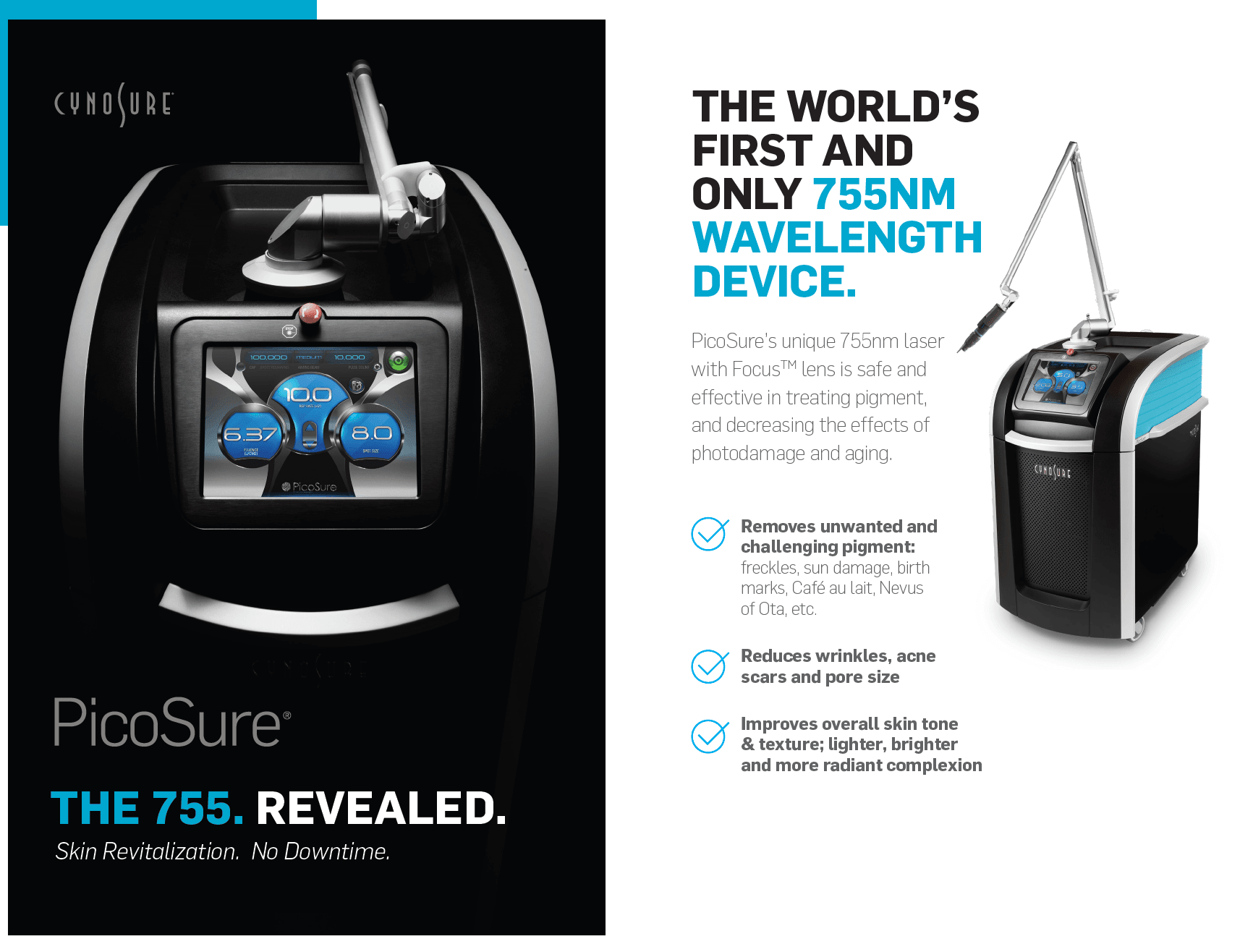
Top 10 Picosecond Laser Machine Manufacturers for Clinics in 2026
LEARN MOREYou may also like


Further reading

Tattoo Removal Laser Machine Cost and Ownership Guide
The purchase price is only one part of a tattoo removal laser machine’s cost. A clinic also needs the correct wavelength configuration, cooling, eyewear, room controls, staff training, documentati...

CO2 Laser Treatment Room Setup Checklist
A CO2 laser purchase is not complete until the treatment room can support safe, repeatable operation. Room planning should happen before shipment so the clinic can address smoke evacuation, access...

Aesthetic Machine Factory Acceptance Test Before Shipment
LEFISA factory acceptance test, or FAT, gives the buyer a defined point to confirm that the machine matches the order and completes agreed checks before shipment. It does not replace regulatory re...

Aesthetic Machine Warranty and Spare Parts Guide
A warranty is useful only when it explains what happens after a fault is reported. The number of warranty months matters, but the coverage, exclusions, evidence requirements, parts location, labor...


