

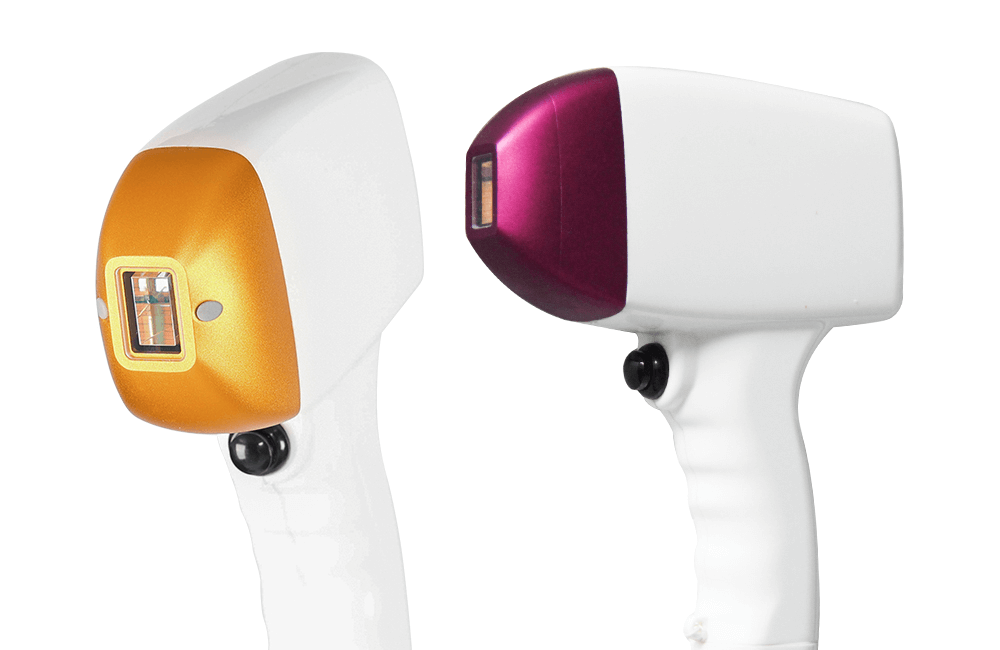
What Is IPL Hair Removal? The Full Guide to Technology. Safety. and Results
For decades. the quest for smooth skin involved a messy array of razors. sticky waxes. and painful epilators. Then came IPL (Intense Pulsed Light). a technology that promised to move hair removal out of the bathroom and into the realm of high-tech light therapy.
But as IPL became a household name. so did the confusion. Is it a laser? Does it work on everyone? Why do some people see results in weeks while others see none at all? In this guide. we’ll strip away the marketing jargon and explain exactly what IPL is. how it compares to professional diode lasers. and how to decide if it’s the right fit for your skin.
What Is IPL? (Hint: It’s Not a Laser)
The most common misconception in the beauty industry is that IPL is a type of laser. While both use light to target hair. they are fundamentally different tools.
- Laser Hair Removal: Uses a single. concentrated wavelength of light (like a high-powered rifle). It is precise and travels deep into the skin to hit the hair follicle without affecting the surrounding area.
- IPL (Intense Pulsed Light): Emits a broad spectrum of light (like a powerful lightbulb). It sends out multiple wavelengths in a "scattered" fashion.
Think of IPL as a flashlight. It covers a larger area and uses various light colors to target not just hair. but also redness and sunspots. This versatility is why IPL is often found in multi-purpose skin rejuvenation machines.
The Science: How Light Turns Into Smooth Skin

IPL works based on a principle called Photothermolysis. Here is the step-by-step breakdown of what happens when you press the "flash" button:
- Absorption: The device sends out a bright flash of light. The melanin (dark pigment) in your hair shaft acts like a lightning rod. absorbing that light.
- Conversion: The light energy is instantly converted into heat.
- Destruction: This heat travels down the hair shaft into the follicle (the "root"). The goal is to heat the follicle to a temperature that "stuns" it or causes enough damage to stop it from producing new hair.
- Shedding: Within 1–2 weeks. the hair that was in the follicle during the treatment will fall out.
IPL vs. Diode Laser: The Professional Comparison
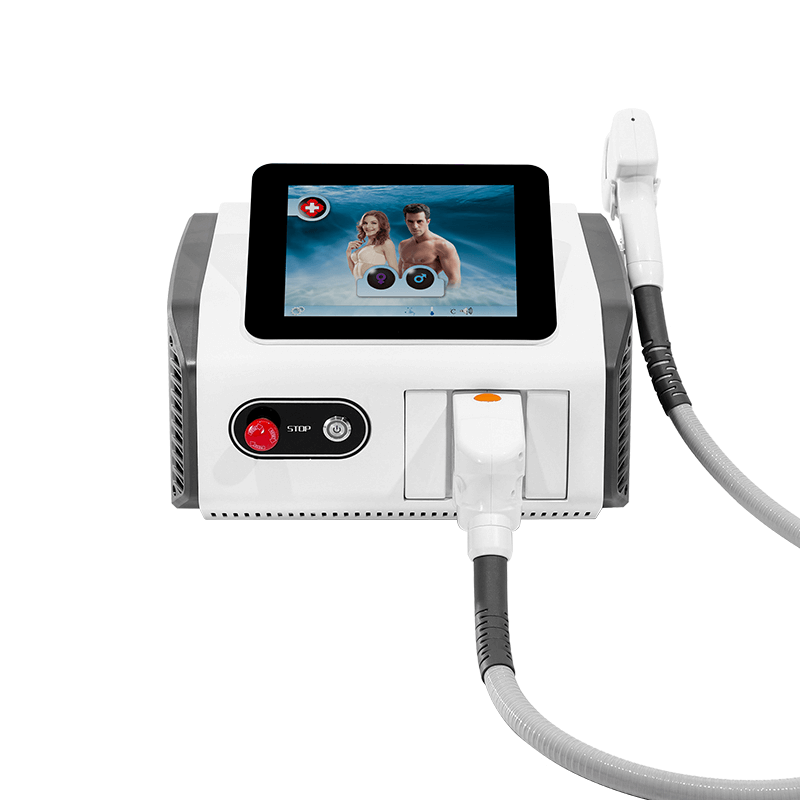
If you are looking for hair removal solutions. you’ll likely choose between an IPL system and a Diode Laser (like the Lefis Diode platforms). Here is how they compare in a clinical setting:
Precision and Depth
Because a Diode laser uses a specific wavelength (usually 808nm). it penetrates deeper into the dermis. IPL light is more superficial. This means Diode lasers are generally more effective at destroying the "bulb" of the hair. leading to fewer sessions required for permanent results.
Skin Tone Safety
IPL is notoriously difficult to use on darker skin tones (Fitzpatrick IV-VI). Because IPL uses a broad spectrum of light. the skin's surface melanin can accidentally absorb the energy. leading to burns or pigmentation changes. Professional Diode lasers. however. can be "tuned" to ignore the skin's surface and target only the deep hair root. making them much safer for a global range of skin tones.
Comfort
IPL flashes can feel like a hot "snap" against the skin. Modern Diode systems. such as those from Lefis. incorporate Sapphire Cooling Technology. which keeps the skin at a constant chilled temperature. often making the laser feel more comfortable than a broad-spectrum IPL flash.
The Results: What Can You Honestly Expect?
It is important to manage expectations: neither IPL nor Laser offers "100% permanent" removal in the sense that you will never see a single hair again. Instead. they offer Permanent Hair Reduction.
- After 3 Sessions: You will notice hair growing back slower and patchier.
- After 6–8 Sessions: Most people see a 70–https://www.google.com/url?q=https://www.lefislaser.com/k12-diode-laser-hair-removal-machine-lefis/&sa=D&source=editors&ust=1770657151159296&usg=AOvVaw0HpOGNbPAKQvIPkDOT2POG90% reduction in hair.
- The "Maintenance" Phase: Because of hormonal changes. you may need a "touch-up" session once or twice a year to keep the skin perfectly smooth.
Is IPL Safe for Everyone?
Safety is the most critical part of the IPL conversation. To use IPL safely. there must be a contrast between the hair and the skin.
- The Ideal Candidate: Pale skin with dark hair. The light "sees" the dark hair easily against the white background.
- The Difficult Candidate: Red. blonde. or grey hair. These hairs lack the melanin (pigment) needed to absorb the light.
- The High-Risk Candidate: Very dark or tanned skin. The skin contains so much melanin that the IPL light can't distinguish between the hair and the skin. which can lead to blistering.
Professional IPL vs. Home Devices
In the last five years. home IPL devices have exploded in popularity. While they use the same basic technology as the machines in a doctor's office. there are huge differences:
- Power: A professional IPL system has significantly higher "fluence" (energy). A home device might take 12 treatments to see what a professional machine can do in 4.
- Safety Sensors: Professional machines are operated by trained technicians who manually adjust the settings based on your skin's reaction. Home devices rely on automated sensors that are often "dumbed down" for safety. which limits their effectiveness.
- Speed: Treating full legs with a home device can take an hour. A professional system with a large spot size can do it in 15 minutes.
Maximizing Your IPL Results
To get the most out of any light-based treatment:
- Stop Waxing: If you pull the hair out by the root. there is no "conductor" for the light to travel down. You must shave before your session so the hair is present inside the follicle.
- Avoid the Sun: A tan (even a fake one) increases the melanin in your skin. making the treatment more dangerous and less effective.
- Consistency is Key: Hair grows in cycles (Anagen. Catagen. and Telogen). IPL only kills hair in the "Anagen" (growth) phase. If you miss an appointment. you miss an entire cycle of hair growth.
Summary: Should You Choose IPL?
IPL is an excellent. cost-effective entry point into the world of hair removal. It is fantastic for people with fair skin and dark hair who want a non-invasive way to reduce grooming time.
However. for those seeking the most efficient. comfortable. and "permanent" results or for those with darker skin tones a Professional Diode Laser remains the superior choice. Manufacturers like Lefis have bridged the gap by creating lasers that offer the speed of IPL with the safety and power of medical-grade light.
Frequently Asked Questions
Is IPL hair removal permanent?
IPL provides long-term hair reduction. While many follicles are permanently disabled. some may eventually recover or be triggered by hormonal changes (like pregnancy or menopause). Most people require a touch-up session once or twice a year to maintain total smoothness.
Does IPL cause cancer?
No. IPL uses non-ionizing radiation. The light pulses are designed to heat the hair follicle but do not have enough energy to penetrate the cell nucleus or damage DNA. There is no clinical evidence linking IPL to skin cancer.
Why isn't my IPL device working on my blonde hair?
IPL relies on melanin (dark pigment) to absorb light and create heat. Blonde. red. and grey hairs have very little melanin. meaning they don't get hot enough to destroy the follicle. For these hair colors. electrolysis is usually a better option.
Can I use IPL on my face?
Yes. most professional and home IPL devices are safe for the face (chin. upper lip. sideburns). However. you must never use IPL near the eyes or on the eyebrows. as the bright flash can cause permanent damage to your retinas.
How many sessions do I need?
On average. most people need 6 to 10 sessions to see significant results. Because only about 15-20% of your hair is in the "growth" phase at any given time. you need multiple sessions spread 4-6 weeks apart to catch every hair.
Is IPL the same as a "Laser"?
Technically. no. A laser uses one specific wavelength of light. whereas IPL uses a broad spectrum of light. Laser is generally more powerful and precise. while IPL is more versatile and can be used for other skin treatments like fading sunspots.


Looking for something else?

Do Men Get Cellulite? Causes Differences & What to Know
LEARN MORE
Does Radio Frequency Skin Tightening Work? Results & How It Works
LEARN MORE
Do You Shave Before Laser Hair Removal? Prep Tips & Why It Matters
LEARN MORE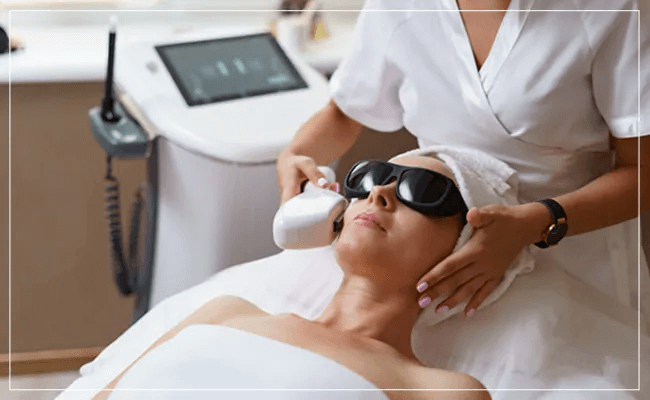
How to Get Rid of Age Spots: Treatments. Natural Remedies & Prevention
LEARN MORELooking for something else?
How to Heal Ingrown Hair: Causes. Treatments & Healing Time
LEARN MORE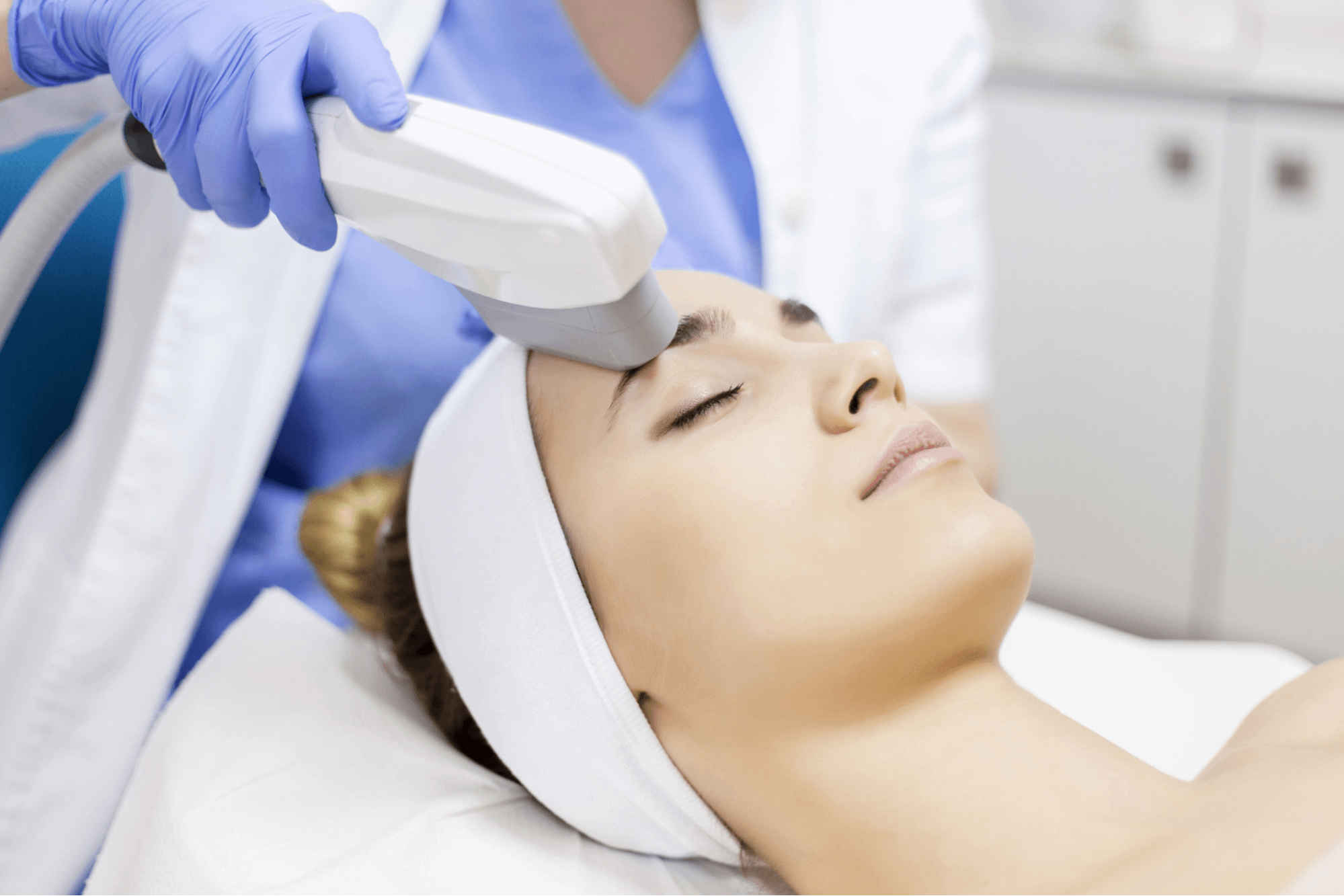
How to Get Rid of Freckles: Effective Treatments & Natural Tips
LEARN MORE
Top 10 Picosecond Laser Machine Manufacturers for Clinics in 2026
LEARN MOREYou may also like


Further reading

Tattoo Removal Laser Machine Cost and Ownership Guide

CO2 Laser Treatment Room Setup Checklist

Aesthetic Machine Factory Acceptance Test Before Shipment


