

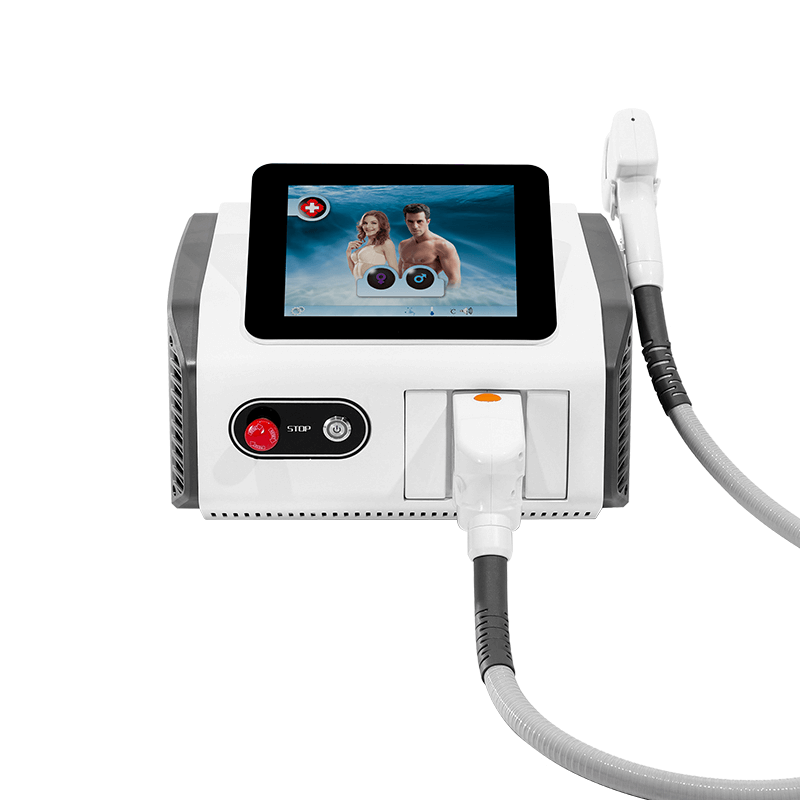
How to Heal Ingrown Hair: Causes. Treatments & Healing Time
If you regularly shave. wax. or tweeze. you have likely encountered the sharp sting and unsightly red bump of an ingrown hair. Often referred to as "razor bumps." These skin irritations occur when a hair follicle curves back and grows into the skin rather than rising through the surface. While they are a common aesthetic nuisance untreated ingrown hairs can lead to painful cysts. permanent scarring. and secondary infections.
In this guide. We will explore the biological causes of ingrown hairs. how to heal them efficiently at home. and why professional Diode Laser technology is considered the most effective long-term solution.
What Is an Ingrown Hair?
An ingrown hair (pseudofolliculitis barbae) happens when a hair strand, often sharpened by a razor blade. is unable to penetrate the dermis or curls back into the follicle. The body recognizes this trapped hair as a foreign object. triggering an inflammatory response. This results in localized redness. swelling, and sometimes the formation of a pus-filled papule.
Common Causes of Ingrown Hair
Understanding why they occur is the first step in learning how to heal an ingrown hair.
- Improper Shaving and Waxing: Shaving "too close" or pulling the skin taut during hair removal can cause the remaining hair to retreat beneath the skin's surface. As it grows. it lacks a clear path out. leading to an "ingrown."
- Hair Texture and Genetics: People with coarse. thick. or curly hair are statistically more prone to this condition. Curly hair naturally bends. making it more likely to re-enter the skin. In fact. Studies show that up to 60-80% of Black men experience some form of razor bumps (pseudofolliculitis barbae) due to the natural curvature of their hair follicles.
- Friction: Tight clothing, especially in the pubic area or inner thighs. creates friction that pushes hair back into the skin and traps sweat and bacteria. exacerbating the problem.
Symptoms: Recognizing Cysts and Infections
Most ingrown hairs are minor. but they can escalate. Symptoms include:
- Solid or pus-filled bumps: Known as papules or pustules.
- Hyperpigmentation: Darkening of the skin around the bump.
- The "Loop": You may see the hair just beneath the surface. forming a dark loop.
- Ingrown Hair Cyst: If the hair remains trapped. It can form a deep painful cyst. How to heal an ingrown hair cyst requires patience; squeezing it can push the infection deeper. leading to cellulitis.
How to Heal Ingrown Hair: Step-by-Step

At-Home Remedies
If the area is not severely infected. Follow these steps to encourage the hair to surface:
- Warm Compress: Apply a warm. damp washcloth to the area for 10 minutes, three times a day. This softens the skin and "opens" the follicle.
- Gentle Exfoliation: Use a soft-bristled brush or a mild chemical exfoliant (like Salicylic acid) to remove dead skin cells that may be blocking the hair's path.
- Topical Antiseptics: Apply tea tree oil or a benzoyl peroxide cream to reduce bacteria and swelling.
Professional Medical Treatments
If at-home care fails. a dermatologist may intervene:
- Steroid Creams: To reduce intense inflammation and redness.
- Retinoids: To speed up skin cell turnover and clear out blockages.
- Sterile Drainage: A professional can safely drain an ingrown hair cyst to prevent scarring.
Professional Laser Intervention (The Lefis Solution)
The only way to truly "heal" a chronic ingrown hair problem is to stop the hair from growing improperly in the first place. This is where Diode Laser technology shines.
Lefis Laser systems. such as the K12 Diode Laser. use selective photothermolysis to target the melanin in the hair follicle. By delivering precise energy. The laser damages the follicle's ability to produce hair.
- Why it works: Unlike shaving, which sharpens the hair tip. Laser treatment thins the hair and eventually eliminates the follicle.
- Safety for all skin types: Lefis technology is engineered with advanced contact cooling, making it safe for dark and mixed skin tones (Fitzpatrick IV-VI) who are often most at risk for ingrown hairs.
Healing Time: How Long Does It Take?

Patients often ask. "How long for an ingrown hair to heal?"
- Minor Bumps: With proper care and no picking, a standard ingrown hair usually resolves in 3 to 7 days.
- Cysts and Infected Bumps: These can take 2 to 4 weeks to fully flatten and disappear.
- Hyperpigmentation: The dark spot left behind after the hair is gone can take several months to fade. though chemical peels or Q-Switched lasers can speed this up.
Prevention Tips for Smooth Skin
- Switch to Laser: Transitioning to professional laser hair removal reduces the need for daily shaving. which is the #1 cause of bumps.
- Never Shave Dry: Always use a high-quality shaving gel and a sharp. single-blade razor.
- Moisturize: Keeping the skin soft makes it easier for new hair to break through the surface.
- Exfoliate Weekly: A consistent exfoliation routine prevents dead skin from "clogging" the follicles.
When to See a Doctor
You should seek professional help if:
- The bump is extremely painful and hot to the touch.
- You see red streaks radiating from the bump (a sign of spreading infection).
- The "cyst" does not improve after two weeks of warm compresses.
- You are experiencing chronic scarring or keloids in the area.
Frequently Asked Questions
How to heal ingrown pubic hair quickly?
The pubic area is sensitive and prone to moisture. Keep the area dry. wear loose cotton underwear. and use a warm compress. Avoid shaving the area until it is 100% healed.
Can I use a needle to pull out the hair?
Only if the hair has already broken the surface. Use a sterile needle to gently lift the loop out. Never dig into the skin. as this creates a "portal" for bacteria and leads to scarring.
Why do I get more ingrown hairs than others?
This is usually down to hair texture. Curly or coarse hair has a natural tendency to turn back into the skin. Statistics show that people of African or Mediterranean descent often have hair growth patterns that increase the risk of pseudofolliculitis.
Is laser hair removal permanent?
It provides "stable, long-term hair reduction." While some fine hairs may eventually return due to hormonal changes. The incidence of ingrown hairs is typically reduced by over 90% after a full course of treatment.
How to heal an ingrown hair cyst without surgery?
Consistent warm compresses and topical ichthammol salve (drawing salve) can help the cyst come to a head and drain naturally. Do not attempt to "pop" a deep cyst at home.
Conclusion
Learning how to heal ingrown hair involves a balance of immediate care and long-term prevention. While topical remedies and warm compresses provide temporary relief. They do not address the root cause: the hair follicle itself.
By investing in professional Lefis Diode Laser treatments. you can effectively "shut down" the problematic follicles. ensuring smooth. bump-free skin.


Looking for something else?

Do Men Get Cellulite? Causes Differences & What to Know
LEARN MORE
Does Radio Frequency Skin Tightening Work? Results & How It Works
LEARN MORE
Do You Shave Before Laser Hair Removal? Prep Tips & Why It Matters
LEARN MORE
How to Get Rid of Age Spots: Treatments. Natural Remedies & Prevention
LEARN MORELooking for something else?
How to Heal Ingrown Hair: Causes. Treatments & Healing Time
LEARN MORE
How to Get Rid of Freckles: Effective Treatments & Natural Tips
LEARN MORE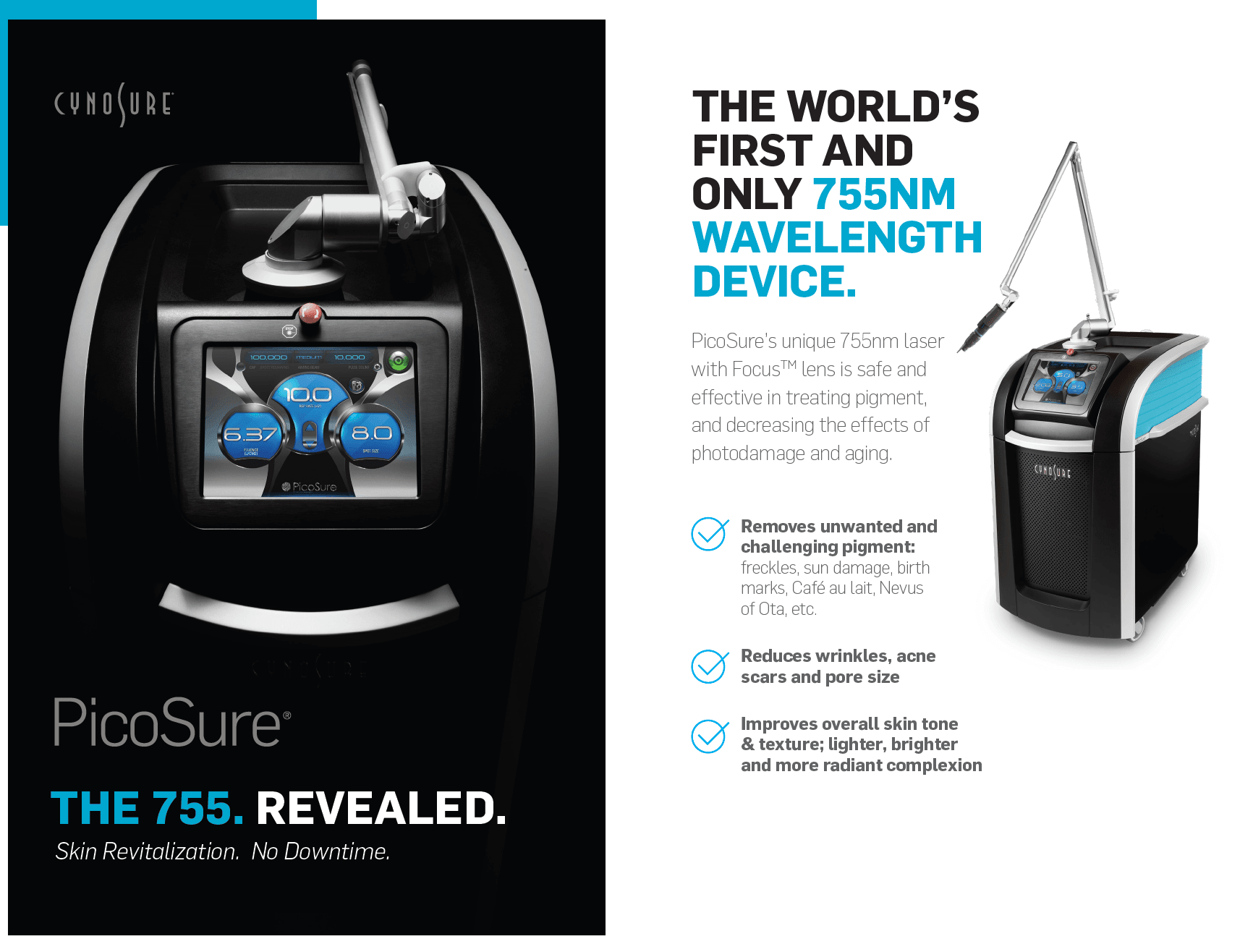
Top 10 Picosecond Laser Machine Manufacturers for Clinics in 2026
LEARN MOREYou may also like


Further reading

Tattoo Removal Laser Machine Cost and Ownership Guide

CO2 Laser Treatment Room Setup Checklist

Aesthetic Machine Factory Acceptance Test Before Shipment


