


Does Radio Frequency Skin Tightening Work? Results & How It Works
In the modern world of aesthetic medicine the demand for non-invasive procedures has skyrocketed. Patients are increasingly looking for ways to reverse the signs of aging sagging skin fine lines and loss of elasticity without the risks scarring or lengthy recovery times associated with traditional surgery. This brings us to a pivotal question: Does radio frequency skin tightening work?
The short answer is yes. Radio frequency (RF) technology has become a cornerstone of clinical dermatology offering a scientifically proven method to firm the skin from the inside out. In this comprehensive guide, we will explore the mechanics of RF energy what the results look like and how it compares to other technologies like the high-end systems found at Lefis Laser.
What Is Radiofrequency Skin Tightening?
Radiofrequency skin tightening is a non-surgical aesthetic treatment designed to reduce signs of aging by tightening the skin’s structure. Unlike topical creams that work on the surface or lasers that often target pigmentation RF energy focuses on the deeper layers of the skin (the dermis).
As we age our natural production of collagen and elastin the two proteins responsible for skin firmness and "snap-back" begins to slow down. This biological decline leads to the common issues we see in the mirror: drooping jowls "crepey" neck skin and deepening wrinkles. RF treatments are designed to "trick" the body into thinking it has been injured thereby jumpstarting the production of these essential proteins.
How Does Radiofrequency Skin Tightening Work?

To understand how RF works we have to look at the relationship between heat and collagen.
1. Controlled Thermal Energy
RF devices emit energy in the form of electromagnetic waves. When these waves penetrate the skin they meet resistance from the internal tissues. This resistance generates precision heat. The goal is to heat the deeper dermal layers to a specific temperature (usually between 50°C and 75°C) while keeping the surface of the skin (the epidermis) cool and protected.
2. Collagen Denaturation
When collagen fibers are heated to this optimal temperature they undergo "denaturation." This causes the fibers to shorten and thicken providing an immediate (though temporary) tightening effect.
3. The Neocollagenesis Phase
The real magic happens in the weeks following the treatment. The controlled heat is perceived by the body as a "thermal injury." In response the body’s healing mechanism activates triggering neocollagenesis the formation of new collagen fibers. Over time these new fibers create a denser tighter scaffold for the skin.
Popular Types of RF Treatments
Not all RF treatments are created equal. Depending on your goals a practitioner might recommend different delivery methods:
RF Microneedling
This is a powerful "double-threat" treatment. It combines the mechanical benefits of microneedling with the thermal benefits of RF. Devices like Potenza™ use tiny needles to create micro-channels in the skin. Once the needles are at the correct depth they release a burst of RF energy. This ensures the heat is delivered exactly where it’s needed making it highly effective for acne scars and deep texture issues.
Thermage®
One of the most well-known "monopolar" RF treatments Thermage uses a combination of deep heating and integrated cooling. It is designed to treat the dermis and subcutaneous tissue simultaneously. It is famous for being a "one-and-done" procedure though results build over several months.
Thermi™ (ThermiTight)
This is a "sub-dermal" RF treatment. A tiny probe is inserted under the skin through a micro-incision to deliver heat directly to the tissue. This is often used for areas that require more significant lifting such as the neck jawline or knees.
ThermiSculpt³
This proprietary approach is often used for jawline reshaping. It combines RF tightening with liposuction to remove fat and dermal fillers to sculpt the area providing a "non-surgical facelift" result.
When Will You See Results & How Long Do They Last?

Patience is key when it comes to radiofrequency. Because the treatment relies on your body’s biological clock to grow new collagen you won't see the final result overnight.
- 1–2 Weeks: You may notice a slight "glow" or a temporary tightening due to initial tissue contraction.
- 6 Weeks: This is when the new collagen starts to reach the surface. You will notice a visible reduction in fine lines and improved skin tone.
- 3–6 Months: This is the "peak" result period. The skin appears firmer more lifted and more youthful.
How long does it last? Generally results last between 1 to 2 years. However this depends heavily on your lifestyle. Factors like sun exposure smoking and your natural aging process will dictate how long that new collagen stays vibrant. Most dermatologists recommend a "maintenance" session once a year to keep the results fresh.
Who Is a Good Candidate?
RF skin tightening is incredibly versatile and safe for almost all skin types (unlike some lasers which can be risky for darker skin tones).
You are a great candidate if you have:
- Mild to moderate skin laxity (sagging).
- Fine lines and wrinkles around the eyes or mouth.
- "Turkey neck" or sagging skin under the jawline.
- Post-pregnancy "crepey" skin on the abdomen.
- A desire for improvement without the downtime of surgery.
You should avoid RF if:
- You have a pacemaker or metal implants in the treatment area (the RF energy can interfere with these).
- You are pregnant.
- You have an active skin infection or severe rosacea in the target area.
What to Expect After Treatment

The beauty of RF tightening is the minimal "social downtime."
- Immediately After: Your skin will likely look flushed or pink similar to a mild sunburn. It may feel warm or slightly tender.
- 24–48 Hours: Any redness or slight swelling typically subsides.
- Post-Care: You should avoid extreme heat (saunas hot tubs) and strenuous exercise for at least 24 hours. Direct sun exposure should be avoided and a high-SPF sunscreen is mandatory to protect the newly treated skin.
Comparison: RF vs. Fractional CO2 Laser
Many patients ask whether they should choose RF or a Fractional CO2 Laser. While both stimulate collagen they serve different primary purposes.
- Fractional CO2 Laser: (Like the systems from Lefis Laser) is an "ablative" or "semi-ablative" technology. It removes the surface layer of skin. It is the gold standard for scars deep wrinkles and pigmentation. It requires about a week of downtime.
- Radiofrequency: Is "non-ablative." It leaves the surface of the skin entirely intact. It is the gold standard for tightening and lifting sagging skin. It requires zero to minimal downtime.
Often the best results come from combining these technologies using a CO2 laser to fix the surface texture and RF to lift the underlying structure.
Conclusion
Does radiofrequency skin tightening work? Absolutely. It is one of the most reliable science-backed methods for firming the skin without going under the knife. While it won't replace a surgical facelift for someone with severe sagging it is an ideal "preventative and restorative" treatment for those looking to maintain a youthful tight contour.
By choosing an experienced practitioner and the right technology you can achieve a natural refreshed look that lasts for years.
Frequently Asked Questions
Is radiofrequency skin tightening painful?
Most modern RF devices include cooling tips or "pulsed" energy delivery to make the treatment comfortable. You will feel a sensation of deep heat but it should not be painful. For RF Microneedling a numbing cream is usually applied.
How many sessions do I need?
This depends on the device used. Some treatments like Thermage are marketed as a single session. However for standard RF tightening a series of 3 to 5 sessions spaced 4 weeks apart is usually recommended for the best results.
Can I do RF skin tightening if I have fillers or Botox?
Yes but timing is important. It is generally recommended to wait at least 2 to 4 weeks after getting fillers before having an RF treatment in that same area as the heat could potentially affect the longevity of the filler.
Are there any side effects?
Side effects are rare and usually mild. They include temporary redness slight swelling or tingling. In very rare cases if the device is used incorrectly there is a risk of small blisters or "atrophic" (depressed) spots if the fat layer is overheated.
Does it work on the body as well as the face?
Yes! RF is very popular for tightening the skin on the stomach "bat wings" on the arms and sagging skin above the knees.
"Radiofrequency skin tightening: does it work" for acne scars?
While standard RF helps slightly by boosting collagen RF Microneedling is the preferred version for acne scars. It combines the skin-smoothing benefits of needles with the tightening power of RF energy.


Looking for something else?

Do Men Get Cellulite? Causes Differences & What to Know
LEARN MORE
Does Radio Frequency Skin Tightening Work? Results & How It Works
LEARN MORE
Do You Shave Before Laser Hair Removal? Prep Tips & Why It Matters
LEARN MORE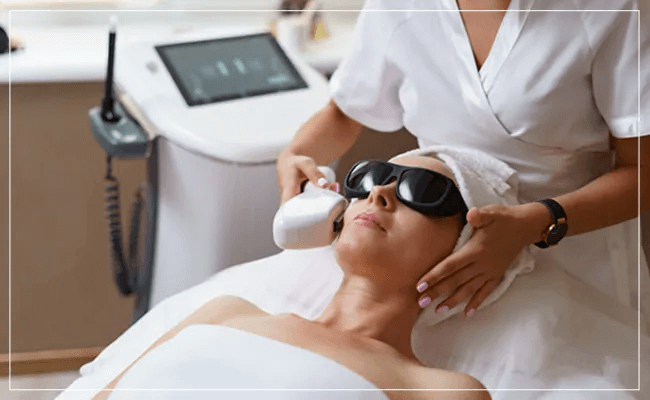
How to Get Rid of Age Spots: Treatments. Natural Remedies & Prevention
LEARN MORELooking for something else?
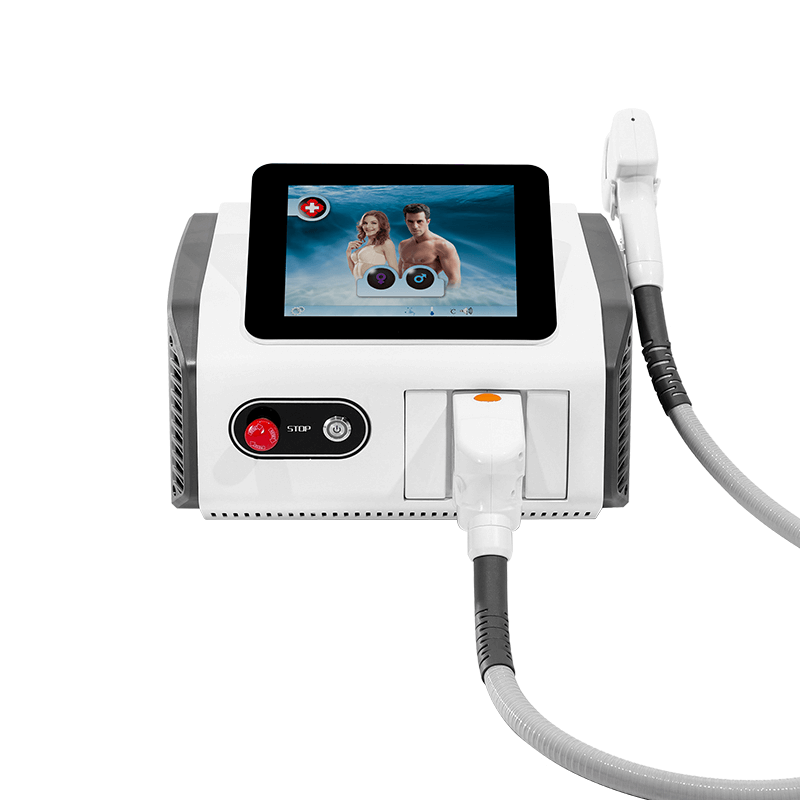
How to Heal Ingrown Hair: Causes. Treatments & Healing Time
LEARN MORE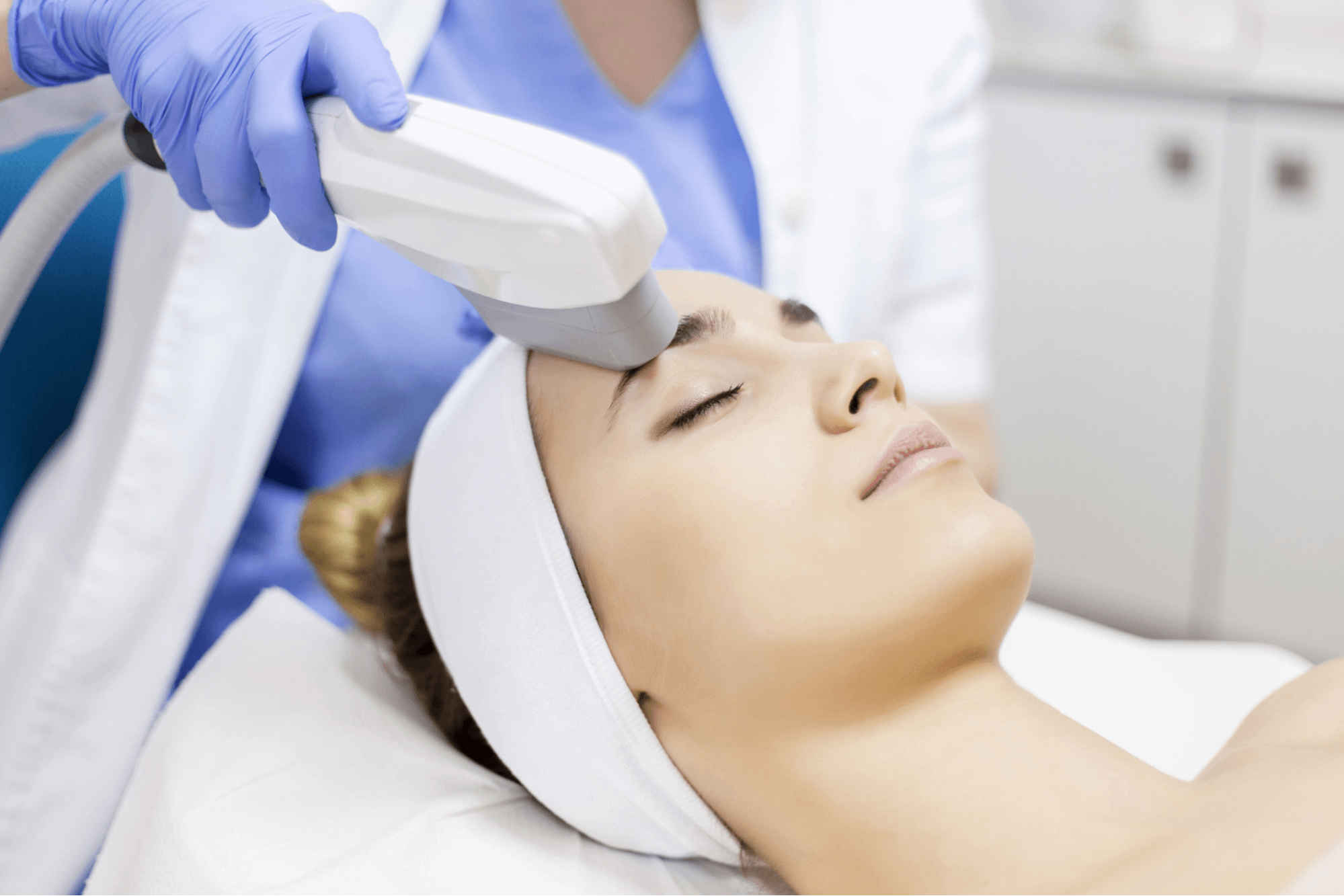
How to Get Rid of Freckles: Effective Treatments & Natural Tips
LEARN MORE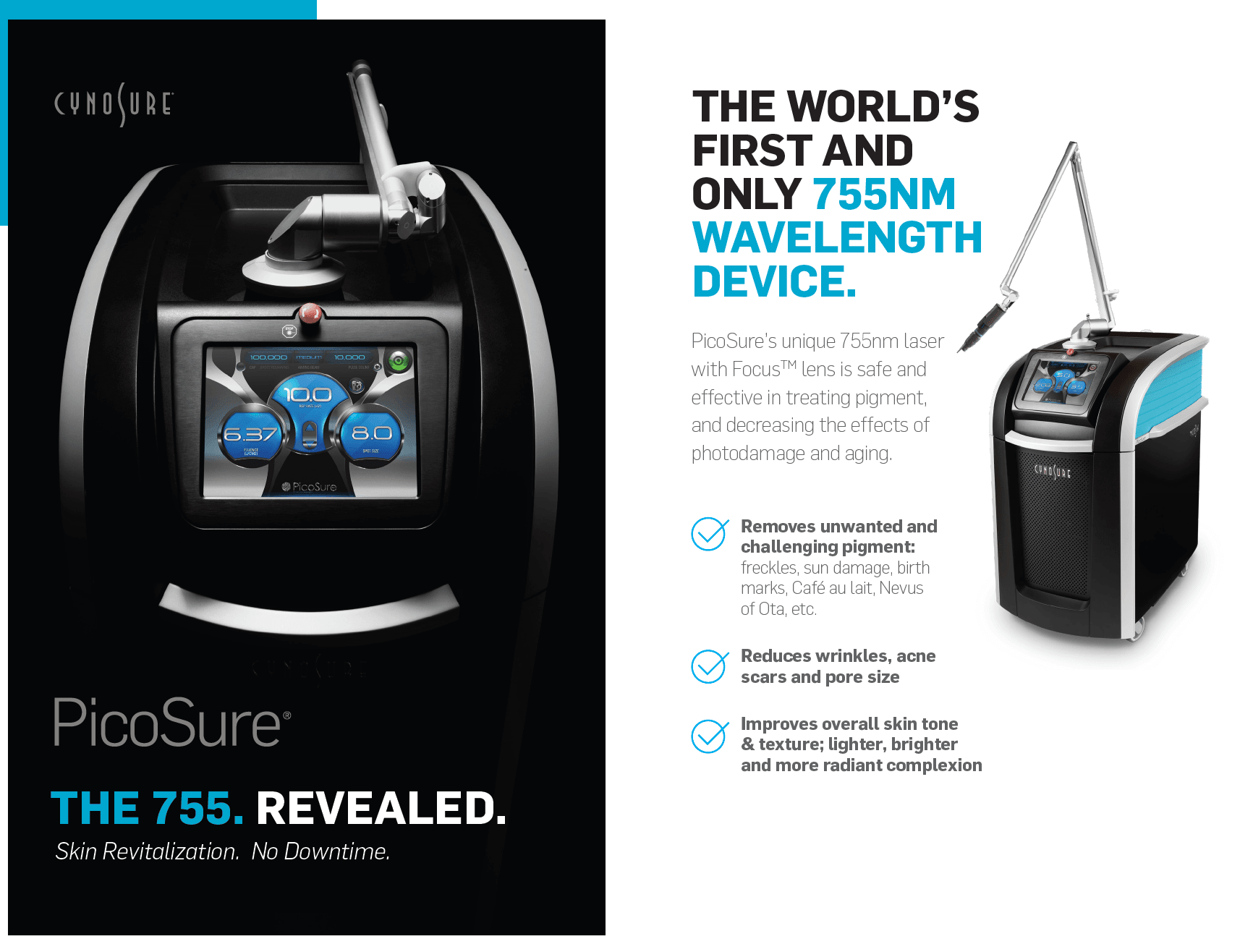
Top 10 Picosecond Laser Machine Manufacturers for Clinics in 2026
LEARN MORE
Further reading

Tattoo Removal Laser Machine Cost and Ownership Guide

CO2 Laser Treatment Room Setup Checklist

Aesthetic Machine Factory Acceptance Test Before Shipment


