

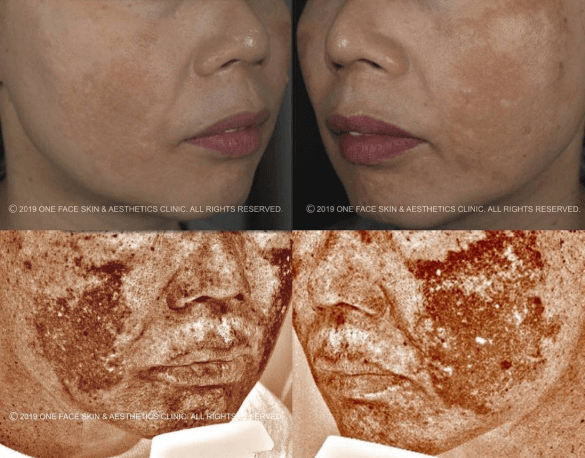
Picosecond for Melasma: Indications & Risks (A Clinic-First Guide)
Melasma is stubborn, recurrent, and emotionally exhausting for patients. Lasers—including picosecond platforms—can help, but they also carry real risks, especially post-inflammatory hyperpigmentation (PIH) and rebound. This guide translates the current evidence into practical steps for case selection, parameter planning, risk control, documentation, and follow-up. It’s written for clinics and buyers who want realistic protocols, not hype.
Picosecond laser for melasma is not first-line care. It can be useful for carefully selected cases—usually after sun protection and topical therapy—when performed conservatively, with protocols that minimize heat and respect skin of color. Evidence is promising but mixed, and recurrence remains common.
Where the evidence sits right now
Recent reviews and trials suggest picosecond devices (most commonly 1064 nm and 532 nm) can improve melasma scores, sometimes with less pain and potentially lower risk of exacerbation versus older nanosecond approaches—though the overall efficacy is similar in some head-to-heads, and robust randomized data are still limited. Low-fluence, fractional picosecond 1064 nm added to hydroquinone has outperformed hydroquinone alone in a controlled study, and split-face comparisons show comparable clearance to nanosecond with better tolerability.
Guideline and educational resources remain cautious: lasers can worsen melasma or induce PIH if used aggressively or without strict photoprotection and pigment-suppressive skincare. They are positioned as adjuncts for resistant cases rather than routine first-line therapy.
Indications: who is (and isn’t) a good candidate?
Consider picosecond when all applies:
- The diagnosis is true melasma (not just PIH alone), confirmed clinically and—with dermoscopy or Wood’s lamp if helpful—mapped as epidermal, dermal, or mixed.
- The patient has plateaued on rigorous broad-spectrum SPF/visible-light protection and topical tyrosinase-inhibitors (e.g., hydroquinone/alternatives), +/- oral or topical adjuncts per your protocol.
- Expectations are conservative: improvement rather than permanent erasure; understanding that maintenance and recurrence control are part of the plan.
- You have the ability to run low-fluence, large-spot, short-pulse protocols with fractional or diffractive lens array (DLA) optics and to pause or stop at early signs of irritability or mottling.
Defer or avoid picosecond when:
- The patient won’t (or can’t) do daily SPF + iron-oxide/tinted protection and strict photoprotection.
- There’s active dermatitis, infection, or recent aggressive procedures on target areas.
- The patient desires “one-and-done” results or is intolerant of gradual, multi-session courses and maintenance skincare.
- You cannot ensure post-procedure follow-up to manage early PIH or rebound quickly.
Selecting wavelength & optics by pigment depth
- Epidermal-predominant melasma: Consider 532 nm with very conservative, fractional/DLA delivery in lighter phototypes only; epidermal melanin absorbs efficiently, so tiny fluence changes matter. Many clinics still prefer to avoid 532 nm in darker skin because of PIH risk.
- Dermal/mixed melasma or darker phototypes (III–VI): Favor 1064 nm picosecond at low fluence with fractional/DLA optics to spread energy and reduce thermal load; pair with pigment-suppressive skincare.
Several contemporary reviews emphasize that picosecond benefits may relate more to tolerability and reduced aggravation than to dramatically superior clearing; plan your counseling accordingly.
Parameter mindset: “Low-fluence, long-view”

The melasma-friendly picosecond playbook looks different from tattoo settings:
- Fluence: err low. Think sub-threshold, test-spotted values that do not induce immediate whitening, with a bias toward larger spots.
- Delivery: fractional/DLA optics to generate micro-injury with spatial separation; avoid high-density stacking.
- Pace: Generous intervals (often 4–8+ weeks) to allow pigment processing and to monitor for rebound; no “weekly quick hits.”
- Endpoint: No visible frosting; stop well before edema/erythema escalate. You’re chasing nudges, not dramatic instant lightening.
Risk map: PIH, rebound, mottling, and “voids”
Post-inflammatory hyperpigmentation (PIH)
The core risk, especially in skin of color and in mixed/dermal melasma. It’s driven by basal layer injury and post-procedure inflammation; once triggered, it can be more persistent than the original melasma. Prevention beats rescue.
Rebound melasma
UV/visible light, heat, and irritation can stimulate melanogenesis even after early gains, explaining “I got lighter, then it came back.” Maintenance and environmental control are non-negotiable parts of “success.”
Mottled hypopigmentation or “voids”
Over-treatment can create scattered, unnatural light patches that are hard to fix. Avoid energy stacking and respect skin response; if in doubt, stop.
PIH prevention: stack the deck before you fire
Pre-treat for 2–4+ weeks with your preferred tyrosinase-inhibitor regimen (e.g., hydroquinone cycles or non-HQ alternatives), strict broad-spectrum + iron-oxide/tinted protection, and behavioral heat/sun avoidance. This reduces background melanogenesis and calms the field before you introduce laser micro-injury.
On treatment day, control heat load: short sessions, cool air, no aggressive passes. Post-procedure, prioritize barrier repair and pigment suppression; delay exfoliants/retinoids until the barrier is clearly recovered.
Building a course (and counseling it clearly)
Set a multi-visit arc from the start. Many clinics counsel 3–6+ conservative sessions, spaced 4–8 weeks apart, reassessing after each visit with standardized photography and mMASI/MASI or your preferred scale. The goal is incremental brightening and texture refinement without tripping PIH; if color worsens or plateaus, stop and reset with medical therapy only.
For truly stubborn cases, consider combination care: gentle chemical peels, microneedling, or topical/oral agents aligned to your protocols. Maintain a low bar for pausing lasers if irritability appears.
Special notes for skin of color
Multiple reviews stress extreme caution in Fitzpatrick IV–VI. When lasers are used, low-fluence 1064 nm with fractional/DLA optics has the most favorable tolerability profile, and sessions must be spaced with rigorous sun and visible-light protection. Document consent that includes specific discussion of PIH risk and recurrence.
Clinic workflow: photography, consent, and quality control

- Diagnose and map melasma type; record baseline triggers (hormonal, heat, sun, cosmetics).
- Obtain explicit consent for medical records and (if relevant) marketing use; clarify revocation rights.
- Standardize photos: same camera/angle/lighting/background each visit; include session number and interval in captions; avoid retouching.
- Track outcomes: MASI/mMASI; patient-reported outcomes; note skincare adherence and sun exposure.
- Stop rules: any early signs of PIH or patterned mottling → hold lasers, intensify topicals/photoprotection, and reassess later.
Common myths your team should retire
“Pico wipes melasma fast.”
Melasma is chronic and light-sensitive; quick, dramatic clearance risks PIH and rebound. The safer play is gentle, gradual, and sometimes slower than patients hope.
“532 nm is always better for pigment.”
Not for melasma in darker tones. Its melanin absorption can backfire as PIH; many clinics lean on 1064 nm low-fluence fractional approaches instead.
“If it’s not improving, stack more energy.”
Over-treatment is how you create complications. Step back to skincare and photoprotection first.
Where combination data fit (and where they don’t)
Combination pico + acoustic shock wave has shown accelerated clearance in tattoo removal without major side effects in early reports; that principle—mechanically aiding pigment elimination—has not been definitively proven in melasma yet. If you explore combinations, label them in any photos and document parameters precisely. Evidence is still evolving; keep expectations grounded.


Looking for something else?

Do Men Get Cellulite? Causes Differences & What to Know
LEARN MORE
Does Radio Frequency Skin Tightening Work? Results & How It Works
LEARN MORE
Do You Shave Before Laser Hair Removal? Prep Tips & Why It Matters
LEARN MORE
How to Get Rid of Age Spots: Treatments. Natural Remedies & Prevention
LEARN MORELooking for something else?
How to Heal Ingrown Hair: Causes. Treatments & Healing Time
LEARN MORE
How to Get Rid of Freckles: Effective Treatments & Natural Tips
LEARN MORE
Top 10 Picosecond Laser Machine Manufacturers for Clinics in 2026
LEARN MOREYou may also like


Further reading

Tattoo Removal Laser Machine Cost and Ownership Guide

CO2 Laser Treatment Room Setup Checklist

Aesthetic Machine Factory Acceptance Test Before Shipment


