

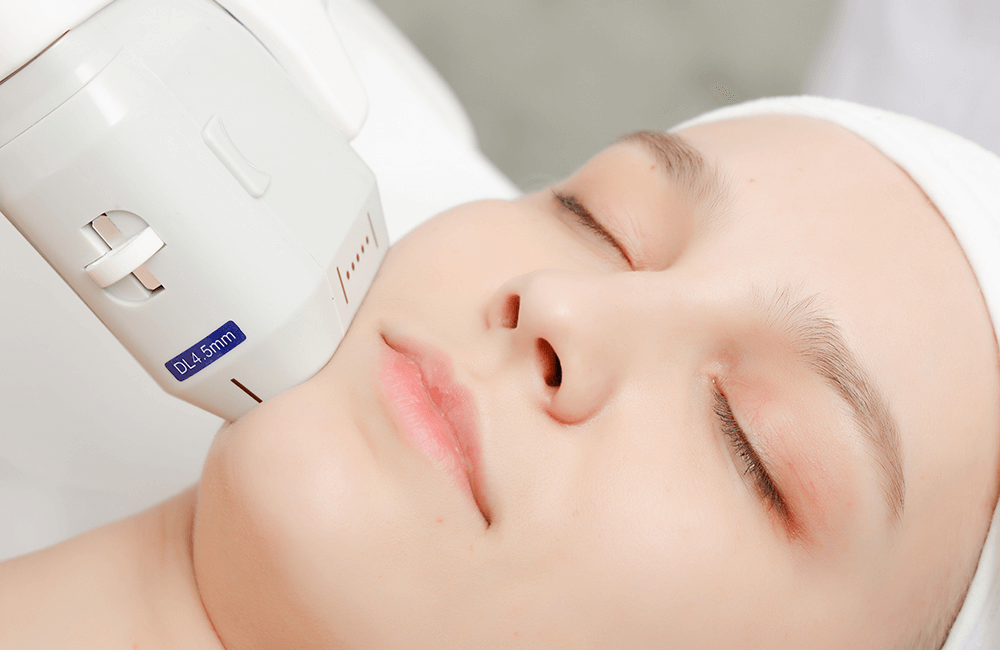
Pico Laser for Hyperpigmentation: Comparing 532 nm and 1064 nm Systems
Uneven skin tone, melasma, and dark spots are among the most common cosmetic concerns faced in clinics today. Traditional treatments—creams, peels, or older Q-switched lasers—often require long recovery times and risk rebound pigmentation.
The pico laser for hyperpigmentation has changed that standard. With ultra-short pulse durations measured in trillionths of a second, it offers faster clearance, less heat damage, and safer outcomes across skin tones.
But not all wavelengths behave the same way. The two primary modes used in pigmentation management are 532 nm (green light) and 1064 nm (infrared light). Understanding how each works helps clinicians select the right tool for every skin type and pigment depth.
How Does a Pico Laser Work for Hyperpigmentation?
A picosecond laser emits pulses lasting billionths to trillionths of a second—far shorter than older nanosecond Q-switched devices. At this microscopic timescale, energy is delivered through a photoacoustic rather than photothermal mechanism.
- The pigment’s melanin granules absorb laser energy.
- Instead of heating them, the energy causes the granules to vibrate and shatter into micro-fragments.
- These particles are then removed naturally by macrophages and the lymphatic system.
Because minimal residual heat is produced, the risk of post-inflammatory hyperpigmentation (PIH) is dramatically reduced.
Why Wavelength Matters
Each wavelength interacts differently with melanin and penetrates to a distinct depth:
|
Wavelength |
Color Region |
Penetration Depth |
Melanin Absorption |
Typical Targets |
|
532 nm |
Green visible light |
Superficial (≈ 0.5–1 mm) |
High |
Epidermal pigment, freckles, sun spots |
|
1064 nm |
Near-infrared |
Deep (≈ 1.5–2 mm or more) |
Moderate |
Dermal pigment, melasma, PIH, darker skin types |
Selecting the correct wavelength is critical for safety and efficacy. Using 532 nm on darker skin can overheat the epidermis; conversely, relying solely on 1064 nm for superficial freckles may yield slower results.
The 532 nm Pico Laser — For Epidermal Lesions

How It Works
The 532 nm wavelength has a stronger absorption coefficient for melanin, making it ideal for shallow pigment located near the skin surface. It acts quickly on:
- Freckles (ephelides)
- Solar lentigines (sun spots)
- Café-au-lait macules
- Superficial PIH
Advantages
- Fast visible lightening—patients often notice change after one session.
- Minimal discomfort due to short pulse width.
- Low risk of scarring when fluence and spot size are correctly set.
Limitations
- High melanin absorption means greater PIH risk in skin types IV–VI.
- Requires precision cooling and gentle fluences to avoid epidermal damage.
- Less effective on deep melasma or dermal pigment.
Clinical Tip
For lighter complexions (types I–III), 532 nm pico laser sessions spaced 4–6 weeks apart can achieve excellent clearance with minimal downtime.
The 1064 nm Pico Laser — For Deep and Mixed Pigmentation

How It Works
The 1064 nm wavelength penetrates deeper while being safer for darker skin. Its lower melanin absorption allows clinicians to treat dermal pigmentation without overheating the epidermis.
Applications
- Melasma and post-inflammatory hyperpigmentation (PIH)
- Ota nevus and Hori’s nevus
- Dermal tattoos or deep birthmarks
- Maintenance treatments after 532 nm sessions
Advantages
- Safe across Fitzpatrick skin types III–VI.
- Less PIH and recurrence risk.
- Improves texture and pores via collagen stimulation (“laser toning” effect).
Limitations
- Multiple sessions (3–6+) often needed for full clearance.
- Subtle improvement after each visit; requires patient education on gradual results.
Comparing 532 nm vs 1064 nm for Hyperpigmentation
|
Feature |
532 nm System |
1064 nm System |
|
Depth of Target |
Epidermal (superficial) |
Dermal (deep) |
|
Best for |
Freckles, lentigines, sun damage |
Melasma, PIH, nevus of Ota |
|
Skin Type Safety |
Light (I–III) |
All types (III–VI preferred) |
|
PIH Risk |
Moderate to High if over-treated |
Low |
|
Sessions Required |
1–3 |
3–6 |
|
Downtime |
24–48 hours redness |
Minimal |
|
Additional Effects |
Brighter complexion, spot clearance |
Improved texture and tone |
In practice, many clinics combine both wavelengths in a dual-pass protocol: 532 nm for surface pigment followed by 1064 nm for deep residual melanin. This balanced approach delivers uniform brightening with minimal rebound.
Does Pico Laser Work for Hyperpigmentation?

Yes. Numerous studies and clinical reports confirm that pico lasers outperform traditional Q-switched systems in treating pigment disorders. The combination of ultra-short pulses and photoacoustic fragmentation means less thermal injury and faster recovery.
Benefits for patients:
- Fewer sessions required for visible results.
- Minimal downtime (usually 1–3 days).
- Low risk of PIH even in darker tones when parameters are well controlled.
- Noticeable radiance and smoothness from collagen activation.
In short: for melasma, PIH, and sun spots, pico laser treatment for hyperpigmentation is clinically effective and safe when proper protocols are followed.
Treatment Protocol Overview
Pre-Treatment Preparation
- Avoid sun exposure and tanning for 2 weeks.
- Discontinue retinoids or exfoliants a few days before session.
- Clean skin thoroughly to remove oils and makeup.
During Treatment
- Apply cooling gel or contact air cooling.
- Use 2–6 mm spot sizes depending on area and pigment density.
- Deliver energy in single passes with even overlap (10–20 %).
- Watch for endpoint signs: mild whitening or frosting indicates melanin fragmentation.
Post-Treatment Care
- Apply soothing serum or cold compress immediately.
- Avoid scratching or peeling of micro-crusts.
- Use broad-spectrum SPF 50 daily to prevent recurrence.
- Hydrate and use antioxidant topicals (Vitamin C, Niacinamide).
Pico Laser Before and After Results
Patients typically observe:
- After 1 session: Lightening of surface spots, brighter complexion.
- After 3 sessions: Reduced pigment density, refined texture.
- After 5 sessions: Significant improvement in melasma and PIH; skin appears smoother and even-toned.
Pico Laser for Hyperpigmentation Before and After Examples
- Face: Freckles fade and overall radiance improves.
- Jawline: Stubborn melasma lightens without redness.
- Neck and Chest: Sun damage and age spots visibly reduced.
Maintenance every 6–12 months preserves clarity and prevents new pigment formation.
Which Pico Laser Is Best for Hyperpigmentation?

The “best” system depends on the clinic’s patient base and skin type mix.
- Clinics treating lighter skin tones: Prefer 532 nm systems for fast spot removal.
- Clinics with diverse complexions: Use dual-wavelength (532 + 1064 nm) platforms for customizable protocols.
- Practices focused on melasma and PIH: Choose stable 1064 nm devices with Genesis or PTP modes for gentle toning.
Dual-wavelength machines allow operators to switch freely between superficial and deep targets—offering the most flexibility for all pigmentation concerns.
Safety Tips for Clinicians
- Perform a test spot on new clients to gauge skin response.
- Adjust fluence based on pigment density and Fitzpatrick type.
- Avoid stacking multiple passes in the same area to prevent heat accumulation.
- Always pair treatment with post-laser sun protection and anti-inflammatory care.
- Educate patients that some temporary darkening may occur as melanin breaks down.
Frequently Asked Questions
Does pico laser work for hyperpigmentation?
Yes. It targets both superficial and deep melanin with minimal heat, making it effective and safe for most skin types.
How many sessions are needed?
Typically 3–6 sessions spaced 4–6 weeks apart for melasma or PIH. Freckles may clear in 1–3 sessions.
Is there downtime?
Only mild redness or micro-flaking for 24–48 hours. No severe peeling or crusting.
Which pico laser is best for hyperpigmentation near me?
Choose clinics offering dual-wavelength pico lasers operated by trained dermatology professionals.
Are results permanent?
Cleared pigment does not return, but new spots may form from sun exposure or hormonal changes. Maintenance is recommended.
Can pico laser be combined with other treatments?
Yes—chemical peels or LED therapy can enhance radiance when spaced appropriately.
Purpose of Dual Wavelength Systems
Dual 532/1064 nm pico lasers provide clinicians a versatile platform to treat multiple pigment types safely. By switching wavelengths, operators can:
- Clear freckles and sun spots quickly (532 nm).
- Fade melasma and PIH gradually (1064 nm).
- Perform full-face brightening and collagen remodeling (Genesis mode).
This flexibility improves outcomes and patient comfort, reducing the need for multiple devices in a single clinic.
Material and Technical Insights
Professional pico lasers combine electro-optical and mechanical precision:
- Laser source: Nd:YAG crystal for 532/1064 nm output.
- Pulse width: 2–6 ns (nanoseconds) in Q-switched mode or < 900 ps in true picosecond models.
- Cooling system: closed-loop water + air circulation to prevent thermal build-up.
- Spot sizes: 2–10 mm with up to 10 Hz repetition for efficient coverage.
- Modes: Genesis (toning) and PTP (photoacoustic dual pulse) for gentler treatments.
Such engineering delivers stable energy output and consistent clinical results over years of use.
Key Takeaways
- The pico laser for hyperpigmentation works through photoacoustic fragmentation of melanin rather than heat.
- 532 nm targets surface spots; 1064 nm penetrates deeper layers safely.
- Dual-wavelength systems provide the most comprehensive approach for mixed pigmentation.
- Expect visible lightening after 1–3 sessions, with continued improvement for months.
- Post-care (sun avoidance and hydration) is essential for stable results.
For clinics, understanding the difference between 532 nm and 1064 nm energy delivery ensures personalized protocols and higher patient satisfaction.


Looking for something else?

Do Men Get Cellulite? Causes Differences & What to Know
LEARN MORE
Does Radio Frequency Skin Tightening Work? Results & How It Works
LEARN MORE
Do You Shave Before Laser Hair Removal? Prep Tips & Why It Matters
LEARN MORE
How to Get Rid of Age Spots: Treatments. Natural Remedies & Prevention
LEARN MORELooking for something else?
How to Heal Ingrown Hair: Causes. Treatments & Healing Time
LEARN MORE
How to Get Rid of Freckles: Effective Treatments & Natural Tips
LEARN MORE
Top 10 Picosecond Laser Machine Manufacturers for Clinics in 2026
LEARN MOREYou may also like


Further reading

Tattoo Removal Laser Machine Cost and Ownership Guide

CO2 Laser Treatment Room Setup Checklist

Aesthetic Machine Factory Acceptance Test Before Shipment


