

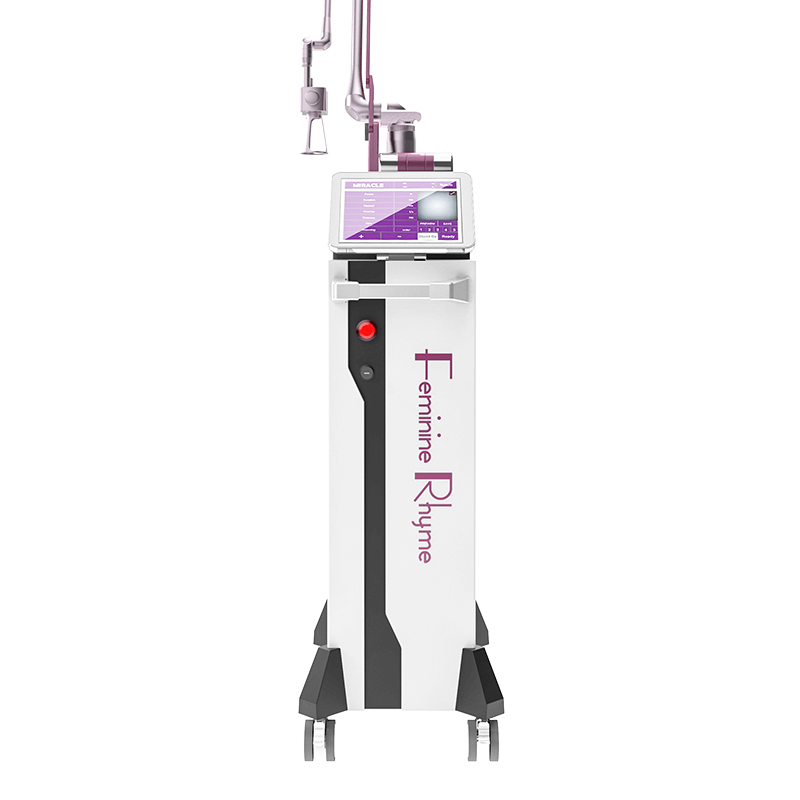
What Is Fractional CO2 Laser? Uses Benefits & How It Works
For decades the quest for "flawless" skin often required a choice between superficial treatments with minimal results or aggressive surgeries with weeks of recovery. However the introduction of the fractional CO2 laser changed the landscape of aesthetic medicine. It bridged the gap by offering transformative results for scars wrinkles and skin texture without the extreme downtime of traditional resurfacing.
If you are looking for a way to "reset" your skin understanding what a fractional CO2 laser is and how it functions is the first step toward achieving your skincare goals.
What Is a Fractional CO2 Laser?
A Fractional CO2 (Carbon Dioxide) laser is a specialized skin resurfacing treatment that uses gas to emit infrared light. This light is absorbed by the water in your skin cells causing controlled vaporization of the upper layers of the dermis.
While CO2 lasers have been used for over 25 years the "fractional" part is the modern breakthrough. Older CO2 lasers were "ablative" meaning they removed the entire surface of the treatment area. This led to long healing times and a high risk of redness.
A fractional CO2 laser like those developed by Lefis Laser works differently. It uses a scanner to break the laser beam into thousands of tiny microscopic pillars of light. These beams create "micro-thermal zones" while leaving 60% to 85% of the surrounding skin completely intact. Because the healthy skin is left untouched between the laser spots the body can heal the treated areas much faster.
How Does Fractional CO2 Laser Work?

The process is a sophisticated combination of "destruction" and "reconstruction." Here is the step-by-step biological mechanism:
- Ablation: As the laser passes over the skin the micro-beams vaporize tiny columns of damaged tissue.
- Thermal Stimulation: Beyond the immediate vaporization the heat from the laser penetrates deeper into the dermis.
- Collagen Synthesis: This heat triggers the body’s natural wound-healing response. The skin begins to produce new collagen and elastin—the proteins responsible for firmness and elasticity.
- Resurfacing: Over the following days the old damaged skin peels away replaced by a smoother tighter and more youthful layer of tissue.
The depth of this treatment can be customized. Modern machines allow practitioners to adjust settings from "pure ablation" (for deep scars) to a "preferential heating effect" (for fine lines and glow).
Key Benefits and Advantages
Why is the fractional CO2 laser considered the "Gold Standard" for skin rejuvenation? Its advantages over other methods are clear:
- Efficiency: Many patients see significant improvement after just one session.
- Reduced Downtime: Unlike traditional CO2 resurfacing which could take weeks to heal fractional technology allows most patients to return to social activities in 5 to 7 days.
- Precision: It targets specific skin depths making it safe for delicate areas like the skin around the eyes or the neck.
- Customization: The intensity can be adjusted based on the patient's schedule. A series of 3 mild treatments can be done with 3-day recoveries or one powerful session can be done with a 7-day recovery.
- Painless Procedure: With the use of modern numbing creams and cooling systems the treatment is practically painless for most.
What Does It Treat? (Indications)

Fractional CO2 lasers are incredibly versatile. They are primarily used to address:
- Wrinkles and Fine Lines: Particularly effective for "crow's feet" around the eyes and smoker's lines around the mouth.
- Atrophic Scars: It is the premier treatment for acne scars helping to "fill in" the depressions by stimulating collagen.
- Actinic Elastosis: This refers to skin slackening or "crepey" skin caused by sun damage.
- Pigmentation Disorders: It helps clear solar lentigines (age spots) and uneven skin tone.
- Dilated Pores: By tightening the skin matrix it reduces the appearance of large pores.
Areas That Can Be Treated
While the face is the most common site the laser is also highly effective on:
- The Neck: To address "necklace lines" and sagging (requires expert precision).
- The Décolleté: To repair sun damage on the chest.
- The Hands: To remove age spots and thicken thinning skin.
Important Contraindications
While safe for many certain conditions may make you ineligible for fractional CO2 laser treatment:
- Pregnancy or breastfeeding.
- Use of oral isotretinoin (Accutane) within the last 6 months.
- Active infections or "cold sores" (Herpes Simplex) in the treatment area.
- A history of hypertrophic (keloid) scarring.
- Current suntan or recent heavy sun exposure.
- Use of blood thinners or photosensitizing medications.
The Treatment Journey: What to Expect

Preparation (3–4 Weeks Before)
Preparation is vital especially for those with darker or Asian skin tones. Doctors often prescribe a "melanin-resting" regimen to prevent post-inflammatory hyperpigmentation.
- Avoid Sun: No UV exposure or self-tanners.
- Moisturize: Use a high-quality moisturizer to prime the skin barrier.
- Medication: If you are prone to cold sores you may be prescribed anti-viral medication 2–4 days before the procedure.
The Day of the Session
Arrive with clean skin free of makeup. A numbing cream is applied in a thick layer and usually left for 1–2 hours under a protective wrap to ensure maximum comfort.
During the Procedure
The doctor cleanses the skin and uses a handheld device to apply the laser. You might feel a slight tingling or "snapping" sensation but the numbing cream keeps discomfort to a minimum.
Immediate Post-Treatment
Immediately after your skin will have a thin whitish "mesh" film—this is the pattern of the laser impacts. Your skin will feel very warm similar to a severe sunburn.
Recovery and Results
The healing process follows a predictable timeline:
- Days 1–2: The skin looks "bronzed" or heavily tanned. There may be slight swelling.
- Days 3–4: The skin begins to peel or flake. It is essential not to pick at the skin.
- Days 5–6: The peeling finishes. You can usually apply makeup and return to work.
- Weeks 3–4: Initial results become visible as the skin looks brighter and smoother.
- Months 1–6: This is the "remodeling" phase. Collagen continues to build and deep scars or wrinkles continue to improve for up to half a year.
Number of Sessions: While one session can produce results most clinics recommend 2 to 4 sessions spaced 6 to 8 weeks apart for optimal correction of deep scarring or heavy wrinkling.
Post-Treatment Care Tips
To protect your investment and ensure safety:
- Hydration: Apply healing and repairing creams several times a day as directed.
- Cooling: Use pressurized spring water sprays to soothe the heat sensation.
- Sun Protection: This is non-negotiable. Use broad-spectrum high-SPF sunblock and avoid direct sunlight for at least one month.
- Follow-up: Visit your practitioner on day 7 and at the 1-month mark to ensure proper healing.
Conclusion
The fractional CO2 laser is a powerhouse in the world of dermatology. By strategically damaging tiny "fractions" of the skin it forces the body to rebuild itself stronger smoother and tighter. Whether you are struggling with the echoes of teenage acne or the natural signs of aging this technology offers a clear path to skin renewal.
If you're interested in the technology behind these treatments you can explore professional-grade devices at Lefis Laser.
Frequently Asked Questions
Does fractional CO2 laser treatment hurt?
With the application of a high-quality numbing cream for 60–90 minutes prior to the session the procedure is generally well-tolerated. Most patients describe it as a warm prickly sensation rather than sharp pain.
How many days of downtime should I expect?
Typically downtime lasts 5 to 7 days. During the first 3 days the skin looks red and "tanned." By day 4 or 5 peeling occurs. Most people feel comfortable returning to social and professional activities by day 6 with light makeup.
Is fractional CO2 laser safe for dark skin?
Yes but it requires extra precaution. Darker skin tones (Fitzpatrick IV-VI) are more prone to hyperpigmentation. A pre-treatment regimen of skin-lightening creams and lower laser energy settings are often used to ensure safety.
How long do the results last?
The results of a CO2 laser are long-term. Because it stimulates the production of your own natural collagen the improvements in scars and skin texture can last for years. However the skin will continue to age naturally so a good skincare routine and sun protection are necessary to maintain the glow.
What is the difference between "Traditional CO2" and "Fractional CO2"?
Traditional CO2 laser removes the entire surface of the skin (like peeling an apple) leading to weeks of raw skin and high risk. Fractional CO2 creates tiny holes in the skin (like aerating a lawn) leaving healthy skin between the holes to speed up the healing process significantly.


Looking for something else?

Do Men Get Cellulite? Causes Differences & What to Know
LEARN MORE
Does Radio Frequency Skin Tightening Work? Results & How It Works
LEARN MORE
Do You Shave Before Laser Hair Removal? Prep Tips & Why It Matters
LEARN MORE
How to Get Rid of Age Spots: Treatments. Natural Remedies & Prevention
LEARN MORELooking for something else?
How to Heal Ingrown Hair: Causes. Treatments & Healing Time
LEARN MORE
How to Get Rid of Freckles: Effective Treatments & Natural Tips
LEARN MORE
Top 10 Picosecond Laser Machine Manufacturers for Clinics in 2026
LEARN MOREYou may also like


Further reading

Tattoo Removal Laser Machine Cost and Ownership Guide

CO2 Laser Treatment Room Setup Checklist

Aesthetic Machine Factory Acceptance Test Before Shipment


