

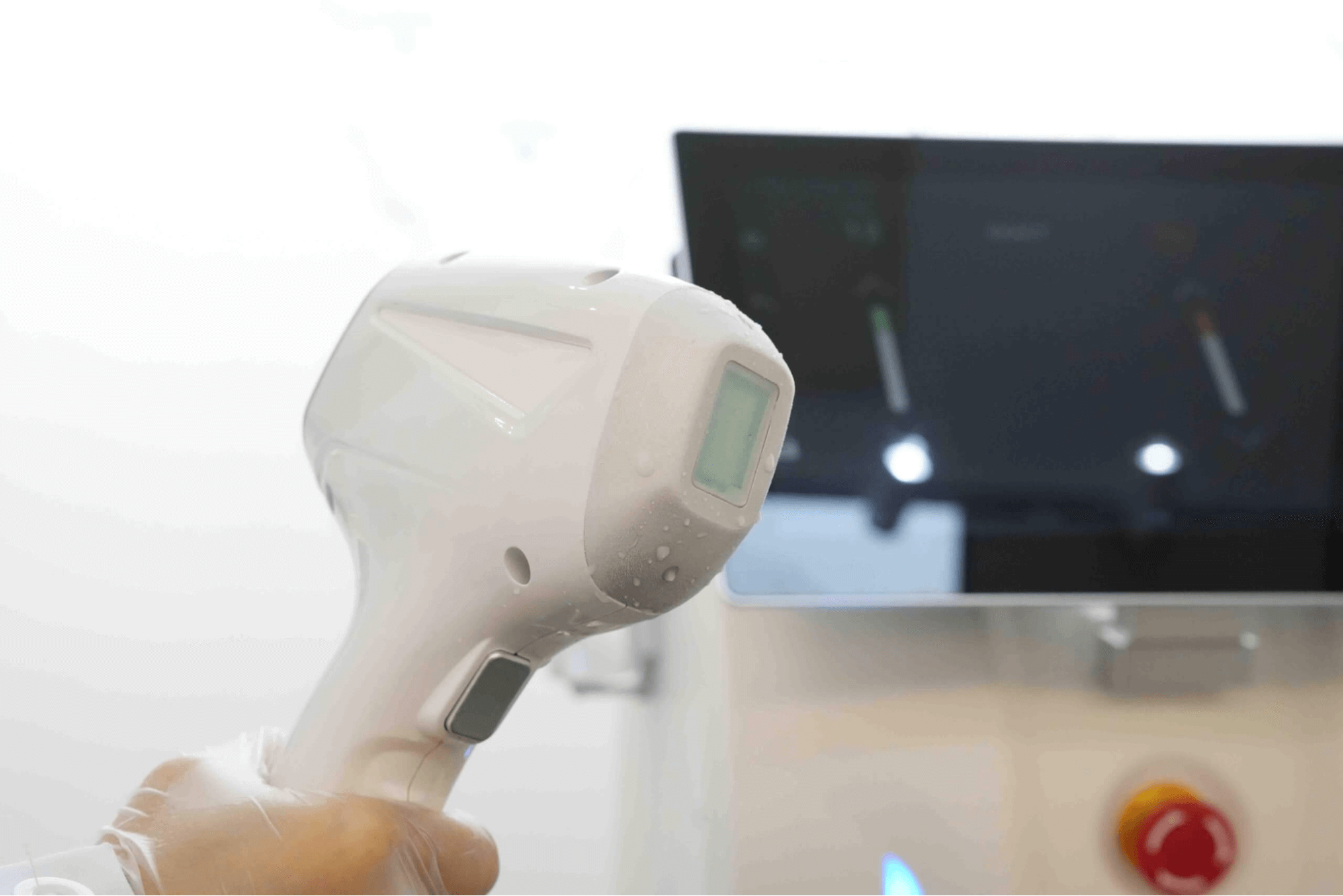
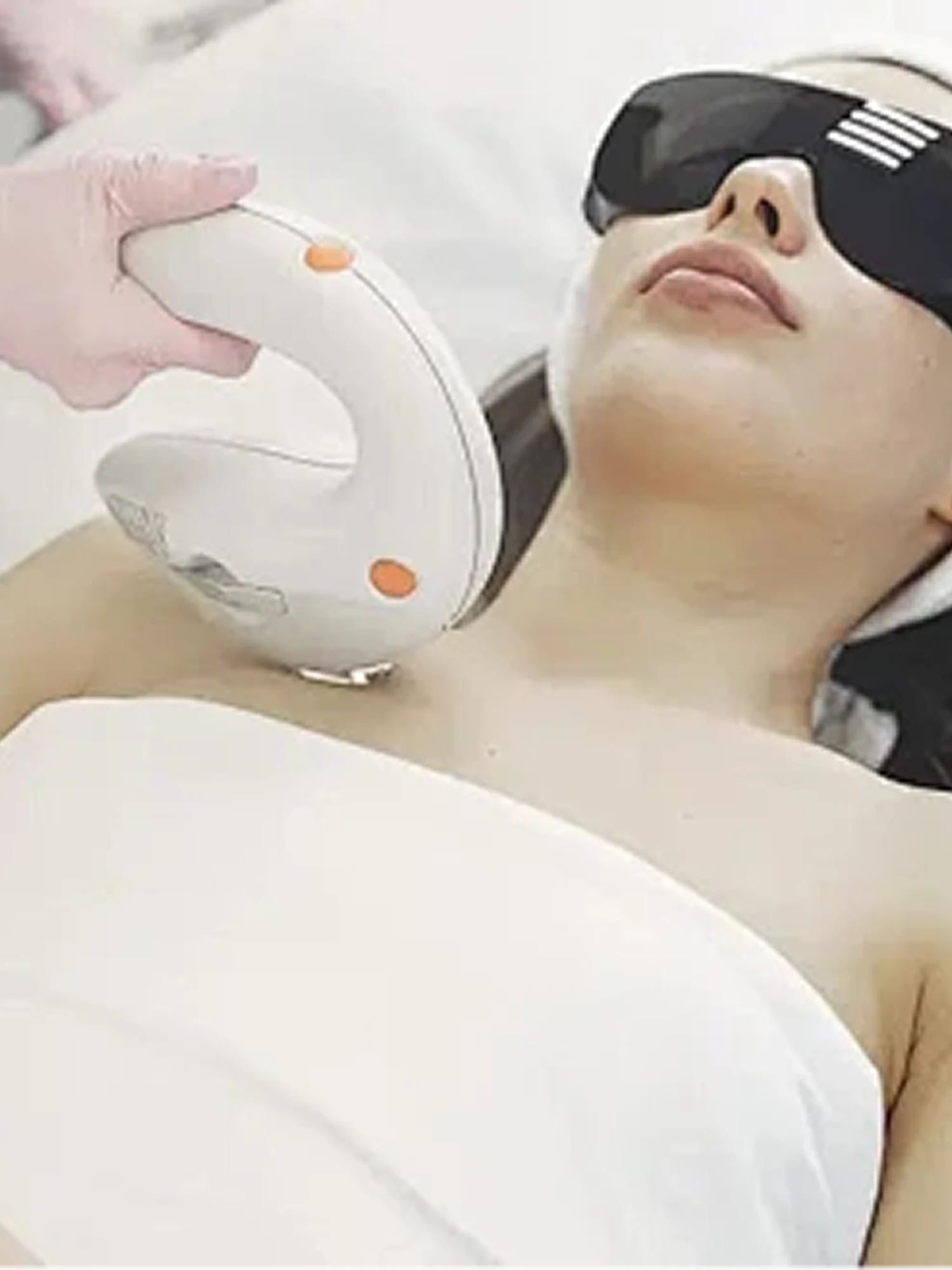
Can You Do Laser Hair Removal While Pregnant? Safety, Risks & Medical Guidance
Pregnancy brings many changes, both physical and hormonal. Increased or darker hair growth on the face, abdomen, or body is common, which naturally leads many expecting mothers to ask:
Can you do laser hair removal while pregnant?
The honest, medically responsible answer is:
There is no strong evidence that laser hair removal is harmful during pregnancy but most medical professionals and clinics recommend avoiding it as a precaution.
This recommendation is not because laser hair removal is proven unsafe, but because there is limited clinical research specifically studying laser hair removal on pregnant individuals.
This article explains:
- What medical experts say about laser hair removal during pregnancy
- Why clinics usually advise waiting
- Potential risks and unknowns
- How diode laser technology works in relation to pregnancy
- Safe alternatives during pregnancy
- When laser hair removal is safest to resume
Short Answer: Can You Do Laser Hair Removal While Pregnant?
Medically speaking:
There is no conclusive evidence showing that laser hair removal harms the fetus.
Clinically speaking:
Most dermatologists, OB-GYNs, and professional clinics recommend postponing laser hair removal until after pregnancy.
This is a precautionary recommendation, not a diagnosis of danger.
Why Is Laser Hair Removal Usually Not Recommended During Pregnancy?

Lack of Pregnancy-Specific Clinical Studies
Laser hair removal has been studied extensively for:
- Skin safety
- Burns and pigmentation risks
- Long-term skin effects
However, ethical limitations prevent controlled studies on pregnant women, which means:
- Data on fetal exposure is limited
- Long-term outcomes during pregnancy are not fully documented
In medicine, lack of evidence ≠ proof of safety.
Hormonal Changes Affect Results
During pregnancy, hormonal shifts (especially estrogen and progesterone) can:
- Stimulate new hair growth
- Make hair thicker or darker
- Trigger temporary hair growth that disappears postpartum
This means laser treatments during pregnancy may be:
- Less effective
- Inconsistent
- Require more sessions than usual
Clinics prefer to treat when hormones are stable for predictable outcomes.
Increased Skin Sensitivity
Pregnancy can make skin:
- More sensitive to heat
- More prone to pigmentation changes (melasma)
- Slower to heal
Even though diode lasers are designed to protect the skin, pregnant skin may react differently, increasing the risk of:
- Redness
- Hyperpigmentation
- Temporary discomfort
Pain, Stress & Comfort Considerations
Laser hair removal, while generally well tolerated, still involves:
- Heat sensation
- Mild discomfort
Medical professionals aim to minimize:
- Unnecessary pain
- Stress responses during pregnancy
Even mild stress is usually avoided unless treatment is medically necessary.
Does Laser Hair Removal Energy Reach the Baby?

No Laser Energy Does NOT Penetrate Deep Enough
From a physics and anatomy standpoint:
- Diode laser wavelengths (808nm / 755nm / 1064nm)
- Penetrate only a few millimeters into the skin
- Target hair follicles in the dermis
They do not reach internal organs, the uterus, or the fetus.
Laser hair removal is:
- Non-ionizing
- Localized
- Not systemic
This is why there is no evidence of direct fetal exposure.
So Why the Caution If Lasers Don’t Reach the Fetus?
Because medicine prioritizes:
- Prevention
- Risk avoidance
- Evidence-based certainty
Without large-scale pregnancy-specific data, most providers adopt a “better safe than sorry” approach.
Can You Do Hair Laser Removal While Pregnant in Certain Areas?
Some clinics make distinctions by body area, but this varies by provider.
Common Clinical Approach
|
Area |
Typical Recommendation |
|
Face (upper lip, chin) |
Usually avoid |
|
Underarms |
Usually postpone |
|
Legs |
Often postponed |
|
Bikini/Brazilian |
Strongly avoided |
|
Abdomen |
Always avoided |
The abdomen is avoided entirely due to proximity to the uterus, even though laser penetration is shallow.
What About Diode Laser Hair Removal Specifically?
How Diode Lasers Work
Professional diode laser systems use:
- Controlled wavelengths
- Adjustable pulse width
- Advanced cooling systems
They are designed to:
Deliver precise energy to follicles
Minimize skin damage
Maintain consistent output
From a technology standpoint, diode lasers are among the safest hair removal devices available.
However, safety of the device does not override pregnancy precaution protocols.
Medical Consensus: What Do Experts Say?
Most authoritative sources conclude:
- Laser hair removal is not proven harmful during pregnancy
- But is not medically necessary
- Therefore, should be postponed
This aligns with general obstetric guidance:
“Avoid elective cosmetic procedures during pregnancy unless medically required.”
Is There Any Situation Where Laser Hair Removal Is Allowed During Pregnancy?
In rare cases:
- A physician may approve limited treatment
- Usually for medical skin conditions, not cosmetic reasons
This requires:
- OB-GYN approval
- Informed consent
- Conservative settings
For cosmetic hair removal, postponement remains standard.
Safe Hair Removal Alternatives During Pregnancy
While pregnant, safer alternatives include:
- Shaving
- Trimming
- Electric razors
- Threading (face)
Methods usually avoided:
- Waxing (can be painful due to sensitivity)
- Chemical depilatories (skin reactions)
Always patch-test during pregnancy.
When Can You Resume Laser Hair Removal After Pregnancy?
Most clinics recommend waiting until:
- Hormones begin stabilizing
- Skin sensitivity returns to normal
Typical Guidance
- 3–6 months postpartum
- After breastfeeding consultation (if applicable)
This ensures:
- Better results
- Reduced pigmentation risk
- More predictable hair cycles
Breastfeeding and Laser Hair Removal
Laser hair removal is generally considered safe during breastfeeding, as:
- No systemic absorption occurs
- Laser energy remains localized
However:
- Avoid breast and nipple areas
- Inform the practitioner
Always consult your healthcare provider.
Why Professional Clinics Choose to Postpone Treatment
From a clinic’s perspective, postponing laser hair removal during pregnancy:
- Protects patient safety
- Reduces legal and ethical risk
- Ensures optimal treatment results
This is standard practice across reputable medical aesthetic clinics worldwide.
Key Takeaways for Patients
- Laser hair removal has no proven fetal risk, but
- Pregnancy-specific research is limited
- Hormonal changes reduce effectiveness
- Most professionals recommend waiting
Postponing treatment is a precaution, not a reflection of danger.
Frequently Asked Questions
Can you do laser hair removal while pregnant if approved by a doctor?
Some doctors may approve limited treatment, but most recommend postponing cosmetic laser procedures.
Is laser hair removal dangerous for the baby?
There is no evidence showing harm, but research is limited, which is why caution is advised.
Does laser hair removal affect pregnancy hormones?
No. Laser hair removal does not affect hormones or pregnancy physiology.
Can laser hair removal cause miscarriage?
There is no evidence linking laser hair removal to miscarriage.
Is it safe to do laser hair removal on the face while pregnant?
Most clinics advise avoiding facial laser treatments during pregnancy due to skin sensitivity and pigmentation risk.
When is the best time to restart laser hair removal after pregnancy?
Usually 3–6 months postpartum, once hormones stabilize.
Is laser hair removal safe while breastfeeding?
Generally yes, but breast and nipple areas should be avoided and medical advice followed.
Conclusion
In summary:
- There is no solid evidence that laser hair removal harms the baby
- Laser energy does not penetrate deep enough to reach the fetus
- However, due to limited pregnancy-specific research, most doctors and clinics recommend avoiding laser hair removal during pregnancy
- Hormonal changes may also reduce effectiveness and increase skin sensitivity
The safest and most widely accepted approach is to wait until after pregnancy (and hormonal stabilization) before resuming laser hair removal.
This ensures the best balance of safety, comfort, and long-term results.


Looking for something else?
How to Get Rid of Freckles: Effective Treatments & Natural Tips
LEARN MORE
How to Heal Ingrown Hair: Causes. Treatments & Healing Time
LEARN MORE
How to Get Rid of Age Spots: Treatments. Natural Remedies & Prevention
LEARN MORELooking for something else?
How to Heal Ingrown Hair: Causes. Treatments & Healing Time
LEARN MORE
How to Get Rid of Freckles: Effective Treatments & Natural Tips
LEARN MORE
Top 10 Picosecond Laser Machine Manufacturers for Clinics in 2026
LEARN MORE
Further reading


