

Compared with traditional whitening methods, laser freckle removal works faster, targets pigment more precisely, and delivers more visible aesthetic improvement. Many people develop facial spots from genetic and environmental factors. With proper diagnosis, device selection, and aftercare, laser treatment can help restore a clearer, brighter complexion.
1) Principle: selective photothermolysis (not “functional balance”)
Laser devices target melanin in pigmented lesions via selective photothermolysis—brief, pigment-specific pulses fragment melanin so the body can clear it. This is different from “restoring skin balance.” Lasers do not create treatment dependence. However, if UV exposure, hormones, or inflammation persist, new or recurrent pigmentation can still appear over time.
Common platforms: Q-switched or picosecond lasers at 532/755/1064 nm; in some cases, 1927-nm thulium for superficial dyschromia. Outcomes also depend on fluence uniformity, spot size consistency, and regular device calibration.
2) About “rebound”: no dependence, but recurrence/PIH can happen
“Rebound” usually means rapid return or worsening of pigmentation shortly after treatment, often from over-aggressive settings or inadequate photoprotection/aftercare. Lasers do not inherently cause rebound, but recurrence or post-inflammatory hyperpigmentation (PIH) can occur—especially without strict sun protection or in darker skin types. Think long-term management, not one-and-done permanence.
3) Which spots are suitable? Set expectations by type
- Freckles & solar lentigines (“sun spots”) – Typically respond well to Q-switched/picosecond devices; multiple sessions may be needed.
- Melasma (chloasma) – Caution. Hormone- and UV-driven; first-line remains broad-spectrum sun protection + topical depigmenting agents (e.g., hydroquinone/azelaic acid/retinoids). Lasers are adjunctive and carry PIH/relapse risk; use conservative parameters in carefully selected cases.
- Café-au-lait macules (CALMs) – Variable response; durability varies. Evidence ranges from difficult-to-treat with common recurrence to modest pooled recurrence in meta-analysis; counsel realistic expectations and possible maintenance.
- Senile plaques – Many are solar lentigines or seborrheic keratoses; clinical/dermoscopic identification is essential before lasing.
Bottom line: Always obtain an in-person assessment by a qualified clinician to confirm diagnosis and tailor wavelength/fluence/pulse strategy.
4) Aftercare & typical recovery timeline
- Immediate–72 hours: Erythema and mild–moderate edema are common, often peaking within 24–72 hours.
- 3–7 days (face): Any crusting/flaking, if present, usually resolves; makeup can often resume per clinician advice.
- 2–4 months: Transient hypo- or hyperpigmentation (if it occurs) typically fades gradually.
Essential aftercare
- Strict sun avoidance + broad-spectrum SPF 50+ for at least 2–4 weeks; avoid tanning and peak UV hours.
- Gentle cleanser + barrier-supportive moisturizer; avoid sauna/hot yoga/abrasive exfoliants/acids/retinoids until cleared.
- Do not pick or scratch; picking increases infection and PIH risk.
5) Possible adverse effects (uncommon but important)
- Dyspigmentation (PIH or hypopigmentation): Often self-limited, improving over 2–4 months.
- Infection: Scratching/contamination can cause oozing or delayed healing—seek care promptly.
- Scarring (atrophic or hypertrophic): Rare; risk rises with excess fluence, tight overlap, recent tanning, infection, or picking.
- Pruritus: Usually mild/transient; persistent or worsening itch warrants review.
- Local swelling: Many patients experience mild–moderate edema, typically subsiding within 3–7 days.
6) Why choose laser for skin-beauty freckle removal?
- Targeted & efficient: Faster, more selective clearance for superficial pigment than topicals alone.
- Visible cosmetic impact: Reduces spot contrast; improves overall tone evenness and brightness.
-
Shorter downtime (face): Typically days, not weeks, with appropriate settings and aftercare.
Synergistic with skincare: Works best alongside strict photoprotection and topical depigmenting regimens to extend clarity and reduce recurrence.
For clinics or practitioners evaluating professional equipment, explore Lefis Laser’s diode laser range for safe and efficient aesthetic solutions.


Looking for something else?

Do Men Get Cellulite? Causes Differences & What to Know
LEARN MORE
Does Radio Frequency Skin Tightening Work? Results & How It Works
LEARN MORE
Do You Shave Before Laser Hair Removal? Prep Tips & Why It Matters
LEARN MORE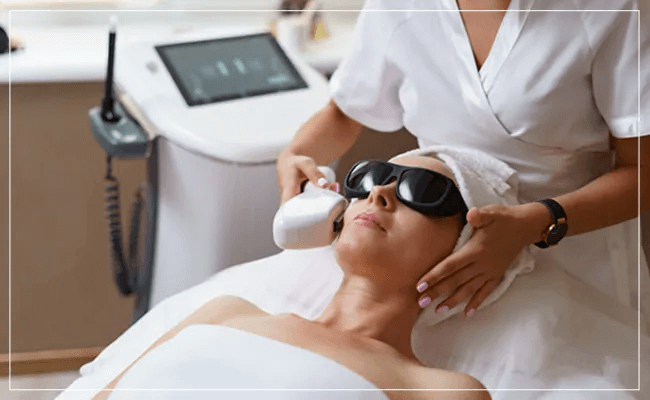
How to Get Rid of Age Spots: Treatments. Natural Remedies & Prevention
LEARN MORELooking for something else?
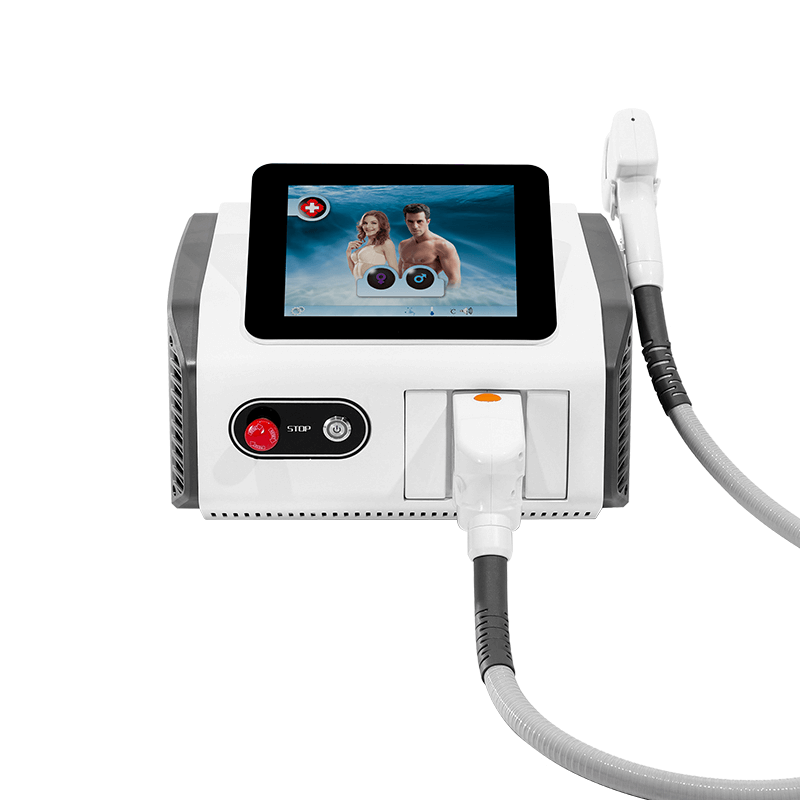
How to Heal Ingrown Hair: Causes. Treatments & Healing Time
LEARN MORE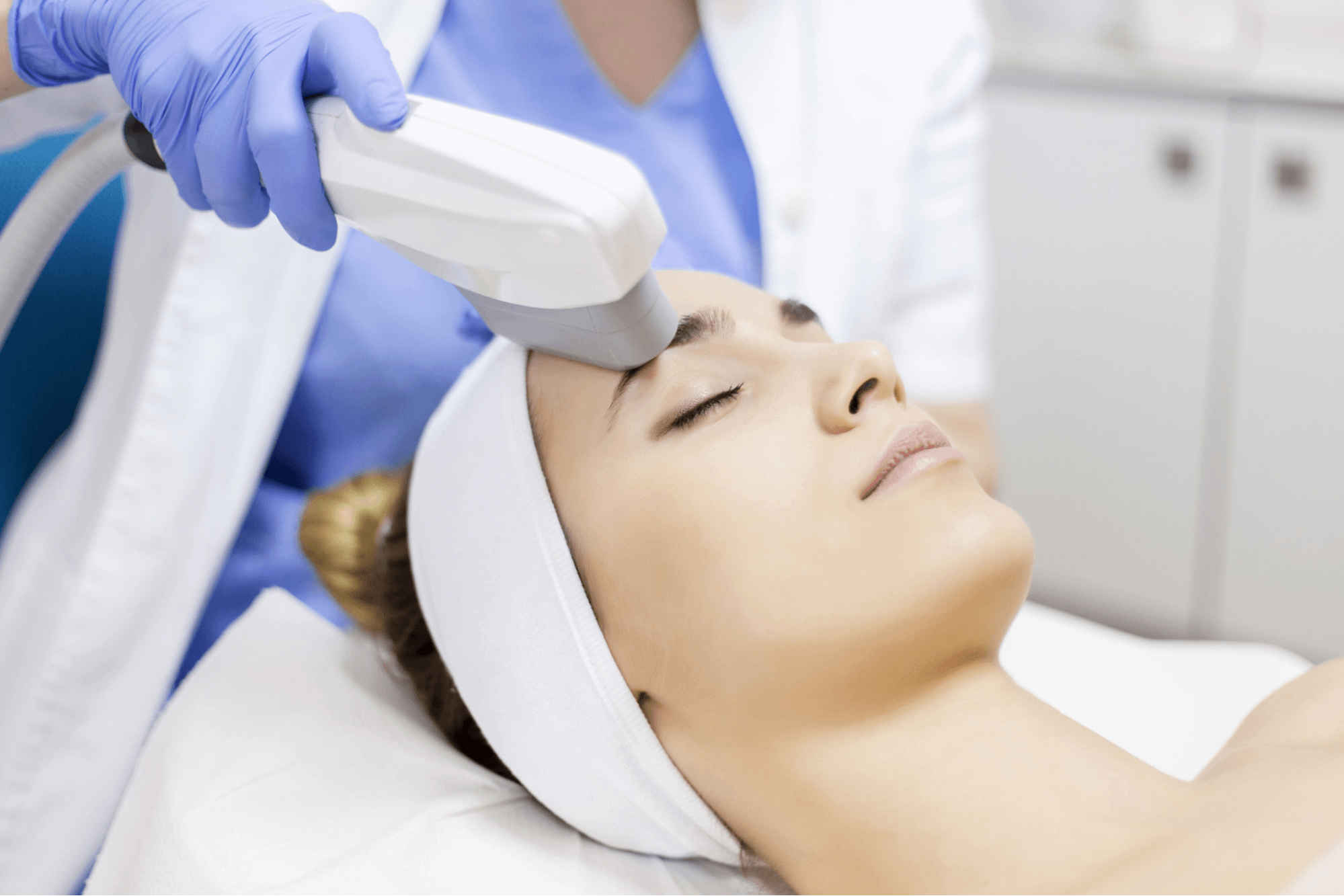
How to Get Rid of Freckles: Effective Treatments & Natural Tips
LEARN MORE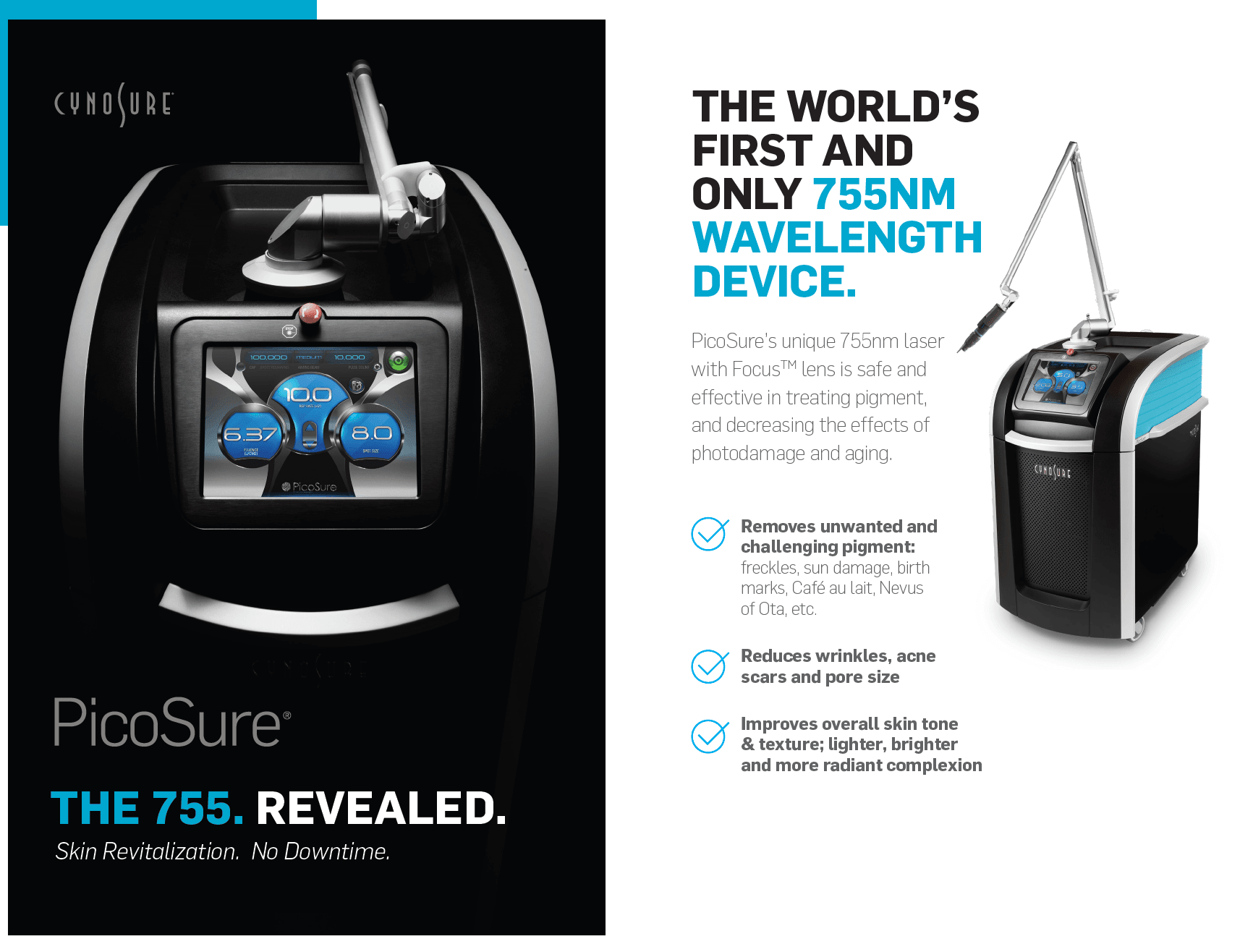
Top 10 Picosecond Laser Machine Manufacturers for Clinics in 2026
LEARN MORE

Further reading

Tattoo Removal Laser Machine Cost and Ownership Guide

CO2 Laser Treatment Room Setup Checklist

Aesthetic Machine Factory Acceptance Test Before Shipment


