

Introduction:
Laser treatments have long been valued for their ability to address pigmentation, freckles, and skin rejuvenation faster and more effectively than traditional methods. Among professional devices, the Q-switched laser was the gold standard for many years. But with the rise of the picosecond laser, clinics and patients now have a more advanced option.
So, what exactly sets the picosecond apart? Here are the key advantages of picosecond laser vs Q-switched technology.
1. Higher Selectivity, Less Collateral Damage
The shorter the laser’s action time, the less opportunity there is for heat to spread to surrounding skin.
- Q-switched lasers deliver energy in nanoseconds.
- Picosecond lasers deliver energy in picoseconds (1% of a nanosecond).
This ultra-short pulse duration concentrates energy exactly where it’s needed—inside the pigment—while sparing surrounding tissue. That means greater selectivity and lower risk of damage to normal skin.
2. More Powerful Results in Fewer Sessions
Because the pulse is so short, the picosecond laser converts less light into heat and more into a photoacoustic effect. Instead of gradually burning pigment, it literally shatters particles into finer fragments, which the body clears more efficiently.
In practice, this means:
- Stronger results per session compared with Q-switched.
- Fewer total treatments required for conditions like freckles, sun spots, or tattoo removal.
3. Lower Risk of Post-Inflammatory Pigmentation (PIH)
With Q-switched lasers, the larger pigment fragments and higher thermal load often leave patients with a temporary risk of pigmentation or rebound darkening.
Picosecond technology minimizes this risk by:
- Producing smaller pigment particles for faster clearance.
- Reducing thermal injury to surrounding tissue.
- Lowering the likelihood of PIH or hyperpigmentation after treatment.
This makes picosecond especially appealing for patients with darker skin tones, who are more prone to pigment complications.
4. Faster Healing and Shorter Downtime
Patients today want effective results without long recovery times.
- After picosecond treatment, redness and swelling usually subside within 12–24 hours.
- Scabbing and peeling are rare compared with older Q-switched systems.
- The skin recovers faster, with less disruption to daily life.
This makes the picosecond laser facial highly suited for people with busy lifestyles who cannot afford long downtimes.
5. Broader Applications Beyond Pigment
While Q-switched lasers were mainly used for pigment and tattoos, picosecond lasers have opened the door to:
- Skin rejuvenation and texture improvement.
- Acne scar treatment.
- Pore tightening and fine line reduction.
By stimulating collagen through photoacoustic energy, picosecond technology addresses both pigment and overall skin quality, making it a more versatile tool.
6. Tattoo Removal: Why Picosecond Outperforms Q-Switched
One of the biggest applications for both Q-switched and picosecond lasers is tattoo removal. While Q-switched devices can lighten tattoos over many sessions, they often struggle with multicolored inks or deeply layered pigments.
Picosecond lasers, by contrast, break down ink into much smaller fragments due to their rapid photoacoustic pulses. This allows the body’s immune system to clear pigment more efficiently. Patients often see fewer total sessions, faster fading of stubborn colors like blue and green, and less scarring risk compared to Q-switched tattoo removal.
7. Comfort and Patient Experience
Patient comfort is becoming just as important as clinical outcome. Q-switched lasers, because of their longer pulse durations, generate more residual heat and can cause higher levels of discomfort during treatment.
Picosecond systems are perceived as gentler, with less heat sensation and fewer side effects such as blistering or prolonged redness. For busy patients, a shorter recovery period and more tolerable treatment sessions translate into better compliance and satisfaction.
8. Long-Term Skin Health Benefits
While Q-switched lasers were designed primarily for pigment removal, picosecond platforms are also effective for skin rejuvenation. The mechanical effect of ultra-short pulses stimulates collagen and elastin remodeling, improving overall skin texture, reducing pores, and softening fine lines.
This dual benefit—treating pigmentation while also enhancing skin quality—makes picosecond technology more versatile. Patients seeking both cosmetic correction and anti-aging results are more likely to favor picosecond treatments over Q-switched sessions.
Conclusion
The evolution from Q-switched to picosecond laser represents a significant leap in dermatology and aesthetic practice. With better selectivity, stronger results in fewer sessions, reduced pigmentation risk, and shorter recovery, picosecond technology has become the preferred option for many clinics and patients.
For clinics evaluating device upgrades, the investment in picosecond laser technology means not only improved outcomes but also higher patient satisfaction and retention.
Frequently Asked Questions
What is the difference between picosecond and Q-switched laser?
A Q-switched laser delivers energy in nanoseconds, while a picosecond laser delivers in picoseconds—1,000 times shorter. This ultra-short pulse allows picosecond lasers to shatter pigment particles more efficiently with less heat damage to surrounding skin.
Is picosecond laser more effective than Q-switched?
Yes. Because of its faster pulse width and stronger photoacoustic effect, picosecond treatment often requires fewer sessions and provides clearer outcomes for pigmentation, tattoos, and skin rejuvenation compared to Q-switched.
Does picosecond laser have less downtime than Q-switched?
Most patients recover quickly after picosecond treatments—redness and swelling usually resolve within 12–24 hours. Q-switched lasers can cause more heat injury, scabbing, or temporary pigmentation, which may take longer to heal.
Can picosecond laser reduce the risk of post-inflammatory hyperpigmentation (PIH)?
Yes. Since picosecond lasers produce less thermal damage and create finer pigment fragments, the risk of PIH is significantly lower compared with traditional Q-switched systems. This makes picosecond safer for patients with darker skin types.
What skin concerns can picosecond laser treat beyond pigmentation?
In addition to freckles, sun spots, and tattoos, picosecond lasers can improve acne scars, skin texture, pore size, and early signs of aging by stimulating new collagen production.


Looking for something else?

Do Men Get Cellulite? Causes Differences & What to Know
LEARN MORE
Does Radio Frequency Skin Tightening Work? Results & How It Works
LEARN MORE
Do You Shave Before Laser Hair Removal? Prep Tips & Why It Matters
LEARN MORE
How to Get Rid of Age Spots: Treatments. Natural Remedies & Prevention
LEARN MORELooking for something else?
How to Heal Ingrown Hair: Causes. Treatments & Healing Time
LEARN MORE
How to Get Rid of Freckles: Effective Treatments & Natural Tips
LEARN MORE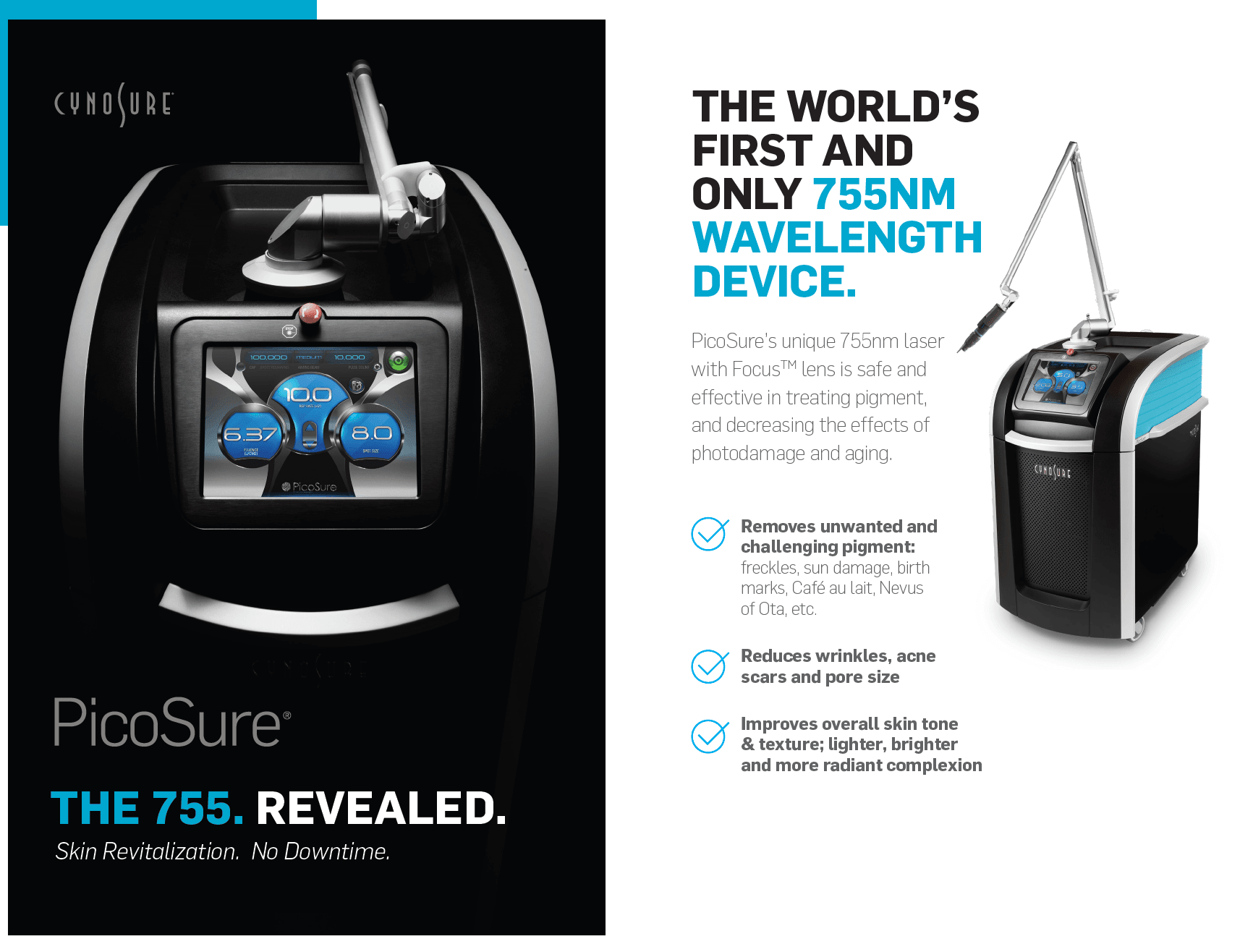
Top 10 Picosecond Laser Machine Manufacturers for Clinics in 2026
LEARN MORE

Further reading

Tattoo Removal Laser Machine Cost and Ownership Guide

CO2 Laser Treatment Room Setup Checklist

Aesthetic Machine Factory Acceptance Test Before Shipment


