

Microneedle therapy is a minimally invasive, parameter-controlled skin procedure that uses arrays of very fine needles to create micro-channels through the epidermis into the superficial dermis. These controlled micro-injuries stimulate the skin’s wound-healing cascade (growth factors → fibroblast activation → collagen and elastin remodeling) and can enhance the penetration of appropriately formulated topical actives across the stratum corneum for a short window after treatment.
Compared with traditional techniques such as acupuncture or moxibustion wrinkle removal, microneedling offers precise depth control, repeatable settings, and predictable downtime, which makes it easier to integrate into modern clinic schedules.
Advantages & Characteristics
1) Mechanism that targets remodeling—not “magic nutrient infusion”
- Microneedling works primarily by micro-injury–induced remodeling and temporary enhancement of trans-epidermal delivery.
- It does not equal deep injection of nutrients into subcutaneous tissue. The main benefits come from collagen induction and improved epidermal function.
2) “Micro needle wrinkle removal”: realistic efficacy and timelines
- When performed with medical-grade devices at appropriate depths, Micro needle wrinkle removal can visibly improve fine lines, superficial texture, enlarged pores, mild acne scarring, and overall tone after a series of sessions.
- Typical clinic protocols: every 4–6 weeks, 3–6 sessions, then maintenance as needed. (Very superficial cosmetic rollers may be used more frequently, but goals and outcomes differ.)
3) Short, manageable downtime (a “lunchtime” option in many cases)
- Common post-treatment effects: transient erythema/flushing, mild edema, tightness or dryness, pinpoint bleeding, and temporary sensitivity lasting 1–3 days (face). Most people resume work the next day with basic precautions.
4) Combination-friendly
- Microneedling can be combined—under professional guidance—with topical antioxidants, humectants, peptides, or pigment-control agents to support barrier recovery and tone. Avoid irritating acids/retinoids until cleared by your provider.
5) Compared with acupuncture/ moxibustion wrinkle removal
- Different mechanisms and evidence bases: acupuncture focus on meridian/thermal stimulation; microneedling is device-based, depth-controlled and aims at collagen remodeling.
- Scheduling is typically less frequent than acupuncture protocols, with predictable parameters and documented histologic remodeling in many studies.
What microneedling does not do
- It does not “detox the skin.” “Toxin removal” is not a dermatologic mechanism here.
- It is not completely side-effect free and not entirely non-traumatic—it is minimally invasive with a short recovery period when performed properly.
Safety, Side Effects & Contraindications
Possible side effects (usually mild and temporary)
- Redness, swelling, tightness/dryness, transient discomfort, pinpoint bleeding or petechiae.
- Less common: post-inflammatory hyperpigmentation (PIH), infection, prolonged erythema, acne flares, herpes simplex reactivation, or scarring—risk increases with overly aggressive depth, poor hygiene, recent tanning, or improper aftercare.
Contraindications / caution
- Active skin infections/inflammation, open wounds, severe active acne or rosacea flares.
- Keloid tendency, poor wound healing, recent significant sun exposure or photosensitizing medications.
- Pregnancy/breastfeeding: defer or individualize after medical consultation.
- Always seek a qualified professional; perform patch tests where appropriate, especially in darker skin types.
Aftercare (crucial for results and safety)
- Sun protection: Broad-spectrum SPF 50+, avoid tanning/UV exposure for 1–2 weeks.
- Gentle routine: Mild cleanser, barrier-supportive moisturizer; avoid hot yoga/sauna, vigorous exercise, exfoliants, acids/retinoids until cleared.
-
Hands off: Do not pick or scratch. Follow your clinician’s topical plan precisely.
Frequency vs. Traditional Approaches
- Clinic-grade Microneedle therapy is commonly scheduled every 4–6 weeks, which is less frequent than many acupuncture/moxibustion wrinkle removal protocols that may recommend sessions multiple times per week. For time-pressed clients, this offers greater scheduling flexibility with cumulative, structural benefits over a series.
Bottom Line
Microneedle therapy provides a data-supported, minimally invasive way to improve fine lines, texture, pores, and superficial scars through collagen remodeling and short-window enhancement of topical delivery. With professional assessment, proper device settings, and diligent aftercare, most clients can expect visible improvements over a series of treatments—with manageable downtime and a favorable safety profile.


Looking for something else?

Do Men Get Cellulite? Causes Differences & What to Know
LEARN MORE
Does Radio Frequency Skin Tightening Work? Results & How It Works
LEARN MORE
Do You Shave Before Laser Hair Removal? Prep Tips & Why It Matters
LEARN MORE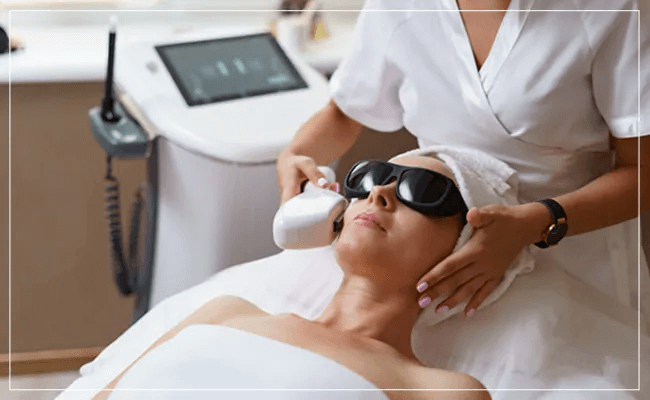
How to Get Rid of Age Spots: Treatments. Natural Remedies & Prevention
LEARN MORELooking for something else?
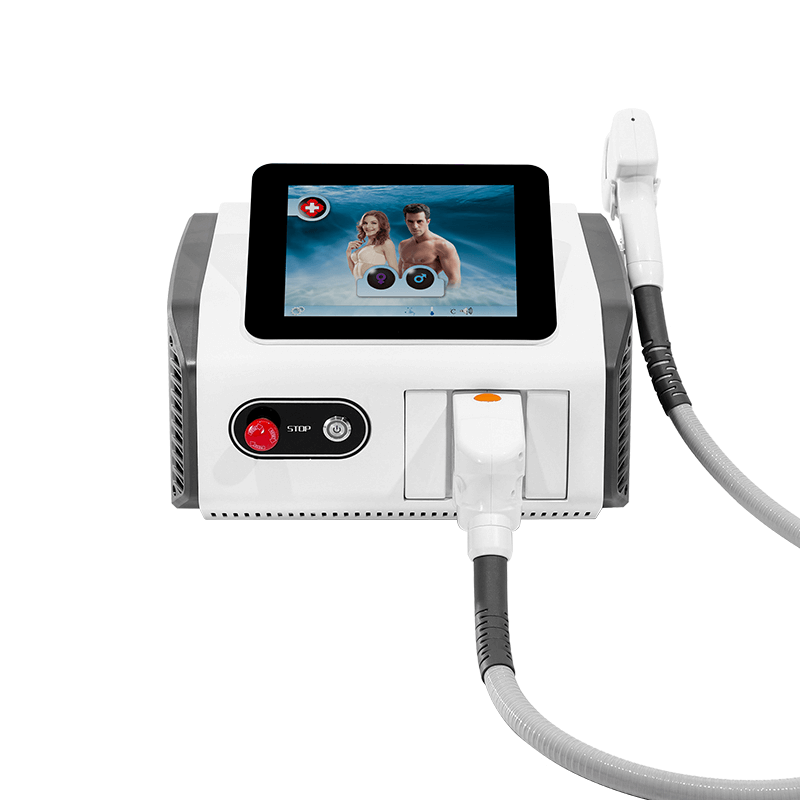
How to Heal Ingrown Hair: Causes. Treatments & Healing Time
LEARN MORE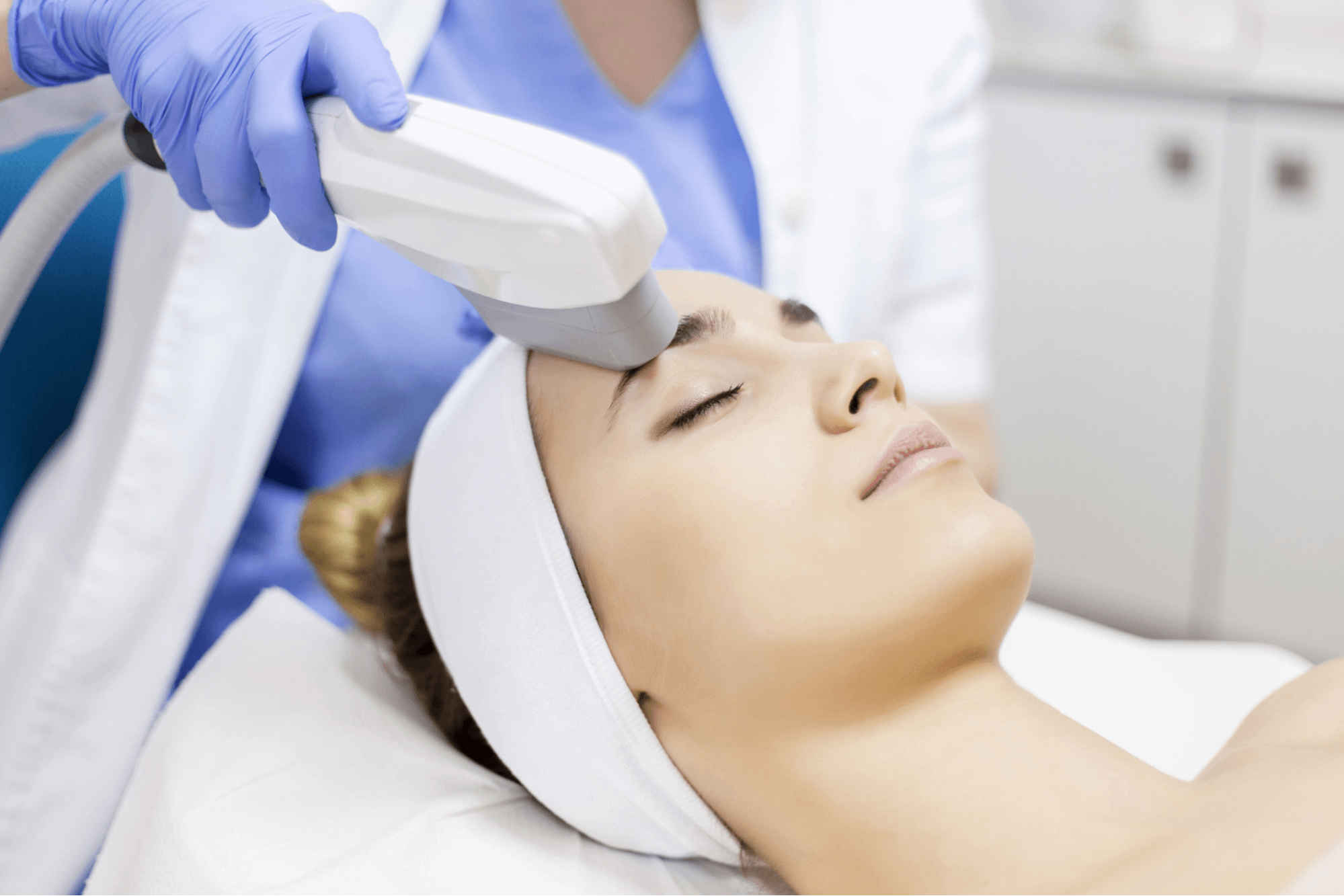
How to Get Rid of Freckles: Effective Treatments & Natural Tips
LEARN MORE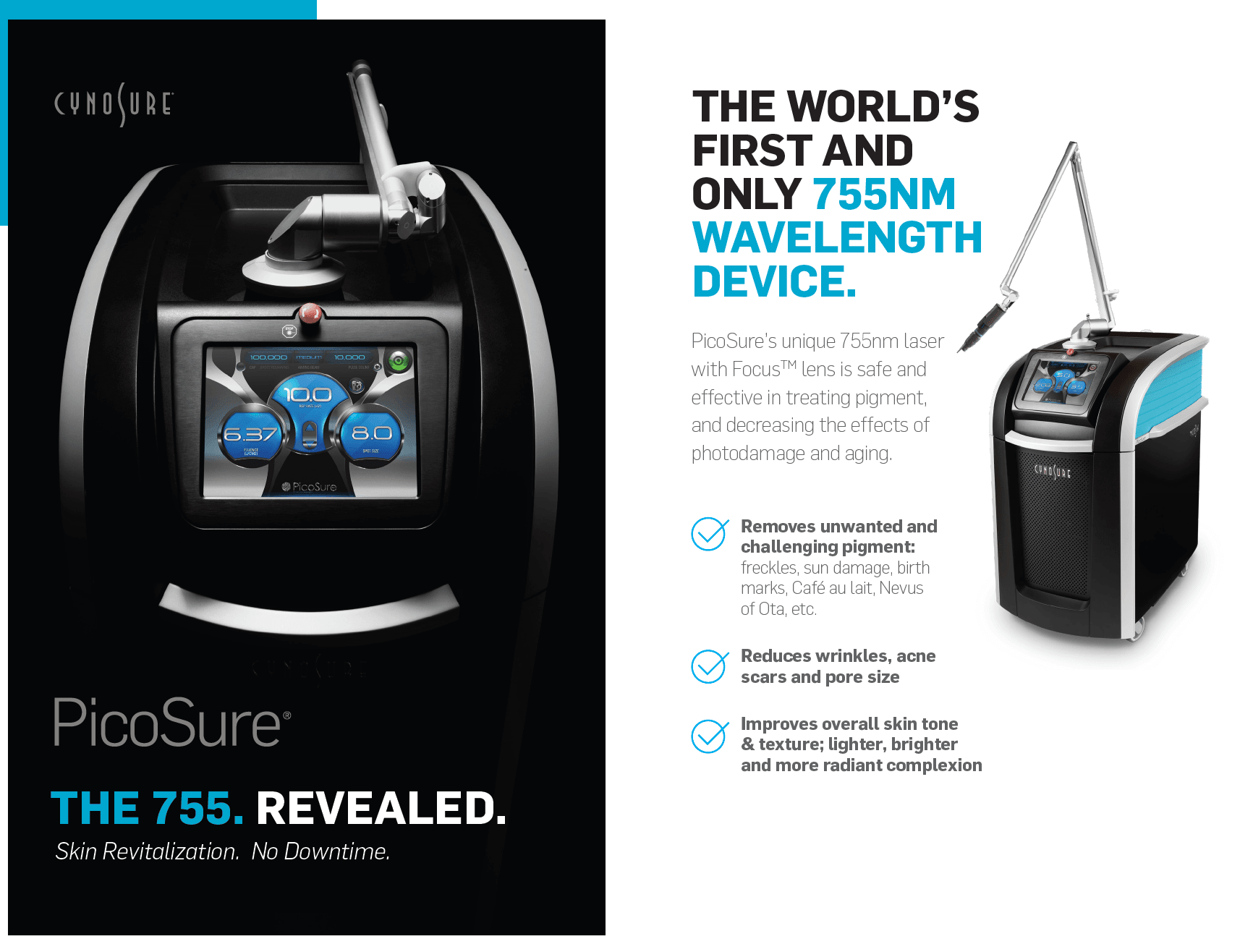
Top 10 Picosecond Laser Machine Manufacturers for Clinics in 2026
LEARN MOREYou may also like


Further reading

Tattoo Removal Laser Machine Cost and Ownership Guide

CO2 Laser Treatment Room Setup Checklist

Aesthetic Machine Factory Acceptance Test Before Shipment


