

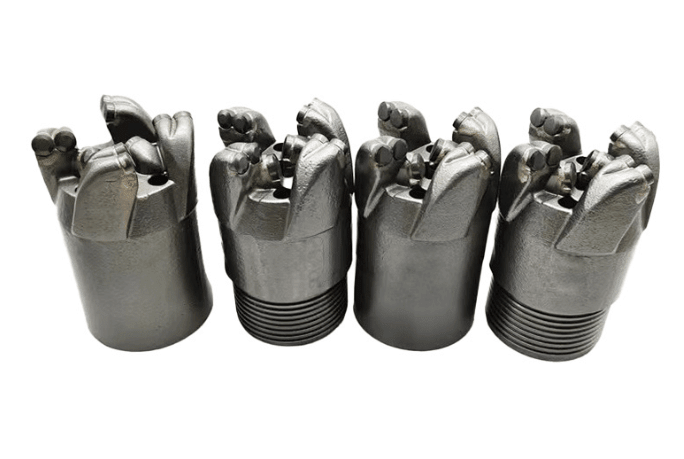
What Are Diamond Drill Bits Made Of? Materials Uncovered
If you’ve ever drilled through stone, glass, or concrete, you already know — not all drill bits are created equal. Some dull, some break, and then there are diamond drill bits that seem to glide through the hardest materials on Earth. But what exactly gives them that power? What are diamond drill bits made of, and how do they differ from ordinary ones?
In this guide, we’ll break down the materials, the manufacturing process, and the science behind how diamond-tipped drill bits are made — revealing why they’re the gold standard for professionals and industrial users alike.
The Basics: What Makes Diamond Drill Bits Different
Regular drill bits rely on sharp edges made from steel or carbide to slice through material. Diamond drill bits, on the other hand, work by grinding — not cutting.
Their cutting surface is coated, impregnated, or bonded with tiny diamond particles, which scrape away at hard materials like glass, granite, or marble. Because diamond is the hardest naturally occurring substance, it can handle drilling jobs that would destroy any conventional bit.
That’s why diamond bits are indispensable in industries like construction, mining, and precision glasswork.
Explore FSDRILL’s Electroplated Diamond Drill Bits — engineered for professional drilling in stone, tile, and concrete.
So, What Are Diamond Drill Bits Made Of?
To understand what goes into these powerful tools, let’s look at their key components:
Industrial Diamonds
At the heart of every diamond drill bit are industrial diamonds — real diamonds, but not the kind you’ll find in jewelry. These are smaller, tougher, and designed for performance rather than sparkle.
There are two main types:
- Natural industrial diamonds: Mined stones unsuitable for gemstones, used in high-precision bits.
- Synthetic diamonds: Lab-grown through High-Pressure High-Temperature (HPHT) or Chemical Vapor Deposition (CVD) processes, ensuring consistent hardness and quality.
Synthetic diamonds dominate modern production because they offer controlled properties, reliability, and sustainability.
Bonding Materials (The Matrix)
The diamonds must be securely held to the bit’s surface — and that’s where bonding materials come in. The “matrix” acts as a diamond anchor, controlling how the diamonds wear down and how new ones are exposed.
Common bonding materials include:
- Metal bonds: Mixtures of metals like cobalt, bronze, and iron, used for strong wear resistance.
- Nickel bonds (electroplated): Thin layers of nickel and diamond plated onto the bit for precision drilling.
- Resin bonds: Used in polishing or lightweight grinding tools where flexibility is needed.
These bonding agents determine how fast the diamonds are released and how long the bit lasts.
Steel Core or Bit Body
The core of the drill bit — usually high-strength alloy steel — provides stability, rigidity, and heat dissipation. The body is engineered to withstand vibration and high torque without bending or cracking.
Different drilling types demand different cores:
- Solid steel shafts for small-diameter bits.
- Steel tubes for core drilling, where a hollow section extracts a cylindrical sample.
The core may also have cooling channels or slots to improve water flow, reduce friction, and remove debris.
Optional Coatings or Surface Treatments
Some advanced diamond bits include additional coatings:
- Titanium nitride (TiN): Enhances wear resistance.
- Chrome plating: Prevents corrosion.
- Protective oxide layer: Reduces friction and improves chip evacuation.
These layers help extend bit life, especially in wet drilling environments.
How Diamond Drill Bits Are Made: Step-by-Step Process

Now that we’ve covered the materials, let’s see how they come together.
Step 1: Diamond Selection
Engineers choose diamond grit based on the target material — finer grits for smooth surfaces like glass, coarser grits for granite and concrete.
Step 2: Matrix Formulation
The bonding metal powder is carefully mixed with diamond particles. Each bit type has a unique formula optimized for wear rate, strength, and cutting performance.
Step 3: Sintering or Electroplating
- Sintered bits: The diamond-metal mixture is compressed under high pressure and temperature, fusing it to the steel core.
- Electroplated bits: A nickel-based solution deposits diamond particles onto the bit surface in a single layer.
Sintered bits gradually expose new diamonds as they wear, while electroplated bits offer sharper, faster initial cutting.
Step 4: Machining and Balancing
Once bonded, the bit is machined to exact tolerances, ensuring balance during high-speed drilling.
Step 5: Heat Treatment and Surface Finishing
Bits undergo heat treatment for durability, followed by finishing processes like polishing or coating for corrosion protection.
Step 6: Testing and Quality Control
Manufacturers like FSDRILL conduct torque, wear, and thermal testing to ensure consistent performance in industrial settings.
The Science Behind Diamond Drilling
The success of diamond drill bits lies in controlled friction and heat management.
When drilling, the diamond particles grind away the target material’s surface, creating microscopic chips. Unlike conventional bits that slice through material, diamond bits use abrasion — a process that generates less vibration but more heat.
That’s why coolant or water is vital. It keeps the diamonds from burning, reduces friction, and removes debris. Proper cooling can extend the lifespan of a diamond bit by several times.
The balance between diamond hardness, bond strength, and cooling defines how efficiently the bit performs.
Types of Diamond Drill Bits (and Their Material Differences)

Different designs call for different material configurations. Here are the most common variations:
Electroplated Diamond Drill Bits
These bits feature a single layer of diamond grit plated with nickel.
- Advantages: High precision, fast cutting, perfect for glass and ceramics.
- Downside: Once the diamond layer wears off, it can’t be restored.
→ Perfect example: Electroplated Diamond Drill Bits by FSDRILL
Sintered (Metal-Bonded) Diamond Drill Bits
Here, diamonds are mixed throughout a metal bond — meaning as the surface wears, new diamonds continuously emerge.
- Advantages: Long-lasting, ideal for hard stone and concrete.
- Downside: Slightly slower cutting speed than electroplated bits.
Diamond Core Drill Bits
Used for core extraction in geology, construction, and mining. They combine:
- Diamond-impregnated segments
- Alloy steel tubes
- Water channels for cooling
They’re engineered for deep drilling and durability under extreme load.
How Diamond Tipped Drill Bits Are Made
If you’ve heard of “diamond-tipped” bits, those are typically brazed or laser-welded designs where diamonds are fused only to the tip area.
This offers:
- Focused cutting power where it matters most.
- Lower cost than full diamond impregnation.
- Ideal use in tile, ceramics, and light stone drilling.
The process involves heating the diamond and metal interface precisely enough to bond them without damaging the diamond crystals.
Environmental and Quality Considerations

Diamond drilling technology is advancing rapidly with sustainability in mind. The rise of synthetic diamonds has reduced the need for mined stones, making modern bits more eco-friendly.
Additionally, newer production methods — like vacuum brazing and laser sintering — cut down on waste and improve energy efficiency.
Leading manufacturers, such as Hunan Fengsu Drill Bit Co., Ltd. (FSDRILL), emphasize precision control and ISO-certified production standards to ensure every bit meets professional expectations in industries worldwide.
How to Choose the Right Diamond Drill Bit Material for Your Task
|
Material You’re Drilling |
Recommended Bit Type |
Bond Type |
Cooling |
|
Glass / Tile |
Electroplated Diamond |
Nickel |
Water |
|
Marble / Stone |
Sintered Diamond |
Metal |
Water |
|
Granite / Concrete |
Diamond Core Bit |
Metal |
Water |
|
Ceramic |
Brazed Diamond Tip |
Nickel / Alloy |
Water |
|
Geological Core |
Impregnated Diamond Core |
Cobalt / Iron |
Water or Oil |
Understanding the material ensures optimal performance, minimizes wear, and maximizes your bit’s lifespan.
Conclusion
So, what are diamond drill bits made of?
They’re crafted from a fusion of industrial diamonds, metal or nickel bonds, and steel cores — engineered to handle the toughest drilling tasks on Earth. Each material plays a vital role: diamonds grind, metal bonds hold, and steel stabilizes.
From electroplated bits for precise glasswork to sintered bits that cut through granite, the craftsmanship behind every diamond bit blends science, metallurgy, and innovation.
If you need professional-grade drilling performance for stone, tile, or concrete, explore FSDRILL’s Electroplated Diamond Drill Bits — designed for power, accuracy, and endurance.
Frequently Asked Questions
Are the diamonds in diamond drill bits real?
Yes — they are real industrial diamonds, often lab-grown for consistent performance and durability.
What metal is used in diamond drill bits?
Nickel and cobalt alloys are most common, providing strength and heat resistance for bonding the diamonds.
How are diamond drill bits cooled during use?
Water or oil coolant is applied continuously to prevent overheating and maintain cutting efficiency.
Can diamond drill bits be used on metal?
They’re not ideal for soft metals; diamonds can clog. They’re best suited for hard, brittle materials like stone or tile.
How long do diamond drill bits last?
Lifespan varies by use, but high-quality sintered bits can last dozens of hours of continuous drilling when properly cooled.


Looking for something else?

Do Men Get Cellulite? Causes Differences & What to Know
LEARN MORE
Does Radio Frequency Skin Tightening Work? Results & How It Works
LEARN MORE
Do You Shave Before Laser Hair Removal? Prep Tips & Why It Matters
LEARN MORE
How to Get Rid of Age Spots: Treatments. Natural Remedies & Prevention
LEARN MORELooking for something else?
How to Heal Ingrown Hair: Causes. Treatments & Healing Time
LEARN MORE
How to Get Rid of Freckles: Effective Treatments & Natural Tips
LEARN MORE
Top 10 Picosecond Laser Machine Manufacturers for Clinics in 2026
LEARN MOREYou may also like


Further reading

Tattoo Removal Laser Machine Cost and Ownership Guide

CO2 Laser Treatment Room Setup Checklist

Aesthetic Machine Factory Acceptance Test Before Shipment


