

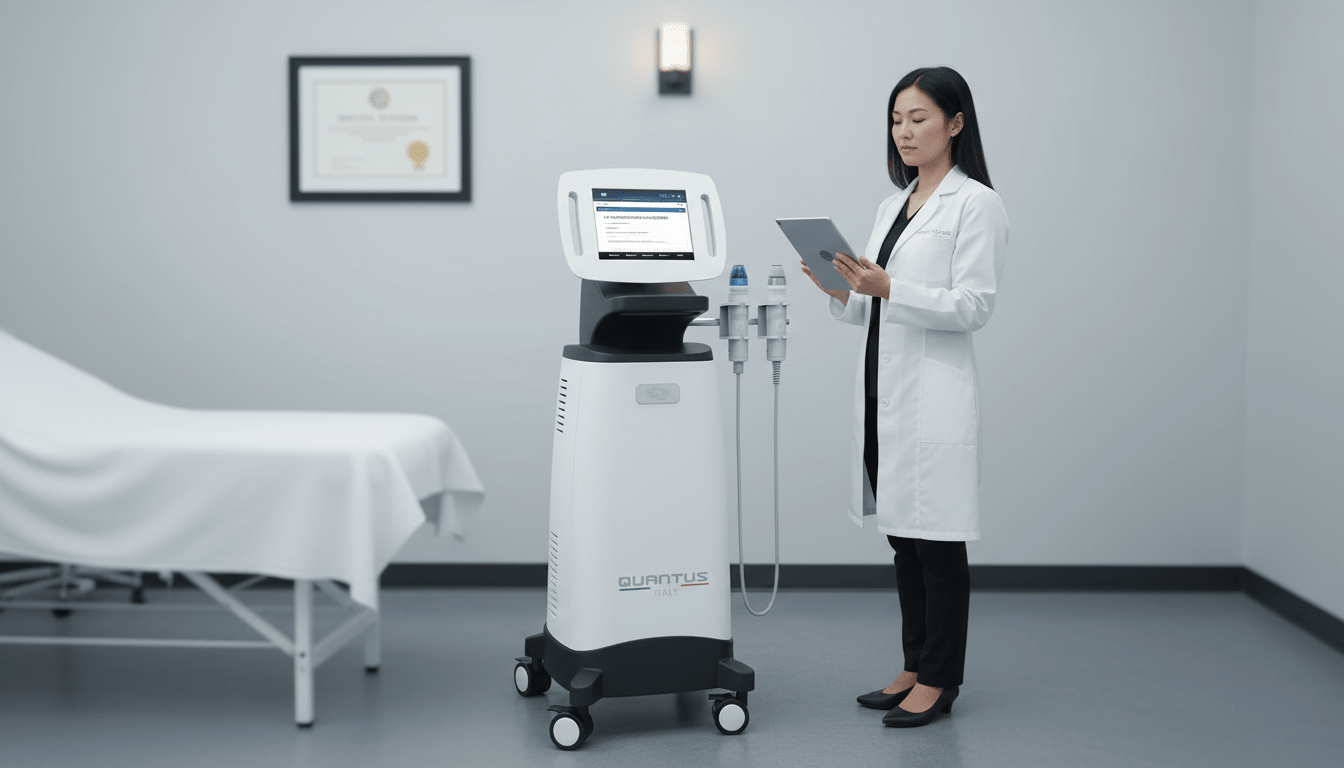
RF Microneedling Devices Guide: How to Choose a Professional Machine?
LEFIS Laser · 14 min read · Updated May 2026
Let's start with the news that changed this market. In October 2025, the FDA issued a Safety Communication on RF microneedling devices documenting burns, scarring, fat loss, disfigurement, and nerve damage — some severe enough to require surgical repair. The agency did not prohibit the technology. What it did do was to put RF microneedling under the medical umbrella, and that's altered the equipment discussion for all clinics that provide RF microneedling services.
The translation matters. Cheap, unbranded RF microneedling devices from suppliers you cannot verify are no longer just clinical risks — they are liability risks. Adjustable needle depth, monitored energy delivery, integrated cooling, and FDA clearance on the exact model are not luxury features anymore. They are the difference between a profitable five-year service line and a malpractice claim that takes your clinic with it.
This guide is the practitioner version of the buying conversation. We will walk through what to verify before signing any purchase order, where the FDA's flagged failure modes actually live in the spec sheets, and which features matter for which clinical indications. Our LEFIS RF microneedling devices collection covers professional-grade configurations for clinics that take this seriously. Browse it when you are ready to compare specs — but read the analysis first.
The FDA's October 2025 Warning — What It Really Means
The FDA Safety Communication is the most important regulatory development in RF microneedling since the technology was cleared. The headline is alarming, but the substance is what clinic operators need to absorb.
Three takeaways matter.
First, the FDA reclassified the conversation. RF microneedling is now formally a medical procedure, not a spa service. This affects state-level supervision rules, patient consent documentation, and liability exposure for every clinic offering the treatment. If your intake forms still describe RF microneedling as a “cosmetic facial enhancement,” update them this week.
Second, the reported complications cluster around two failure modes: thermal burns from poor cooling or excessive fluence, and fat loss from going too deep with too much energy. Both are device-and-operator problems. A platform with properly insulated needles, monitored energy delivery, and adjustable depth in fine increments dramatically reduces both risks.
Third, the at-home device market is now explicitly outside FDA authorization. Contact your supplier to verify the 510(k) clearance by Model Number. If your clinic is purchasing any RF microneedling device from a consumer marketplace or a supplier you are not able to provide the Model Number for the 510(k) clearance, the device should not be in patient hands.
What RF Microneedling Actually Does

RF microneedling combines two technologies. The microneedling portion sparks a multitude of microfine needles into the skin, forming controlled micro-channels. Those needles deliver electrical energy deeper into the dermis, where the radiofrequency component converts it into heat. At the same time the heat is applied, the existing collagen fibers contract, and fibroblasts are signaled to produce new collagen and elastin over the coming weeks and months.
It is this combination that makes RF microneedling more effective than regular microneedling treatment. Pure microneedling relies solely on mechanical micro-injury. The needles puncture the skin and trigger a wound-healing response, but they do not deliver any significant thermal energy into the dermis.
Pure radiofrequency can only penetrate the epidermal melanin on darker skin types, but cannot penetrate into the dermis as far as it can in lighter skin types. Microneedling plus RF does not have that limitation as it sends energy straight through the needles into the tissue.
Indications include skin laxity (most common), fine lines, wrinkles, acne and surgical scars, stretch marks, enlarged pores and texture irregularities. Collagen formation takes 3-6 months for results to show, and will last 1-2 years after which maintenance sessions are suggested.
How Professional RF Microneedling Devices Work
The mechanics are quite easy, despite the engineering tolerances being of extreme importance. A professional device has four critical components.
The needle array is the most visible part. Premium devices use medical-grade gold-plated or stainless-steel needles, typically arranged in arrays of 25 to 49 needles per tip, each ultra-fine and held in a single-use cartridge. The gold plating reduces resistance and improves energy transfer; the single-use design is non-negotiable for infection control.
The motor drives the needles into the skin at controlled depth and speed. Cheap motors stagger insertion or pull needles out at angles, which tears tissue and produces uneven results. Premium motors deliver vertical insertion and retraction with consistent pressure across the entire array.
The RF generator converts mains power into the controlled high-frequency energy that travels through the needles into the dermis. Frequency stability, output measurement, and impedance monitoring distinguish a clinical-grade unit from a hobby device.
The control interface lets the operator set needle depth, energy level, pulse duration, and treatment mode. The best platforms include skin impedance monitoring that adjusts energy in real time based on tissue resistance. This is the safety layer that prevents the burn and fat-loss complications the FDA flagged.
Recommended Needle Depth and Energy by Skin Concern
Skin thickness varies dramatically by anatomical area and by individual. The settings that work on a thick-skinned forehead will damage the under-eye area. This table gives a starting framework, not a prescription — final settings depend on the patient and the operator's clinical judgement.
|
SKIN CONCERN
|
NEEDLE DEPTH
|
ENERGY SETTING
|
TYPICAL SESSIONS
|
|
Fine lines, surface texture
|
0.5–1.5 mm
|
Low to medium
|
3–4
|
|
Enlarged pores, mild laxity
|
1.0–2.0 mm
|
Medium
|
3–5
|
|
Skin laxity, deeper wrinkles
|
1.5–2.5 mm
|
Medium to high
|
4–6
|
|
Acne scars (atrophic)
|
2.0–3.0 mm
|
High
|
4–6
|
|
Stretch marks (body)
|
2.5–3.5 mm
|
High
|
5–8
|
|
Periorbital fine lines
|
0.5–1.0 mm
|
Low
|
3–4
|
|
Neck and jawline laxity
|
1.5–2.5 mm
|
Medium
|
4–6
|
Two safety notes on this table. Going past 3 mm in the mid-face risks the fat compartments the FDA warned about. Going past 2 mm in the periorbital area risks the orbital fat pad. Operator training matters more than the table.
Key Specs Clinics Should Compare

When you start collecting quotes, the spec sheets will look similar. The differences live in details that brochures bury or omit. Here is what to actually look for.
Needle Depth Precision and Range
Make sure it is able to adjust the depth in very small increments (0.1 mm steps) over a range of at least 0.5 mm to 3.5 mm; three or four preset depths will not work for mixed-anatomy treatment plans. For instance, the LEFIS H2-K6 has an adjustable depth range of 0.1 to 4.0 mm, and provides operators with the granularity necessary for full-body.
Energy Delivery and Modes
The vast majority of contemporary RF microneedling devices feature bipolar RF, which provides energy to the two needle pairs. Monopolar is more active and causes more collateral heating than bipolar. Some platforms add fractional RF for surface texture work alongside the deeper microneedling protocol. Ensure that the energy range is sufficiently broad so that the device doesn't need to be pushed to extremes for normal treatments.
Cooling and Real-Time Monitoring
Look for integrated cooling at the handpiece contact surface and impedance monitoring that adjusts energy based on tissue resistance. Without these, the operator is guessing on every patient. The platform automatically adjusts for differences in hydration, skin thickness and treatment area changes with them.
Insulated vs Non-Insulated Needles
Insulated needles provide energy only at the tip area with no damage to the epidermis. They are safer for lighter skin types and reduce surface burn risk. Non-insulated needles deliver energy along the full needle length, which can be useful for surface texture work but raises burn risk on darker skin tones. Many premium platforms offer both options on swappable cartridges so the clinician picks the right tool per indication.
Vacuum and Combination Capabilities
On curved surfaces such as cheeks and neck, the built-in vacuum ensures a depth delivery that is constant. There are also some platforms that include LED light therapy modules as an additional treatment (red lights—inflamed, blue lights—acne) in the same session. These extras matter if you want to bundle services and lift average ticket value.
RF Microneedling vs Other Non-Surgical Skin Tightening Technologies
There are several non-surgical skin tightening techniques, among which is RF microneedling. The table below maps RF microneedling against the main alternatives on what each one does best, the downtime patients should expect, and where each technology runs into limits.
|
TECHNOLOGY
|
BEST FOR
|
DOWNTIME
|
LIMITATIONS
|
|
RF Microneedling
|
Mild to moderate laxity, scars, stretch marks
|
1–3 days
|
Risk of fat loss if too aggressive
|
|
Monopolar RF (Thermage)
|
Volumetric tightening, face/body
|
None to minimal
|
Higher cost per session
|
|
Microfocused Ultrasound (Ulthera)
|
Brow, neck, jawline lifting
|
None
|
Painful; results gradual
|
|
Non-Ablative Fractional Laser
|
Photoaging, fine lines, texture
|
1–3 days
|
Limited tightening effect
|
|
Ablative CO2 Laser
|
Deep wrinkles, advanced photoaging
|
5–10 days
|
High pigmentation risk on dark skin
|
|
LED + Topicals
|
Maintenance and mild texture
|
None
|
Modest results only
|
RF microneedling is the middle of this line-up. It offers greater tightening than non-ablative laser, but less than ablative resurfacing and covers a wider spectrum of skin types than any laser alone methodology. For a clinic building a single-platform skin rejuvenation service line, it is usually the right starting point.
Professional vs At-Home Devices
Since 2022, at-home RF micro-needling products and services have boomed. The marketing language has gotten very good. The actual capability has not.
The at home units operate at approximately 5-15% the energy level of professional units. They are usually 0.25-0.5 mm long, that is only to the superficial epidermis. Cooling is rudimentary or absent in most models, and energy delivery is generally unmonitored. As a result, the typical outcome is mild texture improvement at best, with little meaningful tightening for the average patient. A small number of users report subjective improvement, but the clinical data does not support results comparable to professional protocols.
The FDA's October 2025 Safety Communication explicitly noted that at-home RF microneedling devices are not authorized. This matters for clinics in two ways. First, patients who have been using these devices may show up with subclinical skin damage that affects professional treatment planning. Second, the regulatory line between professional and consumer devices is now sharper, which strengthens the legal case for professional-only positioning on your service menu.
For any patient seriously interested in non-surgical skin tightening results, a professional device in trained hands is not a luxury. It is the only path that delivers what the marketing claims.
Professional RF Microneedling Buying Checklist
The checklist below should be followed before requesting any quote, especially if RF microneedling is being added as part of a broader non-surgical skin-tightening service line.
|
ITEM
|
WHAT TO VERIFY
|
WHY IT MATTERS
|
|
FDA / CE clearance
|
Certificate number for the exact model
|
Liability and patient safety
|
|
Needle depth range
|
0.1–3.5 mm minimum, adjustable in 0.1 mm steps
|
Treatment versatility
|
|
Energy delivery
|
Bipolar, monitored, with impedance feedback
|
Burn and complication prevention
|
|
Cooling system
|
Integrated contact cooling at handpiece tip
|
Patient comfort and safety
|
|
Cartridge cost
|
Per-cartridge price and shot count
|
True cost per treatment
|
|
Warranty terms
|
Parts, labor, RF generator coverage
|
Five-year operating cost
|
|
Training included
|
Hours of certified operator training
|
Insurance compliance and safety
|
|
Service response
|
Parts and tech support response time in your region
|
Downtime protection
|
|
Manufacturer track record
|
Years in business, clinic reference list
|
Long-term reliability
|
|
OEM/ODM options
|
Available if you want private-label branding
|
Brand-building flexibility
|
If you'd like to see platforms that meet every line on the checklist, check out this RF microneedling devices collection. The collection covers entry-level portable units through full clinical workhorses with the depth control, impedance monitoring, and cooling architecture this guide treats as non-negotiable.
Patient Comfort and Safety in Practice

Usual topical numbing cream application is done 30-45 minutes prior to treatment. Some doctors give lidocaine injection to the most sensitive areas (forehead, around the eyes, upper lip) for deeper protocols (acne scars at 3 mm). Patients find it to be warm pressure with some sharper pulses on the bony areas.
After treatment, there will be 24-48 hours of mild redness that resembles sunburn and some swelling (that lasts 1-3 days). Make-up is possible most of the time the day after treatment. These microchannels take approximately a week to heal after the procedure, and it is advised to avoid other procedures such as retinoids, exfoliating acids, excessive exercise, saunas and direct sunlight during this time. For the first week, reapplying SPF 50 every 2 hours is a must.
Prohibitions include pregnancy, active skin infection at the treatment site, use of isotretinoin (acne treatment) within the last 6 months, pacemakers and other implanted electronic devices, and uncontrolled diabetes. Patients with a history of keloid scarring need extra screening. Some medications (antibiotic, retinoids, some diuretics) may be photosensitizing and must be delayed or used with a modified protocol.
Common Buying Mistakes Clinics Make
-
Buying based on sticker price without modeling cartridge cost per treatment over five years
-
Choosing a device with only 3 or 4 preset depths instead of fine-step adjustment
-
Ignoring the cooling system specifications because the brochure says “integrated comfort”
-
Skipping the impedance monitoring requirement to save $3,000 on the unit price
-
Assuming all bipolar RF systems deliver energy the same way (they do not)
-
Not verifying FDA or CE clearance on the exact model number you are buying
-
Treating training as optional and discovering the gap when complications appear
-
Pushing depth past 3 mm in the mid-face because the brochure says 4 mm is possible
-
Buying from a manufacturer whose service network does not exist in your region
A Final Word
The FDA's October 2025 Safety Communication is the most important framing for this purchase. RF microneedling is now formally a medical procedure with documented risks. Buying a cheap device and hoping for the best is no longer a viable clinic strategy. The complications the FDA flagged — burns, scarring, fat loss, nerve damage — are real, they are happening, and they are happening more often on underbuilt platforms in undertrained hands.
Buy on adjustable depth in fine increments. Buy on monitored energy delivery with impedance feedback. Buy on integrated cooling rated for the fluence range you will actually use. Buy on FDA or CE clearance verified by model number, not by brand. Buy on a manufacturer who will answer the phone eighteen months from now when you have a question or a problem.
For clinics building non-surgical skin tightening as a core service line, the LEFIS RF microneedling devices collection covers entry-level portable platforms through full clinical workhorses. Technology is no longer the differentiator. The platform engineering, the manufacturer's service depth, and your operator training are what determine whether RF microneedling becomes your most profitable service line or your most expensive lawsuit.
FAQs
What is RF microneedling used for?
RF microneedling is used on the skin to correct laxity, wrinkles and fine lines, acne scars, stretch marks, enlarged pores, and general texture irregularities. It is one of the most versatile platforms in non-surgical skin tightening because it works on most skin tones and most anatomical areas. Most clinics offer it as a face and neck protocol but the underlying technology also treats body areas.
What is the benefit of RF energy on skin tightening?
The radiofrequency energy raises the temperature of the dermis, causing some immediate contraction of the existing collagen fibers, as well as stimulating the production of new collagen and elastin in the next 3 to 6 months. The overall effect is immediate and gradual over the months following treatment, and causes skin-tightening.
What needle depth is recommended for acne scars?
To treat atrophic acne scars, the depth of penetration is generally 2.0 to 3.0 mm and energy levels in the high range; the number of treatments is 4 to 6, spaced 4 to 6 weeks apart. Surface texture from acne can be addressed at 1.0 to 1.5 mm with fewer sessions. The depth varies according to the nature of the scar and the thickness of the skin at the site of the scar.
Are RF microneedling treatments safe for all skin types?
Yes, if done properly. Radio frequencies are not directed at melanin, unlike lasers, therefore they are safe to use on all Fitzpatrick skin types ranging from I to VI. One of the reasons RF microneedling beats laser resurfacing for dark skin is that it provides a gentler procedure. The additional insulation of needles further decreases the (already low) risk of pigmentation reactions on the surface.
What is the minimum number of sessions required for maximum tightening?
Significant improvement is achieved within 3 to 5 treatments with a 4 to 6 week interval between treatments. After the last session significant tightening continues to build up for 3-6 months due to the development of new collagen. The results will last for 1 or 2 years and then a maintenance session will be suggested.
Can RF microneedling reduce stretch marks?
Yes, particularly for newer (red or pink) stretch marks. Micro-channels are created and dermal heating occurs, which creates tissue remodeling over 5-8 treatments that softens the appearance of the stretch mark. Older (white) stretch marks may not improve as consistently, but most patients notice a significant improvement.
Will there be downtime following a professional RF microneedling procedure?
The area will be red and swollen for 24-48 hours, like a light sunburn. The majority of patients resume to work the following day and are able to use makeup. Retinoids, exfoliating acids, intense exercise, saunas and direct sun are avoided during full healing, which takes about a week accompanied by daily SPF 50.
How is RF microneedling different from traditional microneedling?
The traditional version of microneedling involves using needles without any active ingredients to create micro-injuries that stimulate the production of collagen. With RF microneedling, the deeper dermis is heated at the same time, using radiofrequency energy that is transmitted through the needles. The additional thermal stimulation results in much greater tightening and effects than microneedling alone. The downtime profile is similar.
Can RF microneedling be combined with other treatments?
Yes. Usual combinations are LED light therapy during the same session, topical infusion of serum (peptides, hyaluronic acid, growth factors) immediately after the procedure, or alternating laser or chemical peel sessions. Combinations should be developed with the help of an experienced clinician, so as to not over treat the skin.
What are the safety features I need to consider when choosing a professional device?
Needle depth adjustment in 0.1 mm increments, impedance monitoring which adjusts energy in real-time, integrated contact cooling, insulated needle for darker skin tones, single-use sterile cartridges, and verifiable FDA or CE clearance on the specific model. Anything less and you are operating with the risk profile the FDA flagged in October 2025.
Does RF microneedling cause fat loss?
It can, when needle depth is too deep and energy is too high in areas with subcutaneous fat compartments — most commonly the mid and lower face. The FDA's October 2025 Safety Communication specifically called this out. Professional protocols limit depth in the mid-face to 2.5 mm or less and use monitored energy delivery. Cheap devices without proper depth control and energy monitoring are the main culprits.
How long do RF microneedling results last?
Full treatment usually takes 1-2 years to achieve the desired effect in most patients. After the treatment the collagen produced is real new tissue, but as the collagen degrades with the passage of time, maintenance treatments every 12 to 24 months will help keep the skin looking its best. Maintenance may be required more frequently in patients with severe photoaging and/or weight changes.
How much does professional RF microneedling cost per session?
In most markets, patient fees are $600-$1,500 per session with complete courses costing $2,000-$6,000 depending on areas of the body treated and positioning of the clinic. As far as the clinic side is concerned, the cost of the professional device is $15,000 to $85,000, depending on configuration and the cost of the cartridges is in the $25 to $60 range per treatment.
Can RF microneedling treat sagging skin on the body?
Yes, on mild to moderate laxity. The abdomen, inner thighs, upper arm, and post-pregnancy stretch areas all respond relatively well to RF microneedling protocols using 2.0 to 3.0 mm depth and 5 to 8 sessions. If there is a considerable amount of body skin laxity due to weight loss or aging, there will still be surgical options that will give you more dramatic results, but RF microneedling can be a huge step up to surgery.
Sources
- Potential Risks with Certain Uses of Radiofrequency (RF) Microneedling — FDA Safety Communication (October 15, 2025) U.S. Food and Drug Administration
- Microneedling Devices Overview U.S. Food and Drug Administration
- Many ways to firm sagging skin American Academy of Dermatology
- Non-Surgical Skin Tightening American Board of Cosmetic Surgery
- Radiofrequency (RF) Skin Tightening Cleveland Clinic
- Non-Invasive Skin Tightening Treatments American Society for Dermatologic Surgery
- Non-surgical skin tightening Plastic and Aesthetic Research · O'Connor, Kandula, Kaminer (2021)
- Is Radiofrequency Microneedling the Secret to Tighter Skin? Allure
- FDA Safety Communication on RF Microneedling — Clinical Update American Society for Laser Medicine and Surgery
- Multiple microneedling sessions for minimally invasive facial rejuvenation: an objective assessment


Looking for something else?

Do Men Get Cellulite? Causes Differences & What to Know
LEARN MORE
Does Radio Frequency Skin Tightening Work? Results & How It Works
LEARN MORE
Do You Shave Before Laser Hair Removal? Prep Tips & Why It Matters
LEARN MORE
How to Get Rid of Age Spots: Treatments. Natural Remedies & Prevention
LEARN MORELooking for something else?
How to Heal Ingrown Hair: Causes. Treatments & Healing Time
LEARN MORE
How to Get Rid of Freckles: Effective Treatments & Natural Tips
LEARN MORE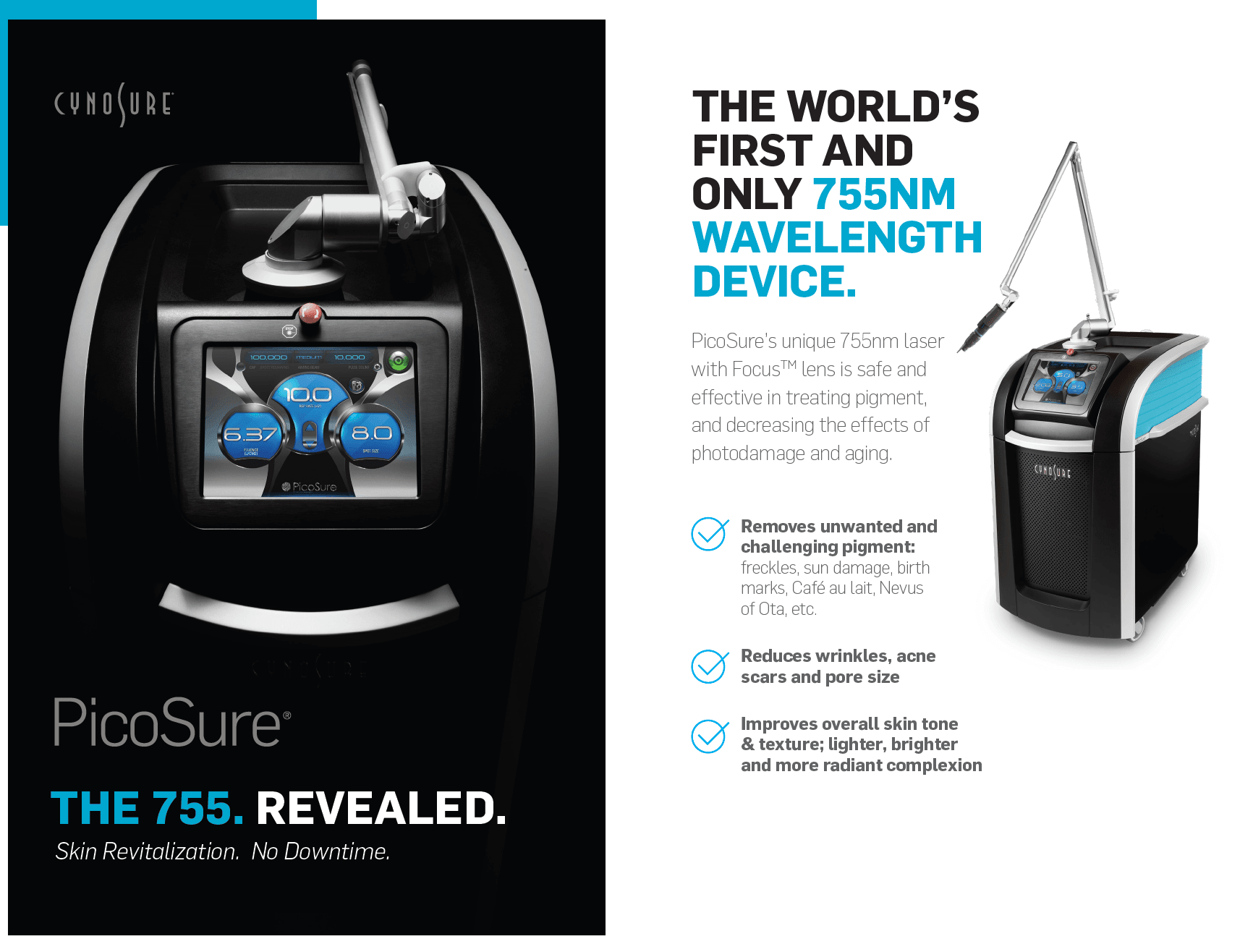
Top 10 Picosecond Laser Machine Manufacturers for Clinics in 2026
LEARN MOREYou may also like


Further reading

Tattoo Removal Laser Machine Cost and Ownership Guide
The purchase price is only one part of a tattoo removal laser machine’s cost. A clinic also needs the correct wavelength configuration, cooling, eyewear, room controls, staff training, documentati...

CO2 Laser Treatment Room Setup Checklist
A CO2 laser purchase is not complete until the treatment room can support safe, repeatable operation. Room planning should happen before shipment so the clinic can address smoke evacuation, access...

Aesthetic Machine Factory Acceptance Test Before Shipment
LEFISA factory acceptance test, or FAT, gives the buyer a defined point to confirm that the machine matches the order and completes agreed checks before shipment. It does not replace regulatory re...

Aesthetic Machine Warranty and Spare Parts Guide
A warranty is useful only when it explains what happens after a fault is reported. The number of warranty months matters, but the coverage, exclusions, evidence requirements, parts location, labor...


