

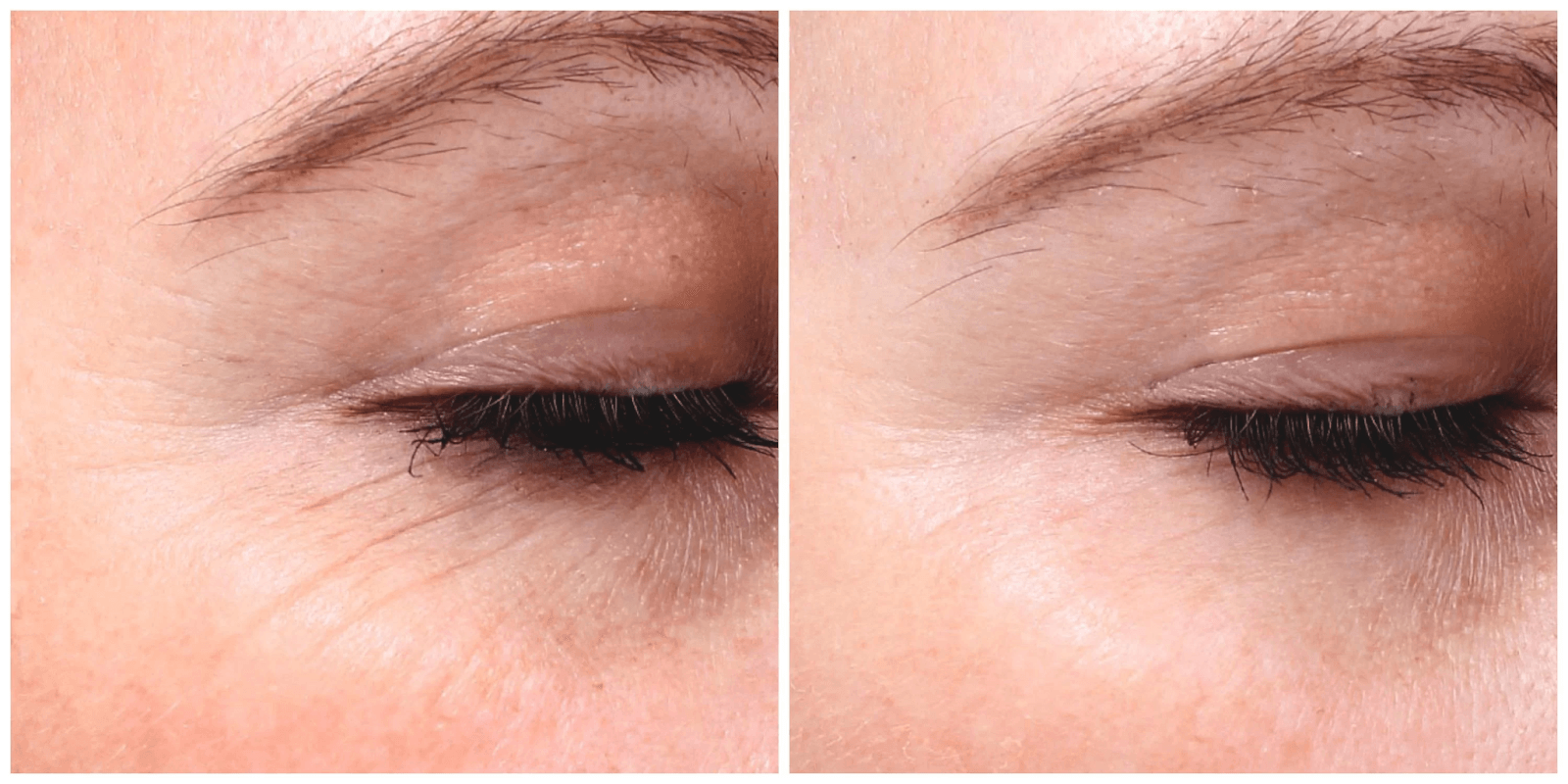
Pico Laser Healing Stages: From Redness to Collagen Remodeling
 The pico laser represents the pinnacle of modern dermatological science, offering a revolutionary approach to treating pigmentation, acne scars, and aging skin. However, for many patients, the excitement of a clearer complexion is often accompanied by a common question: What does the recovery journey actually look like?
Unlike traditional lasers that rely on intense heat, picosecond technology such as the advanced systems developed by Lefis Laser utilizes ultra-short bursts of energy to treat the skin with minimal thermal damage. This guide provides an in-depth, day-by-day breakdown of the pico laser healing stages, helping you navigate the journey from initial redness to long-term collagen renewal.
How the Pico Laser Works: The Science of Picoseconds
To understand the healing process, one must first understand the technology. Traditional lasers (nanosecond lasers) work by heating up the target pigment. In contrast, a pico laser delivers light pulses in trillionths of a second.
The Photoacoustic Effect
This rapid delivery creates a photoacoustic effect. Instead of "burning" the pigment, the laser vibrates and shatters melanin or tattoo ink into microscopic, dust-like particles. Because the duration of the pulse is so short, the surrounding skin tissue remains cool and undamaged.
Lefis Technology Integration
Professional platforms, like the Lefis C19 Picosecond Laser System, utilize an electro-optical Nd:YAG platform with dual wavelengths:
-
532 nm: Targeted at superficial pigmentation like freckles and sun spots.
-
1064 nm: Designed for deeper penetration, ideal for melasma, dermal pigment, and tattoo removal.
Day-by-Day Pico Laser Recovery Timeline

While every individual's skin chemistry is unique, the following timeline represents the standard recovery trajectory for most patients.
Day 1: The "Sunburn" Phase
Immediately following your session, your skin will undergo a reactive stage.
-
Appearance: The treated area will look pink to moderately red, mimicking a mild sunburn.
-
Sensation: You may feel a slight warmth, tingling, or a "tight" sensation.
-
Edema: Minor swelling is common, especially around concentrated areas of pigmentation.
-
Care Tip: Apply a soothing cooling mask or a Lefis-recommended post-laser gel. Avoid makeup for the first 24 hours to allow the skin to breathe.
Day 2–3: Sensitivity and Oxidation
By the second day, the initial heat subsides, but the skin begins its internal repair.
-
The "Sandpaper" Texture: You might notice a slight dryness or a rough texture as the skin barrier renews.
-
Melanin Oxidation: A common point of concern for patients is when dark spots appear darker. Do not panic; this is a sign that the melanin has been successfully shattered and is rising to the surface to be shed.
-
Care Tip: Use fragrance-free, ceramide-based moisturizers. Avoid hot environments like saunas or strenuous workouts that induce heavy sweating.
Day 4–6: The Micro-Exfoliation Phase
This is the "working" stage of the healing process.
-
Micro-Flaking: The skin begins a subtle peeling process. Unlike the heavy peeling of a chemical peel, pico laser "peeling" is often microscopic.
-
Itching: As the skin regenerates, mild itching is normal.
-
Care Tip: Do not pick, scratch, or scrub. Forcing the skin to peel prematurely can lead to post-inflammatory hyperpigmentation (PIH). Let the flakes fall off naturally during gentle cleansing.
Day 7–10: The Reveal and Radiance
Around the one-week mark, the old skin has largely been replaced by fresh tissue.
-
Visual Results: This is when the "Pico Glow" becomes apparent. Skin tone looks more even, and pores appear refined.
-
Sensitivity: While the skin looks healed, it remains sensitive to UV light.
-
Care Tip: This is the most critical time for SPF 50+. The new skin is highly susceptible to sun damage, which could undo the results of your treatment.
The Long-Term Stages: Beyond the Surface

The healing process doesn't end when the redness disappears. The most significant changes happen deep within the dermis over the following months.
Week 2–3: The Fibroblast Awakening
The outer layer is now resilient, but the "Photo-Mechanical" shockwaves from the laser have signaled your fibroblasts to begin work.
-
Remodeling: The body begins synthesizing new Type I and III collagen fibers.
-
Texture: You may notice a gradual tightening of the skin along the jawline or under-eyes.
Month 1–3: Peak Collagen Remodeling
This is the final stage of the pico laser journey.
-
Structural Changes: Collagen maturity peaks during this window. Fine lines are smoothed, and acne scars begin to "fill in" from beneath.
-
Longevity: The results achieved during this stage are long-lasting, as they represent a biological change in the skin’s structure rather than a temporary surface fix.
Day-by-Day Downtime: How Pico Compares
Clinics prefer the pico laser because it offers an incredible "results-to-downtime" ratio.
|
Treatment Type
|
Redness Duration
|
Peeling Intensity
|
Social Downtime
|
|
Pico Laser
|
1–2 Days
|
Mild Micro-flaking
|
0–24 Hours
|
|
CO2 Fractional
|
5–7 Days
|
Moderate/Heavy
|
7–10 Days
|
|
Chemical Peel
|
3–5 Days
|
Visible Sheets
|
3–5 Days
|
|
RF Microneedling
|
1–2 Days
|
Minimal
|
1–2 Days
|
Factors Influencing Your Recovery Speed
-
Treatment Intensity: Higher energy settings (fluence) used for tattoo removal will require a longer healing time than low-energy "toning" sessions.
-
Skin Type: Patients with darker skin tones (Fitzpatrick IV-VI) require a more conservative approach and diligent aftercare to prevent PIH.
-
Aftercare Compliance: The single biggest factor in recovery speed is the use of sunscreen and hydration. Dehydrated skin heals significantly slower.
Managing Common Reactions

-
For Heat: Use thermal water sprays or cold compresses for 10-minute intervals on Day 1.
-
For Dryness: Apply moisturizers containing Panthenol or Hyaluronic Acid. Avoid petroleum-based products (like Vaseline) immediately after the laser, as they can trap heat in the skin.
-
For Persistent Redness: If redness lasts longer than 5 days, contact your clinician. This is rare with Lefis technology but can happen if post-care instructions are ignored.
The Biological "Shockwave": Photoacoustic vs. Photothermal Healing
To truly appreciate the pico laser healing stages, one must understand the biological shift from heat-based healing to vibration-based healing. Traditional lasers utilize a photothermal action, which essentially "cooks" the target to destroy it. This often leads to a longer inflammatory phase and a higher risk of scarring or unwanted pigmentation (PIH).
In contrast, Lefis Pico technology utilizes a photoacoustic action. By delivering energy in such a rapid pulse, it creates a mechanical pressure wave that shatters target particles without raising the surrounding skin's temperature to a dangerous level.
-
Healing Advantage: Because the thermal "footprint" is so small, the body's inflammatory response is focused entirely on debris removal rather than repairing heat-damaged tissue.
-
Cellular Signaling: This mechanical stress triggers "Laser-Induced Optical Breakdown" (LIOB) in the dermis. These tiny bubbles of pressure signal the skin to initiate a massive healing response, which is why you see a dramatic increase in skin elasticity and thickness by Month 2 and 3.
Customizing the Timeline: Face vs. Body Recovery
It is a common misconception that all skin heals at the same rate. When planning your pico laser recovery, the anatomical location of the treatment plays a significant role in your day-by-day experience.
-
The Face (Fastest Recovery): Due to the high density of sebaceous glands and a robust blood supply, the face typically heals the fastest. Redness usually dissipates within 24–48 hours, and the micro-exfoliation phase is completed by Day 7.
-
The Chest and Neck (Moderate Recovery): The skin on the décolletage is thinner and has fewer oil glands. Patients often experience redness for an extra day, and the "sandpaper" texture may last up to 10 days. Extra hydration is vital here.
-
The Hands and Body (Slowest Recovery): Because the extremities are further from the heart, circulation is slightly slower. If you are treating age spots on the hands or a tattoo on the leg, the "darkening and shedding" phase can take up to 14 days.
By understanding these regional differences, clinicians using Lefis systems can adjust the pulse width and fluence to ensure that even the slower-healing areas achieve optimal results without increased risk.
Conclusion
The pico laser healing process day by day is a journey of transformation. While the immediate post-treatment redness may seem daunting to first-timers, it is a short-lived bridge to a more radiant complexion. By Day 10, the visible repair is complete, and by Month 3, the invisible remodeling has rejuvenated your skin’s foundation.
By following professional aftercare and utilizing state-of-the-art technology like the Lefis Picosecond systems, patients can achieve up to 70% pigment clearance and significant texture improvement with virtually no disruption to their daily lives.
Frequently Asked Questions
Can I wear makeup the day after a pico laser session?
Yes, most patients can safely apply mineral makeup 24 hours after treatment once the "heat" has left the skin.
Why do my spots look darker on Day 3?
This is known as "crusting" or oxidation. The laser has shattered the pigment and pushed it toward the surface. It will flake off naturally by Day 7.
How many sessions do I need to see full results?
While you will see a glow after one session, optimal results for pigmentation or scarring usually require 3 to 5 sessions spaced 4 weeks apart.
Does the pico laser hurt?
Most patients describe the sensation as a light "rubber band snap." Because Lefis machines use advanced cooling systems, the discomfort is significantly minimized.
When can I return to using Retinol?
It is generally recommended to wait 5 to 7 days after your session before restarting active ingredients like Retinol, Vitamin C, or AHA/BHAs.


Looking for something else?

Do Men Get Cellulite? Causes Differences & What to Know
LEARN MORE
Does Radio Frequency Skin Tightening Work? Results & How It Works
LEARN MORE
Do You Shave Before Laser Hair Removal? Prep Tips & Why It Matters
LEARN MORE
How to Get Rid of Age Spots: Treatments. Natural Remedies & Prevention
LEARN MORELooking for something else?
How to Heal Ingrown Hair: Causes. Treatments & Healing Time
LEARN MORE
How to Get Rid of Freckles: Effective Treatments & Natural Tips
LEARN MORE
Top 10 Picosecond Laser Machine Manufacturers for Clinics in 2026
LEARN MOREYou may also like


Further reading

Tattoo Removal Laser Machine Cost and Ownership Guide
The purchase price is only one part of a tattoo removal laser machine’s cost. A clinic also needs the correct wavelength configuration, cooling, eyewear, room controls, staff training, documentati...

CO2 Laser Treatment Room Setup Checklist
A CO2 laser purchase is not complete until the treatment room can support safe, repeatable operation. Room planning should happen before shipment so the clinic can address smoke evacuation, access...

Aesthetic Machine Factory Acceptance Test Before Shipment
LEFISA factory acceptance test, or FAT, gives the buyer a defined point to confirm that the machine matches the order and completes agreed checks before shipment. It does not replace regulatory re...

Aesthetic Machine Warranty and Spare Parts Guide
A warranty is useful only when it explains what happens after a fault is reported. The number of warranty months matters, but the coverage, exclusions, evidence requirements, parts location, labor...


