

Understanding How Laser Hair Removal Works
-
Anagen (Growth Phase) – Hair is actively growing from the follicle and full of pigment (melanin).
-
Catagen (Transition Phase) – Hair stops growing and detaches from the follicle.
-
Telogen (Resting Phase) – The follicle rests before producing a new strand.
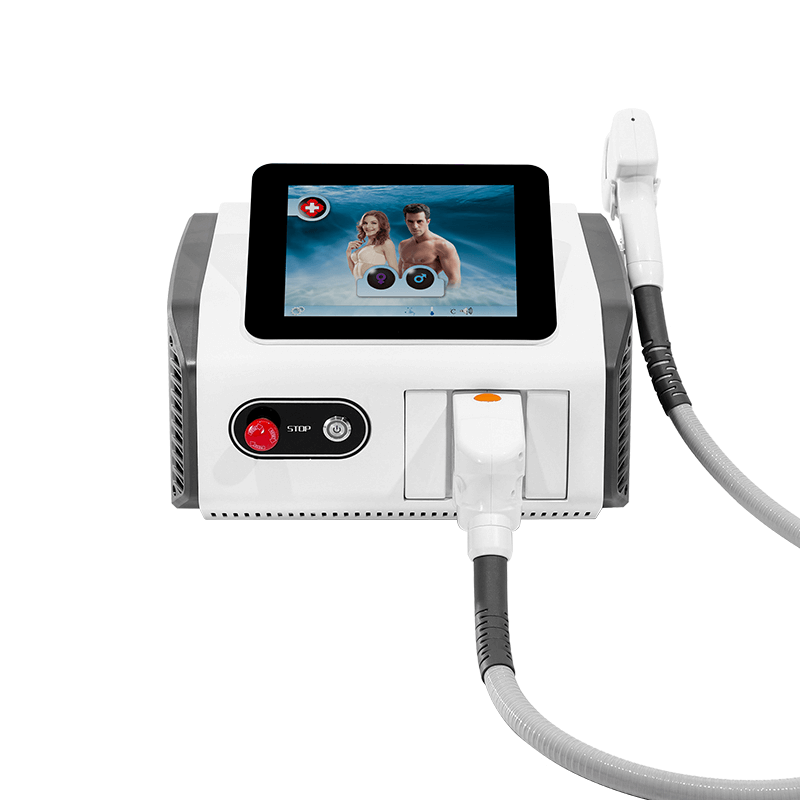
The Role of 808 nm Diode Laser Technology
-
High precision: Targets pigment in the follicle without harming surrounding tissue.
-
Speed: Large spot sizes treat big areas like legs and back quickly.
-
Comfort: Built-in sapphire contact cooling keeps the skin surface cool.
-
Versatility: Works on most skin types (Fitzpatrick I–V) when settings are adjusted properly.
How Many Sessions Does Laser Hair Removal Require?
-
At any given time, only about 20–30 % of your hair is in the growth phase and visible to the laser.
-
Each treatment eliminates that portion of active follicles.
-
Over several cycles, the remaining hair becomes thinner, lighter, and less noticeable.
How Many Treatments Per Body Area?
|
Body Area
|
Average Sessions
|
Notes
|
|
Underarms
|
4–6
|
Coarse, dark hair absorbs energy efficiently
|
|
Legs
|
4–6
|
Fast, even reduction; large spot size ideal
|
|
Arms
|
4–6
|
Similar to legs; steady improvement each visit
|
|
Bikini Line
|
6–8
|
Denser hair may require extra sessions
|
|
Chest & Back
|
6–8
|
Hormonal areas; often thicker regrowth
|
|
Upper Lip / Chin
|
8–10
|
Fine hair needs repeated, gentle passes
|
|
Facial Peach Fuzz
|
8–10
|
Lighter color requires patience and precision
|
Timing Between Sessions
-
Treated hairs will gradually shed within 7–14 days.
-
Dormant follicles begin to reactivate over the next few weeks.
-
The next appointment captures the new active hairs.
What Results Can You Expect?
-
Smoother skin texture with fewer bumps or shadowed pores.
-
Even skin tone since repeated shaving and waxing trauma is eliminated.
-
Confidence to wear what you want, anytime of year.
Why Diode Lasers Are Safer and More Efficient
-
Dual cooling system (water + TEC + air): Keeps the applicator cold to protect skin from overheating.
-
Adjustable pulse width (1–400 ms): Allows customization for fine or coarse hair.
-
Large treatment window (up to 12 × 35 mm): Covers more surface area in less time.
-
Stable energy output: Ensures even heating of follicles for consistent results.
Comparing Diode Laser vs IPL Hair Removal
|
Feature
|
Diode Laser
|
IPL (Intense Pulsed Light)
|
|
Wavelength
|
Single, targeted (808 nm)
|
Broad spectrum (500–1200 nm)
|
|
Precision
|
Very focused
|
Less selective
|
|
Skin Safety
|
Higher, with contact cooling
|
More surface heating
|
|
Sessions Needed
|
Fewer (4–6)
|
More (6–10)
|
|
Ideal For
|
All skin types
|
Light to medium tones
|
|
Comfort
|
Cooler, smoother
|
May feel warmer or stingy
|
Maintenance and Longevity of Results
-
Avoid waxing or plucking between sessions (these remove the follicle temporarily).
-
Shave only, as it keeps the follicle intact for the laser to target next time.
-
Use gentle exfoliation and SPF protection to maintain even skin tone.
Safety, Side Effects & Aftercare
-
Hot baths, saunas, or strenuous workouts.
-
Direct sun exposure or tanning products.
-
Harsh exfoliants or fragranced lotions on treated skin.
Why Professional Clinics Use Lefis Diode Laser Technology
-
Advanced TEC + sapphire cooling for enhanced comfort.
-
Multiple spot sizes for face and body.
-
Long-life laser bars and energy stability for every pulse.
-
Smart interface training support for easy, repeatable protocols.
Frequently Asked Questions (FAQ)
How many sessions are needed for permanent results?
Most people achieve long-term reduction after 4–6 sessions with diode laser hair removal, spaced one month apart. Fine facial hair or hormonal areas may need additional touch-ups.
Is laser hair removal painful?
Modern diode systems include cooling contact tips and controlled pulse delivery, so treatments feel like light snaps or warmth rather than pain. Sensitivity varies slightly by area.
Can all skin tones use diode laser technology?
Yes. The 808 nm wavelength safely treats most skin tones. Technicians simply adjust fluence and pulse duration to match the patient’s skin and hair type.
How long should I wait between treatments?
The ideal gap is 30–45 days. This aligns with your hair’s natural growth cycle, ensuring every session targets active follicles effectively.
What should I do before a session?
Shave the area 24 hours before treatment and avoid tanning for at least two weeks. Do not wax or pluck, as that removes the follicle the laser needs to target.
Will my hair grow back thicker after laser hair removal?
No. Hair regrowth becomes thinner, lighter, and sparser. The follicles damaged by the laser cannot produce coarse hair again.
Is diode laser better than IPL?
Yes. Diode lasers emit a concentrated beam at a specific wavelength (808 nm) that penetrates deeper and works faster with fewer sessions, making them more efficient for clinics and patients.
How soon will I see results?
After your first or second treatment, you’ll notice softer regrowth and smoother skin. Maximum clearance typically appears after completing your full course.
Final Thoughts


Looking for something else?

Do Men Get Cellulite? Causes Differences & What to Know
LEARN MORE
Does Radio Frequency Skin Tightening Work? Results & How It Works
LEARN MORE
Do You Shave Before Laser Hair Removal? Prep Tips & Why It Matters
LEARN MORE
How to Get Rid of Age Spots: Treatments. Natural Remedies & Prevention
LEARN MORELooking for something else?
How to Heal Ingrown Hair: Causes. Treatments & Healing Time
LEARN MORE
How to Get Rid of Freckles: Effective Treatments & Natural Tips
LEARN MORE
Top 10 Picosecond Laser Machine Manufacturers for Clinics in 2026
LEARN MOREYou may also like


Further reading

Tattoo Removal Laser Machine Cost and Ownership Guide

CO2 Laser Treatment Room Setup Checklist

Aesthetic Machine Factory Acceptance Test Before Shipment


