

As incomes rise and aesthetic standards evolve, the laser beauty instrument industry has entered a period of explosive growth. Compared with the overall medical-aesthetic market, this sector still has huge potential—especially in China, where manufacturing strength and innovation have positioned domestic brands among the world’s leaders.
Today, Chinese laser manufacturers account for most of the global top 10 brands, and Lefis proudly stands among them. This article explains the industry’s development history, working principles, core technologies, and current best-selling devices, while offering insight into where the laser beauty field is headed.
A Brief History of Laser Beauty Equipment
1960 s – Basic Research Stage
In 1960 Theodore Maiman introduced the world’s first ruby laser (694 nm). Within a few years, ophthalmologists were repairing retinas and dermatologists were removing benign lesions and tattoos. By 1968, engineers in Shanghai had already developed an Nd:YAG laser, signaling China’s early participation in this technology.
1970 s – Clinical Adoption
Researchers such as Goldman L. began using continuous CO₂ lasers to treat vascular tumors and basal-cell carcinoma. Stable power output solved the efficiency problems of early pulsed lasers and ignited the first global wave of medical-laser treatments.
1990 s – Maturity and Commercial Expansion
The introduction of Q-switched lasers revolutionized treatment of pigmented lesions such as tattoos and nevus of Ota. By the late 1990 s, variable-pulse-width 532 nm lasers effectively treated vascular disorders. International brands from the U.S., Israel, and Germany entered China—but domestic companies quickly matched and then surpassed them, becoming major exporters.
How Laser Beauty Equipment Works
In 1983 Anderson and Parrish proposed the theory of selective photothermolysis: by choosing the right wavelength, pulse width, and fluence, lasers can destroy target tissue while sparing surrounding skin.
Three Primary Laser Effects on Tissue
-
Photothermal Effect – Heat causes controlled collagen shrinkage (≈ 60–65 °C), coagulation (> 75 °C), or vaporization (> 100 °C). These reactions remodel tissue, tighten skin, and trigger new collagen synthesis.
-
Photodynamic Effect – Light activates photosensitive molecules within cells, producing chemical reactions that treat acne, vascular lesions, or even precancerous tissue.
-
Photostimulation Effect – Sub-thermal energy levels stimulate fibroblast activity, boosting metabolism, circulation, and cellular repair.
This combination of thermal and photochemical effects is what makes laser beauty instruments both corrective and regenerative.
Major Categories of Laser Beauty Instruments
|
Type
|
Key Wavelength
|
Main Applications
|
Market Share (2025 est.)
|
|
Q-Switched Laser
|
532 / 1064 nm
|
Pigmentation & tattoo removal
|
34 %
|
|
Picosecond Laser
|
532 / 755 / 1064 nm
|
Pigment, skin rejuvenation, tattoos
|
27 %
|
|
Fractional Laser
|
10,600 nm (CO₂)
|
Scars, wrinkles, texture
|
≈ 20 %
|
|
CO₂ Laser (ablative)
|
10,600 nm
|
Skin resurfacing & gynecology
|
≈ 18 %
|
Q-switched devices remain the most widely recognized for pigmentation, while picosecond lasers—thanks to higher energy precision—are rapidly expanding. Fractional and CO₂ systems continue to dominate scar and resurfacing treatments.
Core Technologies Explained
Q-Switched Lasers
Deliver high-energy pulses within nanoseconds (2–6 ns). They use the photoblasting principle: pigments absorb the light, rapidly expand, fragment, and are cleared by the body’s lymphatic system. Because normal tissue does not absorb that wavelength, the procedure leaves almost no damage or scarring.
Picosecond Lasers
Operate at 10⁻¹² seconds. Their shorter pulse width creates a stronger photoacoustic (shock-wave) effect with minimal heat.
They remove pigment faster, with lower risk of post-inflammatory hyperpigmentation, and also improve texture through gentle collagen stimulation.
Fractional Lasers
Divide the beam into hundreds of microscopic columns, treating only small fractions of skin at a time.
Untreated tissue between columns accelerates healing.
Fractional CO₂ lasers are the gold standard for scar remodeling, stretch-mark reduction, and anti-aging resurfacing.
CO₂ Lasers
These carbon-dioxide systems deliver intense thermal energy for ablation and coagulation.
In gynecology, dental, and dermatology fields, CO₂ lasers remain essential for precision cutting and tissue tightening.
Photorejuvenation (IPL / Broadband Light)
Although not a true laser, IPL devices emit multiple wavelengths filtered for various targets—hemoglobin, melanin, or collagen. They are valued for non-invasive tone improvement and glow enhancement, complementing deeper laser modalities.
Advantages Driving Market Growth
-
Rising Consumer Demand – Millennials and Gen Z seek fast, non-surgical aesthetic solutions.
-
Technology Innovation – From single-wavelength to triple-band and AI-assisted systems.
-
Short Downtime Procedures – Patients can resume daily activities immediately.
-
Versatile Applications – One platform can perform hair removal, scar therapy, and rejuvenation.
-
Global Export Leadership – Chinese brands combine quality with competitive pricing, fueling international growth.
With new medical-grade standards and R&D investment, the laser beauty instrument industry is projected to maintain double-digit annual growth through 2030.
Purpose of Laser Beauty Instruments
The primary purpose of any laser beauty device is to enhance appearance and skin health through selective energy delivery. Specifically, laser systems aim to:
-
Remove or lighten pigmented lesions such as freckles, age spots, and tattoos.
-
Treat vascular conditions and redness.
-
Stimulate collagen remodeling for anti-aging results.
-
Improve skin tone, texture, and elasticity.
-
Offer non-invasive alternatives to surgical aesthetic procedures.
Clinics and spas use these instruments to provide reliable, science-based results with minimal patient discomfort or downtime.
Material & Engineering Design
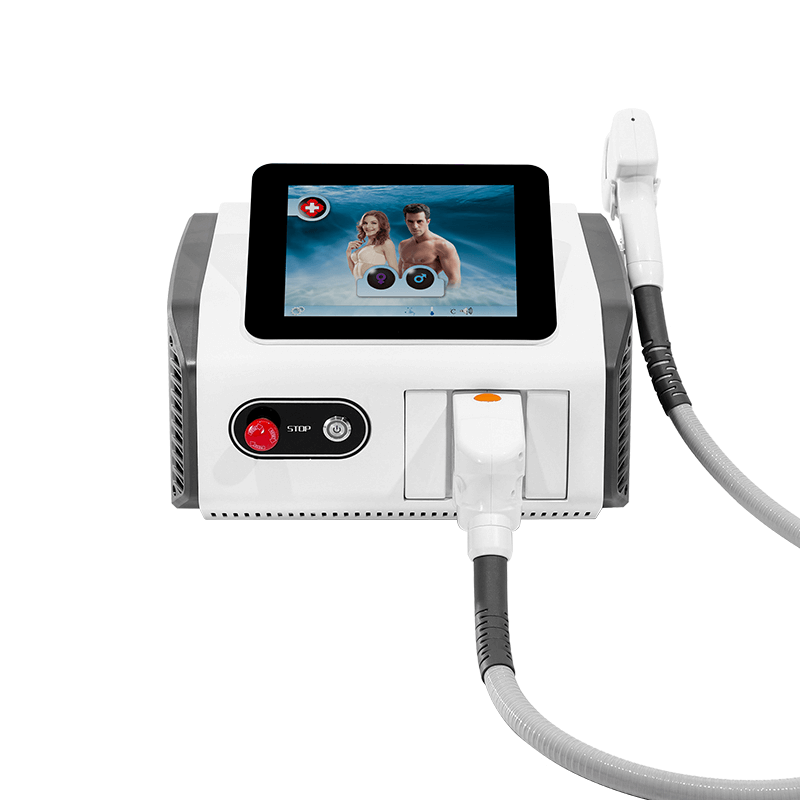
High-end laser beauty instruments integrate optics, electronics, and cooling systems engineered for safety and durability.
Key Components:
-
Laser Source: Nd:YAG, Alexandrite, Diode, or CO₂ modules housed in temperature-controlled aluminum chambers.
-
Optics: Precision lenses, mirrors, and sapphire windows that ensure accurate wavelength transmission.
-
Cooling System: Water + air + semiconductor (TEC) circuits to maintain stable output and prevent overheating.
-
Control Interface: Smart touchscreen panels with multilingual software for energy, pulse, and repetition-rate adjustment.
-
Chassis Material: Medical-grade ABS polymer or anodized aluminum for corrosion resistance and portability.
These materials guarantee consistent performance, long component life, and compliance with ISO 13485 and CE safety standards.
Global Market Outlook
According to recent market research:
-
Asia-Pacific holds the largest share, driven by China, Korea, and Japan.
-
The global laser aesthetic market exceeded USD 5 billion in 2024 and is forecast to surpass USD 9 billion by 2030.
-
Portable multi-function devices and home-use handheld lasers are the fastest-growing sub-segments.
-
In professional clinics, demand focuses on triple-wavelength diode lasers, fractional CO₂ platforms, and picosecond tattoo-removal systems.
This rapid expansion confirms laser technology as a core pillar of the beauty and wellness economy.
Future Trends to Watch
-
AI Parameter Optimization: Smart sensors auto-adjust energy output by skin feedback.
-
Compact Platforms: Lightweight designs for mobile clinics and salons.
-
Hybrid Energy Devices: Laser + RF + ultrasound combinations for multi-layer rejuvenation.
-
Eco-Efficiency: Energy-saving modules and recyclable housings reduce carbon footprint.
-
Personalized Data Analytics: Treatment logs enable tailored care for every skin type.
Lefis continues investing in R&D to integrate these innovations into next-generation platforms.
Frequently Asked Questions (FAQ)
How does a laser beauty instrument improve skin?
By emitting controlled light energy that targets pigment, vessels, or collagen, the laser triggers natural healing and remodeling, resulting in smoother, clearer, and tighter skin.
What is the difference between Q-switched and picosecond lasers?
Q-switched lasers operate in nanoseconds, while picosecond systems deliver pulses 1,000 times shorter. This makes picosecond devices more precise with less heat and faster pigment clearance.
Are fractional lasers safe for all skin types?
Yes, when parameters are adjusted correctly. Fractional CO₂ and Er:YAG lasers can be used on most tones, but darker skin requires conservative settings and professional supervision.
How long do results last after laser treatment?
Results such as spot reduction or wrinkle smoothing can last months to years, depending on lifestyle, skincare, and sun protection habits.
What is the maintenance requirement for laser devices?
Regular calibration, coolant checks, and optical cleaning are recommended every 6–12 months to ensure stable output and safety.
Why are Chinese brands competitive in this industry?
They combine advanced engineering, strict quality control, and affordable pricing. Many manufacturers offer OEM/ODM services for global partners.
Can a single device perform multiple treatments?
Yes. Modern platforms feature interchangeable handpieces for hair removal, pigmentation, scar therapy, and skin tightening—all in one unit.
Is laser treatment painful?
Discomfort is minimal. Built-in cooling and adjustable energy settings ensure a comfortable experience for most patients.
Conclusion
The laser beauty instrument industry stands at the intersection of science, technology, and aesthetics. From its early ruby-laser experiments to today’s AI-powered platforms, the field has continuously evolved toward safer, faster, and more versatile solutions.
Driven by consumer demand and strong manufacturing capability, China now leads global production and innovation, with Lefis delivering cutting-edge, cost-effective systems trusted by professionals worldwide.
As new wavelengths, hybrid energies, and intelligent interfaces emerge, laser technology will remain the cornerstone of the modern beauty industry—empowering clinics and individuals alike to achieve confident, radiant skin.


Looking for something else?

Do Men Get Cellulite? Causes Differences & What to Know
LEARN MORE
Does Radio Frequency Skin Tightening Work? Results & How It Works
LEARN MORE
Do You Shave Before Laser Hair Removal? Prep Tips & Why It Matters
LEARN MORE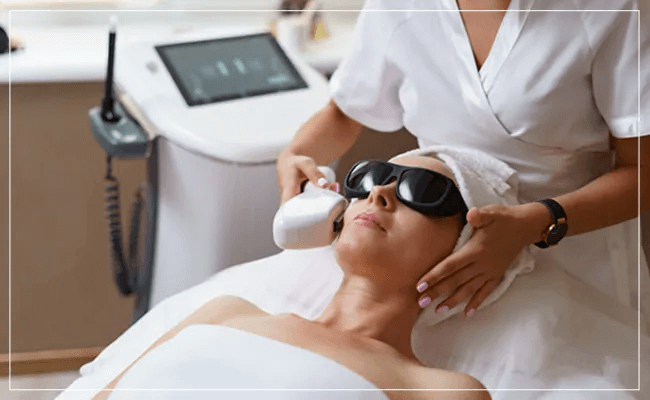
How to Get Rid of Age Spots: Treatments. Natural Remedies & Prevention
LEARN MORELooking for something else?
How to Heal Ingrown Hair: Causes. Treatments & Healing Time
LEARN MORE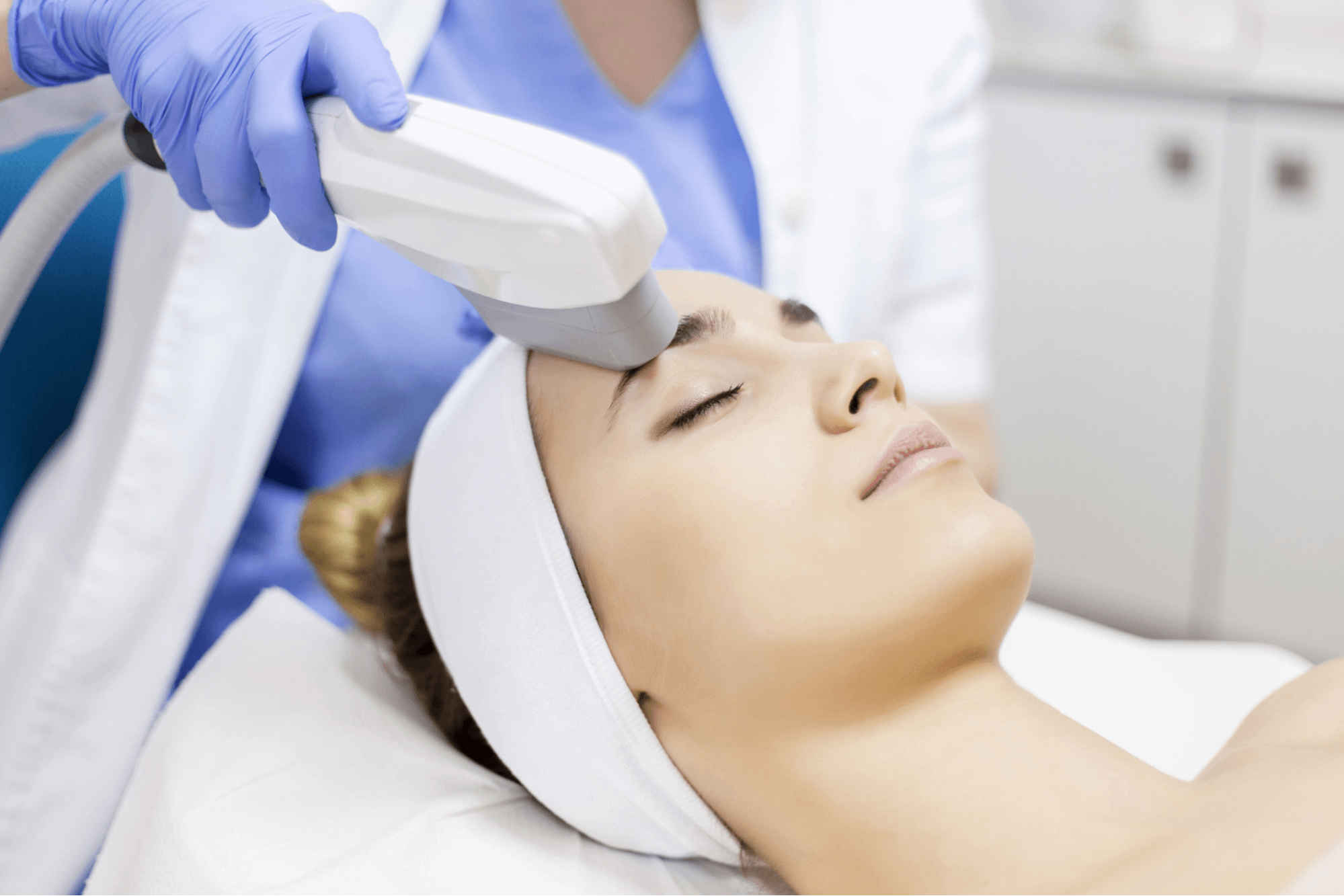
How to Get Rid of Freckles: Effective Treatments & Natural Tips
LEARN MORE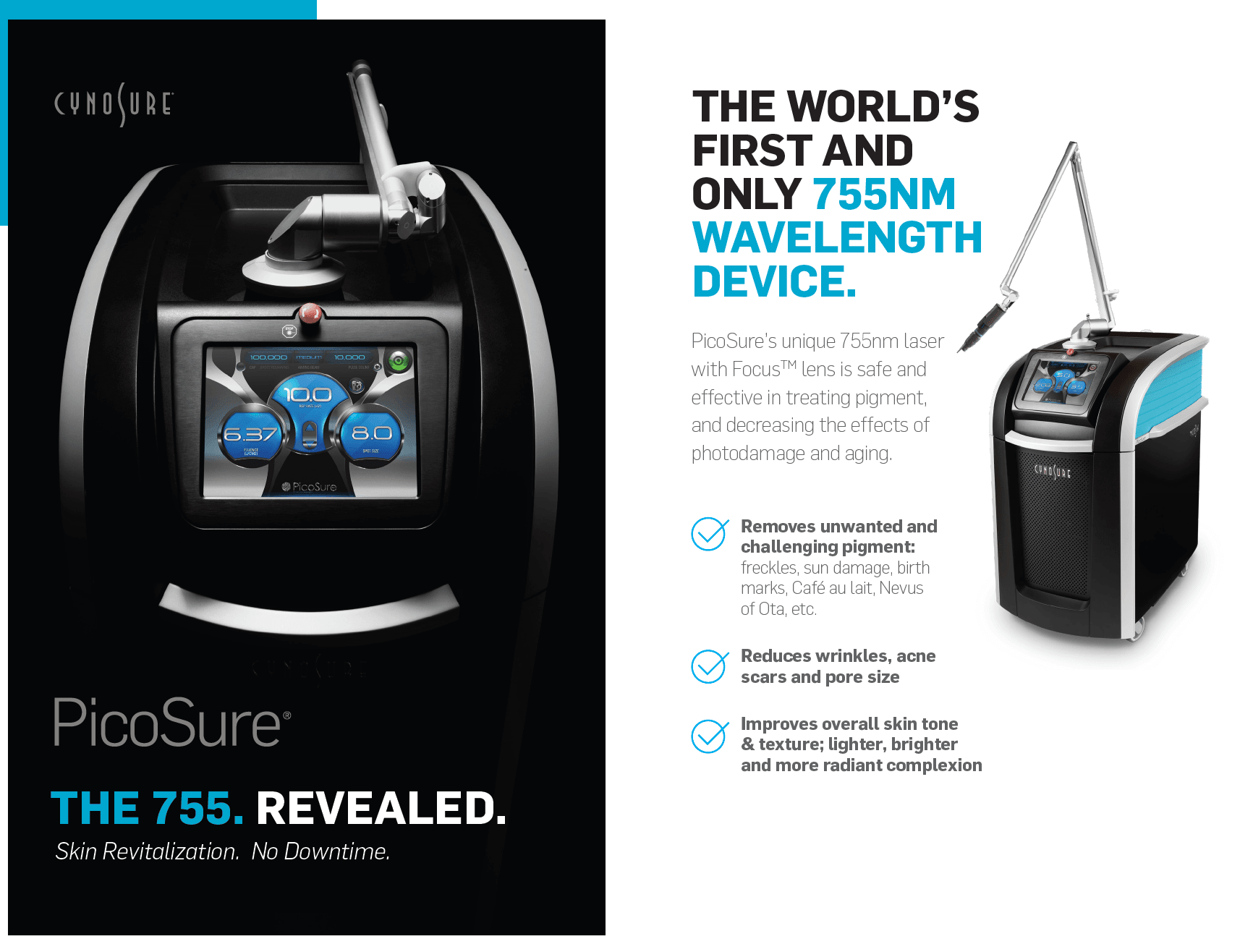
Top 10 Picosecond Laser Machine Manufacturers for Clinics in 2026
LEARN MOREYou may also like


Further reading

Tattoo Removal Laser Machine Cost and Ownership Guide

CO2 Laser Treatment Room Setup Checklist

Aesthetic Machine Factory Acceptance Test Before Shipment


