

Is Laser Scar Removal Effective?
-
Depressed (atrophic) scars such as acne or chickenpox pits.
-
Hypertrophic scars and keloids, where excess collagen creates thick, raised tissue.
-
Surgical and burn scars, improving flexibility and texture.
How Laser Scar Removal Works
Step-by-Step Process
-
Assessment — The doctor identifies scar type, depth, and skin tone to select proper wavelength and fluence.
-
Anesthesia — A topical numbing cream minimizes discomfort.
-
Laser Application — The device emits short pulses of high-energy light that penetrate the skin and vaporize micro-columns of scar tissue.
-
Regeneration Phase — New collagen and elastin fibers form over several weeks, gradually improving skin smoothness, tone, and elasticity.
-
Types of Scars Treatable by Laser
-
Superficial Scars
-
Hypertrophic Scars and Keloids
-
Atrophic or Depressed Scars
-
Contracture Scars
-
Linear Surgical Scars
Why Laser Treatment Is Safer and More Precise
-
Higher precision — Targets damaged tissue without harming healthy skin.
-
Faster recovery — Fractional beams leave untreated bridges that speed healing.
-
Less pain and swelling — Controlled thermal action reduces trauma.
-
Long-lasting results — Collagen continues remodeling for months after treatment.
Pre-Treatment Preparation
-
Undergo a full health check to rule out heart, liver, or blood conditions.
-
Discontinue aspirin, vitamin E, alcohol, and other blood-thinning or vasodilating agents one week before.
-
Avoid tanning and chemical peels for two weeks.
-
Discuss with your clinician your medical history, medications, and expectations to set realistic goals.
-
Follow your doctor’s skincare plan for hydration and healing.
-
Avoid exfoliation and saunas for 4–6 weeks.
-
Skip low-quality cosmetics; use only medical-grade moisturizers.
-
Eat foods rich in vitamins C and E; avoid spicy or allergenic foods (crab, beef, shrimp, alcohol).
-
Sleep well and manage stress, as healing hormones work best during rest.
-
Apply sunscreen (SPF 50+) daily to prevent pigmentation.
Combining Laser With Other Treatments
-
Radiofrequency (RF) tightening enhances collagen remodeling.
-
Microneedling or PRP therapy accelerates healing and texture refinement.
-
Injectable fillers or steroids flatten raised areas or lift depressions.
-
Compression or silicone sheets help prevent recurrence in keloid-prone patients.
Purpose of Laser Scar Removal
-
Reducing redness, thickness, and roughness of scars.
-
Restoring smoother skin texture and tone.
-
Encouraging collagen and elastin production.
-
Improving flexibility of tight or contractured areas.
-
Boosting confidence by minimizing visible imperfections.
Material and Engineering Design of Laser Systems
-
Laser Source: Fractional CO₂ (10,600 nm) or Er:YAG (2,940 nm) emitters housed in sealed tubes for stability.
-
Optical Scanner: Micro-lens array divides the beam into uniform fractional dots.
-
Cooling System: Air, water, and TEC (thermoelectric) modules to regulate skin temperature.
-
User Interface: Touchscreen with parameter presets for different scar types.
-
Handpiece: Lightweight and sterilizable, ensuring precise targeting.
-
Casing: Medical-grade aluminum alloy for heat resistance and durability.
What to Expect From Treatment
-
Session duration: 20–45 minutes.
-
Course: Usually 3–5 sessions spaced 6–8 weeks apart.
-
Visible improvement: Within 2–4 weeks; full collagen renewal up to 6 months.
-
Downtime: Redness 1–3 days; mild peeling 5–7 days.
Preventing New Scars
-
Limit strain on healing wounds. Excess movement causes widening.
-
Protect from sun. UV rays darken new tissue and slow recovery.
-
Massage or compress mature scars to keep them soft and flat.
-
Use silicone gels or dressings as advised by your clinician.
Frequently Asked Questions (FAQ)
Is laser scar removal permanent?
Laser treatment significantly improves scars, but complete removal isn’t possible. Results are long-lasting when skin is protected and maintained.
What types of scars respond best?
Superficial, hypertrophic, and acne scars respond excellently. Deep contracture scars may need combined surgical and laser approaches.
Does the procedure hurt?
Most patients feel mild warmth or a snapping sensation. Topical anesthesia ensures comfort.
How many sessions are required?
Typically 3–5 sessions spaced 6–8 weeks apart, depending on scar depth and response.
Is there downtime?
Minimal. Redness lasts 1–3 days, with minor peeling for a week. Normal activities resume almost immediately.
Can all skin tones use laser scar therapy?
Yes, with customized wavelengths and conservative settings. CO₂ lasers suit fair-medium tones; Er:YAG is safer for darker skin.
Are there side effects?
Temporary redness, dryness, or slight pigmentation changes may occur but fade naturally. Scarring or infection is rare under expert care.
How do I prepare before treatment?
Avoid sun exposure, peels, and exfoliants; stop photosensitizing medications; keep the area clean.
How soon will I see results?
Most patients see visible smoothing after one month, with continued improvement up to six months.
Why choose Lefis laser systems?
Lefis lasers feature advanced fractional optics, stable cooling, and ergonomic design—ensuring uniform energy delivery and outstanding clinical outcomes.
Conclusion


Looking for something else?

Do Men Get Cellulite? Causes Differences & What to Know
LEARN MORE
Does Radio Frequency Skin Tightening Work? Results & How It Works
LEARN MORE
Do You Shave Before Laser Hair Removal? Prep Tips & Why It Matters
LEARN MORE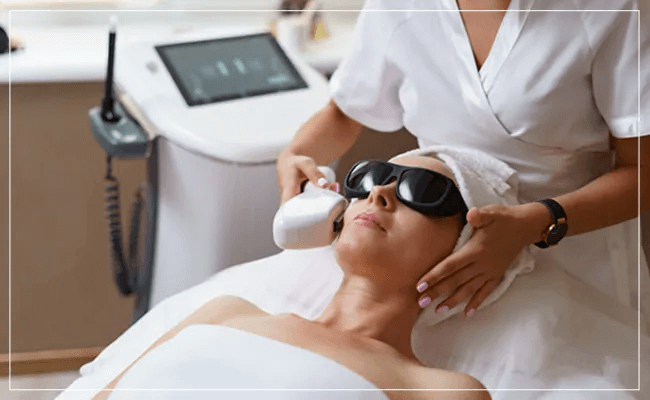
How to Get Rid of Age Spots: Treatments. Natural Remedies & Prevention
LEARN MORELooking for something else?
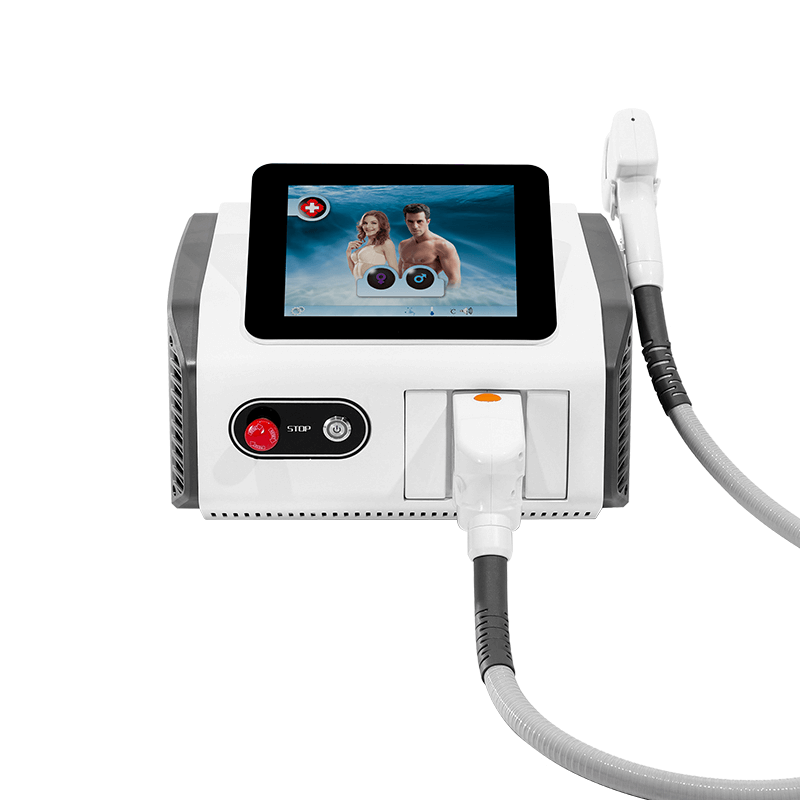
How to Heal Ingrown Hair: Causes. Treatments & Healing Time
LEARN MORE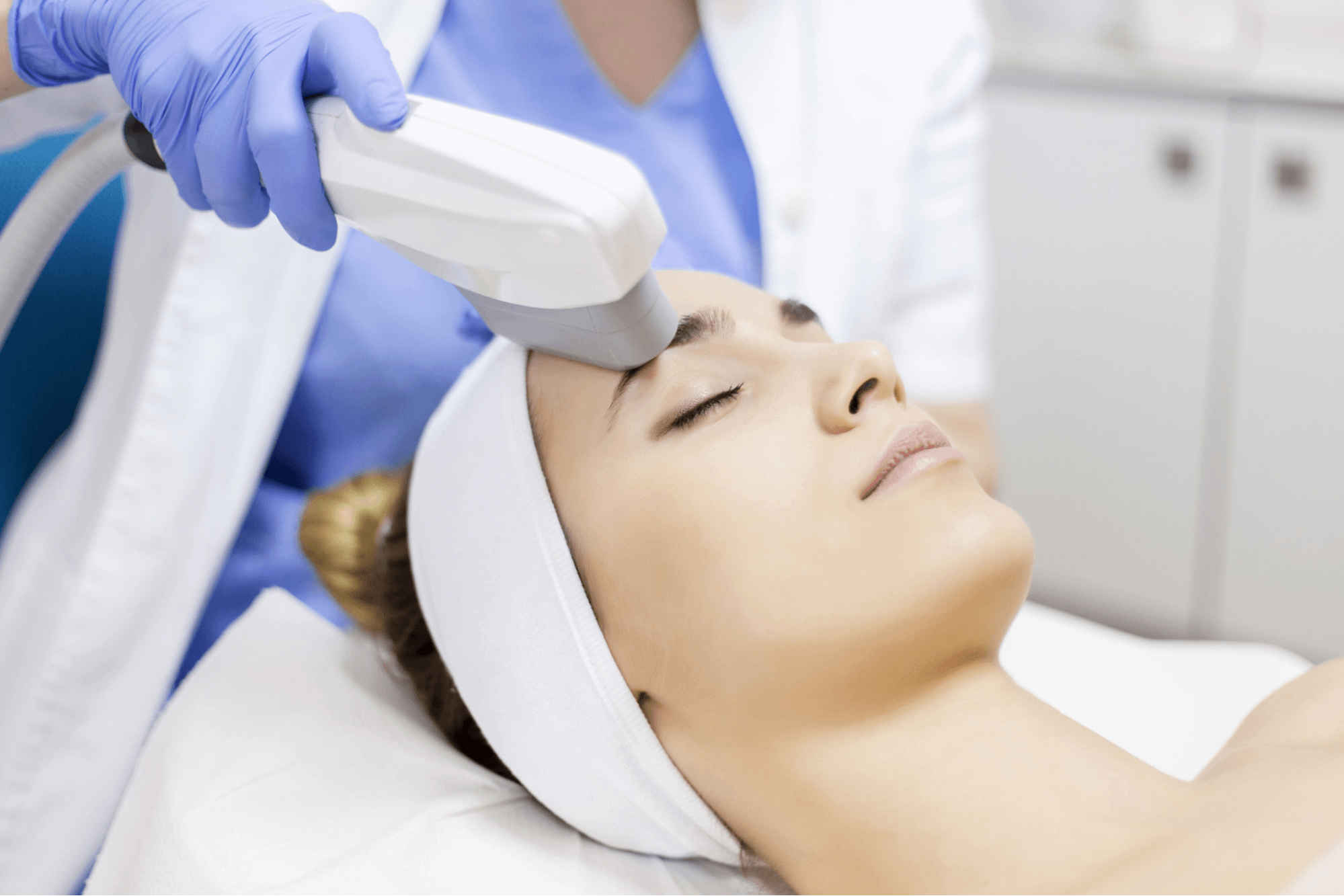
How to Get Rid of Freckles: Effective Treatments & Natural Tips
LEARN MORE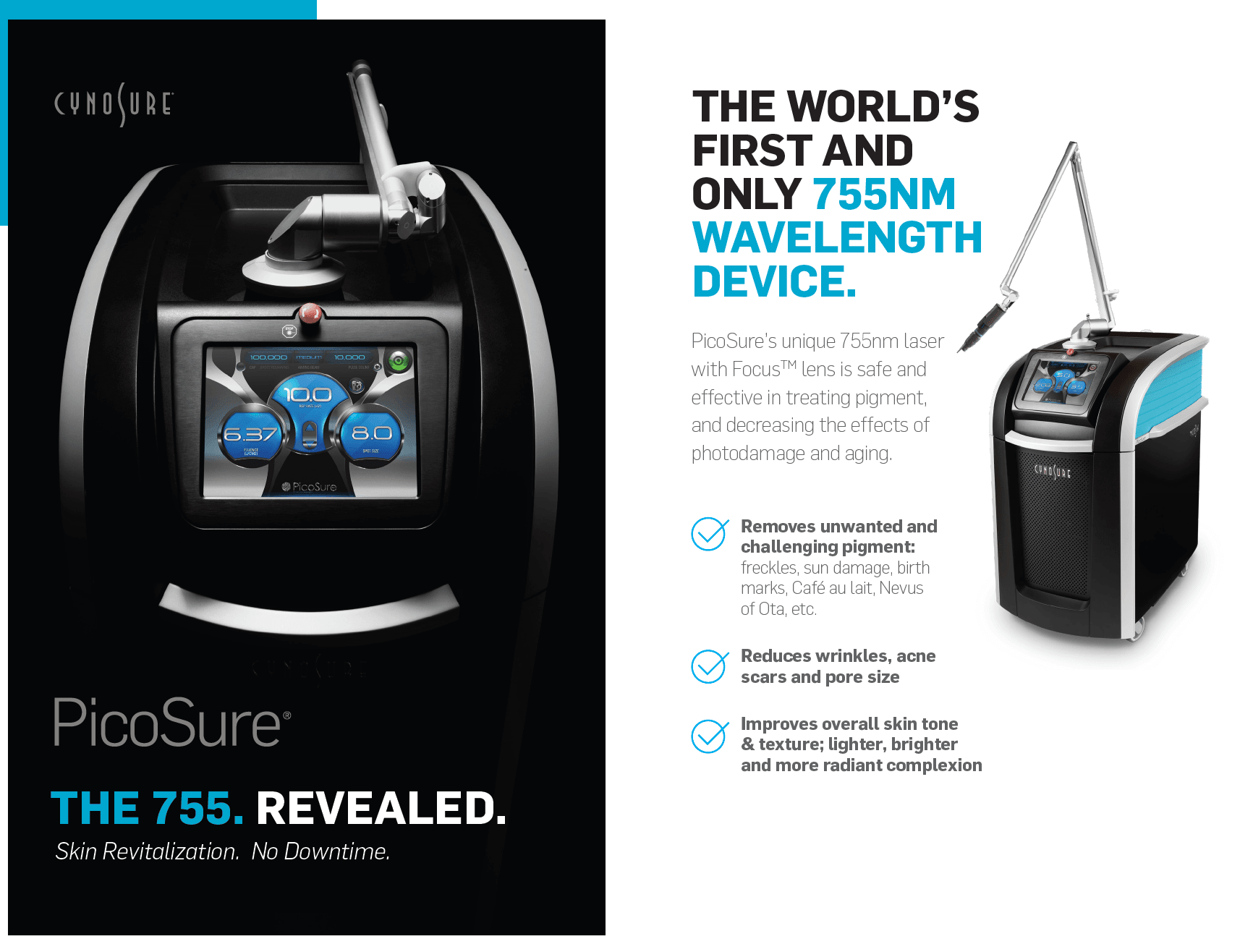
Top 10 Picosecond Laser Machine Manufacturers for Clinics in 2026
LEARN MOREYou may also like


Further reading

Tattoo Removal Laser Machine Cost and Ownership Guide

CO2 Laser Treatment Room Setup Checklist

Aesthetic Machine Factory Acceptance Test Before Shipment


