Laser hair removal is one of the most effective ways to achieve long-term hair reduction, but many users still wonder: How often should I do 808nm diode laser hair removal? The answer depends on hair growth cycles, treatment areas, and how your skin responds.
This guide explains treatment intervals, regrowth expectations, timelines, and essential pre- and post-care, based on clinical standards used by professional diode machines like the Lefis K12 Diode Laser Hair Removal Machine and 808N Portable Diode Laser Hair Removal System.
Why Laser Hair Removal Requires Multiple Sessions
Hair follicles do not grow at the same time. Every hair goes through three biological phases:
|
Hair Growth Phase
|
What Happens
|
Laser Response
|
|
Anagen (Growth Phase)
|
Hair is actively growing, rich in melanin
|
Most effective for laser absorption
|
|
Catagen (Regression Phase)
|
Follicle shrinks and detaches
|
Limited effect
|
|
Telogen (Resting Phase)
|
Follicle is inactive
|
Laser has minimal impact
|
The 808nm diode wavelength targets melanin in active follicles, meaning only a portion of hair can be treated each session. This is why laser hair removal is a process, not a one-time treatment.
How Often Should You Do 808nm Laser Hair Removal? (Standard Schedule)
General Interval: Every 3–4 Weeks
-
Every 3 weeks → for areas with fast hair growth (face, underarms, bikini)
-
Every 4 weeks → for areas with slower growth (legs, arms, back)
Why the Interval Matters
-
The follicle has melanin
-
The root is still intact
-
The hair is actively growing
When Should You Schedule Your Next Session? (Practical Rule)
Although clinicians often recommend 3–4 weeks, the better rule is:
Once you see new hair growth, you can book your next session.
-
Hormonal changes
-
Gender
-
Hair density
-
Treatment area
New hair = new anagen phase, meaning the laser will be effective again.
Treatment Intervals for Different Body Areas
Each body part has a unique growth speed. Below is an optimized clinical reference table:
|
Body Area
|
Growth Speed
|
Recommended Interval
|
|
Upper Lip / Chin
|
Fast
|
2–3 weeks
|
|
Underarms
|
Medium-fast
|
3 weeks
|
|
Bikini Line
|
Medium
|
3–4 weeks
|
|
Arms & Legs
|
Slow
|
4–5 weeks
|
|
Chest / Back
|
Medium
|
4 weeks
|
For devices like the Lefis K12 (808/1064/755nm tripeak technology) or 808N portable diode, clinics can adjust wavelengths and fluence to treat both thick and fine hair across multiple areas efficiently.
How Long Does Each Session Take?
Treatment duration depends on spot size, energy settings, and the diode laser platform used.
Typical timing:
|
Area
|
Avg. Duration
|
|
Upper lip
|
1–3 min
|
|
Underarms
|
5–10 min
|
|
Bikini
|
10–15 min
|
|
Half legs
|
20–30 min
|
|
Full legs
|
40–60 min
|
|
Back / Chest
|
20–45 min
|
Modern systems like K12 Diode Laser Hair Removal Machine with 10×10mm / 10×20mm spot sizes can dramatically shorten session times.
How Many Sessions Are Needed for Long-Term Reduction?
-
6–8 sessions for most hair types
-
8–12 sessions for hormonal areas (face, chin, lower abdomen)
-
Maintenance every 6–12 months depending on genetics and hormones
Expected improvement timeline:
|
Stage
|
What to Expect
|
|
After 1–2 sessions
|
Slower regrowth, softer texture
|
|
After 3–5 sessions
|
40–60% reduction, fewer coarse hairs
|
|
After 6–8 sessions
|
Noticeable thinning and patch reduction
|
|
After full course
|
80–90% long-term reduction
|
Advanced machines like Lefis 808nm diode lasers offer stable fluence output and strong cooling, which increases consistency and comfort.
Why Some Hair Grows Back After Laser
Many users worry when new hair appears between sessions. But regrowth is normal because:
-
Dormant follicles enter the growth phase
-
Hormones (testosterone, estrogen, thyroid) influence activity
-
Fine vellus hair may convert to visible hair due to genetics
-
Not all hair was in anagen phase during previous sessions
Laser hair removal aims for stable long-term reduction, not absolute permanent removal.
Pre-Treatment Precautions (What to Do Before Laser Hair Removal)
To ensure optimal safety and results, follow these guidelines:
Before Treatment
-
Shave the area 12–24 hours before the session
-
Avoid sun exposure or tanning for 4–6 weeks
-
Stop waxing or plucking at least 4 weeks before
-
Avoid retinol and exfoliants in the treatment area for 3–5 days
-
Discuss medical history:
-
keloid scars
-
active infections
-
skin conditions
-
hormonal issues
-
photosensitivity medications
-
Not Suitable For
-
Pregnant individuals
-
People with open wounds or skin infections
-
Active herpes in the treatment area
-
Recently tanned or sunburned skin
Aftercare Instructions (What to Avoid After Laser Hair Removal)
Proper aftercare reduces irritation and prevents complications.
Immediately After Treatment
-
Redness
-
Swelling around follicles
-
Mild warmth
-
Temporary sensitivity
These are normal and typically fade within 2–24 hours.
Do:
-
Apply a cool compress
-
Use aloe vera gel
-
Wear loose clothing
-
Apply SPF 30+ daily
Avoid (for 48–72 hours):
-
Hot showers
-
Saunas, steam rooms
-
Sweating and intense exercise
-
Scrubbing or exfoliating
-
Perfumed skincare products
-
Makeup on the treated area (face) for at least 12–24 hours
Additional Precautions
-
Keep underarms, bikini, and intimate areas dry
-
Avoid deodorant for 24 hours
-
Do not pick or scratch shedding hairs
With advanced cooling like Semiconductor + Sapphire contact cooling used in Lefis diode platforms, downtime is minimal.
Why 808nm Diode Lasers Are Preferred in Clinics
The 808nm wavelength is considered the gold standard for hair removal because:
-
Strong melanin absorption
-
Deep follicle penetration
-
High safety profile
-
Effective across face, body, and bikini areas
-
Suitable for most skin types (I–V)
Machines like the K12 808/1064/755nm triple-wavelength diode offer even broader versatility by combining:
-
755 nm → fine, light hair
-
808 nm → classic hair removal
-
1064 nm → deeper penetration, suitable for darker skin
Who Gets the Best Results With 808nm Laser?
Most responsive:
-
Fair to medium skin tones
-
Dark, coarse hair
-
Healthy skin without active irritation
Requires more sessions:
-
Light or fine hair
-
Hormonal areas (chin, abdomen)
-
People with irregular growth cycles
Safe for darker skin:
-
High-power laser bars
-
TEC cooling
-
Sapphire contact cooling
-
Optimized pulse widths
Choosing a Professional-Grade 808nm Device (Lefis Recommendations)
Clinics using Lefis equipment benefit from:
K12 Diode Laser Hair Removal Machine
-
808 / 808+1064+755nm options
-
1600W ultra-high power
-
30,000,000 shots lifespan
-
Adjustable spot sizes
-
Deep cooling systems
-
US Lasertel laser bars
-
15.6" touch screen
808N Portable Diode Laser
-
Compact and clinic-grade
-
Fast motion treatment mode
-
Effective on all body areas
Conclusion
Laser hair removal with an 808nm diode device is one of the most effective methods for long-term hair reduction. To achieve optimal results:
-
Treat every 3–4 weeks
-
Adjust intervals based on your hair growth cycle
-
Follow proper pre- and post-care
-
Expect 6–8+ sessions for best outcomes
-
Maintain annual touch-up sessions
With high-quality diode systems like the Lefis K12 or 808N portable device, both clients and clinics can experience safe, fast, and highly effective hair reduction across all major body areas.


Looking for something else?
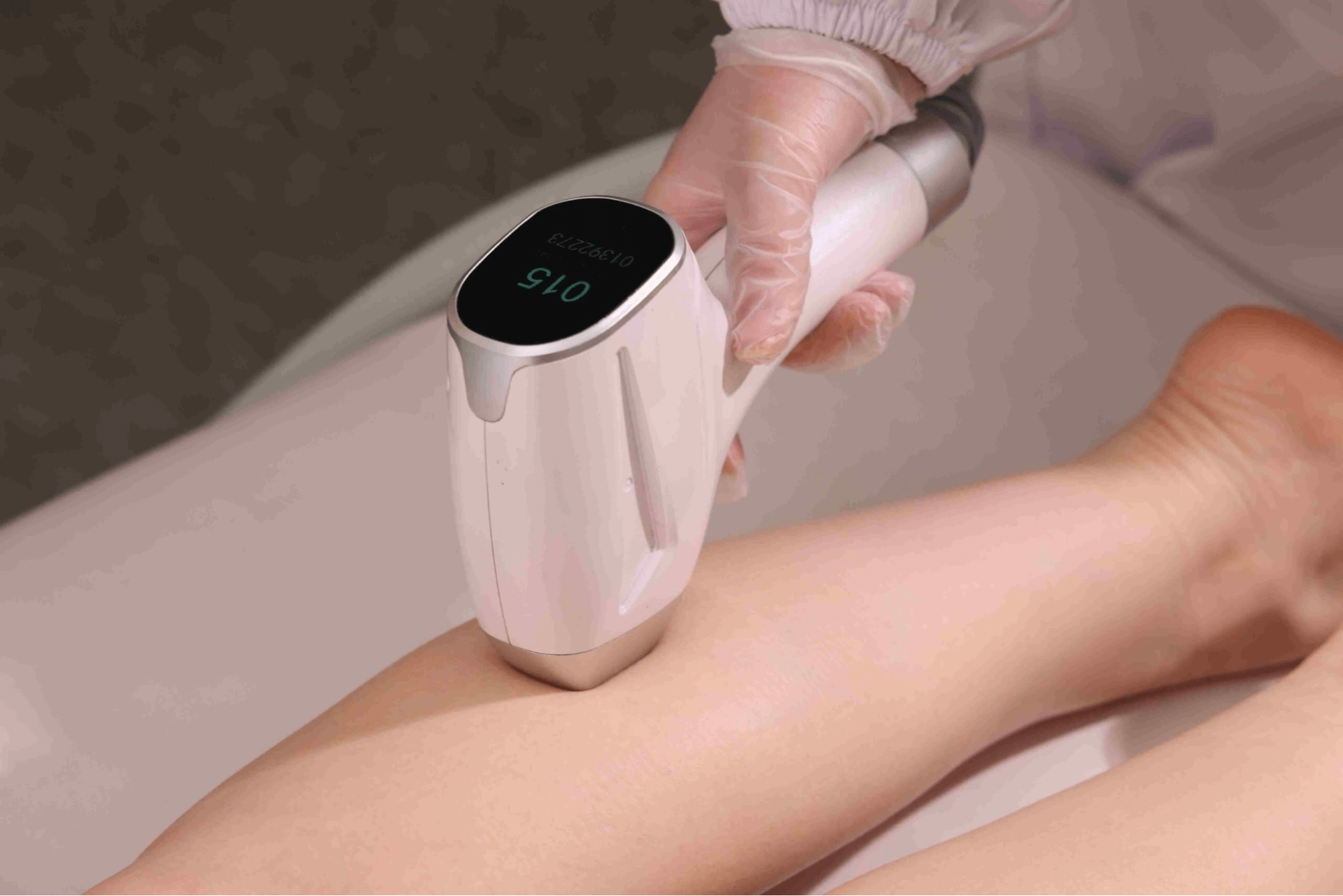
How to Prepare for Laser Hair Removal: The Ultimate Step-by-Step Guide
LEARN MORE
How to Remove Facial Hair for Women: A Complete Guide to Safe. Smooth Skin
LEARN MORE
What Is Fractional CO2 Laser? Uses Benefits & How It Works
LEARN MORE
What Does Cellulite Look Like? Signs Causes & Where It Appears
LEARN MORELooking for something else?

Do Men Get Cellulite? Causes Differences & What to Know
LEARN MORE
Does Radio Frequency Skin Tightening Work? Results & How It Works
LEARN MORE
Do You Shave Before Laser Hair Removal? Prep Tips & Why It Matters
LEARN MOREYou may also like


Further reading
How to Choose a Body Slimming Machine for Your Clinic
EMS Body Sculpting Machine Buying Guide for Clinics
RF Microneedling Cartridge Guide for Clinics