

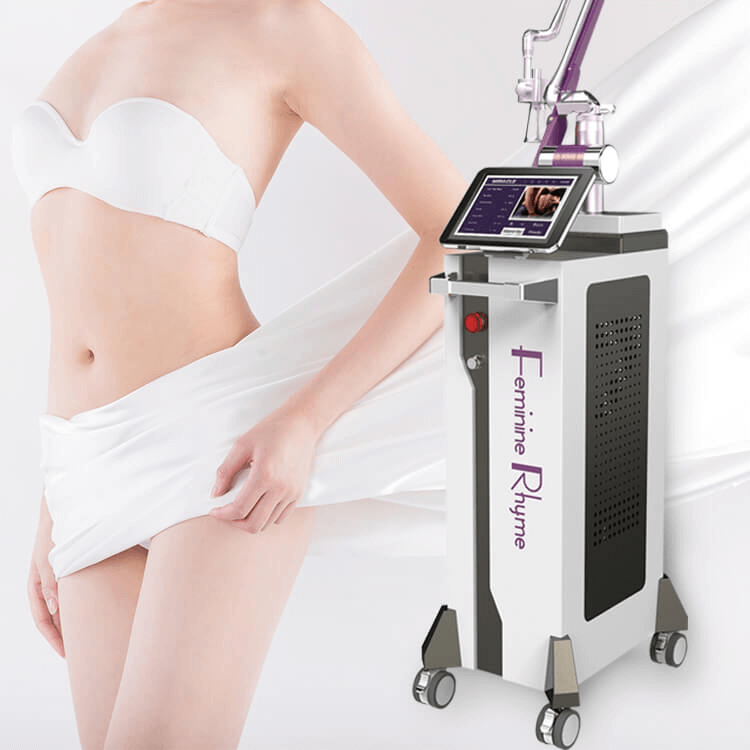
Fractional CO2 Recovery: Day-by-Day Guide

Thinking ahead about fractional CO2 laser recovery makes all the difference—whether you’re a patient planning downtime or a clinic/buyer setting expectations. This gentle, practical guide walks you through day 1 fractional CO2 laser and the rest of the first two weeks: what you’ll see, what to do, and when to call your provider.
Note: This is general education, not medical advice. Always follow the exact aftercare your treating clinician gives you. Settings, coverage, and skin type matter a lot. Stronger settings and larger coverage mean longer downtime.
Quick refresher: how fractional CO₂ works (and why downtime varies)
Fractional CO₂ delivers columns of energy into tiny “micro‑zones,” leaving surrounding tissue intact to speed re‑epithelialization compared with fully ablative passes. It resurfaces texture, fine lines, and scars by stimulating new collagen while the skin repairs. Because only a fraction of skin is injured, healing is quicker than classic full‑field CO₂—but deeper energy or denser patterns can still mean a robust recovery.
Typical healing windows (ballpark):
-
Early re‑epithelialization around day 5–7 for fractional CO₂.
-
Overall healing commonly ~1–2 weeks, with residual pinkness for weeks. Stronger treatments can need longer.
What affects your downtime?
-
Energy & density: Higher energy, more passes, denser patterns = more swelling/oozing and longer recovery.
-
Anatomic site: Eyelids and perioral areas are sensitive; body areas heal differently than face.
-
Skin biology: Fitzpatrick type, history of hyperpigmentation, and barrier health shape the plan and aftercare.
-
Provider protocol: Vinegar/saline soaks, occlusive dressings, and makeup timing vary by clinic. Always follow your sheet.
Supplies to have ready
-
Distilled water (if your clinic recommends it), clean gauze, and a diluted vinegar solution if directed.
-
A clinician‑approved occlusive or dressing (only if your provider instructs it).
-
Extra pillows to sleep slightly elevated; soft, clean pillowcases.
-
A wide‑brim hat and shade plan for the first weeks outdoors.
Day‑by‑Day: exactly what to expect and do
Treatment Day (Day 0): the immediate hours
What you’ll see: pronounced warmth, redness, swelling; sometimes clear or yellowish oozing. What to do: many clinics cool with wrapped cold packs and apply petroleum jelly or antibacterial ointment plus a protective dressing before you leave; you may be asked to start diluted vinegar/saline soaks later. Plan to sleep with your head slightly elevated to minimize swelling.
Day 1 Fractional CO2 Laser: your first morning after
If you’ve been wondering, “What does day 1 fractional CO2 laser really feel like?”, here’s the calm, honest answer.
What you’ll see: heat and swelling linger; ooze is common; the skin may look sunburned and shiny under ointment or dressings. Mild stinging/itching can begin (often peaks in the 12–72‑hour window).
What to do (typical protocols):
-
Cleansing: Many providers have you begin gentle cleansing after the first 24 hours, then repeat 4–5×/day. Some prefer diluted vinegar soaks alternating with gentle cleanser; pat dry (no rubbing).
-
Moist wound care: If your sheet says to keep skin moist/occluded, reapply the instructed ointment to prevent crusts and scabs (do not improvise products). If your sheet specifies no ointments, follow that strictly.
-
Comfort: Wrapped cool compresses for 15 minutes as needed; keep head elevated at night.
-
Absolutely avoid: makeup, strenuous exercise, saunas/hot tubs, and direct sun. This is your quiet recovery day 1 fractional CO2 focus.
Days 2–3: swelling settles, tightness rises
What you’ll see: redness persists; itching or stinging is common (12–72 hours window); oozing usually decreases. Skin can feel tight.
What to do:
-
Continue your clinic’s cleanse + occlude (or cleanse + dress) cycle exactly as instructed.
-
No gym, pools, or heavy sweating yet; heat and sweat can irritate vulnerable skin and raise infection risk.
-
Keep cool compresses in short intervals if swelling lingers; elevate at night.
Days 4–5: peeling starts—hands off
What you’ll see: fine sloughing/peel as new epithelium resurfaces (do not pick). The color may shift from red to pink as islands of healed skin expand.
What to do:
-
Stay consistent with gentle cleansing and whatever your provider specified (occlusive or specific dressings). The goal is to prevent crusts and let skin lift naturally.
-
Still no makeup; avoid any exfoliants, retinoids, or acids.
-
Keep avoiding sun; rely on hats/shade rather than sunscreen until your provider confirms you’re re‑epithelialized (some clinics delay sunscreen during the first week).
Days 6–7: mostly re‑epithelialized
What you’ll see: “new” skin—pink, tender, and shiny. For many fractional protocols, this is when the surface has largely closed.
What to do:
-
Your clinic may clear light, oil‑free or mineral makeup once fully healed; common guidance ranges from day 7–10, though some providers prefer longer. When in doubt, wait.
-
If your skin is truly closed, most providers start daily broad‑spectrum SPF ≥30 going forward; still keep hats/shade and avoid direct sun.
-
Resume gentle moisturizer as directed; avoid retinoids/glycolic acid for ~4–6 weeks unless your clinician says otherwise.
Days 8–14: settling in (back to routine, carefully)
What you’ll see: pinkness persists; dryness and sensitivity gradually improve. You may feel ready for work/social life with makeup camouflage (if approved). Some individuals see lingering redness for weeks to months (especially after stronger settings).
What to do:
-
SPF every morning (face and any treated areas), reapply diligently; shade and hats are your friends.
-
Ease back into normal activity, but keep saunas/hot tubs off‑limits for 1–2 weeks post‑treatment unless your clinic says otherwise.
-
If your provider gave you a plan for pigment control or redness (e.g., a gentle brightener later on), start only when cleared.
“Is my recovery normal?” Common milestones
-
Swelling: often 24–48 hours, longer with higher energies or periorbital work. Cold compresses help.
-
Itch/sting: 12–72 hours is typical; call if severe.
-
Sloughing/peel: days 5–7 for many fractional protocols.
-
Re‑epithelialization: around day 6–7 (fractional)—earlier or later depending on density.
-
Redness: can linger weeks–months after strong passes; green‑based makeup helps camouflage after healing.
Sun, makeup, and actives: timing that protects results
-
Sun: Protect before and after treatment. Avoid direct sun until healed; then daily SPF ≥30 (UVA/UVB) becomes non‑negotiable.
-
Sunscreen timing: Some clinics postpone sunscreen during the first week on freshly open skin—use hats/shade instead—then start SPF once the surface has closed. Follow your sheet.
-
Makeup: Many providers clear makeup after re‑epithelialization (~7–10 days); others allow sooner for very light fractional protocols, but conservative timing is safest.
-
Retinoids/acids: Often delayed ~4–6 weeks or per your clinician’s instruction.
Infection & HSV precautions (important but easy)

Your clinician may prescribe antivirals (for cold sore history or per protocol) and sometimes prophylactic antibiotics or antiseptic cleansing. Take exactly as directed and do not pick. Report fever, spreading redness, increased pain, or green/yellow drainage right away.
Call your clinic urgently if you notice:
-
Fever ≥101 °F (38.3 °C), chills, pus‑colored drainage
-
Worsening pain/swelling after initial improvement
-
Bleeding that doesn’t stop with pressure
-
New blisters/sores suggestive of HSV reactivation
Special note on skin of color (and anyone prone to pigment change)
Post‑inflammatory hyperpigmentation (PIH) risk exists for all tones and can be higher with CO₂ compared with some other lasers; careful settings, strict sun avoidance, and a provider experienced with your skin type are key. Some evidence shows low PIH risk with fractional CO₂ in darker tones when properly performed, but caution is warranted.
For clinic owners & device buyers: set recovery expectations clearly
-
Pre‑booking talk track: One full week of visible downtime is typical for many fractional CO₂ protocols; stronger coverage/settings can mean 10–14 days. Put that in writing and tailor by treatment plan.
-
Send patients home prepared: Provide printed (and digital) step‑by‑step aftercare with exact cleansing frequency, solution recipes (e.g., dilute vinegar if you use it), ointment/dressing rules, and red‑flag symptoms with phone numbers.
-
Recovery kit: distilled water, sterile gauze, pre‑approved occlusive/dressing, hat, and a gentle cleanser.
-
Sun & makeup policy: spell out your sunscreen timing and makeup clearance (e.g., only after full re‑epithelialization).
Frequently Asked Questions
How long does fractional CO₂ downtime last? For many protocols, plan about a week of obvious downtime; stronger settings may need 10–14 days, and redness can persist longer.
What does the skin look like on day 1? Expect redness, swelling, and often some clear/yellow oozing under ointment or a dressing. Gentle cleansing typically starts after 24 hours, then several times daily.
When can I exercise again? Light walking is fine, but avoid strenuous workouts, saunas, hot tubs, and pools early on. Many clinics recommend no heavy sweating for the first 1–3 days, with heat exposures avoided 1–2 weeks. Follow your clinician’s timing.
When can I wear makeup? Once fully healed—often around day 7–10 for fractional protocols—many providers allow light, oil‑free/mineral makeup. Some practices ask you to wait longer; your clinician’s clearance wins.
Do I need antivirals? If you have a history of cold sores—or per clinic protocol—antivirals may start before treatment and continue after to reduce HSV reactivation risk.
When do I restart retinoids or acids? Often 4–6 weeks post‑treatment, after your clinician confirms barrier recovery.
One‑page care checklist (save this)
-
Day 0–1: cool compresses (wrapped), sleep elevated; start clinic‑approved cleansing after 24 hours; keep skin protected with the dressing/ointment policy your provider gave you. Zero makeup, sun, heat, or workouts.
-
Days 2–3: continue cleanse cycles and protection; avoid sweating and friction; expect itch/tightness.
-
Days 4–5: peeling starts—no picking; continue protocol.
-
Days 6–7: likely re‑epithelialized; discuss makeup clearance and begin SPF ≥30 once fully closed; keep shade/hats.
-
Days 8–14: back to routine carefully; SPF daily; avoid hot tubs/saunas until cleared.
Why clinics choose fractional CO₂
Fractional CO₂ is a versatile workhorse for texture, fine lines, and acne scars—often with fewer complications than legacy fully ablative passes, yet more impact than many non‑ablative options when parameters are chosen well. The healing curve is predictable when aftercare is clear and patients protect from sun.
Final calming thought
CO₂ fractional laser healing takes patience—but the arc is steady: soothe, protect, re‑epithelialize, then rebuild. Respect day 1 fractional CO₂ laser as the start of recovery, not the finish line; by week two, most people feel socially comfortable, and improvements continue for months as new collagen matures. If you’re a clinic or buyer, clear scripts and a ready‑to‑go aftercare kit make every treatment—and every review—better.


Looking for something else?

Do Men Get Cellulite? Causes Differences & What to Know
LEARN MORE
Does Radio Frequency Skin Tightening Work? Results & How It Works
LEARN MORE
Do You Shave Before Laser Hair Removal? Prep Tips & Why It Matters
LEARN MORE
How to Get Rid of Age Spots: Treatments. Natural Remedies & Prevention
LEARN MORELooking for something else?
How to Heal Ingrown Hair: Causes. Treatments & Healing Time
LEARN MORE
How to Get Rid of Freckles: Effective Treatments & Natural Tips
LEARN MORE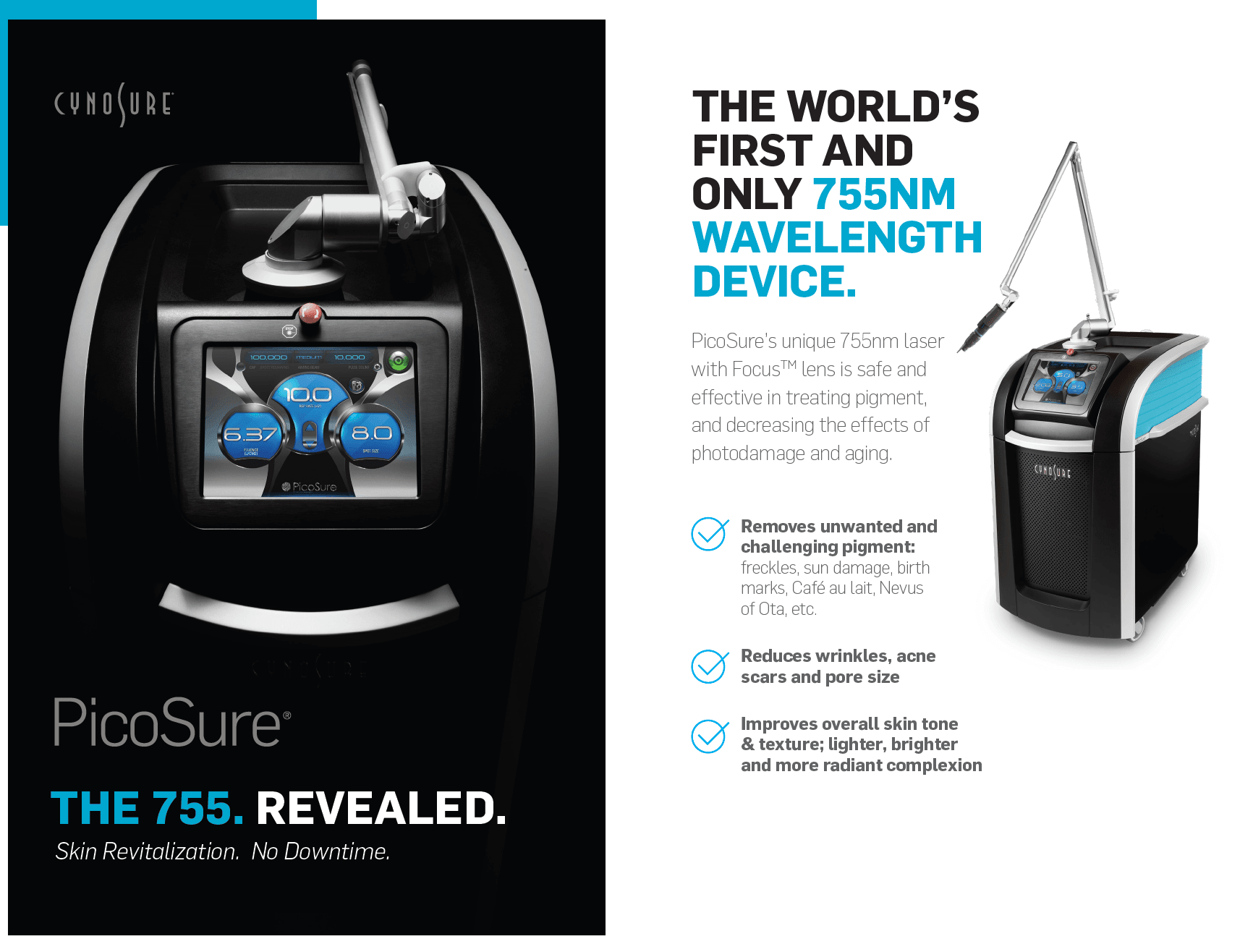
Top 10 Picosecond Laser Machine Manufacturers for Clinics in 2026
LEARN MOREYou may also like


Further reading

Tattoo Removal Laser Machine Cost and Ownership Guide
The purchase price is only one part of a tattoo removal laser machine’s cost. A clinic also needs the correct wavelength configuration, cooling, eyewear, room controls, staff training, documentati...

CO2 Laser Treatment Room Setup Checklist
A CO2 laser purchase is not complete until the treatment room can support safe, repeatable operation. Room planning should happen before shipment so the clinic can address smoke evacuation, access...

Aesthetic Machine Factory Acceptance Test Before Shipment
LEFISA factory acceptance test, or FAT, gives the buyer a defined point to confirm that the machine matches the order and completes agreed checks before shipment. It does not replace regulatory re...

Aesthetic Machine Warranty and Spare Parts Guide
A warranty is useful only when it explains what happens after a fault is reported. The number of warranty months matters, but the coverage, exclusions, evidence requirements, parts location, labor...


