

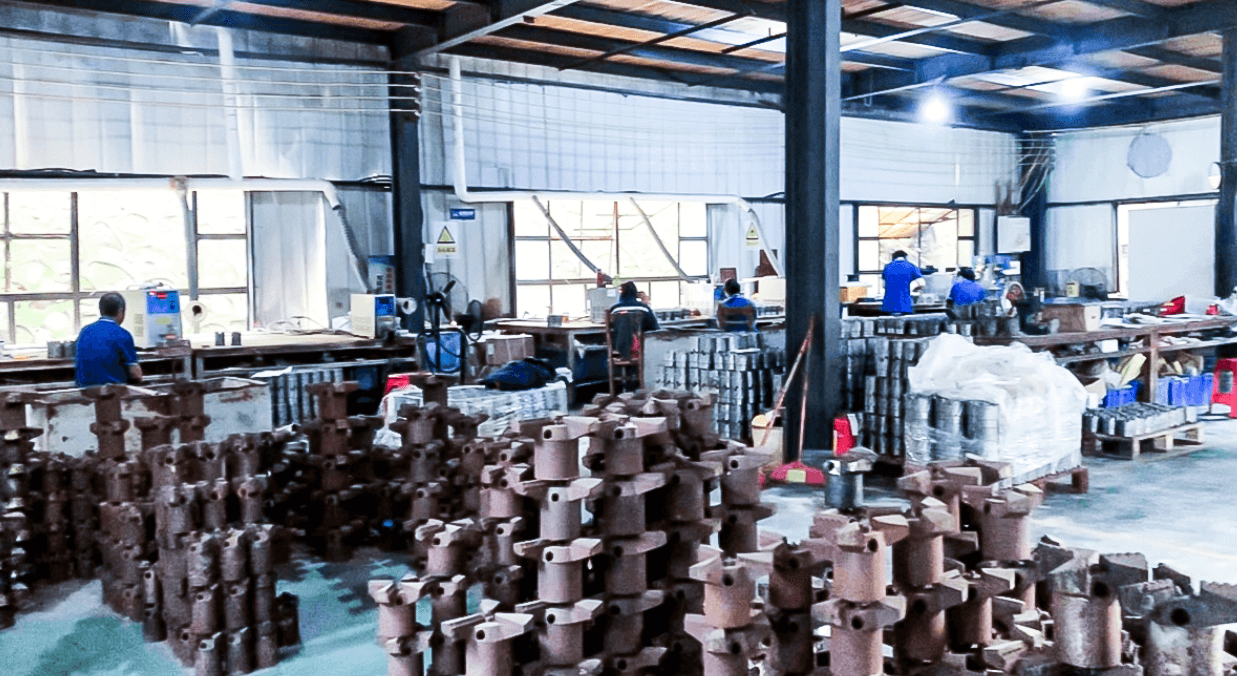
Do Diamond Drill Bits Have Diamonds? The Truth Explained
When you hear “diamond drill bit”, it’s easy to imagine a tiny jewel embedded in a steel shaft, sparkling as it spins. But the truth behind the term “diamond drill bits” is far more technical—and fascinating. In this article we’ll answer the central question: do diamond drill bits have diamonds? We’ll also cover how they’re made, why they work so well for tough materials like stone and glass, and when a “diamond” bit is really the right tool for the job.
What Exactly Are Diamond Drill Bits?
The phrase “diamond drill bits” covers a family of tools designed to cut through very hard materials—stone, tile, glass, concrete and more. But the “diamond” in the name doesn’t always mean what many people think.
In many cases, yes — bits do contain industrial-grade diamonds (not the gem-quality ones). These diamonds are embedded, coated or bonded to the cutting edge to give the bit its super-hard performance. According to tool manufacturers:
“Diamond drill bits get their extra cutting power from little pieces of diamond powder embedded in them.”
So the short answer: Yes — diamond drill bits do have diamonds (or diamond particles) in most cases. The longer answer involves how they are used and bonded, and what that means for performance.
How Diamond Drill Bits Are Made (and Where the Diamonds Go)
To understand how the diamonds are involved, here’s a simplified version of how these bits are manufactured:
Step-by-Step Construction
- Material selection: Industrial diamonds (often synthetic) are chosen for size, grit and concentration depending on the target material (tile, stone etc).
- Matrix or coating preparation: The diamonds are either embedded into a metal matrix, electroplated onto a substrate, or impregnated through a structure where diamonds are distributed throughout the bit.
- Bonding to the bit body: For core bits, large diamond-matrix segments are brazed or laser-welded onto a steel barrel.
- Finishing & testing: The bit is cleaned, machined, coated for corrosion resistance, balanced and inspected for quality.
Key Concepts
- Electroplated diamond bits: A thin layer of diamonds and metal is plated onto the bit surface. Once that layer wears off, the bit has no more diamonds to cut with.
- Impregnated bits: Diamonds are embedded throughout the body of the bit so as the outer material wears away, fresh diamonds are exposed.
- Diamond core bits: These are large hollow bits where the cutting edge has diamonds bonded to it and the bit drills a core rather than removing all material.
In all of these, the “diamond” isn’t just in the label—it’s part of the cutting surface or matrix. In other words: yes, diamonds are used in these bits, but not typically as big, gem-style crystals; rather as industrial abrasive particles.
Why Use Diamonds in Drill Bits?

Why go through the trouble of embedding diamonds in a drill bit rather than using standard materials like tungsten carbide? Several key reasons:
- Hardness: Diamonds are the hardest naturally occurring material (or close to it, in industrial form). This means they can cut or grind materials that would destroy standard bits.
- Durability for hard materials: When drilling stone, tile, glass or very hard concrete, conventional bits dull or break quickly. Diamond bits last far longer.
- Precision: Because the diamonds are extremely hard, the bit can maintain a sharper cutting edge for longer, giving cleaner holes and less chipping—especially in brittle materials like glass or porcelain.
- Specialized applications: For tasks such as drilling marble countertops, granite slabs, tiles or extracting cores from rock, diamond-bits are often essential.
Thus when you see terms like “diamond tip drill bits,” “diamond core drill bits,” “diamond drill bits for stone”, they’re referring to tools built for very tough drilling conditions—thanks to those tiny embedded diamonds.
Where Diamonds Can—and Can’t—Be Used Effectively
While diamond drill bits are extremely capable, they aren’t a universal solution. Understanding their proper application helps you choose wisely.
Good Uses
- Stone & granite: The hardness of granite calls for diamond-coated or impregnated bits.
- Tile, ceramic & porcelain: To avoid cracking or chipping, diamonds are ideal.
- Glass & engineered stone: Diamond bits can drill holes cleanly in brittle, transparent materials.
- Core drilling: Where removing a full piece of material (core) is needed—diamond core bits excel.
Not Recommended For
- Soft metals or wood: Diamond bits can over-cut or burn soft materials, and the diamonds may clog or become ineffective. For example:
“DO NOT use Diamond drill bits on metal or soft wood. Metal and some wood is too soft a material and will cause the diamonds to clog up on your drill bit.” ritodental.com
- High-impact, general purpose drilling: If the job is wood or mild steel, other bits (HSS, cobalt, carbide) may be more cost-effective.
In short: Diamonds are best when you’re drilling hard materials that standard bits struggle with. For everyday tasks in wood or metal, they may be overkill and inefficient.
How to Identify a Real Diamond Drill Bit

Since “diamond drill bit” is a marketing term as well as a technical one, here are some indicators to make sure you’re getting a genuine one built for performance:
- Surface texture: Bits with a rough, gritty surface are likely to have diamond particles.
- Water-cooling allowance: Many diamond bits require water to cool and flush debris—look for water holes or mention of wet drilling.
- Bond type mentioned: If the spec says “electroplated diamond”, “impregnated diamond”, “diamond matrix”, that confirms diamond use.
- Material application: If it states it’s for glass, tile, stone or granite, chances are it uses diamonds.
- Price vs typical bits: Diamond bits often cost more due to manufacturing complexity.
- Avoid mis-labeling: Some bits called “diamond-look” or “diamond tip” might just have a surface coating or minimal diamond content—always check construction details.
If you’re in the industrial drilling business (e.g., using larger tools or drill rods), then checking for specifications like drilling depth, segment welding, and diamond grit helps. For example, the product line at FSDRILL includes an “Electroplated Diamond Drill Bits” category. Visit their site to explore such bits.
Why Diamond Bits Are Cheaper Than You’d Expect (and What That Means)
You might wonder: if diamonds are involved, why aren’t these bits prohibitively expensive? Here’s some clarity:
- Industrial diamonds vs gem grade: The diamonds used are industrial grade—not gem quality. They may be synthetic or natural, small particles, and are optimized for hardness, not sparkle.
- Small diamond size: Many bits use fine diamond grit, rather than large crystals.
- Embedded in matrix: The diamonds are part of a composite material or matrix (metal, electroplated layer etc), not floating loosely.
- Cost vs performance trade-off: A high-quality diamond bit costs more up front but can last significantly longer in hard-material use, making it cost-effective in long-run.
So while the term “diamond” evokes high luxury, in this context it refers to performance, not jewelry. Manufacturing processes (electroplating, impregnating, sintering) allow viable cost structures for industrial use.
Practical Tips When Using Diamond Drill Bits
To get the most out of your diamond bits and preserve the diamonds themselves, follow these practical steps:
- Use water or coolant when drilling stone, tile or glass—this keeps heat down and prevents damage.
- Maintain low to moderate rotation speed (depending on material) and steady pressure. Let the bit do the cutting; avoid excessive force.
- Clear debris frequently—diamond bits can clog with particles from brittle materials or glass.
- Check for wear: once the diamond coating or matrix is worn off, performance drops markedly.
- Use the bit for its intended material: don’t use a diamond bit optimized for tile on mild steel and expect strong results.
- Store properly: Avoid corrosion to the bit body or matrix, as that undermines diamond exposure and performance.
Conclusion
So: do diamond drill bits have diamonds? Yes—they really do. But the diamonds aren’t big flashy gems. Instead, they are industrial-grade diamond particles carefully bonded or embedded in the drill bit through methods like electroplating, impregnation or brazing. These diamonds give the bit the ability to cut ultra-hard materials like stone, tile and glass where ordinary bits fail.
Just remember: diamonds don’t guarantee “use anywhere” convenience. Match the bit to the material—stone, glass, metal—and you’ll unlock performance. Use it incorrectly and you’ll waste both the tool and your time.
Frequently Asked Question
Are the diamonds in diamond drill bits real?
Yes—most use real industrial diamond particles embedded in the bit’s cutting zone or matrix.
Can I use a diamond drill bit on metal?
Typically no. Diamond bits excel on hard, brittle materials like glass, tile or stone. Soft or ductile materials like metal can clog or damage the diamonds.
What is a “diamond tip drill bit”?
It refers to a bit whose cutting edge or tip is coated or bonded with diamond particles, enabling it to handle very hard materials.
What is a diamond core drill bit?
A core drill bit that uses diamonds on its cutting rim or edge and drills out a hollow “core” of material—ideal for holes in stone, concrete, or engineering applications.
Are diamond drill bits always better than carbide bits?
Not always. For general wood or metal drilling, carbide or HSS bits may be more cost-effective. Diamond bits shine when the material is extremely hard or brittle and standard bits won’t last.


Looking for something else?

Do Men Get Cellulite? Causes Differences & What to Know
LEARN MORE
Does Radio Frequency Skin Tightening Work? Results & How It Works
LEARN MORE
Do You Shave Before Laser Hair Removal? Prep Tips & Why It Matters
LEARN MORE
How to Get Rid of Age Spots: Treatments. Natural Remedies & Prevention
LEARN MORELooking for something else?
How to Heal Ingrown Hair: Causes. Treatments & Healing Time
LEARN MORE
How to Get Rid of Freckles: Effective Treatments & Natural Tips
LEARN MORE
Top 10 Picosecond Laser Machine Manufacturers for Clinics in 2026
LEARN MOREYou may also like


Further reading

Tattoo Removal Laser Machine Cost and Ownership Guide

CO2 Laser Treatment Room Setup Checklist

Aesthetic Machine Factory Acceptance Test Before Shipment


