

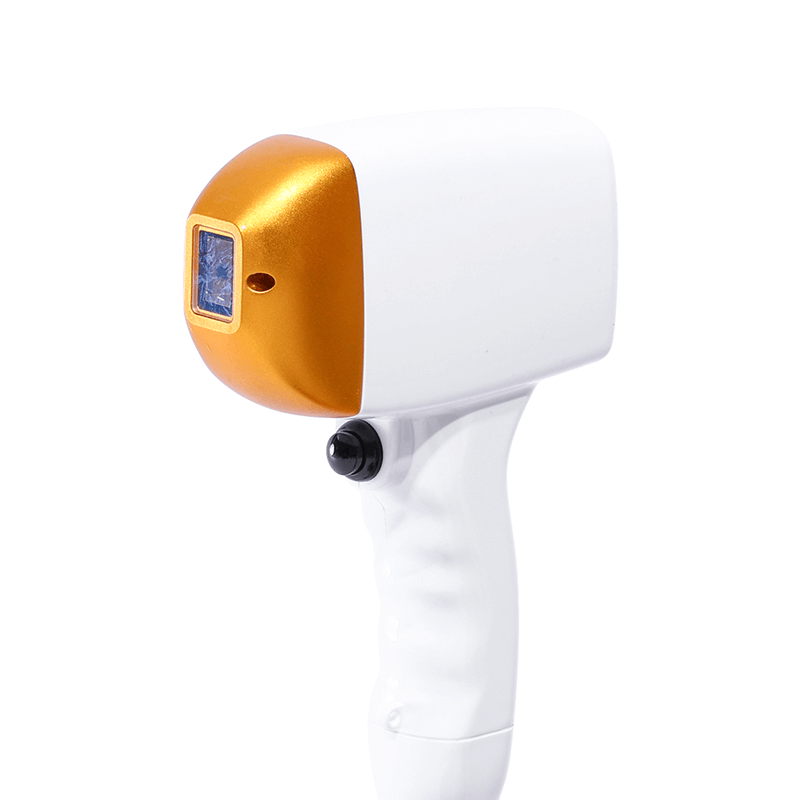
808/810 vs Triple-Wavelength (755/808/1064)
When choosing a diode laser hair removal machine, one of the biggest questions is whether to go with the classic 808/810 nm platform or invest in a triple-wavelength system (755/808/1064 nm). Both deliver safe and effective permanent hair reduction, but they differ in depth of penetration, coverage of skin types, treatment speed, and training requirements. This guide compares the two technologies head-to-head so clinics can align investment with patient demand and long-term ROI.
Why 808/810 nm became the gold standard
The 808/810 nm diode has been the backbone of hair removal for over a decade. Its wavelength sits at the sweet spot where melanin absorption is high enough to target hair follicles effectively, but penetration is deep enough to reach the bulb without excessive epidermal heating.
This balance explains why the 808 diode laser remains the “gold standard” for permanent hair reduction across a wide range of skin tones and hair densities. Clinics appreciate its predictability, safety, and strong track record.
Typical features of professional 808 diode machines include:
- Stable energy delivery across larger spot sizes.
- Effective cooling systems (water, air, TEC, sapphire contact).
- Adaptability for coarse and fine hair.
- Short recovery times with minimal discomfort.
For example, portable units can deliver 800–2400 W of power, adjustable pulse widths (1–400 ms), and spot sizes up to 12×35 mm, enabling fast coverage and high throughput.
What triple-wavelength adds (755/808/1064)

Triple-wavelength diode machines integrate three laser sources into one handpiece:
- 755 nm (alexandrite-equivalent): Stronger absorption by melanin, ideal for fine and lighter-colored hair, especially in skin types I–III.
- 808 nm: The proven workhorse, balancing absorption and penetration.
- 1064 nm (Nd:YAG-equivalent): Deeper penetration with less melanin absorption, safer for darker skin (types IV–VI) and for deeply rooted, coarse hair.
By blending these wavelengths, the system can treat more hair and skin types in one platform. For clinics in diverse markets, this versatility is a competitive advantage, allowing you to serve a wider demographic without juggling multiple machines.
Comparing treatment coverage
808/810 diode
- Excels in medium-depth follicles and dark, coarse hair.
- Performs consistently across common treatment areas: legs, bikini, underarms, chest, and back.
- Safe on light to moderately dark skin tones with cooling and proper protocols.
Triple-wavelength diode
- Covers fine, light hairs (thanks to 755 nm), which are less responsive to 808 alone.
- Handles deep, coarse follicles (via 1064 nm) on darker skin types with reduced PIH risk.
- Offers broader full-spectrum coverage for multicultural patient populations.
Speed and efficiency
Spot size and repetition rate matter just as much as wavelength. Many 808 nm systems already deliver large spots (up to 12×35 mm) and 1–10 Hz pulse frequencies, making full-leg treatments feasible in under an hour.
Triple-wavelength units often incorporate similar or larger spots, but their advantage is fewer retreatments overall when targeting diverse hair types. Clinics that see high patient volume may find ROI faster with triple systems, despite higher initial cost.
Safety and patient comfort
Both systems rely heavily on cooling technology to protect epidermis: water, air, semiconductor TEC, and sapphire tips are standard. With 808/810 machines, safety protocols are well established and training is straightforward.
Triple-wavelength systems increase complexity: technicians must understand how to select or blend wavelengths for different skin types and hair. With proper training, the risk of burns, PIH, or undertreatment is low, but staff need clear protocols.
Cost and ROI considerations
808 diode hair removal machines are generally more affordable, with purchase prices starting around $30,000–$60,000 for quality units, climbing toward six figures for higher-powered systems with multiple applicators.
Triple-wavelength diode machines typically command a premium, often $50,000–$120,000+, reflecting the added engineering, flexibility, and marketing appeal.
ROI depends on patient mix:
- Clinics serving primarily medium-to-light skin types with coarse hair may achieve excellent returns with a single-wavelength 808 system.
- Clinics with diverse populations benefit from broader candidacy and reduced retreatment, which can offset the higher upfront price.
Training implications for clinics

808/810 diode systems are simpler to master, with fewer wavelength choices and established treatment maps. Training focuses on skin typing, fluence adjustment, and cooling protocols.
Triple-wavelength devices require staff to choose wavelength modes or blends based on skin tone, hair thickness, and depth. This increases flexibility but also raises the risk of user error if training is inadequate. Clinics investing in these systems should budget time and resources for thorough operator education.
Evidence from clinical studies
Research comparing diode wavelengths shows all can achieve high efficacy, but wavelength choice impacts safety and speed in different patient groups.
- 808/810 nm: Proven efficacy across millions of treatments; considered the “reference” standard in laser hair removal literature.
- 755 nm: Demonstrates better clearance in fine, light hairs that resist 808.
- 1064 nm: Safest for dark skin tones, where melanin competition is higher.
Recent peer-reviewed studies confirm that triple-wavelength diode systems deliver strong clearance rates with lower complication risks across all Fitzpatrick types, supporting their value in diverse populations.
Which is right for your practice?
- Choose 808/810 diode if:
- Your patient base is mostly light-to-medium skin tones with coarse or dense hair.
- You want a proven, affordable, straightforward platform.
- Speed and reliability matter more than versatility.
- Choose Triple-wavelength (755/808/1064) if:
- Your clinic serves a multicultural or mixed-skin-type demographic.
- You want one machine that handles both fine vellus hairs and deep, coarse hairs.
- You’re prepared to invest more upfront for broader coverage and potentially higher ROI.
Frequently Asked Questions
Is 808 diode laser hair removal still relevant with triple-wavelength on the market?
Yes. 808/810 remains highly effective, cost-efficient, and widely used. Triple-wavelength expands the patient pool but doesn’t make 808 obsolete.
Is 810 diode laser hair removal different from 808?
They’re often used interchangeably. Both refer to the same near-infrared range, with equivalent absorption and penetration profiles.
Is 808nm hair removal safe for dark skin?
With proper cooling and conservative settings, yes. For higher Fitzpatrick types, adding 1064 nm (as in triple systems) increases safety margin.
Which pays back faster, 808 or triple?
It depends on your patient base. A busy urban clinic with diverse clientele may recoup investment faster with a triple-wavelength device. A smaller, specialized practice may find 808 more cost-effective.
Closing thought
Both 808/810 diode and triple-wavelength (755/808/1064) systems deliver permanent hair reduction through selective photothermolysis. The choice comes down to coverage needs, patient demographics, and budget. For many clinics, 808 remains a reliable and profitable standard. For those seeking the broadest versatility in one platform, triple-wavelength is the logical next step.


Looking for something else?

Do Men Get Cellulite? Causes Differences & What to Know
LEARN MORE
Does Radio Frequency Skin Tightening Work? Results & How It Works
LEARN MORE
Do You Shave Before Laser Hair Removal? Prep Tips & Why It Matters
LEARN MORE
How to Get Rid of Age Spots: Treatments. Natural Remedies & Prevention
LEARN MORELooking for something else?
How to Heal Ingrown Hair: Causes. Treatments & Healing Time
LEARN MORE
How to Get Rid of Freckles: Effective Treatments & Natural Tips
LEARN MORE
Top 10 Picosecond Laser Machine Manufacturers for Clinics in 2026
LEARN MOREYou may also like


Further reading

Tattoo Removal Laser Machine Cost and Ownership Guide

CO2 Laser Treatment Room Setup Checklist

Aesthetic Machine Factory Acceptance Test Before Shipment


