

Monopolar vs Bipolar vs Multipolar RF: Key Differences Explained
Radio Frequency (RF) technology has been a cornerstone of the medical aesthetics industry for nearly two decades. Its non-invasive nature and effective therapeutic results have made it a popular choice among dermatologists and beauty professionals. Since the introduction of the first RF device in 2002, RF technology has undergone significant advancements, particularly in improving the control of penetration depth and enhancing safety and patient comfort.
Understanding the different types of RF technology and how they work is essential for clinics looking to provide the best results for their patients. This article explains the key differences between monopolar, bipolar, and multipolar RF systems, including their mechanisms, applications, and advantages.

What Is Radio Frequency (RF)?
Radio frequency (RF) refers to electromagnetic waves with energy that can penetrate through the skin layers. When RF energy reaches the dermis, it converts into heat, which stimulates the production of collagen and elastin, aiding in skin rejuvenation. This process promotes firmer, smoother skin and reduces the appearance of fine lines, wrinkles, and other signs of aging.
RF energy is delivered to the skin in various ways, depending on the type of RF system used. Below, we’ll break down the three primary RF systems used in medical aesthetics: monopolar, bipolar, and multipolar RF.
Monopolar RF
Monopolar RF uses a single electrode to emit energy, with the energy traveling from the electrode to the skin's deeper layers. This type of RF system typically requires a grounding pad or electrode placed on the patient’s body to complete the circuit.
- Depth of penetration: The energy is delivered to a deeper level within the skin (typically the dermis and subcutaneous layers).
- Mechanism: The energy is dispersed over a larger area, which can be beneficial for targeting larger treatment areas, such as the abdomen or thighs. However, it can result in less precise energy delivery and may require higher power settings to reach the desired depth.
- Effectiveness: While it’s effective for deep tissue tightening, it often requires more energy and can lead to discomfort or a higher risk of side effects, such as burns or skin irritation.
Advantages:
- Deep penetration for skin tightening.
- Ideal for large body areas.
Limitations:
- Less precise energy delivery.
- May require higher energy and cause more discomfort.
Bipolar RF
Bipolar RF systems use two electrodes, both placed on the skin’s surface, to create a circuit through which energy flows. This configuration allows for better control of the energy depth and penetration, as the energy is more concentrated between the two electrodes.
- Depth of penetration: Typically targets the dermis (2–4 mm), making it ideal for facial treatments and skin rejuvenation.
- Mechanism: Since the electrodes are closer together, energy is more focused, offering greater precision and efficiency in treatment.
- Effectiveness: It’s highly effective for facial skin tightening and rejuvenation, especially in areas like the jawline, cheeks, and forehead. The more focused energy allows for faster, more efficient collagen remodeling.
Advantages:
- Greater precision and control of energy depth.
- Ideal for facial treatments.
- Less discomfort compared to monopolar RF.
Limitations:
- Less effective for deep tissue treatments.
- May not be as suitable for large body areas.
Multipolar RF
Multipolar RF combines multiple bipolar systems, with several electrodes that deliver energy simultaneously to different layers of the skin. This creates a more even energy distribution across the treatment area, resulting in better skin tightening and collagen stimulation.
- Depth of penetration: Multipolar RF can penetrate various depths of the skin, from the superficial layers to the dermis and subcutaneous tissue (1–5 mm).
- Mechanism: By using multiple electrodes, energy is distributed more evenly, allowing for more precise targeting of specific skin layers and minimizing the risk of heat buildup and discomfort.
- Effectiveness: It provides an even, balanced effect that’s ideal for both facial rejuvenation and body contouring. The treatment can be adjusted to target specific areas, such as the face, neck, and abdomen.
Advantages:
- More even and precise energy distribution.
- Effective for both facial and body treatments.
- Suitable for a wider range of skin types and concerns.
Limitations:
- Requires more complex equipment and higher costs.
- May require more sessions for optimal results.
Dynamic Quadrupole RF (DQRF)
A more advanced version of multipolar RF is Dynamic Quadrupole RF (DQRF). This technology uses four RF electrodes that are dynamically configured by control software to generate a focused electric field. This configuration results in more controlled energy delivery and deeper tissue penetration with reduced energy loss.
- Depth of penetration: DQRF can reach deep into the dermis and even the subcutaneous fat layer.
- Mechanism: By adjusting the energy focus at specific skin tissue levels, it offers more efficient treatments with minimal energy wastage.
- Effectiveness: DQRF is highly effective for lifting, firming, and contouring, especially in challenging areas like the neck, jawline, and abdomen.
Advantages:
- More efficient energy delivery.
- Deep tissue penetration for significant results.
- Suitable for both superficial and deep treatments.
Limitations:
- More complex and costly equipment.
- Requires specialized training for effective use.
Choosing the Right RF System for Your Clinic
When selecting an RF system for your clinic, it's essential to consider several factors:
- Treatment area: Monopolar RF is best for large areas, while bipolar and multipolar RF are better suited for the face and smaller areas.
- Patient needs: For deep tissue tightening, monopolar RF may be more effective. For facial rejuvenation, bipolar or multipolar RF may offer better precision and results.
- Skin types: Multipolar RF and DQRF are often preferred for clients with varying skin types and tones due to their ability to target multiple layers safely.
Conclusion
Each type of RF technology—monopolar, bipolar, and multipolar—offers unique advantages for different treatment areas and patient needs. Understanding the differences between these systems helps clinics tailor treatments for their clients, delivering optimal results with minimal discomfort.
By selecting the appropriate RF technology and adjusting the settings based on patient skin type and treatment goals, practitioners can provide personalized, effective treatments that improve skin tone, texture, and firmness. Whether you're focusing on facial rejuvenation or body contouring, RF remains a powerful and versatile tool in modern aesthetics.
If you want to know more about Radio frequency slimming device, just click the button below to contact us!


Looking for something else?

Do Men Get Cellulite? Causes Differences & What to Know
LEARN MORE
Does Radio Frequency Skin Tightening Work? Results & How It Works
LEARN MORE
Do You Shave Before Laser Hair Removal? Prep Tips & Why It Matters
LEARN MORE
How to Get Rid of Age Spots: Treatments. Natural Remedies & Prevention
LEARN MORELooking for something else?
How to Heal Ingrown Hair: Causes. Treatments & Healing Time
LEARN MORE
How to Get Rid of Freckles: Effective Treatments & Natural Tips
LEARN MORE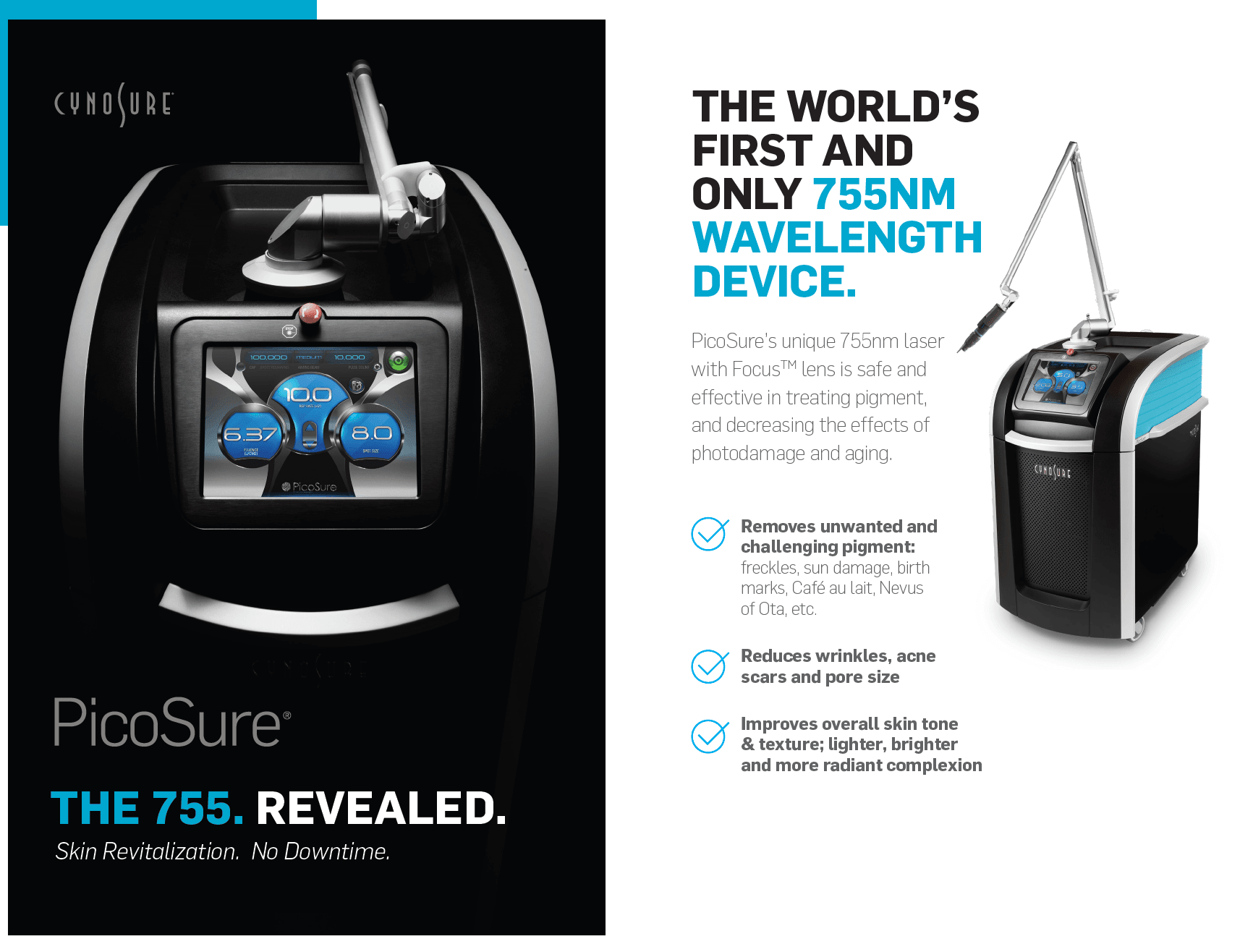
Top 10 Picosecond Laser Machine Manufacturers for Clinics in 2026
LEARN MOREYou may also like


Further reading

Tattoo Removal Laser Machine Cost and Ownership Guide

CO2 Laser Treatment Room Setup Checklist

Aesthetic Machine Factory Acceptance Test Before Shipment


