

Pigmentation spots are one of the biggest enemies of clear, radiant skin. They make even fair complexions appear uneven or aged. Many people try expensive creams and serums hoping to erase freckles, sun spots, or age spots—but the truth is that most skincare products can’t remove deep pigment.
That’s why laser freckle removal has become one of the most effective and sought-after medical beauty treatments today. However, one common concern remains:
“Will laser freckle removal damage my skin structure or make my skin thinner?”
Let’s uncover the real science behind laser beauty and explain why, when performed properly, laser freckle treatments actually strengthen skin rather than harm it.
Why Skincare Products Rarely Remove Freckles
Freckles, sun spots, and age spots form when melanin pigment accumulates in the skin. While whitening or brightening products can fade surface discoloration, they cannot reach pigment deposits deep in the dermis.
This is why most topical products only deliver temporary improvement and require continuous use. True removal of pigment clusters demands a technology that targets melanin deep within the skin layers—and that’s where lasers come in.
What Is Laser Freckle Removal?
Laser freckle removal is an advanced, non-surgical treatment that uses high-intensity light energy to break down pigment. The laser emits a specific wavelength that is selectively absorbed by melanin in the skin.
Here’s what happens:
-
The light energy converts into heat, fragmenting pigment particles.
-
These microscopic particles are naturally cleared away by the body’s lymphatic system.
-
Over several sessions, dark spots fade and skin tone becomes visibly brighter and more even.
Because the laser light targets only pigment—not surrounding tissue—the process is safe, precise, and minimally invasive.
How Does It Work on Different Types of Pigment?
Different skin conditions require different wavelengths:
-
532 nm (green light): Targets superficial spots and freckles.
-
755 nm (alexandrite): Excellent for age spots or sun damage.
-
1064 nm (Nd:YAG): Reaches deeper pigment and suitable for darker skin tones.
By choosing the right laser wavelength and pulse width, practitioners can treat freckles, melasma, lentigines, or post-inflammatory pigmentation effectively.
Who Should Avoid Laser Freckle Treatments?
Although laser technology is safe, certain individuals should delay or avoid treatment:
-
People with open wounds or infections on the face.
-
Those taking photosensitive medications or recently tanned.
-
Pregnant women or those with hormonal imbalances.
-
Individuals with severe mental stress or unrealistic expectations.
Always undergo a professional consultation to determine if your skin is ready for laser therapy
How Many Sessions Are Needed?
Most people require 1–5 sessions, depending on the depth and density of pigmentation.
-
Shallow freckles or sunspots: Noticeable improvement after 1–2 treatments.
-
Deeper pigmentation (like melasma): 3–5 sessions, spaced 4–8 weeks apart.
The number of sessions also depends on the laser type—some high-energy devices clear pigment faster, while gentler systems focus on gradual improvement with less downtime.
Will Laser Freckle Removal Damage Skin or Make It Thinner?
This is one of the biggest misconceptions about laser beauty.
After the age of 25, our skin naturally loses collagen and elasticity, causing it to thin over time. The laser does not thin the skin; in fact, it stimulates new collagen and elastin production through controlled microthermal injury.
Here’s how it benefits your skin structure:
-
Removes damaged pigment cells while keeping healthy cells intact.
-
Activates fibroblasts, the cells responsible for producing collagen.
-
Thickens and strengthens the dermal layer over time.
-
Improves elasticity, smoothness, and radiance.
Rather than weakening the skin, laser freckle treatment rebuilds and rejuvenates it from within—making it firmer, plumper, and more youthful.
Will It Leave Scars?
No. Modern laser freckle devices use selective photothermolysis, meaning the laser targets only melanin without burning surrounding tissue. The outer skin barrier remains mostly intact, so there’s no scarring.
When post-treatment care is followed correctly (especially sun protection), the treated areas heal smoothly and evenly.
When Will You See Visible Results?
Most clients notice visible brightening after the first session, as surface pigment begins to flake and shed naturally.
-
Superficial spots: Often fade after a single treatment.
-
Deep pigment: Requires progressive fading over multiple sessions.
-
Full results: Usually appear within 4–8 weeks after the final session, as the skin regenerates.
Consistency and aftercare—especially hydration and sunscreen—are key to maintaining long-term results.
Recovery and Aftercare Tips
Proper aftercare ensures faster healing and prevents side effects:
-
Moisturize daily: Use mild, fragrance-free moisturizers to support skin repair.
-
Avoid hot water and saunas for 3 days post-treatment.
-
Do not scratch or peel scabs: They will fall off naturally in 7–10 days.
-
No makeup or strong exfoliants for 48 hours.
-
Apply SPF 30+ sunscreen daily and avoid direct sun for at least two weeks.
-
These steps protect your new skin cells and maintain an even tone.
Can Freckles Come Back After Laser?
Laser treatment removes existing pigment but does not prevent new spots from forming if you expose your skin to UV light or ignore daily care.
To maintain your clear complexion:
-
Apply broad-spectrum sunscreen daily.
-
Limit sun exposure between 10 a.m.–4 p.m.
-
Eat antioxidant-rich foods to regulate melanin production.
-
Maintain hormonal balance through good sleep and diet.
Laser freckle removal is a corrective treatment—but long-term results depend on prevention.
Does Laser Freckle Removal Hurt?
Discomfort is minimal. Most patients describe the sensation as tiny pinpricks or rubber-band snaps against the skin.
Topical numbing cream is applied before treatment to ensure comfort. Any redness or warmth usually fades within a few hours.
Purpose of Laser Freckle Treatment
The main purpose of laser freckle removal is to restore even skin tone and improve texture safely and effectively. It helps:
-
Eliminate freckles, sun spots, and age spots.
-
Rejuvenate skin through collagen stimulation.
-
Reduce fine lines and visible pores.
-
Promote healthy skin renewal for a youthful glow.
Clinics also use freckle lasers as part of comprehensive beauty plans combining pigment correction, skin tightening, and anti-aging therapy.
Material and Device Design
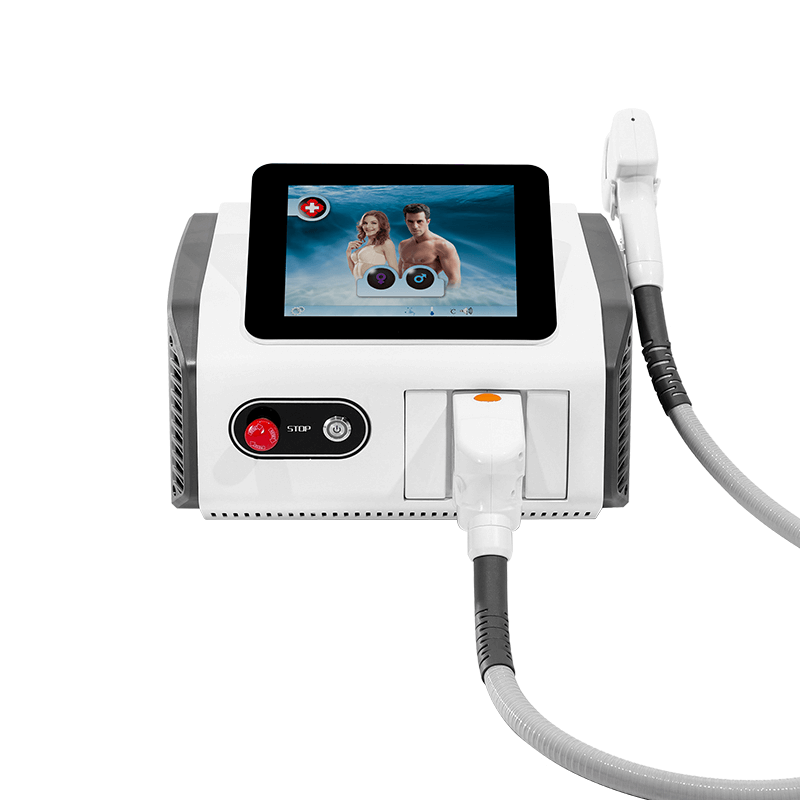
A professional freckle laser machine is built from durable, medical-grade components designed for safety, precision, and reliability.
Typical structure includes:
-
Laser source: Q-switched or picosecond Nd:YAG emitting at 532/1064 nm.
-
Cooling system: Air or semiconductor TEC cooling for skin protection.
-
Optical components: High-transmission lenses and sapphire window.
-
Control interface: LCD touchscreen with adjustable fluence, frequency, and spot size.
-
Housing: Aluminum alloy or ABS polymer casing for heat dissipation and portability.
Such configurations ensure stable pulse energy and long-term use in clinical environments
Frequently Asked Questions (FAQ)
Will laser freckle removal thin my skin?
No. The laser stimulates new collagen formation, which actually strengthens your skin structure and improves elasticity.
Is laser freckle removal safe for all skin types?
Yes, when performed by trained professionals with proper wavelength selection. The 1064 nm Nd:YAG laser is especially safe for darker skin tones.
How long is the recovery period?
Mild redness and flaking resolve within 7–10 days, and full healing occurs within 2–3 weeks.
Can I apply makeup after treatment?
Avoid makeup for 48 hours to prevent irritation. Use mineral-based or medical-grade cosmetics once the skin has recovered.
Will I need maintenance sessions?
Most patients do 1–5 sessions initially, then annual touch-ups if needed. Maintenance frequency depends on lifestyle and sun exposure.
What if my freckles come back?
If pigmentation reappears, it’s often due to UV exposure or hormonal imbalance. Maintain strict sun protection to prevent recurrence.
How do I prepare for laser freckle treatment?
Avoid tanning, exfoliation, or chemical peels for two weeks before your appointment. Keep your skin clean and hydrated.
Are there side effects?
Temporary redness, minor swelling, or slight scabbing may occur. These are part of normal healing and resolve quickly.
Conclusion
Laser freckle removal is a scientifically proven, safe, and effective solution for restoring even, radiant skin. Far from damaging your skin, it stimulates collagen, strengthens the dermis, and enhances overall texture and brightness.
When combined with proper aftercare and sun protection, results are long-lasting—helping you maintain clear, youthful skin with confidence.
Whether you’re targeting stubborn freckles or simply improving tone, modern laser beauty technology offers one of the fastest, safest ways to rejuvenate your complexion.


Looking for something else?

Do Men Get Cellulite? Causes Differences & What to Know
LEARN MORE
Does Radio Frequency Skin Tightening Work? Results & How It Works
LEARN MORE
Do You Shave Before Laser Hair Removal? Prep Tips & Why It Matters
LEARN MORE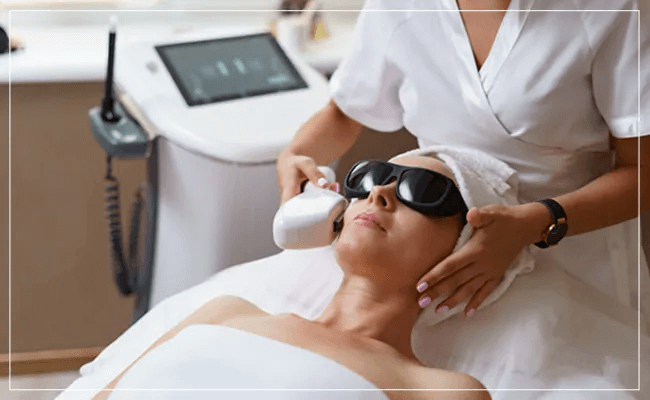
How to Get Rid of Age Spots: Treatments. Natural Remedies & Prevention
LEARN MORELooking for something else?
How to Heal Ingrown Hair: Causes. Treatments & Healing Time
LEARN MORE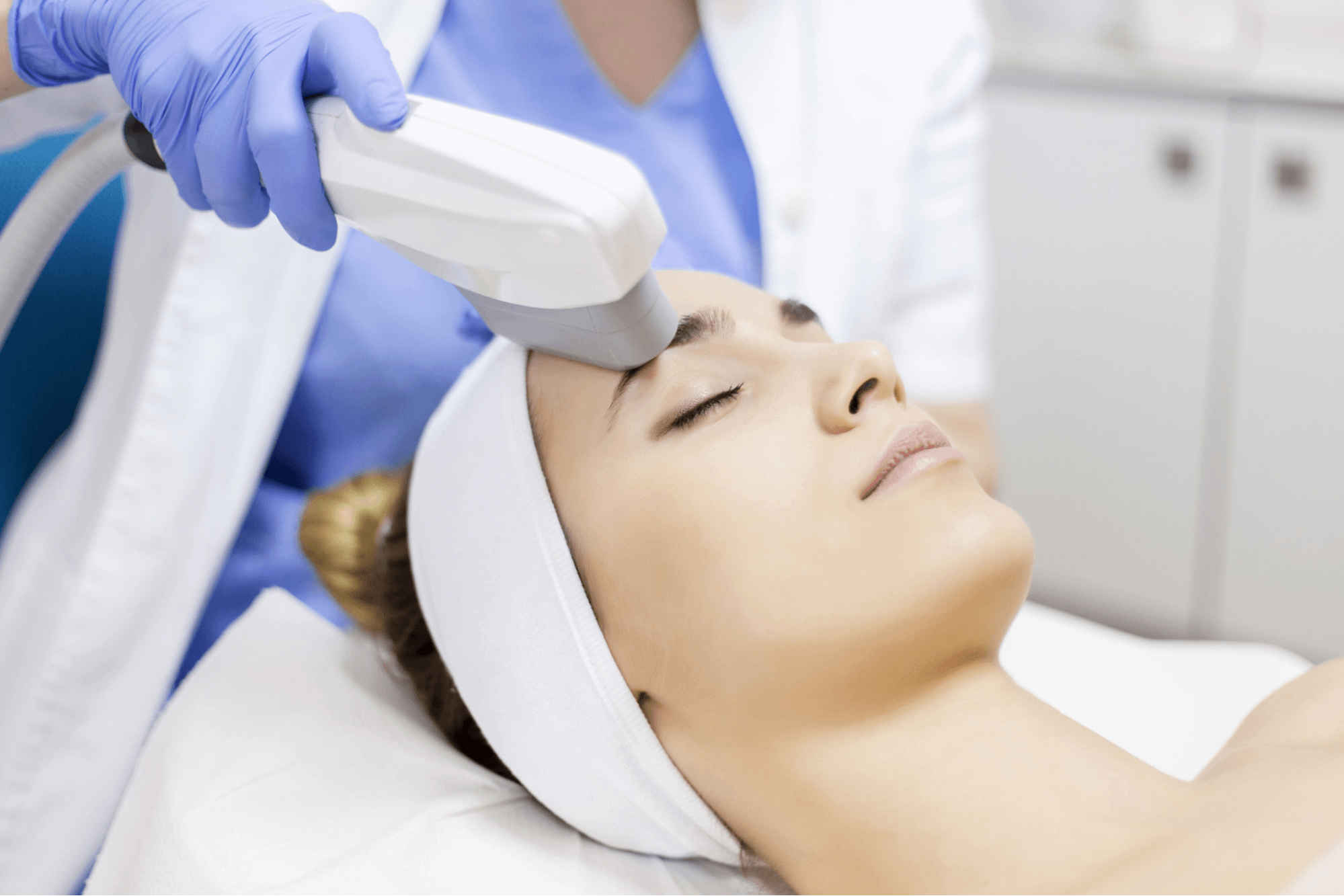
How to Get Rid of Freckles: Effective Treatments & Natural Tips
LEARN MORE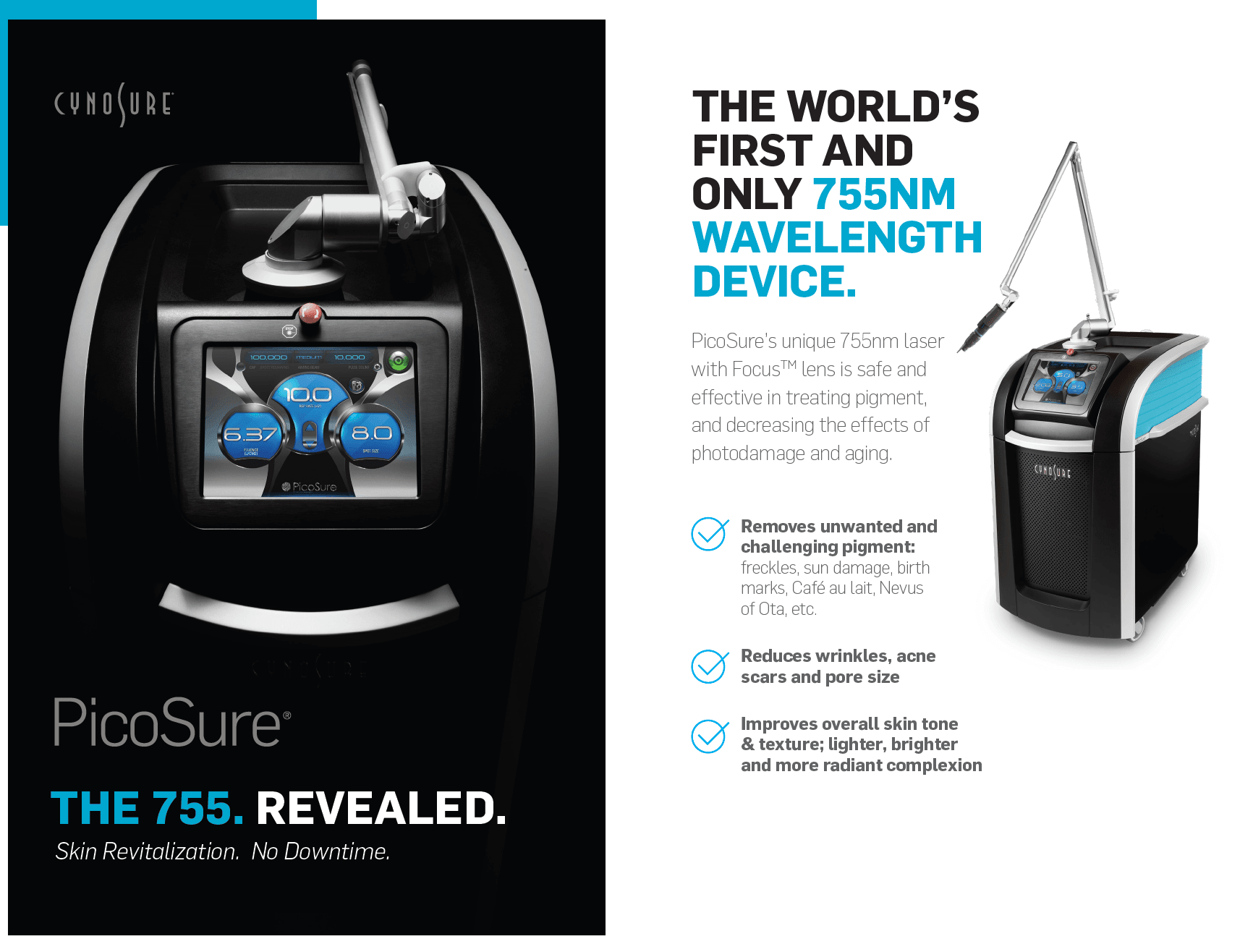
Top 10 Picosecond Laser Machine Manufacturers for Clinics in 2026
LEARN MOREYou may also like


Further reading

Tattoo Removal Laser Machine Cost and Ownership Guide

CO2 Laser Treatment Room Setup Checklist

Aesthetic Machine Factory Acceptance Test Before Shipment


