Is the Q-Switched Laser Freckle Removal Beauty Instrument Effective?

May 16, 2022Translation missing: en.blog.post.reading_time
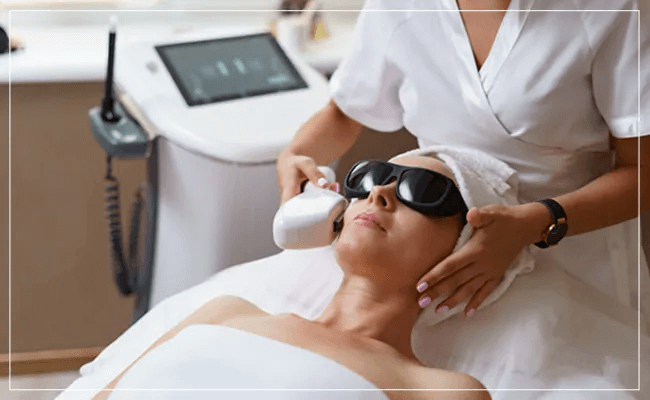
Freckles and pigmentation are common skin concerns that affect facial brightness and confidence. Many people try whitening creams or chemical peels, yet most topical solutions cannot reach the deeper melanin clusters responsible for visible spots. This is where the Q-switched laser freckle removal machine stands out — a professional technology designed to target pigment precisely, safely, and efficiently.
In this article, we’ll explore how Q-switched laser technology works, what makes it effective, and what patients and clinics should know before treatment.

Understanding the Q-Switched Laser


A Q-switched laser is a medical-grade system that emits very short, high-energy pulses — in the nanosecond (10⁻⁹-second) range. These ultra-short bursts deliver intense energy directly into the pigment while minimizing heat spread to surrounding skin. The pigment particles absorb the light, rapidly expand, and shatter into micro-fragments, which are then cleared by the body’s natural metabolic processes.
This mechanism, known as selective photothermolysis, enables high precision freckle and pigmentation removal with minimal risk of scarring or downtime.

Key Advantages of the Q-Switched Laser

  1. Safety Flat-Top Technology
Unlike earlier lasers that caused uneven heating, Q-switched systems use a flat-top beam profile that distributes energy evenly across the treatment area. This ensures the same level of power at every point, preventing “hot spots” that could burn or irritate the skin.
  1. Intelligent Frequency-Doubling Technology
Dual-frequency Nd:YAG lasers emit two wavelengths — 532 nm and 1064 nm — allowing the device to recognize and target pigment at different skin depths. The 532 nm light treats superficial freckles and sunspots, while 1064 nm penetrates deeper to break down dermal pigment such as melasma or nevus of Ota.
  1. Energy Wrapping Technology
This innovation compresses high-density laser energy into clusters, producing giant pulses that blast pigment granules more efficiently.
It increases treatment speed and shortens recovery intervals — often reducing the gap between sessions from one month to just two weeks.
  1. Dual-Wavelength Flexibility
By combining two wavelengths in one device (532 nm and 1064 nm), the Q-switched laser can treat both epidermal and dermal pigmentation, adapting to all skin types.
  1. Adjustable Spot Size
Operators can modify the spot diameter and energy density according to lesion size, ensuring optimal coverage without over-treating surrounding skin. This flexibility allows precise work on small freckles or large pigmentation areas.

The Principle Behind Laser Freckle Removal


The Q-switched laser emits light that targets melanin, the pigment responsible for freckles, sun spots, and age spots. When melanin absorbs this energy, it breaks apart into microscopic fragments that are naturally removed by the body’s lymphatic system.
Because the laser wavelength is absorbed specifically by pigment and not by normal skin tissue, the surrounding epidermis remains undamaged. This makes Q-switched laser therapy a safe and selective method for skin tone correction.

Effectiveness in Treating Facial Pigmentation

Facial pigmentation includes various conditions caused by genetics, hormones, inflammation, or sun exposure. Correct diagnosis determines the ideal laser wavelength and treatment plan.

Common Pigmentation Types and Their Treatment

• Freckles (Ephelides)

Genetically inherited and often triggered by sunlight, freckles appear as small brown spots on fair skin. Q-switched laser treatment is among the most effective methods for removal, requiring only 1–2 sessions for visible clearing. Unlike IPL (intense pulsed light), which needs multiple treatments, Q-switched lasers can precisely target melanin clusters and vaporize them instantly.

• Café-au-Lait Spots

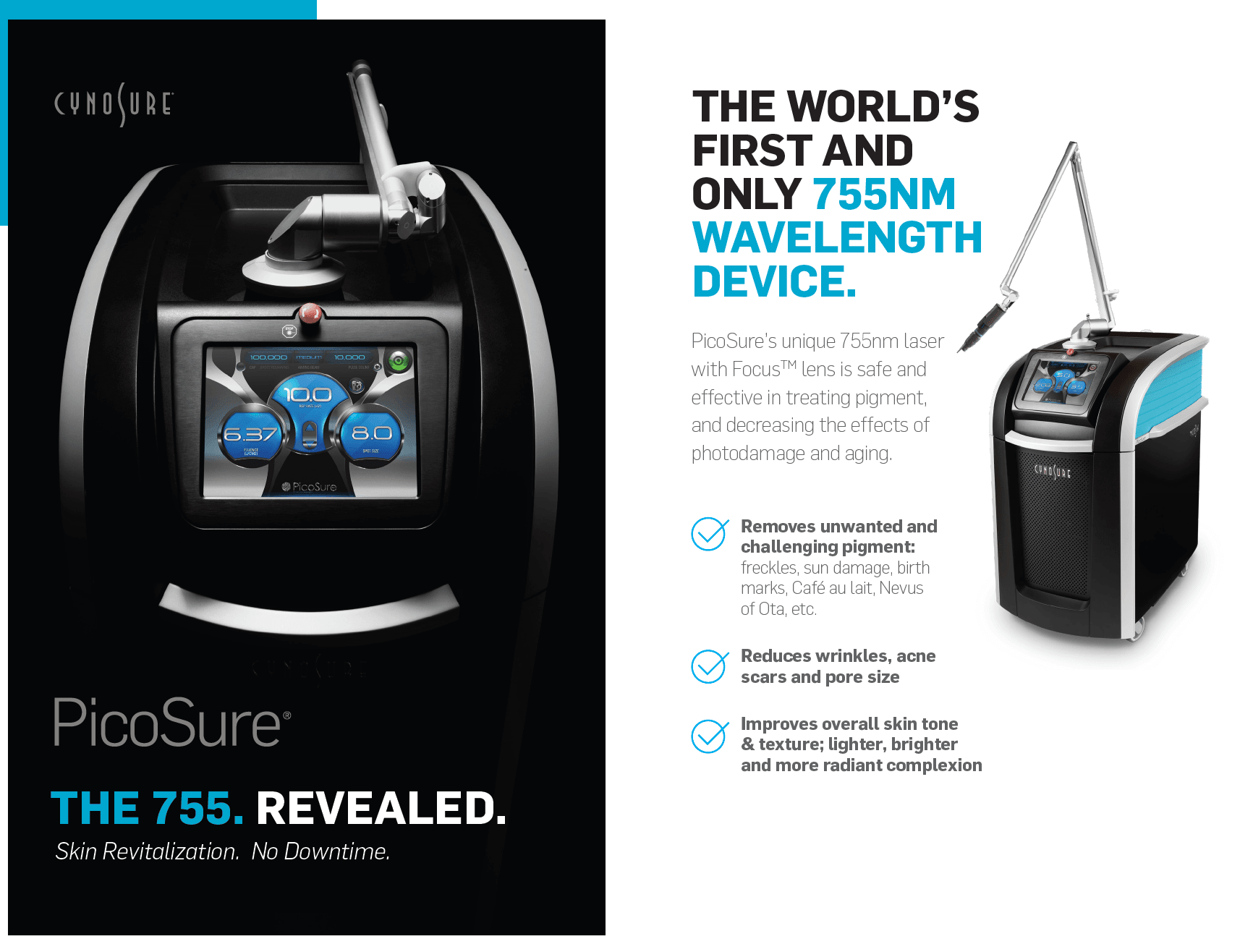
These congenital coffee-colored patches are caused by melanin concentration in the epidermis. Q-switched lasers using 532 nm, 755 nm (Alexandrite), or 694 nm (Ruby) wavelengths are first-line options for treatment, offering strong pigment reduction with little risk of scarring.

• Melasma and Post-Inflammatory Hyperpigmentation

Although deeper and more complex, melasma can improve under low-fluence Q-switched 1064 nm laser protocols that gradually fade pigment without stimulating excess melanin production.
Each condition may require slightly different parameters — but with proper diagnosis and post-care, Q-switched systems deliver predictable and long-lasting results.

Comprehensive Pigmentation Management


Professional clinics often combine laser therapy with skincare and lifestyle advice:
  • Use broad-spectrum sunscreen daily to prevent re-pigmentation.
  • Avoid harsh exfoliants or photosensitizing products for one week before and after treatment.
  • Support results with antioxidant serums (vitamin C, niacinamide).
  • Maintain hydration and a balanced diet to stabilize skin metabolism.
When performed under expert supervision, laser freckle removal not only fades existing spots but also stimulates collagen production, leaving skin clearer, firmer, and more youthful.

Purpose of the Q-Switched Freckle Removal Device


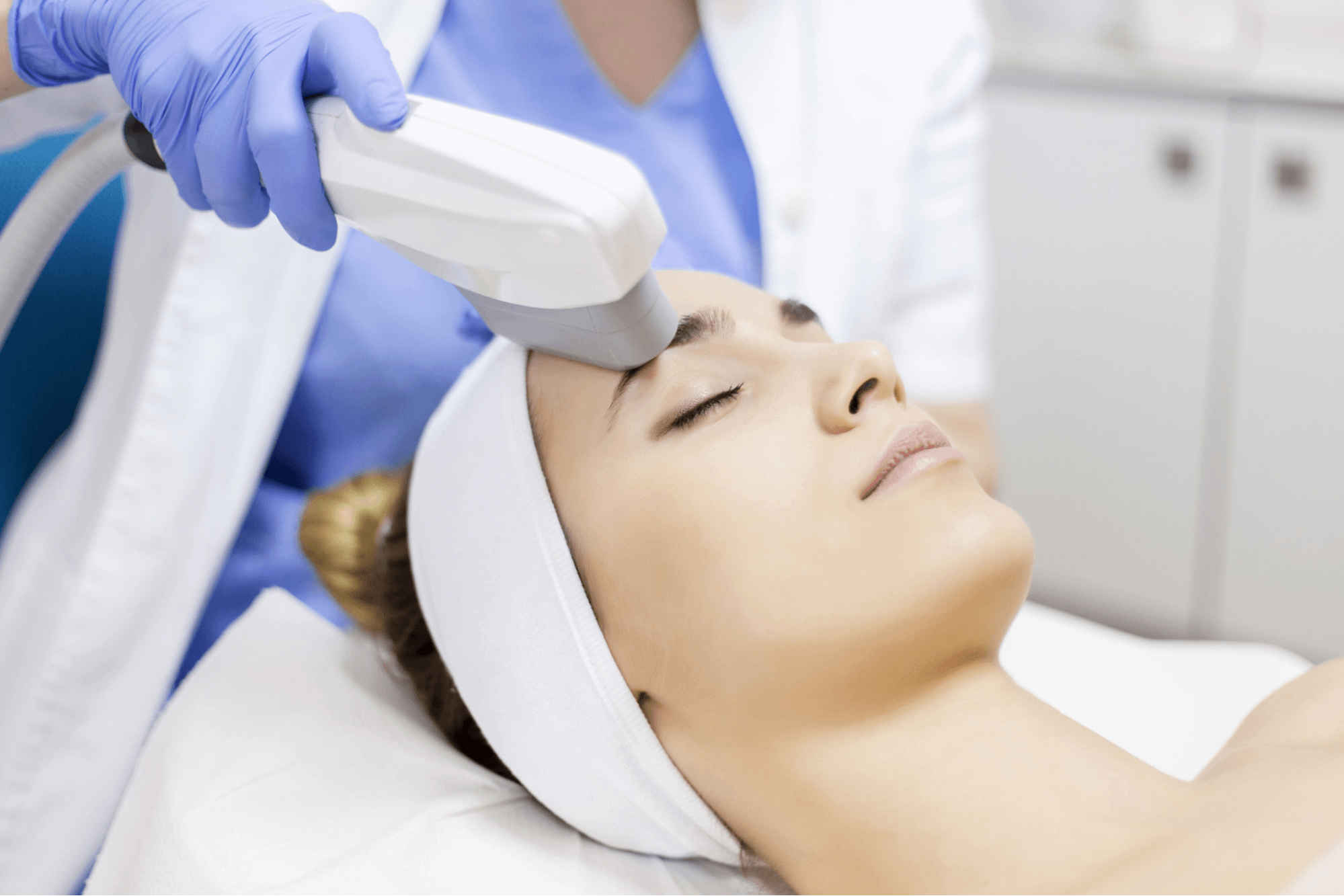
The main purpose of a Q-switched freckle removal instrument is to safely remove pigmented lesions and rejuvenate the skin through controlled photothermal and photoacoustic energy.
It’s designed for:
  • Freckles, sun spots, and age spots.
  • Café-au-lait patches and birthmarks.
  • Tattoo and semi-permanent makeup removal.
  • Melasma improvement and skin brightening.
Clinically, this technology helps both dermatologists and beauty centers achieve reliable, non-invasive pigment correction with minimal risk and short downtime.

Material and Machine Design


Professional Q-switched laser beauty instruments combine optical precision with mechanical durability to ensure stable performance.

Key Components

  • Laser Source: Solid-state Nd:YAG crystal generating 1064 nm and frequency-doubled 532 nm wavelengths.
  • Cavity Mirrors: Coated with anti-reflection film for optimal beam transmission.
  • Cooling System: Air + water + TEC semiconductor modules to prevent overheating.
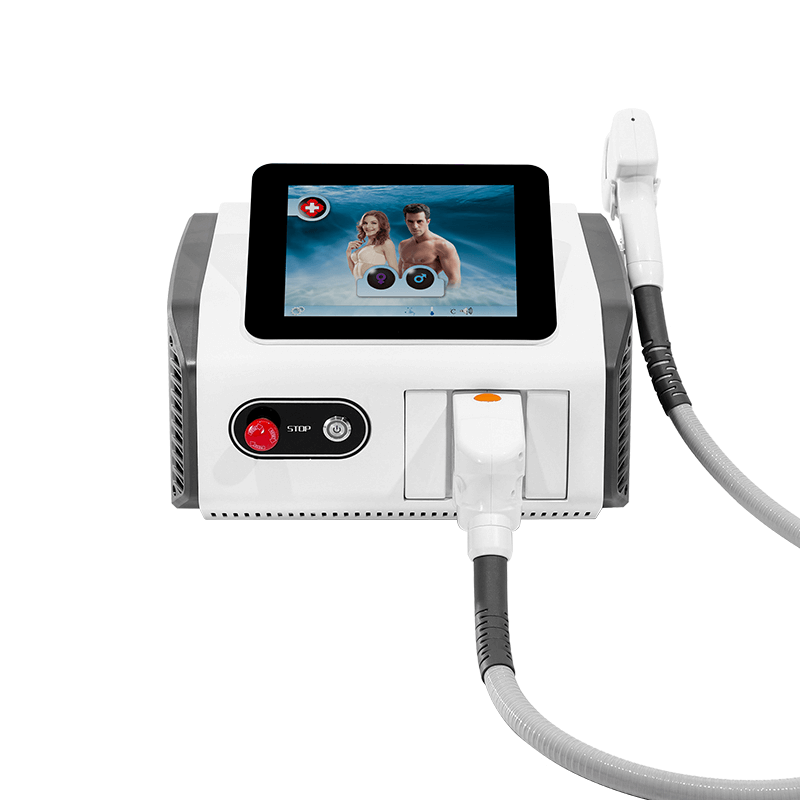
  • Control Interface: Digital touchscreen with fluence, frequency, and pulse duration adjustment.
  • Handpiece: Ergonomic, lightweight design with adjustable spot diameter for versatile treatments.
  • Casing: Aluminum alloy housing for durability and electromagnetic stability.
All components are engineered to meet medical CE and ISO 13485 standards, ensuring both patient safety and operator precision.

Treatment Course and Results

Most pigmentation problems respond within 1–3 sessions, spaced 2–4 weeks apart. Superficial freckles often clear faster, while deeper lesions require additional treatments.

  • After 1 treatment: Pigment darkens slightly as particles rise to the surface.
  • After 7–10 days: Spots fade as skin renews.
  • After full course: Skin tone becomes more even, smooth, and luminous.
Maintenance every 6–12 months helps preserve brightness and prevent recurrence.

Recovery and Aftercare

Immediately after treatment, mild redness or swelling may appear — a normal sign of photothermal stimulation.Patients should:
  • Avoid hot water and saunas for 48 hours.
  • Keep the area moisturized with gentle, fragrance-free products.
  • Apply SPF 50 + sunscreen daily.
  • Avoid picking or scratching the treated area.
Proper care ensures quick recovery and reduces the risk of temporary pigmentation.

Frequently Asked Questions (FAQ)

Is Q-switched laser freckle removal effective?
Yes. It is one of the most proven and widely used methods for removing freckles and other pigment lesions, offering visible results after just one or two sessions.

Will the freckles come back?
If you protect your skin from UV exposure and maintain good skincare, recurrence is rare. However, hormonal or sun-related factors can trigger new freckles over time.

Is the treatment painful?
Only mild tingling or snapping sensations occur. Topical numbing cream and cooling systems keep discomfort minimal.

How long does it take to recover?
Most redness fades within a few hours. Any slight crusting exfoliates naturally in about a week.

Can all skin tones use Q-switched lasers?
Yes. With proper parameter selection, both fair and medium-dark tones can be treated safely using 1064 nm wavelength.

What are the side effects?
Temporary redness, mild swelling, or slight pigment darkening may occur, resolving within days. Scarring and PIH are extremely rare with proper care.

How does Q-switched compare to IPL?
Q-switched lasers use single wavelengths and higher energy for faster pigment breakup. IPL covers a broader range but requires more sessions and produces slower results.

How many sessions are required?
Superficial freckles: 1–2. Deep pigment: 3–5. Sessions are usually spaced 2–4 weeks apart.

Can it remove tattoos as well?
Yes. The same technology shatters tattoo ink pigments (black, blue, red, green) without damaging skin.

Why choose Lefis Q-switched lasers?
Lefis devices feature dual wavelengths, flat-top beam profiles, intelligent frequency-doubling, and stable cooling — ensuring safe, fast, and consistent pigment removal.

Conclusion

The Q-switched laser freckle removal instrument is a clinically proven, safe, and precise solution for uneven skin tone and pigmentation. Its advanced pulse technology targets melanin without harming surrounding tissue, promoting collagen renewal and restoring skin clarity.

With correct diagnosis, expert operation, and proper aftercare, Q-switched laser treatments deliver visible results, minimal downtime, and long-term satisfaction — making them a cornerstone of modern laser aesthetics.

If you’re considering professional freckle removal, trust Lefis technology — engineered to deliver consistent energy, stable performance, and beautiful, confident results.

Looking for something else?

HIFU Before and After: What Clinics Should Tell Their Clients - lefislaser

HIFU Before and After: What Clinics Should Tell Their Clients

LEARN MORE
CO2 Fractional Laser: Calibration and Maintenance Guidelines for Clinics - lefislaser

CO2 Fractional Laser: Calibration and Maintenance Guidelines for Clinics

LEARN MORE
HIFU Energy Parameters: Frequency, Intensity, and Pulse Duration Guide - lefislaser

HIFU Energy Parameters: Frequency, Intensity, and Pulse Duration Guide

LEARN MORE
What Are Diamond Drill Bits Made Of? Materials Uncovered - lefislaser

What Are Diamond Drill Bits Made Of? Materials Uncovered

LEARN MORE

Read more from Blogs

Looking for something else?

Do Diamond Drill Bits Have Diamonds? The Truth Explained - lefislaser

Do Diamond Drill Bits Have Diamonds? The Truth Explained

LEARN MORE
Pico Laser for Hyperpigmentation: Comparing 532 nm and 1064 nm Systems - lefislaser

Pico Laser for Hyperpigmentation: Comparing 532 nm and 1064 nm Systems

LEARN MORE
Diode Laser Epilation: Clinical Parameters for Facial, Body, and Bikini Areas - lefislaser

Diode Laser Epilation: Clinical Parameters for Facial, Body, and Bikini Areas

LEARN MORE

Read more from Blogs

Further reading