

Modern aesthetics has made hair removal faster, safer, and more comfortable than ever. Among professional systems, OPT (Optimal Pulse Technology) hair removal has become one of the most advanced and reliable methods for achieving smooth, hair-free skin.
Still, one question comes up often:
“How often should OPT hair removal be done?”
Let’s explore how the technology works, why the treatment schedule matters, and what to expect from a full course.
How Often Should You Do OPT Hair Removal?
The ideal interval between OPT hair removal sessions is around 1 month (4–6 weeks).
A complete treatment cycle usually requires 4–6 sessions for optimal results, spaced approximately one month apart.
Why? Because human hair grows in different phases — and lasers can only affect hair that’s in the active growth phase (anagen).
The Three Stages of Hair Growth
-
Anagen (Growth Phase): The follicle is connected to the root, rich in melanin, and responds best to light energy.
-
Catagen (Transition Phase): The hair stops growing; follicles shrink and detach from the root.
-
Telogen (Resting Phase): Hair sheds naturally, and follicles remain dormant before producing new hair.
Only anagen-phase hairs absorb enough laser energy to be destroyed. Since only about 20–30% of hairs are in this phase at any given time, multiple sessions are necessary to target every follicle as it cycles.
By repeating sessions at consistent intervals, the OPT laser progressively disables all active follicles, resulting in long-term or permanent hair reduction.
How OPT Hair Removal Works
OPT (Optimal Pulse Technology) is an advanced form of Intense Pulsed Light (IPL) technology. It delivers high-intensity light pulses with precisely controlled wavelengths (610–1000 nm) and adjustable pulse widths, allowing safe and uniform heating of hair follicles without burning the skin.
The Science: Selective Photothermolysis
OPT works on the principle of selective photothermolysis, meaning it targets melanin (pigment) in the hair shaft and follicle while sparing surrounding tissues.
Here’s what happens:
- The hair’s melanin absorbs the light energy.
- The energy converts to heat, raising the temperature inside the follicle.
- The follicle’s growth cells are destroyed, preventing regrowth.
- Surrounding skin remains unaffected thanks to controlled pulse delivery and cooling systems.
Since the follicle cannot regenerate once destroyed, OPT hair removal provides a lasting, smooth result — often described as permanent hair reduction.
Benefits of OPT Hair Removal
-
Comfortable: OPT’s even energy output minimizes pain and burning sensation.
-
Safe: Intelligent temperature control protects the epidermis from heat damage.
-
Fast: Large treatment windows and multi-pulse modes shorten session times.
-
Versatile: Works effectively on all body areas — face, underarms, legs, bikini, back, and arms.
-
Skin-friendly: Simultaneously improves skin tone and texture by stimulating collagen.
This makes OPT technology a preferred choice for clinics and beauty centers worldwide.
Comparison: OPT vs Traditional IPL vs SHR
|
Feature
|
OPT
|
IPL
|
SHR
|
|
Pulse Control
|
Uniform, stable pulses
|
Irregular, variable pulses
|
Continuous low-energy flashes
|
|
Energy Precision
|
High accuracy
|
Fluctuating
|
Gentle cumulative heat
|
|
Comfort Level
|
Very comfortable
|
Moderate
|
Excellent
|
|
Effectiveness
|
Deep, even heating
|
Uneven follicle targeting
|
Gradual follicle disablement
|
|
Speed
|
Fast
|
Moderate
|
Very fast
|
|
Suitable For
|
Most skin types
|
Light–medium skin
|
Light–dark skin tones
|
In short, OPT combines the precision of IPL with the comfort of SHR, offering the best of both technologies.
How Many Sessions Are Needed?
|
Area
|
Sessions Needed
|
Interval
|
Expected Result
|
|
Face / Upper Lip
|
5–6
|
4–5 weeks
|
90 % reduction
|
|
Underarms
|
4–6
|
4 weeks
|
Smooth and lighter tone
|
|
Arms & Legs
|
4–6
|
4–6 weeks
|
Long-lasting hair-free skin
|
|
Bikini / Private Area
|
6–8
|
4 weeks
|
Soft, reduced regrowth
|
|
Chest / Back
|
6–8
|
5 weeks
|
Even skin tone and reduced density
|
Potential Complications (and How to Avoid Them)
Although OPT hair removal is considered safe, improper operation or poor hygiene can cause mild temporary reactions.
Possible Reactions
-
Folliculitis (inflammation): Caused by poor disinfection before treatment.
-
Redness or swelling: Usually mild and subsides within hours.
-
Pigment changes: Temporary hyperpigmentation or depigmentation if post-care isn’t followed.
-
Epidermal burns: Rare, caused by incorrect energy settings or poor contact cooling.
-
Scarring: Very rare; typically occurs in people with sensitive skin or improper aftercare.
Prevention Tips
- Choose a professional, certified clinic using high-quality OPT or IPL equipment.
- Ensure proper skin cooling and pre-treatment shaving to reduce energy absorption at the surface.
- Apply aloe vera or repair gel post-treatment to soothe the skin.
When performed correctly, OPT treatments are safe, comfortable, and leave no marks.
Purpose of OPT Hair Removal
The purpose of OPT technology is to deliver effective, long-term hair removal while maintaining maximum skin safety and comfort.
It’s designed to:
- Remove unwanted hair quickly and safely.
- Improve skin tone by stimulating collagen.
- Provide an alternative to painful waxing or frequent shaving.
- Suit different hair colors and skin depths by adjusting wavelength and pulse width.
For clinics, OPT technology enhances service range and efficiency while reducing equipment maintenance compared with traditional IPL systems.
Material and Engineering Design
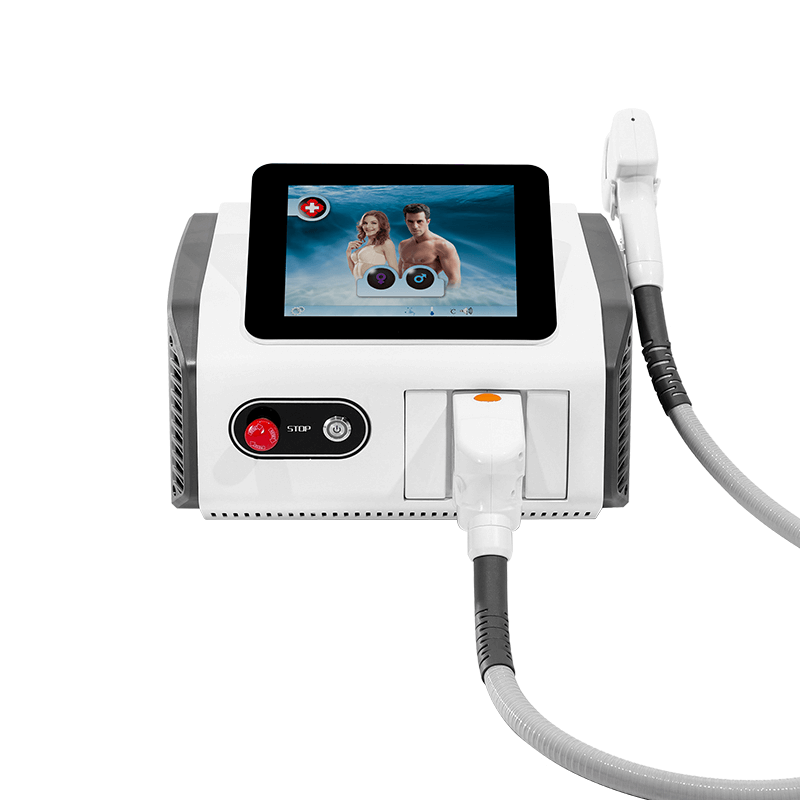
Professional OPT hair removal devices are built using precision optics, thermal control systems, and ergonomic design for clinical reliability.
Core Components:
-
Light Source: High-pressure xenon lamp with spectral output of 610–1000 nm.
-
Filters: Interchangeable crystal filters to isolate target wavelengths for hair, acne, or rejuvenation.
-
Cooling System: Water circulation + semiconductor TEC + sapphire contact cooling to protect skin.
-
Handpiece: Adjustable spot size with ergonomic design for long operation hours.
-
Interface: Smart touchscreen with pre-set parameters for different skin types.
-
Casing: Aluminum alloy body for heat dissipation and durability.
These features ensure stable energy output, longer lifespan, and superior patient comfort.
Post-Treatment Care
After each session:
-
Avoid hot baths or saunas for 48 hours.
-
Do not wax or pluck hairs between sessions; only shave.
-
Apply aloe or hydrating cream to relieve temporary redness.
-
Use SPF 50+ sunscreen daily to prevent post-inflammatory pigmentation.
-
Stay hydrated and avoid harsh exfoliants for one week.
Proper aftercare enhances results and maintains skin integrity.
Expected Results
After your first 1–2 sessions, hair becomes finer, lighter, and slower to regrow.
After completing a full course (4–6 treatments):
-
90–95 % hair reduction on treated areas.
-
Smoother, brighter skin texture.
-
Minimal regrowth, with occasional thin vellus hair.
Maintenance sessions every 6–12 months help keep results permanent.
Frequently Asked Questions (FAQ)
How often should I do OPT hair removal?
Every 4–6 weeks, depending on hair growth speed and body area.
How many sessions are needed for full results?
Most people need 4–6 sessions; coarse or hormonal hair may need 8.
Is OPT hair removal permanent?
It offers long-term reduction; maintenance once or twice a year may be needed.
Does OPT hair removal hurt?
Slight warmth or tingling is normal. Advanced cooling technology ensures comfort.
Can all skin types use OPT hair removal?
Yes, it’s safe for most skin tones. Wavelength and pulse settings can be customized.
What areas can be treated?
Face, arms, legs, underarms, bikini line, back, and chest — virtually anywhere with unwanted hair.
Are there any side effects?
Mild redness or swelling may occur temporarily but resolves within hours.
How do I prepare before treatment?
Shave the area 24 hours beforehand, avoid tanning, and keep the skin clean.
When will I see visible results?
After 2–3 sessions, hair growth slows noticeably; full smoothness after 5–6.
Why choose Lefis OPT hair removal devices?
Lefis machines feature stable OPT pulse output, sapphire cooling, and intelligent control, ensuring safe, effective, and consistent performance.
Conclusion
OPT hair removal is a clinically proven, non-invasive technology that delivers smooth, long-lasting results through precise light control and advanced cooling.
By following the correct schedule — every 4–6 weeks for 4–6 sessions — you can achieve near-permanent hair reduction safely and comfortably.
For clinics, Lefis provides high-performance OPT and IPL laser hair removal systems designed for speed, stability, and client satisfaction — helping professionals deliver flawless results every time.


Looking for something else?

Do Men Get Cellulite? Causes Differences & What to Know
LEARN MORE
Does Radio Frequency Skin Tightening Work? Results & How It Works
LEARN MORE
Do You Shave Before Laser Hair Removal? Prep Tips & Why It Matters
LEARN MORE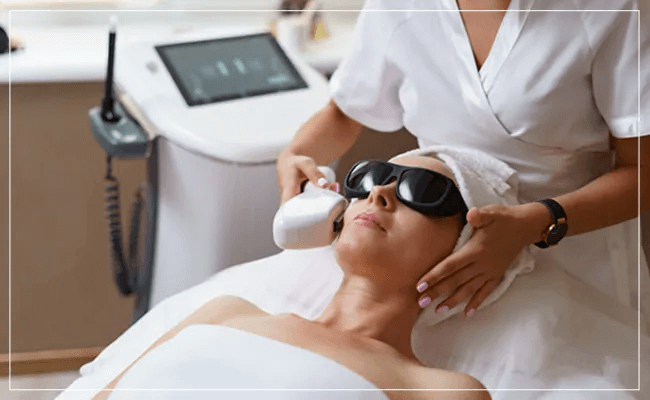
How to Get Rid of Age Spots: Treatments. Natural Remedies & Prevention
LEARN MORELooking for something else?
How to Heal Ingrown Hair: Causes. Treatments & Healing Time
LEARN MORE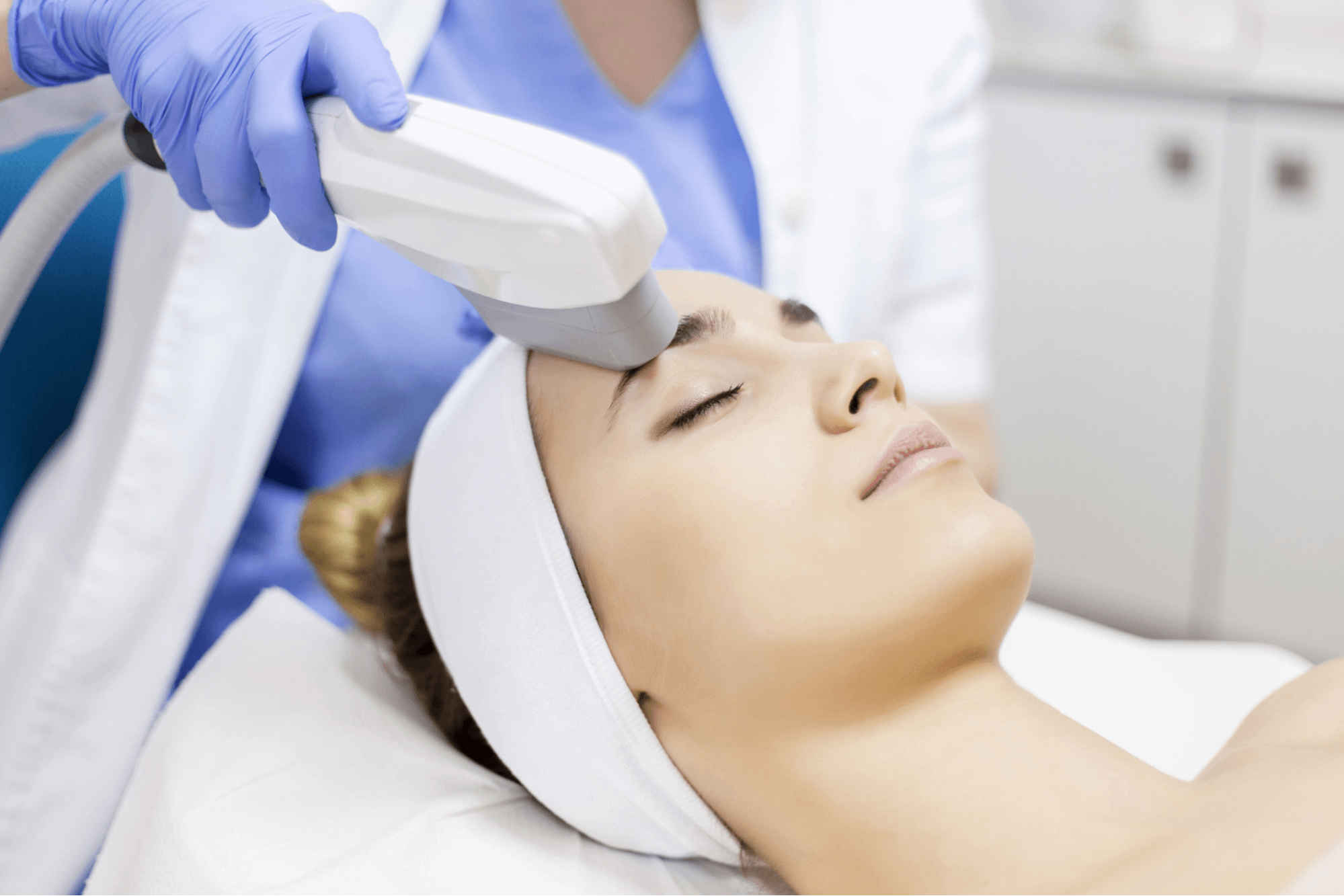
How to Get Rid of Freckles: Effective Treatments & Natural Tips
LEARN MORE
Top 10 Picosecond Laser Machine Manufacturers for Clinics in 2026
LEARN MORE


Further reading

Tattoo Removal Laser Machine Cost and Ownership Guide

CO2 Laser Treatment Room Setup Checklist

Aesthetic Machine Factory Acceptance Test Before Shipment


