

HIFU Before and After: What Clinics Should Tell Their Clients
As HIFU (High-Intensity Focused Ultrasound) becomes one of the most popular non-surgical lifting treatments, clients are more curious than ever about what to expect before and after their sessions.
Clinics that clearly explain the HIFU before and after process—from preparation to recovery—build trust, reduce anxiety, and achieve better satisfaction. This guide outlines how to prepare patients, describe visible results, and manage expectations for face and body treatments.
Understanding HIFU Treatment
What is HIFU?
HIFU uses focused ultrasound energy to heat tissues deep beneath the skin surface, reaching the dermis, SMAS (Superficial Musculo-Aponeurotic System), and even fat layers.
When tissue temperatures reach about 60–70°C, collagen fibers contract instantly while new collagen and elastin begin to form over time. The process lifts, tightens, and tones skin without incisions, injections, or downtime.
Areas Commonly Treated:
- Face (cheeks, jawline, forehead, eyes)
- Neck and under-chin area
- Décolleté
- Abdomen and arms (for skin tightening and contouring)
HIFU Before and After: Setting Realistic Expectations

What to Tell Clients Before HIFU
A successful session starts with honest communication. Let clients know:
- HIFU is gradual. Visible tightening builds over 2–3 months as collagen remodels.
- Results vary. Age, skin thickness, and lifestyle all affect the outcome.
- Discomfort is brief. Most feel warmth or tingling during energy delivery.
- Downtime is minimal. Redness fades within hours.
- It’s preventive and corrective. Even younger clients can use HIFU to delay sagging.
By explaining the timeline clearly, clients will appreciate the natural, progressive lift rather than expecting an instant “surgery-like” change.
Before Treatment: Client Preparation Checklist
One Week Prior
- Avoid active skincare: no retinol, AHA/BHA acids, or harsh exfoliants.
- Stay hydrated: hydrated skin responds better to ultrasound energy.
- Limit alcohol and caffeine to prevent dehydration.
- Discontinue fillers or Botox for at least two weeks prior.
The Day of Treatment
- Arrive with a clean face—no makeup, sunscreen, or lotion.
- Eat a light meal if nervous; there’s no fasting requirement.
- Remove earrings and jewelry near the treatment area.
- Discuss medical history (implants, pacemakers, or severe acne may contraindicate).
Clinics should document consent and photograph the baseline for accurate before-and-after comparison.
During the Procedure

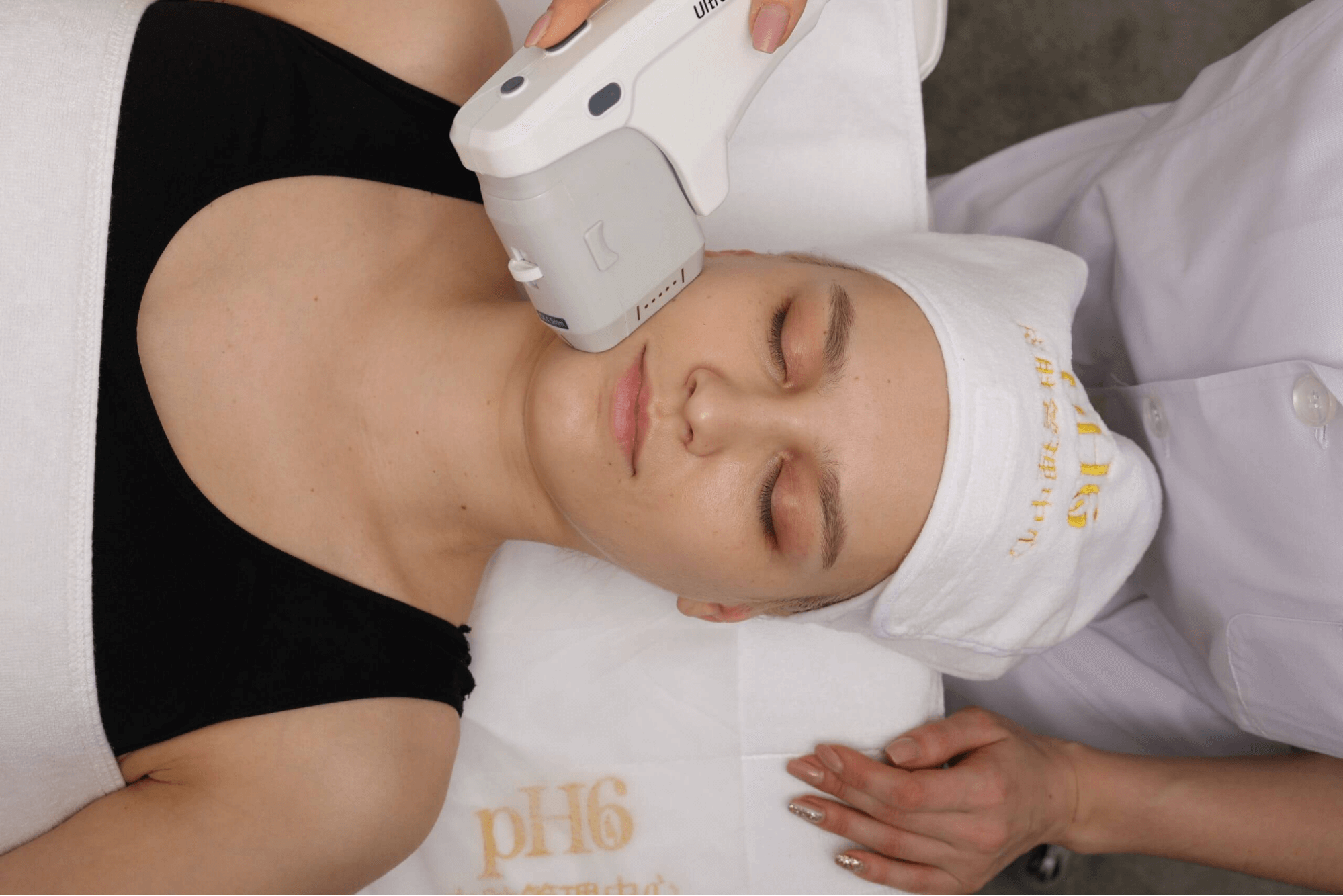
A HIFU face lift treatment typically takes 30–90 minutes, depending on the target zones.
Step-by-Step:
- Skin cleansing and ultrasound gel application.
- Energy delivery using cartridges at 1.5 mm, 3.0 mm, and 4.5 mm depths for the face or 8–13 mm for body tightening.
- Sequential passes—operators often treat each zone twice for layered heating.
- Comfort monitoring—clients may feel warmth or mild prickling but no burning.
Pain is usually low, though energy levels can be adjusted for sensitive clients.
Aftercare Instructions
Post-HIFU care is simple yet vital for best results.
Immediately After
- Redness or puffiness can appear for 1–2 hours.
- Clients may feel tightness or sensitivity around jawline or cheekbones—this is normal and fades within days.
Next 7 Days
- Avoid hot showers, saunas, and high-intensity exercise for 48 hours.
- Skip strong skincare acids or scrubs for one week.
- Apply gentle moisturizer and broad-spectrum sunscreen daily.
- Drink plenty of water to help collagen formation.
Remind clients that no peeling, crusting, or downtime should occur—HIFU doesn’t break the skin surface.
HIFU Before and After: Visible Changes Over Time

Immediately After Treatment
- Skin feels tighter and lifted.
- Subtle glow from increased microcirculation.
- Minor swelling possible in thin areas (around eyes or jaw).
2–4 Weeks After
- Texture improvement and reduction in fine lines.
- Jawline definition becomes noticeable as collagen contracts.
- Firmer skin under the chin and around the mouth.
8–12 Weeks After
- Full collagen remodeling is complete.
- Noticeable lift in cheeks, neck, and brow area.
- Smoother, more refined contour in HIFU face lift before and after photos.
Long-Term (6–18 Months)
- Results last up to 1.5 years depending on lifestyle and skincare.
- Maintenance session once yearly keeps collagen levels high.
Encourage clients to compare HIFU before and after 1 treatment photos to track progress—they often underestimate gradual changes until visual proof is shown.
HIFU Before and After: By Facial Area
Jawline & Chin
Before: Softened jaw contour, double chin, early sagging.
After: Sharper, lifted jawline; visible chin definition.
This area responds quickly because of concentrated SMAS tightening.
Eye Area
Before: Drooping eyelids, under-eye creases, crow’s feet.
After: Lifted brow arch, smoother fine lines, tighter under-eye skin.
Use gentle energy settings (1.5–2.0 J) and smaller cartridges for safety.
Cheeks and Midface
Before: Flat or hollowed cheeks, smile line creases.
After: Natural plumping as collagen rebuilds; reduced nasolabial folds.
Neck and Décolleté
Before: Loose skin, horizontal neck lines (“tech neck”).
After: Smoother skin texture and visible tightening of neck bands.
Clinics should always capture standardized lighting and angle photos for HIFU facial before and after documentation.
HIFU Body Treatment Results

HIFU isn’t limited to the face. When performed with deeper cartridges (8–13 mm), it helps contour areas such as the abdomen, arms, or thighs.
HIFU Body Treatment Before and After Observations:
- Before: Mild bulges, uneven tone, or postpartum laxity.
- After: More even texture, firmer silhouette, reduced circumference.
Though fat reduction is modest, skin tightening is substantial, giving a smooth, sculpted appearance without downtime.
Typical Patient Questions to Address
“When will I see results?”
Minor tightening is immediate, but the most dramatic changes occur between 6 and 12 weeks as collagen matures.
“How many sessions do I need?”
Usually one main treatment per year with optional touch-ups every 12–18 months.
“Can I wear makeup afterward?”
Yes, after 24 hours if no redness persists.
“Is it safe for eyes?”
Yes—when performed by trained professionals using correct cartridge depth (1.5 mm) and protective guidelines.
“How long do HIFU results last?”
Results last 12–18 months. Maintenance depends on skin aging speed and care routine.
These pre-answered questions help clinics streamline consultations and reassure patients about the process.
What Clinics Should Emphasize During Consultation
- Gradual, natural results: Not a surgical facelift substitute but an effective alternative.
- Cumulative collagen benefit: Improvements continue for months after one session.
- Minimal risk: Safe for most skin types when protocols are followed.
- No downtime: Clients can resume work or social activities immediately.
- Annual maintenance: Regular sessions sustain collagen density and lift.
Providing clear “before and after” visuals and timelines builds confidence and realistic expectations.
Documenting HIFU Before and After for Clinics
Proper photography is essential for marketing and clinical tracking.
Tips for Clinics:
- Use the same lighting, background, and camera angle each time.
- Avoid photo filters—natural lighting shows true skin improvement.
- Take full-face and close-up views (jawline, eyes, and neck).
- Record energy parameters and cartridge depth for consistency.
Patients often notice subtle improvements only when comparing HIFU treatment before and after images side by side.
Safety and Post-Treatment Support
Though rare, clients should be informed about possible minor effects:
- Tenderness or mild bruising (temporary).
- Tingling sensations as deep tissue heals.
- Slight numbness along jawline (resolves within days).
Clinics should provide a printed aftercare sheet summarizing:
- No heat exposure or vigorous massage for 48 hours.
- Hydration and daily SPF use.
- Contact information for follow-up support.
Proper communication ensures safety and enhances long-term satisfaction.
How Clinics Can Market HIFU Before and After Results
- Feature authentic, high-quality before/after images on your website or brochures.
- Share time-lapse progress photos (Day 1 → Week 8 → Week 12).
- Use keywords like “HIFU face lift before and after” or “HIFU before and after jawline” for organic search visibility.
- Educate through blog posts and videos explaining collagen regeneration and maintenance routines.
Visual storytelling drives client interest and positions the clinic as transparent and trustworthy.
Key Takeaways
- HIFU before and after results are gradual but long-lasting—expect visible lift within 8–12 weeks.
- The treatment is safe, suitable for all skin tones, and requires minimal aftercare.
- Proper patient education, preparation, and consistent photo documentation lead to higher satisfaction rates.
- Annual maintenance sessions ensure sustained collagen renewal and skin tightness.
By managing expectations and showcasing authentic results, clinics can turn first-time patients into long-term advocates.


Looking for something else?

Do Men Get Cellulite? Causes Differences & What to Know
LEARN MORE
Does Radio Frequency Skin Tightening Work? Results & How It Works
LEARN MORE
Do You Shave Before Laser Hair Removal? Prep Tips & Why It Matters
LEARN MORE
How to Get Rid of Age Spots: Treatments. Natural Remedies & Prevention
LEARN MORELooking for something else?
How to Heal Ingrown Hair: Causes. Treatments & Healing Time
LEARN MORE
How to Get Rid of Freckles: Effective Treatments & Natural Tips
LEARN MORE
Top 10 Picosecond Laser Machine Manufacturers for Clinics in 2026
LEARN MORE


Further reading

Tattoo Removal Laser Machine Cost and Ownership Guide

CO2 Laser Treatment Room Setup Checklist

Aesthetic Machine Factory Acceptance Test Before Shipment


