

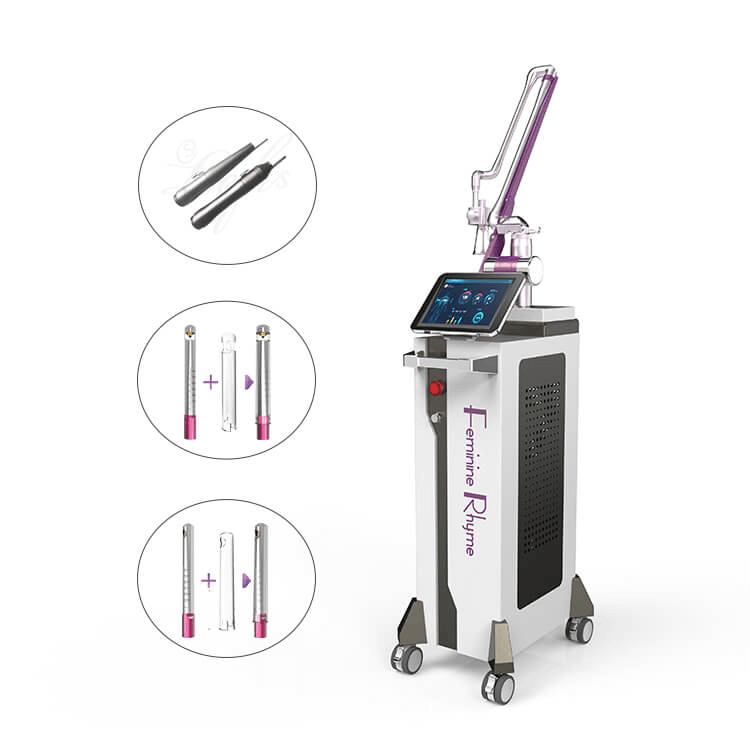
Fractional CO2 for Acne Scars: Protocols & Tips

Searching for an actionable acne scar resurfacing protocol with fractional CO2? This guide explains how laser fractional CO2 acne scars treatment works, how to tailor settings by scar type, realistic downtime, and smart ways to photograph results. We’ll keep the language simple, provide example parameters drawn from peer‑reviewed studies, and answer the questions people ask most.
Friendly note: Devices label settings differently (mJ per microbeam vs J/cm² fluence, % density vs MTZ/cm²). The numbers below are examples to show clinical intent—not one‑size‑fits‑all recipes. Always follow your clinician’s protocol and your device’s user manual.
Why fractional CO₂ for atrophic acne scars?
Fractional CO₂ creates thousands of microscopic ablative columns (microthermal zones) that penetrate into scarred dermis while leaving bridges of intact skin between them. Those “skip” areas speed re‑epithelialization and lower risk compared with classic full‑field CO₂, yet still drive collagen remodeling that softens rolling and boxcar scars. Authoritative reviews and patient resources consistently report 4–10 days of social downtime for fractional CO₂ (longer for full‑field passes).
Clinical evidence backs the approach:
-
A randomized controlled trial (13 patients) found ablative fractional CO₂ improved moderate–severe atrophic scars versus control after three monthly sessions.
-
A 60‑patient monotherapy series (3–4 sessions, 6‑week intervals) reported >50% improvement in 43% and 25–50% in 25% at 6 months post‑series; redness typically lasted 3–4 days, crusting 4–6 days. Rolling and superficial boxcar scars responded best.
-
Multiple comparative and review papers since then confirm efficacy; some show fractional CO₂ outperforming microneedling (with more downtime) for atrophic scars.
Scar‑type first, settings second (how to think about protocols)
Different scar morphologies respond differently. Build your acne scar resurfacing protocol around scar type:
-
Rolling: broad depressions with sloped edges; typically respond very well to fractional CO₂.
-
Boxcar: round/oval with sharp edges; shallow respond better than deep ones.
-
Ice‑pick: narrow, deep tracts; often require adjuncts (e.g., pinpoint CO₂, TCA CROSS, punch techniques) alongside fractional passes.
Core building blocks (translated)
-
Energy / fluence: Deeper columns (higher mJ or J/cm²) reach scar bases but increase heat and downtime.
-
Examples from trials: 48–56 mJ at ~13% density (3 monthly sessions) in the RCT; 12–20 J/cm² at 150–200 MTZ/cm² (3–4 sessions, 6‑week intervals) in a 60‑patient series.
-
-
Density / MTZ count: Higher density treats more of the surface per pass (stronger effect, slower healing).
-
Passes: One to two passes are common; more is not always better—focus energy where scars live.
-
Intervals: Many studies use 4–6 weeks between sessions; one trial found 1‑month vs 3‑month spacing did not change outcomes.
-
Sessions: Expect 3–4 sessions for series‑based plans; isolated strong sessions are options when downtime allows.
Example protocols by scar type (illustrative, device‑agnostic)
Units vary by platform. Some list mJ & % density; others list J/cm² & MTZ/cm². Treat these as ranges that communicate intent. Your provider will translate to your device.
1) Rolling scars (often the easiest win)
-
Intent: reach and remodel broad, shallow‑to‑moderate depressions.
-
Example (mJ‑based): 35–50 mJ, 10–15% density, 1–2 passes, square/spiral scan over cheeks.
-
Example (fluence/MTZ): 12–20 J/cm², 150–200 MTZ/cm².
-
Sessions & interval: 3–4 sessions, 4–6 weeks apart.
-
Evidence: Series data showed best responses in rolling scars; RCT supports efficacy across atrophic types.
2) Boxcar scars
-
Intent: soften edges and lift the base; shallow boxcar responds better than deep.
-
Example (mJ‑based): 40–55 mJ, 10–13% density, 1–2 passes; focal stacking along borders.
-
Adjuncts: deep boxcar may benefit from subcision first; adding fractional CO₂ afterward often improves outcomes.
3) Ice‑pick scars
-
Intent: narrow, deep tracts need targeted energy or CROSS rather than broad fractional passes alone.
-
Option A: Pinpoint CO₂ technique (micro‑spot stamping) in sessions (pilot RCT showed superiority to TCA CROSS in ice‑pick).
-
Option B: TCA CROSS first, then fractional CO₂ to blend the field. (CROSS is well‑supported, especially in ice‑pick scars.)
4) Mixed scars (most common)
-
Intent: combine methods in one plan.
-
Example sequence: Subcision for rolling tethered areas → CROSS or pinpoint CO₂ for ice‑pick clusters → fractional CO₂ pass to blend texture. Combinations frequently outperform monotherapy.
Skin of color: Use conservative energy/density, longer intervals, meticulous sun control. PIH risk is real but manageable with thoughtful parameters and aftercare.
Downtime, comfort & aftercare (realistic expectations)
-
Fractional CO₂ downtime: commonly 4–10 days of visible healing; pinkness can persist longer depending on intensity and skin type.
-
Typical early course: 24–72 h warmth/swelling → days 4–6 sloughing → by ~day 6–7 most are re‑epithelialized after fractional passes. (Series data reported erythema 3–4 days, crusts 4–6 days.)
-
Home care themes from reputable centers: gentle cleansing or soaks as instructed (some use saline or diluted vinegar), keep skin protected with ointment or dressings if directed, strict sun avoidance, and daily SPF once the surface is closed
What the literature says about results (and how many sessions)
-
Monotherapy series (3–4 sessions, q6 wk): >50% improvement in 43% of patients at 6 months post‑series; rolling and superficial boxcar did best.
-
RCT (3 sessions): significant improvement versus control; authors noted higher energy might improve results but also raise risk.
-
1‑month vs 3‑month interval: no major difference reported.
-
Compared with microneedling: several trials and reviews suggest fractional CO₂ often outperforms microneedling for atrophic scars but with more downtime and higher PIH risk in darker skin.
Smart combinations that often boost outcomes
-
Subcision + fractional CO₂: Particularly helpful for rolling and some boxcar scars; randomized and retrospective data support better improvements than either alone in many cases.
-
PRP + fractional CO₂: Systematic reviews and controlled studies suggest adding PRP can enhance improvement and reduce downtime/erythema compared with laser alone.
-
CROSS / pinpoint CO₂ for ice‑pick: Targeted modalities treat narrow tracts; field fractional then blends overall texture.
Protocol tip: When you mix modalities, separate them by weeks (or follow your clinic’s standard) to lower cumulative irritation and PIH risk.
Example “Clinic‑friendly” protocol map (edit to fit your device)
Visit 0 (photography + plan): classify scars (% rolling/boxcar/ice‑pick), document baseline with standardized photos (frontal, L/R 45°, true profile; same lens, light, distance). Explain 4–10 days downtime for fractional CO₂.
Series (3–4 visits, q4–6 wk):
-
Visit 1:
-
Rolling/boxcar focus: Fractional CO₂ at moderate energy and low–moderate density; 1–2 passes.
-
Ice‑pick clusters: pinpoint CO₂ or CROSS at the end of the session if you use combined sessions.
-
-
Visit 2:
-
Subcision (if tethering persists) → fractional CO₂ blend; stagger PRP the same day or within a week per protocol.
-
-
Visit 3–4:
-
Repeat fractional CO₂; widen or tighten intervals based on healing and PIH risk. Consider a lighter “polish” pass on edges.
-
Photo management tips (so your “before & after” tells the truth)
-
Same everything: camera, lens (e.g., 85–105 mm), distance, angle, height, background, expression, oil‑blot, and lighting (soft, diffuse key + fill).
-
Timepoints that matter: pre‑treatment; 2 weeks (healed look); 8–12 weeks (collagen progress); and 3–6 months after the last session.
-
Label clearly: “8 weeks after session 2 (rolling emphasis).”
-
Close‑ups at 1:1: scars are small; crop consistently so changes are visible (and honest)
Frequently Asked Questions
Can CO₂ fractional laser remove acne scars?
It cannot make scars vanish, but it can significantly reduce depth and improve texture—especially rolling and superficial boxcar scars. Controlled studies and series show meaningful improvement after 3–4 sessions, with further remodeling over months.
How many sessions of fractional CO₂ laser for acne scars?
Most series‑based protocols use 3–4 sessions spaced 4–6 weeks apart; one randomized trial found 1‑ vs 3‑month spacing did not change outcomes. Your plan may need more or fewer visits based on scar mix and downtime tolerance.
Can you 100% remove acne scars?
No—permanent erasure isn’t realistic. The goal is noticeable softening and smoother light reflection. Fractional CO₂ improves many atrophic scars; adjuncts (subcision, CROSS, pinpoint CO₂, PRP) can push gains further.
What are the settings for fractional CO₂ laser for acne scars?
Settings vary by device and skin type. Examples from literature: 48–56 mJ at ~13% density for three monthly sessions (RCT), and 12–20 J/cm² at 150–200 MTZ/cm² for 3–4 sessions at 6‑week intervals (60‑patient series). Clinicians then adjust by scar type (e.g., deeper energy for ice‑pick zones, lower density for PIH‑prone skin).


Looking for something else?

Do Men Get Cellulite? Causes Differences & What to Know
LEARN MORE
Does Radio Frequency Skin Tightening Work? Results & How It Works
LEARN MORE
Do You Shave Before Laser Hair Removal? Prep Tips & Why It Matters
LEARN MORE
How to Get Rid of Age Spots: Treatments. Natural Remedies & Prevention
LEARN MORELooking for something else?
How to Heal Ingrown Hair: Causes. Treatments & Healing Time
LEARN MORE
How to Get Rid of Freckles: Effective Treatments & Natural Tips
LEARN MORE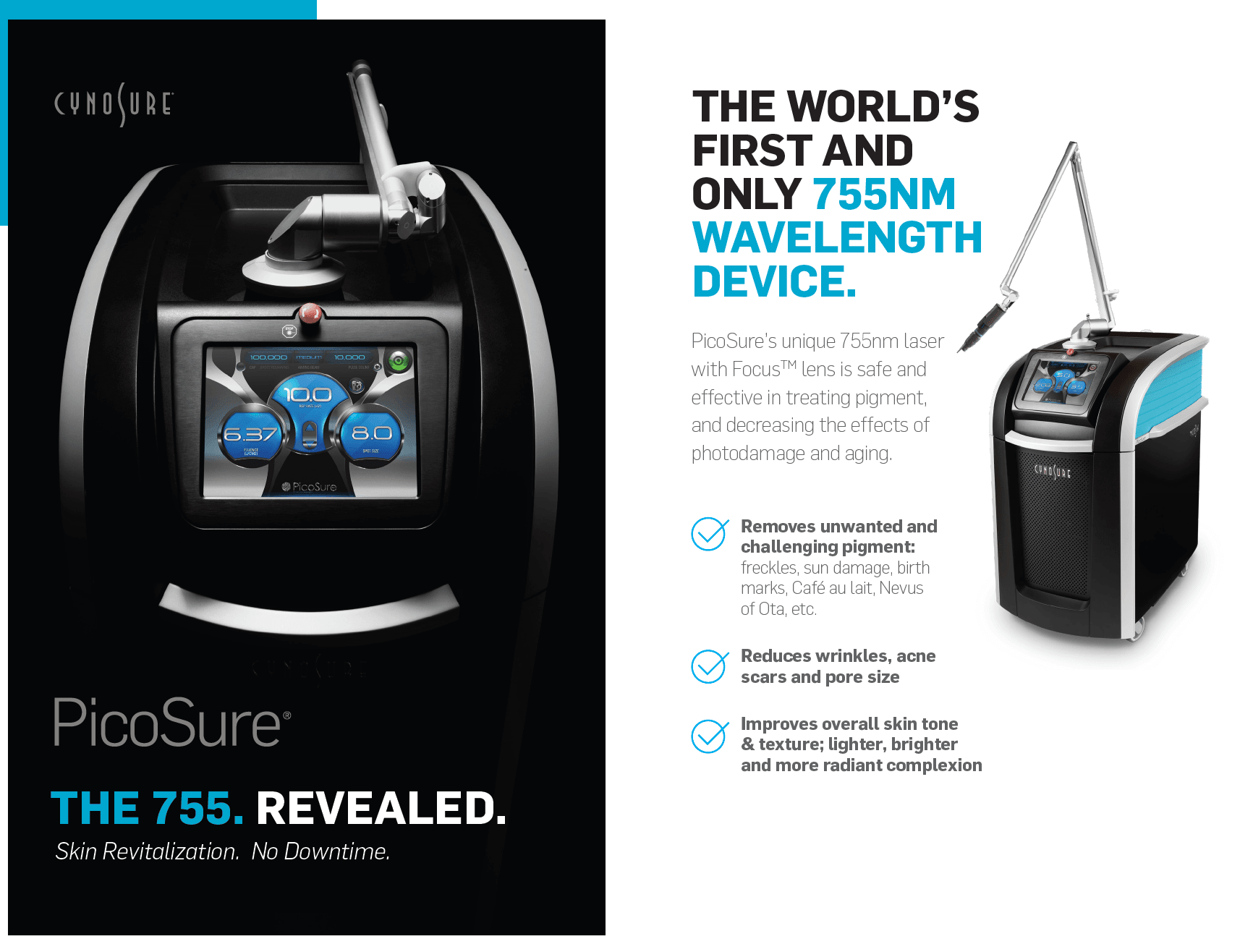
Top 10 Picosecond Laser Machine Manufacturers for Clinics in 2026
LEARN MOREYou may also like


Further reading

Tattoo Removal Laser Machine Cost and Ownership Guide
The purchase price is only one part of a tattoo removal laser machine’s cost. A clinic also needs the correct wavelength configuration, cooling, eyewear, room controls, staff training, documentati...

CO2 Laser Treatment Room Setup Checklist
A CO2 laser purchase is not complete until the treatment room can support safe, repeatable operation. Room planning should happen before shipment so the clinic can address smoke evacuation, access...

Aesthetic Machine Factory Acceptance Test Before Shipment
LEFISA factory acceptance test, or FAT, gives the buyer a defined point to confirm that the machine matches the order and completes agreed checks before shipment. It does not replace regulatory re...

Aesthetic Machine Warranty and Spare Parts Guide
A warranty is useful only when it explains what happens after a fault is reported. The number of warranty months matters, but the coverage, exclusions, evidence requirements, parts location, labor...


