

Fractional CO2 Cost & ROI Guide

If you’re preparing to add fractional CO₂ resurfacing—or you’re tightening up your price list—this guide distills fractional CO2 laser cost into two sides that matter most: (1) what a clinic actually spends (device + operations), and (2) what patients typically pay in different markets. We’ll finish with simple ROI models you can copy, plus quick answers to the questions people ask most (“how much is fractional CO2 laser?” and more).
Heads‑up: Costs vary by country, practice type, device settings, sedation, and who performs the procedure. Use the ranges below as reference points and tailor them to your market and protocols. US averages and community‑reported figures are cited where available.
Key takeaways (1‑minute read)
- Patient pricing (US): Recent US averages put overall laser resurfacing at about $1,829 (all laser types), while CO₂‑specific community reports average ~$3,000 per session; big-city, physician‑led practices often charge more.
- Equipment: The fractional CO₂ laser price for professional systems spans roughly the mid‑five figures into six figures, depending on power, scanner, indications, warranty, and brand. Market snapshots show ~$10,000–$100,000+ across new/used medical CO₂ devices; individual used listings for aesthetic CO₂ platforms commonly run ~$25k–$70k+ depending on model and year.
- Service & upkeep: After warranty, many practices budget ~8–10% of purchase price per year for service coverage; academic/derm literature notes ~5–7% for labor‑only agreements and ~22% for comprehensive annual maintenance contracts that include parts.
- International note (India): Clinics commonly advertise ₹5,000–₹25,000 per session for CO₂; some major‑city clinics and multi‑session packages price higher.
Part 1 — What actually drives the fractional CO₂ laser price (for owners)

1) Capital purchase (device + accessories)
- Energy & delivery: Higher peak power, fractional scanners, ultra‑pulse modes, and extra handpieces (e.g., surgical or gynecology) push the fractional CO2 laser price upward.
- Regulatory + warranty: Clear regulatory documentation (e.g., for specific indications) and robust warranty/service support usually raise the sticker price—but also reduce downtime risk.
- New vs. used: New grants turnkey onboarding and full warranty; used can slash capex if you have reliable service partners.
Market reality check (snapshots):
- General medical CO₂ range: Often quoted ~$10,000 to $100,000+, varying with complexity.
- Real used listings: It’s common to see named aesthetic CO₂ platforms and packages in the ~$25k–$70k+ band; one retailer lists a CO₂ platform configuration at $27,995 as a reference point (exact spec varies by listing).
Tip: Before comparing quotes, lock the spec you truly need (scanner type, handpieces, smoke evacuation, training days, loaner provisions). That “apples‑to‑apples” sheet saves hours and prevents false savings.
2) Service, parts & uptime
- Service after warranty: Many clinics plan 8–10% of device price per year for coverage; peer literature reports ~5–7% for labor maintenance contracts and ~22% for full annual maintenance with parts. Put this in your monthly budget so it never surprises you.
- Pay‑per‑call vs. contract: Pay‑per‑call can look cheaper—until a single board failure lands on your desk. Contracts trade a premium for predictable uptime.
3) Room‑level essentials & small consumables
- Eye protection, smoke evacuation, dressings/topicals, photography standards, and cleaning supplies add small but real per‑case costs. Strong plume capture is a safety issue, not a luxury. (Exact consumable pricing varies widely by vendor and city.)
4) Training, protocols & compliance
- Build time for device training, parameter presets, aftercare scripting, photo standards, and emergency pathways (e.g., HSV prophylaxis, burn protocol). Clear, printed aftercare also lowers follow‑up burden and protects your outcomes.
Part 2 — Patient‑facing resurfacing cost: transparent and defensible
US pricing patterns you can quote
- National averages (all laser resurfacing): ~$1,829 (surgeon’s fee average; does not include facility/anesthesia), per the American Society of Plastic Surgeons.
- CO₂ community data: ~$3,000 national average per session reported by the RealSelf community, with notable state/metro variation and a broad ~$800–$10,000 range depending on scope and intensity.
Why the spread?
- Provider & setting: Physician‑led clinics and hospital‑based centers price higher than medspas; sedation and facility fees add.
- Intensity & area: Full‑face ablative resurfacing with higher energy and multiple passes costs more than small‑field or “lite” fractional.
- Session count: Some patients pursue a single intense pass; others complete a series of lighter fractional sessions (often package‑priced).
India focus (a quick benchmark)
- Major clinic chains and city practices commonly publish ₹5,000–₹25,000 per session for CO₂ resurfacing; some list higher figures for large areas/premium protocols or package quotes. Variation by city and clinic reputation is significant.
Reality check for recovery: Many clinics advise ~5–7 days of visible downtime for fractional protocols (longer with strong settings). If you’re building a price sheet, set these expectations clearly alongside your quote.
Part 3 — Simple ROI models (copy these, change the numbers)
These examples keep the math honest and the tone calm. Swap in your own fee, volume, and cost lines to see break‑even and payback.
Assumptions you can edit:
- Device purchase: $80,000 financed over 60 months (~8% APR) → ~$1,620/month (directionally consistent with typical “$2,000/mo for ~$100k” lease notes in training literature).
- Service plan: 8%/yr ≈ $533/month (kicks in after warranty).
- Variable per‑case bucket (topicals/dressings, eye protection wear‑and‑tear, room + staff time, marketing share): $500–$700 (plug your own).
A) Conservative launch (prove demand)
- Fee per session: $1,500
- Variable per case: $550
- Monthly volume: 4 cases
- Month‑1 contribution (in‑warranty): (1,500 − 550) × 4 − 1,620 ≈ $2,180
- Payback timing: ~37 months on the device itself (excludes overhead) — a safe start while reviews and before/afters begin compounding.
B) Balanced growth (steady flow)
- Fee per session: $2,000
- Variable per case: $550
- Monthly volume: 8 cases
- Month‑1 contribution: (2,000 − 550) × 8 − 1,620 ≈ $9,980
- Year‑2 (with service plan): Subtract $533/mo; still strong margins at modest volume.
C) Premium protocol (higher intensity & chair time)
- Fee per session: $3,000–$3,500
- Variable per case: $600–$700
- Monthly volume: 10–12 cases
- Result: Device “earns its keep” quickly; busier months can fund marketing, staff training, and a loaner plan for peace of mind.
How to make this real in your spreadsheet
- Treat the financed note + service as fixed monthly.
- Add variable per‑case costs and your fee to calculate contribution per case.
- Model three volumes: a rainy month (low), a typical month (mid), and a promo month (high).
- Layer in no‑show and reschedule drag (e.g., −10%) so your plan survives reality.
Pricing playbook (for your menu & consults)
- Quote ranges, then personalize: Publish a ballpark resurfacing cost per area/complexity, but deliver a written quote after assessment (include facility/sedation if used).
-
Bundle smartly: Pair resurfacing with follow‑up checks and aftercare kits; offer series pricing for lighter fractional protocols when appropriate.
- Position downtime honestly: Note typical 5–7 days of social downtime for many fractional protocols (more for strong passes), so patients align expectations with your quote.
- Explain value, not just price: Photograph rigorously, show comparable cases, and clarify why physician‑delivered ablative work commands higher fees (safety, outcomes). Real‑world communities reflect that premium.
Frequently asked questions
How much does fractional CO₂ laser treatment cost?
In the US, community reports cluster around ~$3,000 per session for CO₂ resurfacing, with a broad ~$800–$10,000 span depending on the area treated, intensity, and who performs it. Across all laser resurfacing types, a recent national average fee is about $1,829 (surgeon’s fee only). Your total may also include facility and anesthesia when used.
Is a CO₂ fractional laser worth it?
Many patients think so: RealSelf shows an ~85% “Worth It” rating for CO₂ resurfacing, reflecting high satisfaction when expectations and aftercare are well‑managed. Individual results vary based on settings, provider experience, and skin biology.
Is CO₂ fractional laser permanent?
Results are long‑lasting (often years), but not “permanent” against time—skin continues to age, and sun exposure erodes gains. Improvements in acne scars can be very durable; texture and fine‑line gains gradually soften over years. Major medical sources describe results that “last for years,” with full effects unfolding over months as collagen remodels.


Looking for something else?

Do Men Get Cellulite? Causes Differences & What to Know
LEARN MORE
Does Radio Frequency Skin Tightening Work? Results & How It Works
LEARN MORE
Do You Shave Before Laser Hair Removal? Prep Tips & Why It Matters
LEARN MORE
How to Get Rid of Age Spots: Treatments. Natural Remedies & Prevention
LEARN MORELooking for something else?
How to Heal Ingrown Hair: Causes. Treatments & Healing Time
LEARN MORE
How to Get Rid of Freckles: Effective Treatments & Natural Tips
LEARN MORE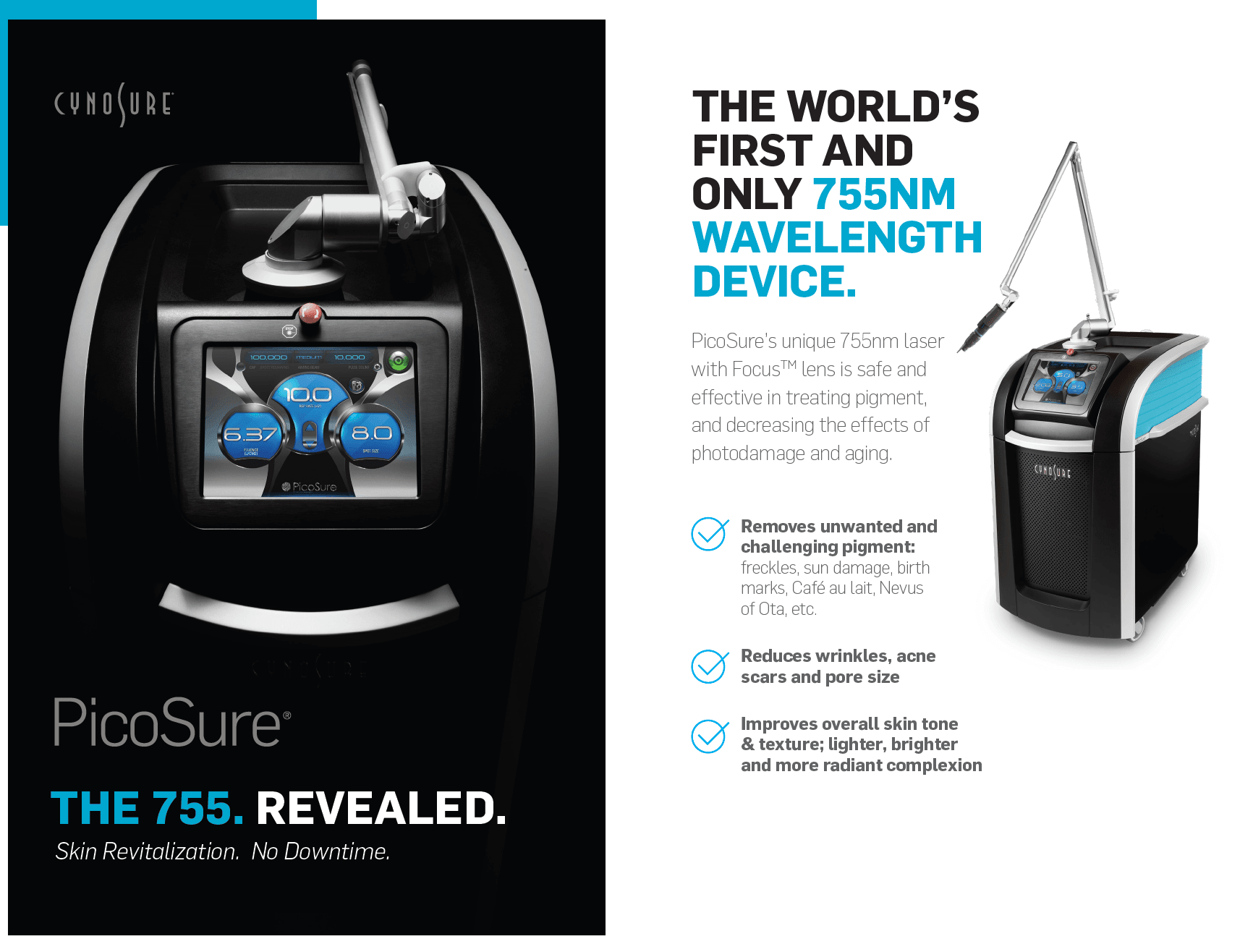
Top 10 Picosecond Laser Machine Manufacturers for Clinics in 2026
LEARN MOREYou may also like


Further reading

Tattoo Removal Laser Machine Cost and Ownership Guide

CO2 Laser Treatment Room Setup Checklist

Aesthetic Machine Factory Acceptance Test Before Shipment


