

EMS Body Sculpting Machine Buying Guide for Clinics
An EMS body sculpting machine should be selected around the service a clinic is permitted and prepared to deliver, not around the largest number printed in a brochure. Buyers need to compare the intended use, applicator design, treatment workflow, evidence behind the output claims, training and long-term support.
The commercial goal is simple: choose a system that staff can operate consistently, that fits the room and appointment schedule, and that has documentation appropriate for the destination market.
Quick Answer
An EMS body sculpting machine should be selected around the clinic's permitted service, staffing model and realistic appointment demand. Applicator count and intensity claims do not prove usable capacity. Compare the complete configuration, simultaneous operation, output evidence, room workflow, training, service response and replacement exposure before treating a larger specification as a better commercial choice.
- Best for: Clinics planning a new EMS or magnetic-field body service.
- Verify first: Intended use, applicator combinations, monitoring, output evidence and serviceability.
- Decision standard: Choose the configuration that delivers repeatable appointments with manageable downtime and cost.
Start with the service, not the intensity number
A clinic should first define the service it is prepared and permitted to offer: intended treatment areas, patient-selection process, appointment length, staff role, contraindication screening, positioning and follow-up. Only then should it compare machine specifications. Terms such as EMS, electromagnetic and HIFEM are often used broadly in marketing and do not by themselves establish equivalent output, intended use or clinical positioning.
Ask for the exact energy modality, labeled intended use and market authorization for the ordered model. Review how the manufacturer describes the service in the manual, training materials and promotional claims. If the clinic's proposed wording goes beyond the device labeling, that is a marketing and compliance issue, not a feature the salesperson can approve informally. The FDA notes that non-invasive body contouring is not a treatment for obesity and does not produce the health benefits of weight loss. [1]
The service definition should also specify what the machine must do operationally. Consider whether the clinic needs one or several applicators, whether paired areas will be treated together, how staff will secure and monitor the applicators, and how quickly the room can be turned over. This turns a general product comparison into a testable procurement brief.
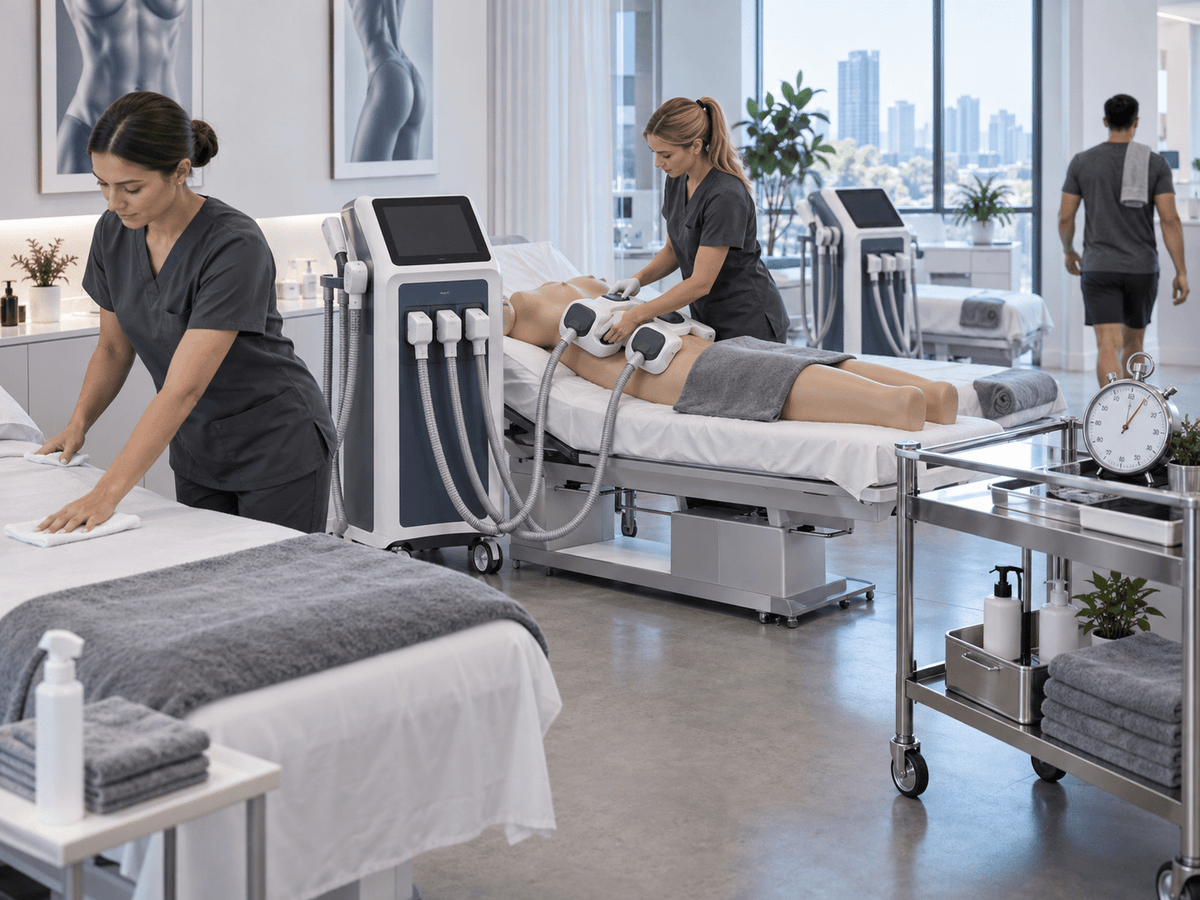
Figure 1. The useful comparison starts with the complete applicator configuration and the service the clinic plans to deliver.
Clarify what the machine is intended to do
“EMS,” “electromagnetic,” “HIFEM” and similar marketing terms are not interchangeable proof of performance. Ask for the exact energy modality, intended use, indications, contraindications and market authorization for the model being quoted. Claims on your clinic website should stay within the device labeling and local rules.
The FDA groups certain body-contouring systems that use magnetic fields under powered muscle stimulators. Its body-contouring guidance also stresses that non-invasive body contouring is not a treatment for obesity and does not produce the health benefits of weight loss. [1]
Compare applicators and channels
|
Question |
Why it matters |
Evidence to request |
|
How many applicators can operate at once? |
Controls workflow and whether paired areas can be scheduled |
Live demonstration in the ordered configuration |
|
How are applicators positioned? |
Affects repeatability and staff setup time |
Belts, holders and placement instructions |
|
Can channels be controlled independently? |
Changes flexibility for different service plans |
User-interface demonstration and manual |
|
What sizes or shapes are available? |
Determines fit across intended treatment areas |
Applicator list and labeled uses |
|
How is temperature monitored? |
Supports equipment protection and workflow |
Cooling design, alarms and stop behavior |
|
What is the cable and connector design? |
High-use parts influence uptime |
Bend protection, replacement method and spare pricing |
A four-applicator system is not automatically twice as productive as a two-applicator system. The machine must be able to operate the applicators in the way you intend, and the room, staffing and protocol must support that workflow. Ask for a full-length demonstration, not a short power-on video.
Translate applicator count into real clinic capacity
Four applicators on a brochure do not automatically create twice the capacity of two applicators. Confirm how many channels can operate simultaneously, whether each channel is independently controlled, and whether all applicators can maintain the claimed operating condition at the same time. Ask to see the exact ordered configuration running continuously, not one applicator demonstrated while the others remain idle.
Capacity should be calculated from the complete appointment. Add consultation, screening, photography, setup, belt and applicator placement, parameter selection, monitoring, cleaning, documentation and room turnover to the programmed session time. If the operator must remain in the room or adjust placement frequently, that labor requirement belongs in the model. If one operator is expected to oversee more than one room, the clinic should confirm that the workflow and device instructions support that staffing plan.
Build three scenarios: conservative, expected and peak demand. Use the clinic's opening hours and realistic booking pattern rather than the theoretical maximum number of cycles per day. A system that appears slower may be commercially stronger if setup is reliable, applicators are easy to position and service interruptions are rare. The objective is predictable completed appointments, not the largest capacity claim.
Figure 2. Applicator placement, staff attention and room turnover all affect practical appointment capacity.
Ask for output evidence you can understand
Brochures may emphasize field strength, intensity levels or proprietary waveform names. Those figures are difficult to compare when the measurement position, instrument, load and operating mode are missing. Request a test description that states what was measured, where it was measured and under which settings.
- Ask whether the reported value is measured at the applicator surface, center or another defined point.
- Confirm whether all applicators can run at the claimed output simultaneously.
- Watch a continuous operating demonstration long enough to observe heat management and alarms.
- Check that displayed intensity changes produce predictable operation without resets or connector warnings.
- Record the serial number and software version shown during acceptance.
Calculate appointment capacity realistically
Treatment capacity depends on more than the programmed session time. Include consultation, setup, positioning, cleaning, photography, room turnover and documentation. If one operator manages more than one room, build that staffing model into the calculation.
Daily practical capacity = available treatment-room minutes ÷ total room minutes per appointment. Use your own schedule and protocol. Do not base the purchase on a supplier’s maximum sessions per day unless the assumptions match your clinic.

Figure 4. Appointment capacity depends on positioning, treatment time, cleaning and room turnover.
Review the full ownership cost
|
Cost area |
Typical items |
What to confirm |
|
Acquisition |
Machine, applicators, holders and starter accessories |
Exact configuration and included quantities |
|
Installation |
Electrical check, delivery and commissioning |
Who performs and signs acceptance |
|
Training |
Operator, safety and basic troubleshooting |
Format, language and refresher access |
|
Routine operation |
Cleaning materials and replacement straps |
Approved materials and local availability |
|
Service |
Applicator, cable, board and cooling repairs |
Warranty boundary and parts pricing |
|
Downtime |
Diagnosis, shipping and temporary capacity loss |
Response target and remote support process |

Figure 5. Review applicators, service, parts and downtime as part of the three-year ownership cost.
Check compliance and claims before marketing
In the United States, powered muscle stimulators are Class II devices under 21 CFR 890.5850, with product codes and cleared intended uses that vary by device. The FDA classification database and clearance summaries are more useful than a generic claim that a machine is “FDA certified.” [2]
For any market, confirm the exact model, legal manufacturer, labeling and applicable authorization. If you are a distributor or importer, also establish how complaints, field actions, software updates and adverse events will be handled.
Stress-test the system before it becomes a clinic problem
A short power-on video cannot show whether a multi-applicator system remains stable during normal workload. The acceptance test should operate every ordered channel and applicator through an agreed long-run sequence. Record the machine serial number, software version, applicator identities, settings, room conditions and test duration so the result belongs to the delivered unit.
Observe cable and connector temperature, cooling behavior, alarms, display response and recovery after a normal stop or restart. Change intensity through representative levels and confirm that each channel responds predictably. If an applicator is disconnected, moved or recognized incorrectly, the system should behave according to the manual. Any reset, warning or output difference should be recorded, corrected and retested rather than edited out of the final video.
The buyer should finish with a signed record that lists the tested configuration, pass criteria, open items and release decision. Accessories, belts, holders, manuals, spare parts and packaging should be checked at the same time. This does not replace installation or operator training, but it greatly reduces disputes about missing items, unstable channels or a configuration that differs from the quotation.
Figure 3. A useful acceptance test runs every channel long enough to observe cooling, alarms and connection stability.
Run a pre-shipment acceptance test
- Match the machine, applicators, accessories, serial number and voltage to the order.
- Inspect housings, cables, connectors, belts and holders.
- Power on the system and confirm software version, language and user access.
- Operate every applicator and channel through the agreed demonstration.
- Observe cooling, alarms, emergency stop and recovery after a normal restart.
- Confirm manuals, labels, training materials, spare parts and packaging.
- Record the test in one continuous video and retain the signed result.
Questions that reveal supplier quality
- Can the supplier explain the difference between the device’s intended use and its marketing language?
- Can it show a repeatable test method rather than only a peak output number?
- Are applicator and cable replacement costs available before purchase?
- Is remote diagnosis available, and which faults require return shipment?
- Can training be provided to both operators and distributor service staff?

Figure 6. A structured demonstration should run all applicators under a realistic workload.
Use a demand model before selecting the applicator configuration
Start with the number of appointments the clinic can realistically sell and staff during the first operating quarter. Separate new consultations, repeat visits and package clients. Then map the body areas, appointment length, room turnover and preferred booking hours. This produces a service demand profile that can be compared with two-applicator, four-applicator or other supported configurations.
Calculate usable capacity rather than theoretical cycles. Available appointments equal staffed room hours divided by the complete appointment time, adjusted for expected no-shows, cleaning and operating limits. A larger applicator package is commercially useful only when it removes a real scheduling constraint. Otherwise, it adds purchase cost, training and replacement exposure before demand exists.
Set an operating baseline during installation
Commissioning should create a reference for future troubleshooting. Record the machine model, serial number, software version, installed applicators, cable condition, room temperature and the settings used in the acceptance cycle. Run every channel and supported applicator combination long enough to observe connection stability, cooling behavior, alarms and recovery after a normal stop.
Keep the signed record with photographs or video of the tested configuration. If performance later changes, the clinic and supplier can compare the fault with a known working state instead of debating what was delivered. The baseline is also useful after software updates, applicator replacement or relocation to another room. Repeat the relevant checks whenever a change could affect operation.

Figure 7. Operator competency should be verified through supervised setup and alarm-response checks.
Review launch performance before expanding capacity
After the clinic has enough real appointments to show a pattern, compare planned and actual performance. Review consultation-to-booking rate, completed treatments, room utilization, setup time, cleaning time, operator confidence, client cancellations and technical interruptions. This shows whether the constraint is demand, workflow, staffing or equipment capacity.
Use the review to decide the next purchase. If demand is strong but room turnover is slow, another machine may not solve the problem. If all supported channels are regularly booked and the clinic is turning away suitable clients, additional applicators or a second system may be justified. Expansion should follow measured use and a stable service process, not an optimistic launch forecast.
Price downtime into the applicator decision
Applicator quantity changes more than appointment capacity. It also changes the number of cables, connectors, straps and high-use components exposed to wear. Ask whether one failed applicator stops a single treatment position or the entire machine, and whether the remaining channels can continue operating within the approved configuration.
Estimate the commercial effect of a realistic failure. Multiply unavailable booked hours by expected contribution, then add rescheduling, support time and replacement freight. Compare that exposure with spare-part availability and the cost of an additional applicator. This does not mean buying every spare; it means choosing a configuration whose failure pattern the clinic can manage.
Convert the EMS Purchase Into Capacity and Cost Records
Machine specifications do not show how many completed appointments a clinic can sell or what the system will cost to keep available. These worksheets put the decision into the language of rooms, staff time and usable capacity.
Appointment Capacity Planner
Measure the full appointment with the intended applicator configuration. Use a normal working day rather than a demonstration schedule built around a single prepared patient.
|
Input |
How to measure |
Scheduling effect |
|
Simultaneous channels |
Demonstrate how many applicators run independently in the ordered configuration. |
Sets the maximum areas or patients that can be supported at once. |
|
Device-on time |
Record a complete programmed session at settings used in the intended service. |
Defines the minimum occupied treatment time. |
|
Setup and turnover |
Time consultation handoff, positioning, cleaning and room reset. |
Prevents back-to-back bookings from using device time alone. |
|
Operator attention |
Identify when staff must remain present, reposition applicators or respond to alarms. |
Shows whether one operator can safely manage another task. |
|
Planned utilization |
Apply realistic opening hours, no-shows, maintenance and launch demand. |
Converts theoretical capacity into bookable appointments. |
Calculate capacity from the slowest dependable part of the workflow. Extra applicators add value only when rooms, operators and turnover time allow the clinic to use them consistently.
Three-Year Cost Register
Record costs in the period when the clinic expects to pay them. Supplier quotations should be separated from buyer estimates so assumptions remain visible during comparison.
|
Cost line |
Evidence or source |
Budget treatment |
|
Acquisition and installation |
Final configuration, freight, duties, room work and commissioning responsibilities. |
Record as delivered-and-ready cost, not machine price alone. |
|
Applicators and accessories |
Included quantities, expected wear, replacement price and lead time. |
Schedule by expected usage and failure consequence. |
|
Service and parts |
Warranty exclusions, preventive care, remote support and common spare parts. |
Separate covered events from buyer-paid events. |
|
Staff and training |
Initial training, refreshers, competency time and protocol development. |
Include paid staff hours and temporary capacity reduction. |
|
Downtime exposure |
Likely diagnosis, dispatch and repair pathway for high-impact failures. |
Reserve for cancelled appointments and lost availability. |
Review the register after the first operating quarter. Real setup time, utilization and service experience are more useful than the launch forecast and should guide any decision to add applicators or a second system.
Compare a suitable LEFIS configuration
Browse the LEFIS EMS and HIFEM body sculpting machines and review our body slimming solutions. Send your destination market, room schedule, preferred applicator configuration and expected appointment volume through the contact page so the quotation can reflect your actual workflow.
FAQs
Is a higher intensity number always better?
Short answer: No. A higher displayed intensity does not automatically mean better treatment quality, stronger clinical performance or a more capable machine.
What to check: Manufacturers may use different scales, coil designs, pulse patterns and software limits, so numbers from two platforms are rarely comparable without test conditions. Effective treatment also depends on applicator position, stable contact, patient tolerance, protocol duration and consistent output over a full session. Buyers should ask how intensity is measured and whether performance changes as the machine heats up.
Buyer action: during a demonstration, run the intended clinic protocol from start to finish, record the setting and patient response, and compare repeatability across applicators rather than judging the machine by its maximum screen value.
Keep on file: Retain measured output information, the exact applicator and software configuration, a full-session stability record and the observed cooling, alarm and recovery behavior.
How many applicators should a clinic buy?
Short answer: Choose applicator count from realistic appointment capacity, not from the largest package offered.
What to check: One pair may be enough for a clinic testing demand, while a busy body-contouring room may benefit from treating more areas or operating multiple stations. However, extra applicators add cost, storage, cleaning and replacement exposure, and they are useful only if staffing and room capacity support simultaneous use. Compare configurations in the EMS and HIFEM body sculpting collection, then calculate how many applicators are active during the clinic's most common appointment.
Buyer action: map one normal working day in 30-minute blocks and buy the smallest configuration that meets peak demand with a reasonable backup plan.
Keep on file: Keep the capacity model showing simultaneous channels, full appointment time, room and staffing limits, expected demand, maintenance allowance and downtime exposure.
Does EMS body sculpting cause weight loss?
Short answer: It should not be presented as a general weight-loss solution.
What to check: EMS or HIFEM-style systems are typically selected for localized muscle stimulation and body-contouring services, while body weight is influenced by diet, activity, health conditions and many other factors. The claims a clinic can make depend on the device's cleared or permitted intended use in its market. Overstating results creates regulatory, advertising and patient-expectation risk even when clients report visible changes. Consultation should explain the treatment goal, expected course, limitations and alternatives in plain language.
Buyer action: review every website, consent form and sales script against the exact device documentation, and remove unsupported promises about kilograms lost, permanent results or outcomes that the clinic cannot consistently document.
Keep on file: File the intended-use statement, approved claims, staff script, consent language and website copy used for the service; review them together after any marketing change.
How should a clinic estimate appointments per day?
Short answer: Estimate capacity from the complete appointment, not treatment time alone.
What to check: Add consultation, room preparation, applicator placement, photography, cleaning, documentation, client turnover and any buffer required between sessions. Then divide staffed room hours by that total cycle time and reduce the result for cancellations, late arrivals and maintenance. A machine with several applicators does not create parallel capacity unless the operator, treatment space and workflow can support it safely. The LEFIS body slimming equipment page can help frame configuration choices around service planning.
Buyer action: time ten supervised appointments during launch, calculate the median door-to-door cycle, and use that measured figure rather than the brochure's protocol duration in revenue forecasts.
Keep on file: Retain a timed workflow record covering setup, positioning, device-on time, operator interventions, cleaning, turnover, no-shows and realistic daily utilization.
Which operating costs are commonly missed?
Short answer: Clinics often budget for the machine and electricity but overlook applicator replacement, straps or membranes, cleaning materials, staff training, room time, software or service fees, freight, customs, financing and lost revenue during downtime.
What to check: Marketing launch costs and consultation time also matter, especially when conversion is lower than expected. If treatment packages include free reviews or make-up sessions, those appointments consume capacity even without new revenue. A realistic model should separate fixed monthly costs from per-treatment costs and include a reserve for repairs.
Buyer action: build three scenarios using conservative, expected and strong utilization, then test the economics again with one week of downtime and one major applicator replacement in the first year.
Keep on file: Keep a three-year register for acquisition, installation, applicators, service, parts, training, cleaning supplies, room use, finance and cancelled-appointment exposure.
What training should be completed before launch?
Short answer: Training should cover more than operating the touchscreen. Staff need to understand patient selection, contraindications, consent, applicator placement, intensity progression, communication during treatment, expected endpoints, cleaning, emergency response and documentation.
What to check: Managers should also know daily checks, fault escalation and when a machine must be removed from service. Competency should be demonstrated on the exact purchased model and recorded, particularly when multiple applicator types or protocols are supplied. Local professional-scope and licensing rules still apply.
Buyer action: require each operator to complete a written knowledge check and two supervised full appointments, then schedule a review after the first ten cases to correct small workflow problems before they become routine.
Keep on file: File the training agenda, named trainees, competency checklist, abnormal-event drill, refresher requirement and signed authorization to operate the system.
How can a buyer test an EMS machine during a demonstration?
Short answer: Use a written demo protocol that reflects the clinic's intended service rather than accepting a short sales presentation.
What to check: Verify model and software version, inspect cables and applicators, start from a cold machine, run all channels under load for a complete session and check whether output remains stable. Assess placement, strap security, noise, heat, user interface, cleaning access and fault messages. Ask the seller to show shutdown, restart and basic troubleshooting. For a formal quote or model-specific test arrangement, contact the LEFIS Laser team with the planned treatment volume and configuration.
Buyer action: record settings, serial numbers and observations in a scorecard so competing machines are compared under the same conditions.
Keep on file: Retain a demonstration scorecard with serial number, software version, settings, active channels, applicators, session duration, temperature, alarms, noise and restart observations.
Sources
- FDA — Non-Invasive Body Contouring Technologies
- FDA — Product Classification for Powered Muscle Stimulators
- FDA — Guidance for Powered Muscle Stimulator 510(k)s
- FDA — Aesthetic Cosmetic Devices


Looking for something else?

Do Men Get Cellulite? Causes Differences & What to Know
LEARN MORE
Does Radio Frequency Skin Tightening Work? Results & How It Works
LEARN MORE
Do You Shave Before Laser Hair Removal? Prep Tips & Why It Matters
LEARN MORE
How to Get Rid of Age Spots: Treatments. Natural Remedies & Prevention
LEARN MORELooking for something else?
How to Heal Ingrown Hair: Causes. Treatments & Healing Time
LEARN MORE
How to Get Rid of Freckles: Effective Treatments & Natural Tips
LEARN MORE
Top 10 Picosecond Laser Machine Manufacturers for Clinics in 2026
LEARN MOREYou may also like


Further reading

Tattoo Removal Laser Machine Cost and Ownership Guide

CO2 Laser Treatment Room Setup Checklist

Aesthetic Machine Factory Acceptance Test Before Shipment


