

Diode Laser Buyer’s Guide for Clinics
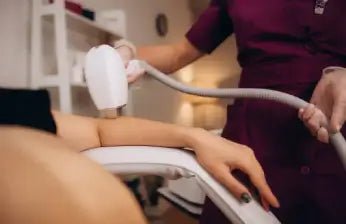
Choosing the right diode laser hair removal machine is one of the most important investments a clinic can make. The market is crowded, price points vary widely, and spec sheets can be confusing. To help clinics make clear, confident decisions, this Diode Laser Buyer’s Guide for Clinics covers the essential factors: power, cooling, spot size, handpiece life, warranty, training, and compliance. By the end, you’ll know how to evaluate offers and build a request-for-proposal (RFP) checklist that keeps you in control.
Why diode laser dominates modern hair removal
Diode laser systems are considered the workhorse of laser hair removal diode technology. Their 800–810 nm wavelength strikes an effective balance between melanin absorption and penetration depth. This allows them to target the follicle’s bulb and bulge while sparing surrounding skin. Compared to home devices or IPL, professional laser hair removal diode machines are faster, more reliable, and suitable across a wider range of skin and hair types when paired with cooling.
This dominance explains why nearly every serious clinic invests in at least one diode platform. But not all diode systems are equal—choosing the right one requires a structured evaluation.
Output power and pulse control
The power rating of a diode laser determines how efficiently it can disable hair follicles. Machines range from 800 W to 2400 W or more, with higher outputs enabling larger spot sizes and faster repetition rates.
Pulse control is just as important. Adjustable pulse widths (1–400 ms) allow you to match energy delivery to hair thickness and skin type, reducing the risk of burns or PIH. When reviewing machines, always check:
- The fluence range (J/cm²).
- Available pulse durations.
- How stable output remains across larger spot sizes.
Spot size and treatment speed
Time is money in a clinic. Larger spot sizes—up to 12×35 mm—allow you to cover backs, legs, and arms far faster. High repetition rates (up to 10 Hz) help maintain speed without sacrificing fluence.
For small or delicate areas (fingers, lips, ears), the availability of facial tips is equally important. A versatile diode machine should provide both large-area applicators and precision handpieces.
Cooling systems and patient comfort
Cooling is what makes high-fluence diode treatments tolerable and safe. Professional devices combine water circulation, air flow, semiconductor TEC modules, and sapphire contact cooling to protect the epidermis while still heating follicles.
When comparing systems, ask:
- Does the machine use multi-level cooling?
- How well is comfort maintained at maximum fluence?
- Are there redundancies (dual TEC, backup fans) for long sessions?
Effective cooling not only improves safety but also increases patient retention by reducing discomfort.
Handpiece design and lifespan

Handpieces are the “workhorse within the workhorse.” They contain the laser bar and optics that deliver energy to the skin. Their durability directly impacts your running costs.
Key questions to ask suppliers:
- Rated lifespan: How many shots before replacement?
- Cost of replacement: What does a new handpiece cost?
- Repairability: Can damaged handpieces be serviced, or must they be replaced?
- A diode system with a cheap sticker price but fragile handpieces can cost more over its lifetime than a sturdier unit with a higher upfront investment.
Warranty and after-sales service
A strong warranty is your safety net. Professional diode systems usually include 1–2 years standard warranty, sometimes extendable to 3 years. Coverage should clearly state:
- Which parts are included (laser bar, cooling modules, optics).
- Whether labor and shipping are covered.
- Availability of loaner units during repairs.
After-sales service is just as critical. Ask about response times, spare parts availability, and remote diagnostic support. Clinics with busy schedules cannot afford weeks of downtime.
Training and protocols
Even the best diode laser hair removal machine can underperform if staff are poorly trained. Look for vendors who provide:
- Free training for operators, covering skin typing, fluence settings, and troubleshooting.
- Clinical protocols for different hair and skin combinations.
- Certification for compliance with local regulations.
Well-trained staff reduce complications, optimize results, and improve patient trust.
Regulatory compliance and certification

Not all diode lasers are created equal. Some may lack the certifications required for legal use in your market. Always check for:
- CE marking, FDA clearance, or ISO certification depending on region.
- Local registration requirements (e.g., medical device listings).
- Documentation for audits and insurance coverage.
Compliance protects your clinic from liability and reassures patients about safety.
Cost and financing
Diode laser hair removal machine price varies widely:
- Entry-level portable systems: $25,000–$40,000.
- Mid-range professional units: $40,000–$80,000.
- High-power, multi-wavelength systems: $100,000+.
Financing options include leasing, vendor payment plans, and traditional bank loans. When budgeting, include:
- Service contracts (typically 8–10% of purchase price per year).
- Consumables (cooling gel, filters, occasional parts).
- Staff training costs.
A realistic payback model considers treatment prices ($100–$1,000 per session) and volume (20–40 sessions per month), often leading to ROI within 8–16 months.
Building your RFP essentials
When drafting your request-for-proposal (RFP) for suppliers, include these categories:
- Output power and pulse flexibility.
- Spot sizes and treatment speeds.
- Cooling systems and redundancies.
- Handpiece lifespan and replacement cost.
- Warranty terms and service agreements.
- Training, certification, and protocols.
- Compliance documentation.
- Total cost of ownership, not just sticker price.
This checklist ensures suppliers compete on what matters most to your clinic’s success.
Frequently Asked Questions
What’s the average diode laser hair removal machine price?
Most quality systems fall between $40,000 and $80,000, though portable entry-level units and high-end premium platforms expand the range.
Is a diode better than IPL for clinics?
Yes. Diode lasers deliver more precise energy at optimized wavelengths, offering faster results with fewer sessions and broader skin type coverage.
How long does a diode handpiece last?
Depending on the manufacturer, handpieces are rated for millions of pulses. Always confirm the exact lifespan and replacement costs before purchase.
How fast can I get ROI?
With consistent booking (20–40 sessions per month), many clinics recover investment in under a year, even with service contracts factored in.
Closing thought
This Diode Laser Buyer’s Guide for Clinics is designed to help decision makers cut through marketing noise and focus on what matters: safety, performance, and total cost of ownership. Whether you choose an entry-level portable unit or a multi-wavelength flagship, the right machine should align with your patient demographics, budget, and compliance requirements.


Looking for something else?

Do Men Get Cellulite? Causes Differences & What to Know
LEARN MORE
Does Radio Frequency Skin Tightening Work? Results & How It Works
LEARN MORE
Do You Shave Before Laser Hair Removal? Prep Tips & Why It Matters
LEARN MORE
How to Get Rid of Age Spots: Treatments. Natural Remedies & Prevention
LEARN MORELooking for something else?
How to Heal Ingrown Hair: Causes. Treatments & Healing Time
LEARN MORE
How to Get Rid of Freckles: Effective Treatments & Natural Tips
LEARN MORE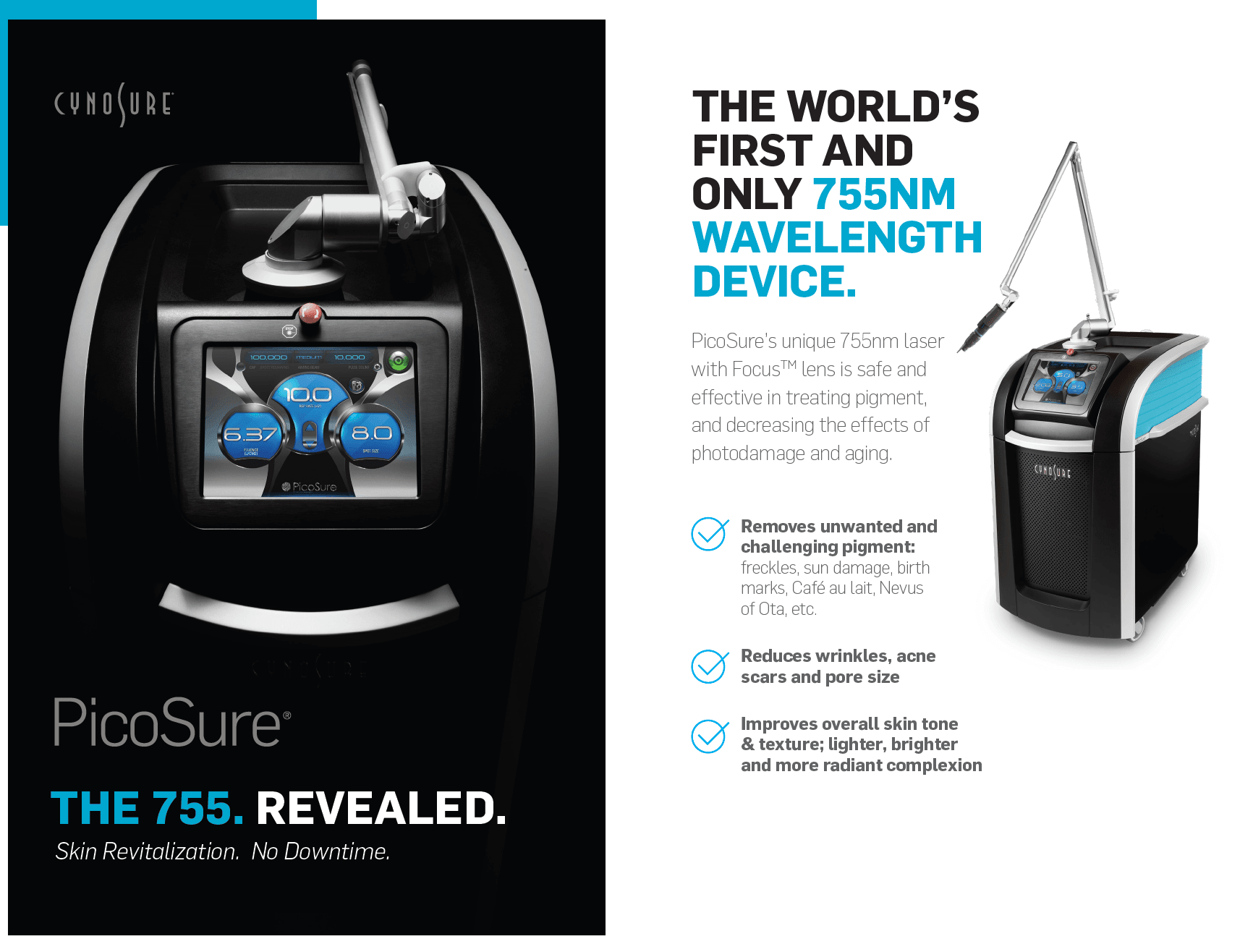
Top 10 Picosecond Laser Machine Manufacturers for Clinics in 2026
LEARN MORE


Further reading

Tattoo Removal Laser Machine Cost and Ownership Guide

CO2 Laser Treatment Room Setup Checklist

Aesthetic Machine Factory Acceptance Test Before Shipment


