

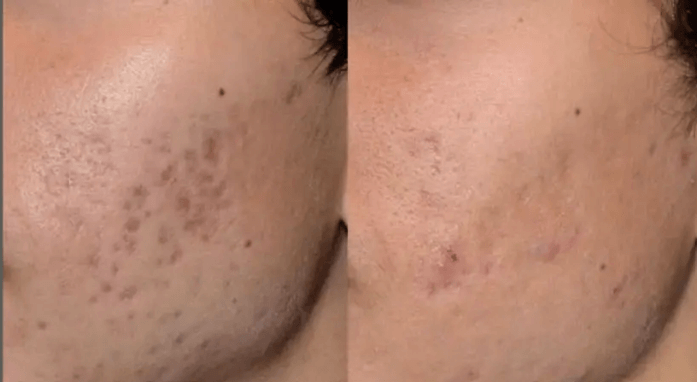
Picosecond Laser Before & After: Realistic Outcomes, Course Planning & Photo Standards
If you’re exploring picosecond laser before and after results—for tattoos, pigment, or texture—you want honest timelines and photos you can trust. This guide walks through what picosecond (pico) treatments can realistically achieve, how many sessions most cases take, and how clinics should document outcomes ethically so images stay credible online. We’ll also point you to a peer-reviewed case series on combining pico with acoustic shock waves for faster tattoo removal photos and results, plus a product category page if you’re comparing platforms.
What a “pico” laser actually does (and why it matters for photos)
Picosecond lasers fire extremely short pulses that generate a photoacoustic effect. Instead of relying mainly on heat, those shock-like pulses fracture pigment particles (tattoo ink or melanin clusters) into smaller fragments that the body can clear over time. In well-selected cases, this can mean fewer sessions and less downtime than older nanosecond Q-switched systems, with a lower risk of scarring or hypopigmentation when parameters are appropriate.
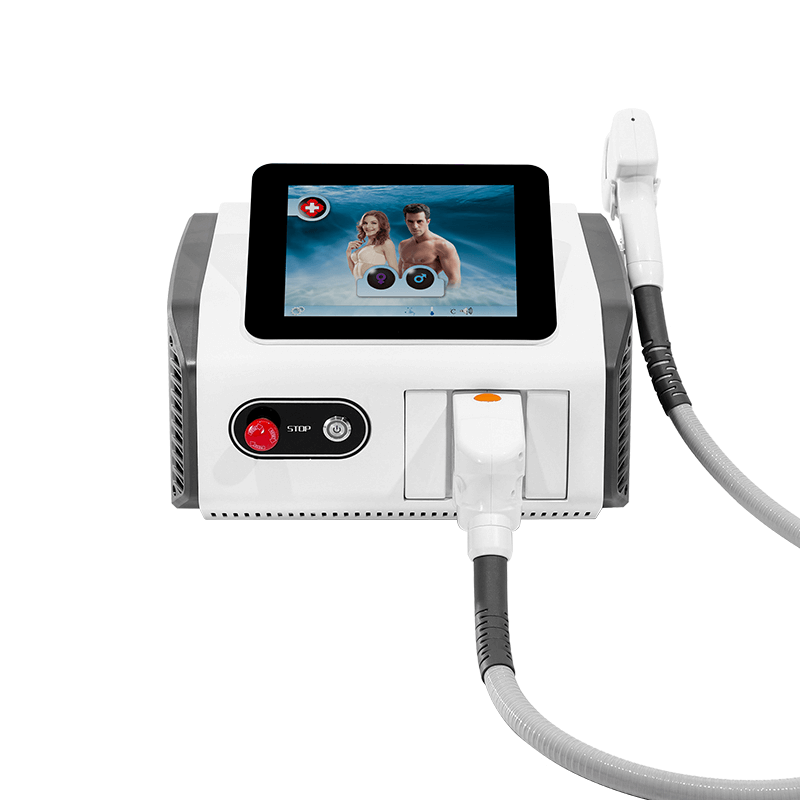
For buyers evaluating devices, a typical dual-wavelength platform treats epidermal pigment at 532 nm and deeper/dermal pigment or darker skin at 1064 nm, with optional “Genesis/toning” style modes for texture and pores. (Example product description and spec profile: C16 picosecond platform.)
How many sessions? What “before & after” usually looks like
- Systematic review: Across human trials, 69–100% of tattoos achieved >70% clearance after 1–10 sessions with various pico wavelengths. Most needed multiple visits; outcomes depended on ink color, depth, and prior treatments.
- Clinical studies and reports: Case series and journal articles repeatedly show substantial clearance within 1–5+ sessions for certain colors, while multicolored or layered tattoos may require more visits (sometimes >8), especially for green/blue and cover-ups.
- Real-world galleries: Patient galleries from established practices commonly annotate 5–11 sessions for near-complete clearance, reminding us that “stubborn last 10–20%” often extends the plan.
Bottom line for “pico results”: Expect visible fading after the first session, but plan a course. Dark, professional black tattoos may clear fastest; multicolored and older layered cover-ups take longer. Pigmentary concerns (e.g., lentigines) can respond in fewer visits than tattoos, but melasma/PIH demands conservative settings and spacing to avoid rebound.
Case spotlight: combining pico with acoustic shock waves

A 2022 peer-reviewed case series used picosecond laser plus acoustic shock wave therapy at monthly intervals (1–3 sessions). The authors reported faster clearing without major side effects, hypothesizing that acoustic pulses help drain pigment vacuoles and improve clearance. Early randomized work points the same way (adjunct appears safe and effective), though larger trials are still emerging.
If you present before & after tattoo removal photos from combination protocols, label them clearly (e.g., “Pico + ASW, 3 sessions, 4 weeks apart”), so viewers don’t assume single-modality results.
Interpreting “before & after” the right way
- How many sessions? (and interval)
- What wavelengths/mode? (e.g., 1064 nm; 532 nm for red/orange; “toning” mode for texture)
- What target? (professional black tattoo, multicolored cover-up, lentigines, PIH, acne scars)
- Any adjuncts? (acoustic shock waves, topical lighteners, fractional resurfacing later)
When those details are missing, assume results took several visits and may include adjunctive care. That context protects patient expectations and your clinic’s credibility.
Realistic outcomes by indication
1) Tattoo removal
- Black ink (professional): Often the most responsive; literature reports >75% clearance within ~1–5 sessions in some cohorts, but total removal can take more, especially for dense, deep ink.
- Multicolored tattoos: Pico helps with greens and blues better than legacy devices, yet stubborn remnants are common; 8+ sessions aren’t unusual. Cover-ups or ink stacking increase session counts.
- Cosmetic tattoos (brows/lips): Pico can be effective and safe, but pigment chemistry varies; test spots and conservative starts are wise.
2) Epidermal & dermal pigment
- Lentigines/sun spots: Often respond in 1–3 sessions with 532 nm when carefully selected.
- PIH/melasma: Proceed gently—over-treatment risks rebound. Combine sun avoidance and skincare; space sessions longer. (That’s also why honest before & after for melasma will show subtlety, not a single dramatic jump.)
3) Texture, pores, and scars
- Non-ablative “pico toning/Genesis-style” passes can improve tone and fine texture gradually; photos should cover multi-session arcs, not one-and-done transformations.
Safety notes that shape your photos (and your schedule)
- Downtime: Picosecond treatments typically mean shorter downtime than ablative resurfacing; redness/edema usually settle quickly, aiding serial photography.
- Adverse effects: Transient whitening, pinpoint bleeding, crusting; rare scarring when protocols are respected. Multicolored/cosmetic inks call for especially careful parameter selection.
- Spacing: Tattoo protocols often space 4–8 weeks (or longer) for immune-mediated clearance between sessions, which is why properly dated photo sets matter.
How to capture believable “before & after” (consent, lighting, and consistency)

Even the best pico results will look dubious if your photo workflow is sloppy. Use a repeatable clinical photography setup:
Consent first, always. Written consent must specify uses (medical record vs. marketing/website/social), location of publication, and revocation rights. Don’t post images without explicit permission.
Standardize capture. Same camera or calibrated phone, same lens/zoom, same distance/pose, same background, same lighting—every time. Inconsistent light and angles can fake “results.”
Light like a clinic, not a studio trick. Avoid shadows and color-temperature shifts; control ambient light; prefer soft, even sources or twin flashes. For close-ups, a slight side-light can reveal texture honestly.
Mark the journey. Title images with date + session # + interval (e.g., “Session 3, 6 weeks after Session 2”), and avoid retouching. Medical photo guidance stresses images that convey location, color, texture clearly—without edits.
Building a course plan patients can believe
A transparent plan makes your picosecond laser before and after gallery more trustworthy:
- Assessment: Tattoo color map, depth, skin type, scarring history; for pigment, differentiate epidermal vs. dermal.
- Protocol & intervals: Choose wavelength(s), spot size, fluence, and spacing (4–8+ weeks); warn that the “last 10–20%” often takes added sessions.
- Adjuncts: Consider acoustic shock wave assist for tattoos; document clearly if used.
- Aftercare: Sun protection, gentle cleansing, and realistic downtime; for pigment conditions prone to rebound, set conservative expectations.
- Photography protocol: Consent + standardized capture at baseline and every visit, with the same room, lights, and camera settings.
What authentic “before & after” looks like (tattoo edition) :
- Baseline: Dense, saturated color; note prior laser history if any.
- After 1–2 sessions: Noticeable fading, irregularly; darker blacks often crack first; reds/oranges may persist until 532 nm passes.
- After 3–5 sessions: Substantial clearance for many black tattoos; colored and cover-ups still fading.
- After 6–10+ sessions: Near-complete for many; residual ghosting or fragments possible—often acceptable to patients but should be disclosed.
Multiple clinical and gallery sources echo these arcs; some patients need >8–10 visits, particularly for multicolored/stacked ink.
Where to see published cases (and how to read them)
- Systematic review (tattoo): Session counts and clearance thresholds across wavelengths; good for expectation-setting.
- Peer-reviewed case series (pico + shock waves): Faster clearance noted; helps inform combination discussions.
- Individual clinical studies: Black tattoos with high-clearance rates in 1–5 sessions in select cohorts, plus evaluations of cosmetic tattoo removal.
- Practice galleries: Useful for patient education, but look for session counts and intervals in the captions to avoid misreading the timeline.
Frequently Asked Questions
How fast will I see results?
Most tattoos lighten after the first session; meaningful “after” photos usually appear by session 2–3 and keep improving with each visit. Multicolored or layered tattoos take longer.
Will pico remove my tattoo completely?
Often yes for many black tattoos over multiple sessions; greens/blues and cover-ups are harder and may leave mild ghosting even after many visits. Your consult should address this clearly.
How far apart are sessions?
Commonly 4–8 weeks or longer, allowing your immune system to clear fragments. Rushing sessions doesn’t speed clearance and can increase irritation risk.
What about pigment conditions like melasma or PIH?
They respond best to conservative parameters and spacing, plus strict sun protection. Honest before/after sets will show gradual refinement, not overnight erasure.
Do “pico + shock waves” make a difference?
Early evidence—including a case series and a recent controlled study—suggests adjunctive acoustic shock waves can accelerate clearance safely. Discuss whether your clinic offers it and label photos accordingly.
Are the photos real? How can I tell?
Trust clinics that state session numbers, intervals, wavelengths, and provide standardized lighting/angles with written consent. Avoid galleries with inconsistent lighting, heavy makeup, or retouching.


Looking for something else?

Do Men Get Cellulite? Causes Differences & What to Know
LEARN MORE
Does Radio Frequency Skin Tightening Work? Results & How It Works
LEARN MORE
Do You Shave Before Laser Hair Removal? Prep Tips & Why It Matters
LEARN MORE
How to Get Rid of Age Spots: Treatments. Natural Remedies & Prevention
LEARN MORELooking for something else?
How to Heal Ingrown Hair: Causes. Treatments & Healing Time
LEARN MORE
How to Get Rid of Freckles: Effective Treatments & Natural Tips
LEARN MORE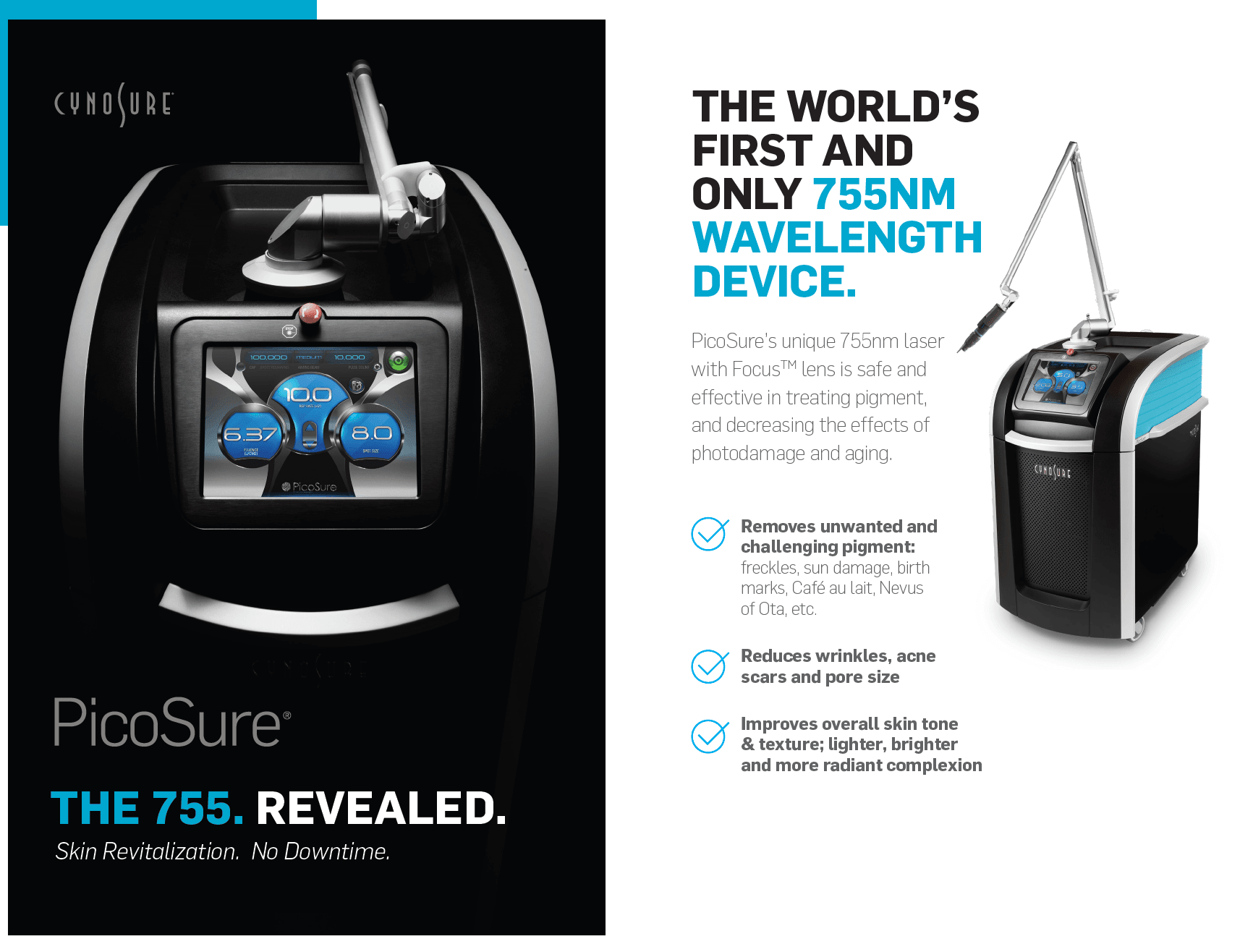
Top 10 Picosecond Laser Machine Manufacturers for Clinics in 2026
LEARN MOREYou may also like


Further reading

Tattoo Removal Laser Machine Cost and Ownership Guide

CO2 Laser Treatment Room Setup Checklist

Aesthetic Machine Factory Acceptance Test Before Shipment


