

HIFU Candidate & Contraindication Guide
Before performing any HIFU therapy—whether for facial lifting or body contouring—clinics must screen every client carefully. While High-Intensity Focused Ultrasound is safe and non-invasive, proper candidacy evaluation prevents complications and ensures the best results.
This guide explains what HIFU therapy is, how HIFU works, ideal patient profiles, contraindications, and communication tips for informed consent and risk management.
What Is HIFU Therapy?
HIFU therapy (High-Intensity Focused Ultrasound) uses precise acoustic energy to create controlled heat zones deep under the skin.
Unlike lasers or radiofrequency—which treat superficial layers—HIFU targets specific depths (1.5 mm to 13 mm), including the SMAS layer (Superficial Musculo-Aponeurotic System).
At these depths, ultrasound energy raises tissue temperature to around 60–70°C, producing thermal coagulation points that trigger collagen contraction and regeneration.
Main Goals of HIFU:
- Lift sagging skin and restore firmness.
- Stimulate new collagen and elastin production.
- Improve facial contour and jawline definition.
- Tighten skin on the neck, arms, abdomen, and thighs.
In other words, HIFU treatment for the face and body delivers results similar to a facelift—without incisions or downtime.
How Does HIFU Work?

HIFU works by converting electrical energy into focused sound waves. These waves travel harmlessly through the skin surface until they converge at a preset focal point within the deeper tissue layer.
At that point, heat builds up rapidly, creating a micro-injury zone that stimulates healing. The surrounding tissue remains intact, accelerating collagen remodeling without surface damage.
Mechanism Summary:
- Energy Focus – Ultrasound waves converge at precise depths.
- Thermal Coagulation – Targeted points heat up to 65–70°C.
- Cellular Activation – Fibroblasts trigger new collagen synthesis.
- Gradual Lift – Over 8–12 weeks, skin tightens and becomes smoother.
The result: natural, progressive rejuvenation with no disruption to the epidermis.
Indications – Who Is a Good Candidate for HIFU?
HIFU is suitable for patients seeking non-surgical lifting or firming. It benefits mild to moderate skin laxity, where surgery would be excessive.
Ideal Candidates:
- Age 30–60 with early to moderate sagging.
- Post-weight loss patients experiencing mild skin looseness.
- Busy individuals wanting no-downtime lifting treatments.
- Men and women seeking jawline, brow, or neck definition.
- Patients who cannot undergo surgery for medical or personal reasons.
Common Treatment Areas:
- Face and jawline (cheeks, nasolabial folds, double chin).
- Neck and décolleté.
- Upper arms (“bat wings”).
- Abdomen and flanks.
- Thighs and knees.
HIFU Body Treatment Candidacy

The same technology used for facial tightening is adapted for HIFU body treatment using deeper cartridges (8–13 mm).
Best suited for:
- Localized fat reduction and contouring (stomach, thighs, arms).
- Mild cellulite smoothing.
- Postpartum or post-weight-loss skin tightening.
Patient criteria:
- BMI below 30 for visible contouring.
- Stable weight for at least 6 months.
- Realistic expectations—HIFU sculpts but does not replace liposuction.
By applying high-intensity ultrasound at deeper depths, the device heats subcutaneous fat layers, disrupting fat cells while tightening overlying skin through collagen remodeling.
Contraindications – When to Avoid HIFU Therapy
Even though HIFU is non-invasive, it should not be performed on every client. Proper screening is critical.
Absolute Contraindications
- Pregnancy or breastfeeding.
- Open wounds, infections, or severe acne in treatment area.
- Active implants (pacemakers, metal plates, hearing devices) near target zones.
- Cancerous lesions or active malignancy.
- Severe cardiovascular disorders.
- Epilepsy or severe neurological conditions.
- Uncontrolled diabetes or bleeding disorders.
Relative (Temporary) Contraindications
- Recent use of fillers or Botox (wait 2–4 weeks).
- Recent chemical peels or laser resurfacing (allow healing first).
- Severe sunburn or inflammation in target area.
- Autoimmune or connective-tissue diseases that affect healing.
- Cold sores (Herpes Simplex)—treat before scheduling facial HIFU.
Always take a complete medical history before proceeding with treatment.
Screening Checklist for Clinics

Before HIFU therapy, practitioners should go through a structured screening protocol.
Step 1 – Medical History Review
- Cardiovascular and neurological conditions.
- Allergies, especially to ultrasound gel or topical anesthetics.
- Skin diseases, wounds, or implants.
Step 2 – Physical Assessment
- Evaluate degree of laxity, fat thickness, and hydration.
- Identify contraindicated zones (bones, thyroid, carotid arteries).
Step 3 – Patient Expectation Alignment
Explain that:
- Results appear gradually over 8–12 weeks.
- One session often delivers significant improvement.
- Maintenance sessions every 12–18 months preserve outcomes.
Step 4 – Informed Consent
Provide a written consent form explaining potential side effects such as mild redness, tenderness, or rare swelling.
Managing Risk and Communicating Safely

Transparent communication builds patient trust and minimizes complaints.
Pre-Treatment Discussion Points:
- Procedure scope: explain how HIFU targets collagen and fat, not muscle.
- Expected sensations: describe mild warmth or tingling during energy delivery.
- Aftercare: emphasize sun protection and hydration post-treatment.
- Result timeline: clarify that lifting develops gradually, not instantly.
Common Short-Term Effects:
- Mild redness or swelling (a few hours).
- Temporary tenderness or tingling.
- Rare bruising in thinner areas.
These are normal physiological responses that subside naturally.
Energy Depths and Treatment Parameters
Professional HIFU systems deliver energy at different levels depending on area and goal.
|
Cartridge Depth (mm) |
Target Tissue |
Purpose |
|
1.5 mm |
Epidermis |
Texture and pore refinement |
|
3.0 mm |
Dermis |
Collagen stimulation, firmness |
|
4.5 mm |
SMAS layer |
Lifting and tightening |
|
8–13 mm |
Subcutaneous fat |
Body contouring and cellulite reduction |
Operators select cartridge depth, energy level (0.2–1.2 J), and number of lines (1–12 per pass) based on skin thickness and tolerance.
Educating Patients About Realistic Results
Managing expectations is the cornerstone of safe HIFU practice.
What to Tell Patients:
- Immediate: Slight tightness or glow after session.
- Short-term (2–4 weeks): Improved firmness and smoother texture.
- Long-term (2–3 months): Visible lifting and contour refinement.
- Longevity: Results last 12–18 months, then gradually fade.
Reassure clients that the process relies on natural collagen rebuilding, which takes time but ensures subtle, lasting outcomes.
Safety Precautions During Treatment
- Always apply sufficient coupling gel to ensure even ultrasound transmission.
- Avoid bone and nerve-rich areas like the temples and thyroid.
- Keep cartridge in motion to prevent overheating.
- Start with lower energy on first-time clients.
- Monitor patient comfort continuously.
Following these precautions minimizes the risk of burns or bruising.
Purpose of HIFU in Modern Aesthetics
The main purpose of HIFU therapy is to tighten, tone, and lift tissue naturally through focused ultrasound energy. It bridges the gap between topical skincare and surgical lifting.
Clinically, HIFU offers:
- Facial rejuvenation: improves wrinkles and contour.
- Body shaping: reduces small fat deposits while tightening skin.
- Scar remodeling: stimulates collagen for smoother texture.
- Preventive maintenance: delays visible aging in younger clients.
For clinics, it’s a versatile, profitable service that complements other energy-based treatments like RF or laser therapy.
Material and Device Design Overview
Professional HIFU systems use precision-engineered ultrasound transducers that convert electrical energy into stable acoustic waves.
Key Components:
- Cartridges: interchangeable depths (1.5–13 mm) for face and body.
- Power range: 0.1–75 J adjustable energy.
- Frequency: typically 4–10 MHz depending on target depth.
- Touchscreen interface: smart mode presets for ease of use.
- Cooling system: maintains consistent performance and safety.
- Durable casing: aluminum or ABS polymer for heat resistance and ergonomic operation.
These design features allow repeatable accuracy, patient comfort, and efficient workflow in professional environments.
Documentation & Risk Communication Templates
Pre-Treatment Checklist
- Medical history verified
- Consent signed and explained
- Treatment zones mapped
- Energy settings logged
- Photos taken before and after
Post-Treatment Documentation
- Patient comfort recorded
- Aftercare instructions provided
- Follow-up appointment scheduled
Having standardized forms protects both patient and practitioner.
Frequently Asked Questions
What is HIFU therapy used for?
HIFU is a non-invasive treatment for tightening skin, reducing wrinkles, and sculpting body contours by stimulating collagen through ultrasound energy.
How does HIFU work?
It focuses ultrasound energy beneath the skin to heat tissues and trigger collagen regeneration, producing gradual lifting effects.
Is HIFU safe?
Yes. When performed by trained professionals, it is FDA-cleared and clinically proven for face and body rejuvenation.
What’s the downtime after HIFU?
Almost none. Mild redness or tenderness fades within hours.
Can all skin types use HIFU?
Yes. Since it bypasses the surface, HIFU is suitable for all Fitzpatrick types.
How many sessions are needed?
Most patients need 1 session per year; maintenance every 12–18 months keeps collagen levels high.
What is HIFU body treatment?
It uses deeper ultrasound (8–13 mm) to reduce small fat deposits and tighten overlying skin on areas like the abdomen and thighs.
Can HIFU be combined with fillers or Botox?
Yes, but wait at least 2 weeks between treatments to avoid interference.
What are possible side effects?
Mild redness, temporary tingling, or slight bruising may occur; all are transient.
Why should clinics perform candidacy screening?
Proper screening ensures safety, builds trust, and reduces post-procedure complaints or risks.
Conclusion
HIFU therapy is a powerful, non-invasive technology that tightens and rejuvenates both face and body.
However, patient selection and contraindication awareness are vital for success.
By identifying the right candidates, using safe energy levels, and communicating transparently, clinics can deliver transformative results with minimal risk.
When paired with advanced systems that include safety controls, adjustable cartridges, and professional training, HIFU becomes one of the most dependable tools in aesthetic medicine.


Looking for something else?

Do Men Get Cellulite? Causes Differences & What to Know
LEARN MORE
Does Radio Frequency Skin Tightening Work? Results & How It Works
LEARN MORE
Do You Shave Before Laser Hair Removal? Prep Tips & Why It Matters
LEARN MORE
How to Get Rid of Age Spots: Treatments. Natural Remedies & Prevention
LEARN MORELooking for something else?
How to Heal Ingrown Hair: Causes. Treatments & Healing Time
LEARN MORE
How to Get Rid of Freckles: Effective Treatments & Natural Tips
LEARN MORE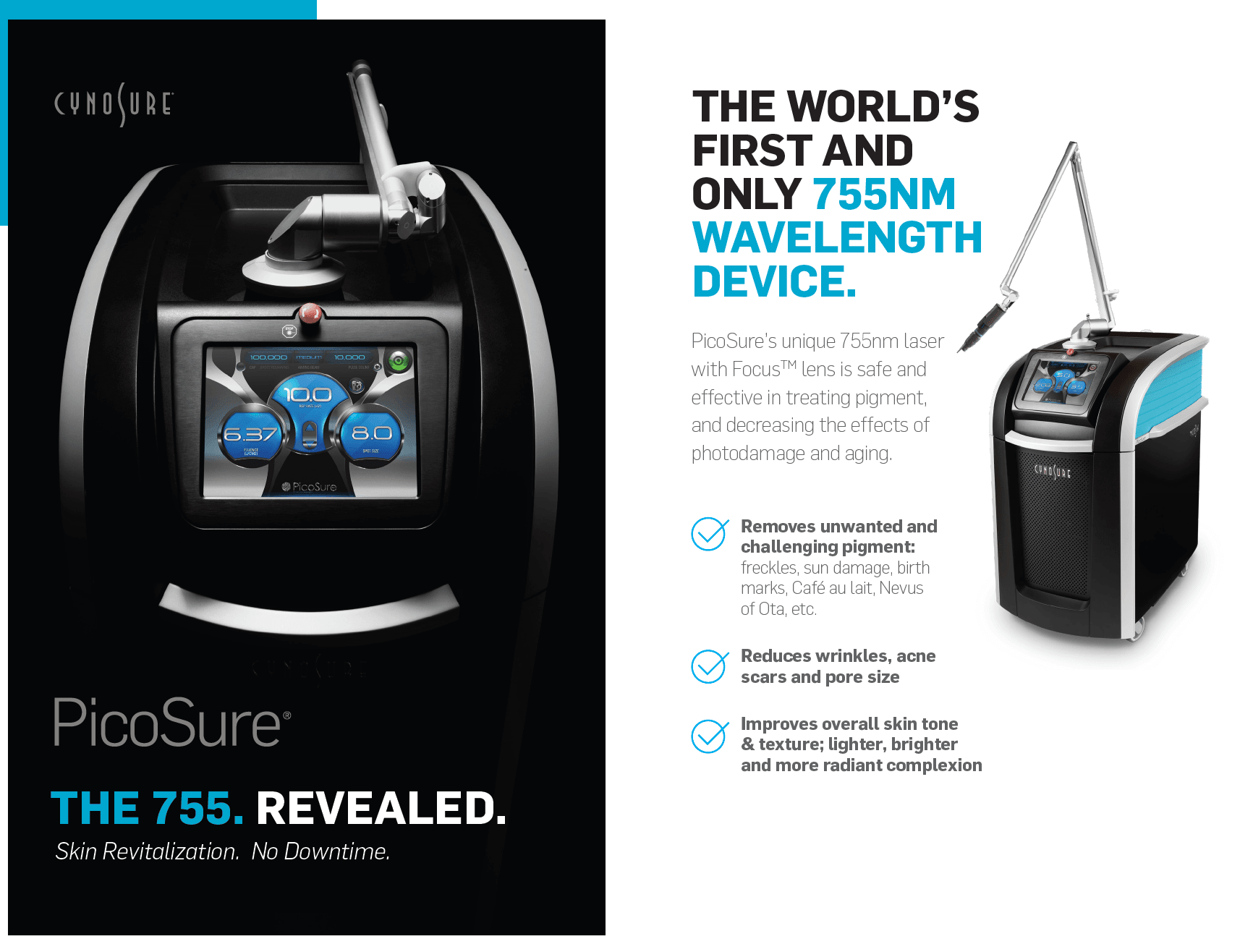
Top 10 Picosecond Laser Machine Manufacturers for Clinics in 2026
LEARN MOREYou may also like


Further reading

Tattoo Removal Laser Machine Cost and Ownership Guide

CO2 Laser Treatment Room Setup Checklist

Aesthetic Machine Factory Acceptance Test Before Shipment


